Batwa Trail: Walking in the Forest People’s FootstepsAt the southwestern edge of Uganda, where volcanic peaks rise through mist and bamboo forests whisper with ancient stories, lies one of the most profound cultural experiences in East Africa — the Batwa Trail. Set within Mgahinga Gorilla National Park, this immersive journey invites visitors to walk alongside the Batwa people, the original inhabitants of these forests, and step into a way of life that once thrived in harmony with nature.
Unlike conventional wildlife safaris, the Batwa Trail is not about spotting animals. It is about listening, learning, and understanding a culture deeply rooted in the forest — a culture that continues to endure despite displacement and change.
The Forest as Home and Identity
For thousands of years, the Batwa lived within the forests of the Virunga region, including what is now Mgahinga Gorilla National Park. They were hunter-gatherers, relying on the forest for everything — food, shelter, medicine, and spiritual connection.
Every tree, every path, every cave held meaning. The forest was not just a place to live; it was their identity. Knowledge of medicinal plants, animal behavior, and survival techniques was passed down through generations, forming a rich oral tradition that defined their way of life.
When the park was established in 1991 to protect endangered mountain gorillas, the Batwa were evicted from their ancestral lands. This marked a turning point in their history, forcing them to adapt to life outside the forest while striving to preserve their cultural heritage.
What the Batwa Trail Experience Involves
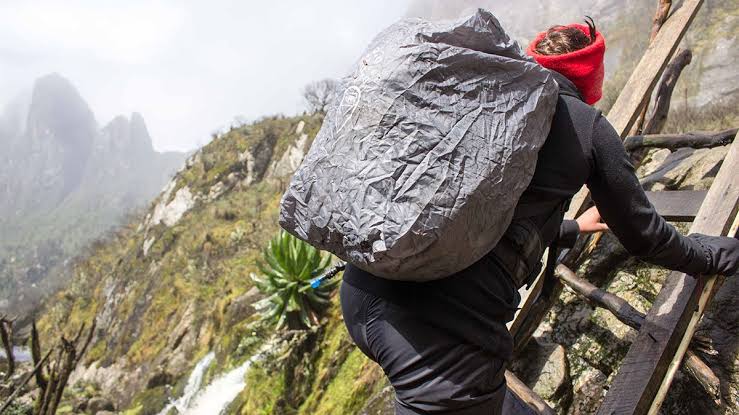
The Batwa Trail is a guided cultural walk led by Batwa community members themselves. As you enter the forest, the experience unfolds as a living narrative rather than a staged performance.
Guides demonstrate traditional survival skills that once sustained their people. You may watch as they light fire using dry sticks and friction, a technique mastered over centuries. They show how they hunted small animals using bows and arrows, and how they gathered honey from tall trees without modern equipment.
Along the trail, medicinal plants are identified and explained in detail. The Batwa share how specific leaves, roots, and barks were used to treat illnesses, reflecting an intimate understanding of the forest’s natural pharmacy.
The walk often leads to sacred caves, such as Garama Cave, which once served as a royal residence and refuge. Inside, storytelling comes alive through songs and echoes that fill the dark, cool chambers, offering a glimpse into spiritual and communal life.
Storytelling, Music, and Living Heritage
One of the most powerful aspects of the Batwa Trail is the storytelling. Elders and guides share personal histories — memories of life in the forest, the pain of displacement, and the determination to preserve their identity.
These stories are not rehearsed scripts. They are lived experiences, shared with honesty and emotion. They create a connection that goes beyond tourism, allowing visitors to see the world through Batwa perspectives.
Music and dance form an integral part of the experience. Rhythmic songs, often accompanied by simple instruments, reflect the joys and struggles of Batwa life. Visitors are sometimes invited to participate, creating moments of shared humanity and cultural exchange.
The Meaning of Ethical Cultural Tourism
The Batwa Trail is an example of how tourism can support cultural preservation when conducted responsibly. Ethical cultural tourism ensures that the Batwa are not merely subjects of observation but active participants and beneficiaries.
Revenue from the trail contributes to community development, including education, healthcare, and livelihood projects. It also provides employment opportunities, allowing Batwa guides to share their knowledge while earning a sustainable income.
For visitors, this means the experience carries purpose. It is not just about witnessing culture but contributing to its survival.
The Emotional Impact of the Journey
Walking the Batwa Trail is often described as a deeply moving experience. It brings awareness to the human side of conservation — the complex balance between protecting wildlife and respecting indigenous communities.
As you walk through the forest, guided by those who once called it home, there is a sense of humility that emerges. You begin to understand the depth of knowledge the Batwa possess and the significance of what was lost.
Yet alongside this is a powerful sense of resilience. The Batwa continue to share their culture, adapt to new realities, and maintain pride in their identity.
Best Time to Visit
The Batwa Trail can be experienced throughout the year. However, the dry seasons from June to August and December to February offer more comfortable walking conditions, as trails are less slippery.
Even during the rainy seasons, the forest takes on a lush, vibrant character. Mist drifts through the trees, and the atmosphere becomes even more evocative, enhancing the sense of stepping into another world.
Combining the Batwa Trail with Gorilla Trekking
Many visitors include the Batwa Trail as part of a broader itinerary in Mgahinga Gorilla National Park. Gorilla trekking remains the park’s most famous activity, but the cultural depth provided by the Batwa experience adds a meaningful dimension to the journey.
Together, these experiences highlight both the natural and human heritage of the region, offering a more complete understanding of the landscape.
A Journey Beyond Tourism
The Batwa Trail is not simply an activity to check off an itinerary. It is a journey into history, culture, and resilience. It invites reflection on the relationship between people and nature, and on the responsibilities that come with travel.
For those willing to engage with open minds and respectful curiosity, the experience becomes unforgettable.
Why the Batwa Trail Matters
In a world where many indigenous cultures are fading, the Batwa Trail stands as a testament to the importance of preservation through storytelling and shared experience.
It ensures that the voices of the forest people continue to be heard, even as the forests themselves are protected for future generations.
Walking this trail is not just about following footsteps through the forest. It is about understanding the lives behind those footsteps — and carrying their stories with you long after you leave