
Combining Rwanda Gorillas with Uganda Wildlife: Best Route
Combining gorilla trekking in Rwanda with a wildlife safari in Uganda is one of the best ways to experience the extraordinary diversity of East Africa in one journey. Instead of spending the entire holiday in one destination, travellers can begin among the volcanic mountains of Rwanda, encounter mountain gorillas in Volcanoes National Park, cross into Uganda and continue into a completely different world of savannahs, forests, rivers and lakes.
This combination works particularly well because Rwanda and Uganda share a border, making it possible to travel between the two countries by road rather than taking another international flight. The journey also creates a natural progression from Rwanda’s mountain gorillas to Uganda’s wider wildlife experiences.
For travellers who want more than gorillas, a route combining Kigali, Volcanoes National Park, Bwindi Impenetrable National Park and Queen Elizabeth National Park is one of the most practical and rewarding options. The route can be extended to include Kibale Forest National Park for chimpanzee trekking, Lake Bunyonyi for relaxation or other Ugandan destinations depending on the amount of time available.
Why Combine Rwanda and Uganda?
Rwanda and Uganda complement each other extremely well. Rwanda is particularly famous for its mountain gorillas, volcanic scenery and well-organised tourism infrastructure, while Uganda offers a much wider variety of wildlife experiences.
A traveller can begin in Kigali and continue north toward Volcanoes National Park, where the Virunga volcanoes dominate the landscape. After experiencing the gorillas, the journey can cross into southwestern Uganda and continue to Bwindi or directly toward Uganda’s wildlife parks.
Uganda then opens the door to a much broader safari experience. Queen Elizabeth National Park provides opportunities for game drives and boat cruises, while Kibale National Park is famous for chimpanzee trekking. Further north, Murchison Falls provides another completely different landscape dominated by the Nile River and large savannah areas.
This makes the combined journey much more than a gorilla safari. It becomes a complete wildlife and cultural journey through two neighbouring East African countries.
Starting the Journey in Kigali
For most international travellers choosing this route, Kigali is an excellent starting point.
Kigali International Airport provides a convenient entry point into Rwanda, and the city is relatively close to Volcanoes National Park compared with many of Uganda’s major wildlife destinations.
After arriving in Kigali, travellers can spend time exploring the city before continuing toward Musanze, the main gateway to Volcanoes National Park.
The journey from Kigali toward Musanze takes travellers through Rwanda’s famous hilly countryside. The landscape is highly cultivated, with green agricultural fields covering many of the hillsides. As the journey continues north, the volcanic mountains become increasingly prominent.
This creates a beautiful introduction to the gorilla experience.
Kigali Before the Gorilla Trek
Spending at least one night in Kigali before travelling to the gorilla region is a good idea, particularly for international travellers arriving after a long flight.
Kigali provides an opportunity to rest and adjust before continuing into the mountains.
Travellers interested in history can also visit the Kigali Genocide Memorial and learn about Rwanda’s history and recovery. The city also has restaurants, markets, art galleries and cultural attractions that can add depth to the beginning of the safari.
After Kigali, the journey continues toward Musanze and Volcanoes National Park.
Gorilla Trekking in Volcanoes National Park
Volcanoes National Park is one of the world’s best-known mountain gorilla destinations.
The park is part of the larger Virunga ecosystem, which extends across Rwanda, Uganda and the Democratic Republic of Congo. Its landscape is dominated by volcanic mountains and high-altitude forests.
Gorilla trekking begins early in the morning. Visitors receive a briefing before entering the forest with guides and trackers.
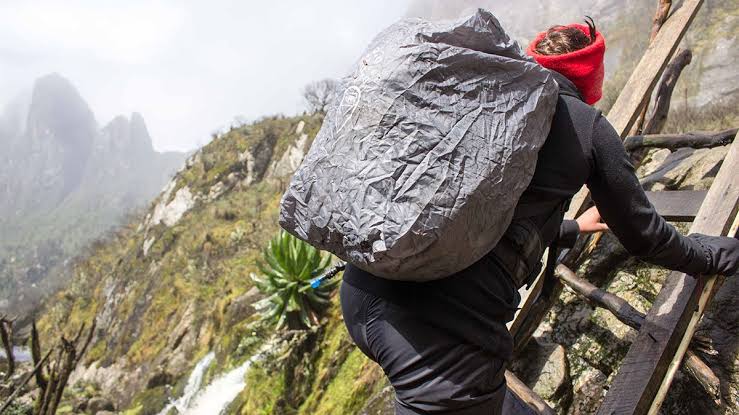
The length of the trek can vary depending on the location and movement of the gorilla family being visited. The experience involves walking through forested and mountainous terrain, so reasonable physical preparation is important.
Uganda Wildlife Authority similarly notes that gorilla trekking in Uganda can take between two and seven hours depending on circumstances, with visitors receiving a designated observation period with a habituated family.
A Rwanda gorilla trek therefore becomes the first major wildlife experience of the combined journey.
Crossing from Rwanda into Uganda
After experiencing Rwanda’s gorillas, the journey can continue south toward the Uganda border.
The most practical border crossing depends on the route and the Ugandan destination.
For travellers moving from the Volcanoes National Park area toward southern Bwindi, the Cyanika border crossing is particularly convenient. From the Rwanda side, the route passes through the Musanze area before crossing into Uganda near Kisoro.
This route is especially useful for travellers heading toward the southern Bwindi sectors such as Rushaga and Nkuringo. The Kigali-to-Bwindi corridor can also be planned through other border crossings depending on the trekking sector.
The border crossing itself becomes part of the adventure because the landscape changes noticeably as the journey moves from Rwanda into southwestern Uganda.
From Rwanda to Bwindi
Travelling from Volcanoes National Park to Bwindi creates an opportunity to experience mountain gorillas in two different environments.
Rwanda’s Volcanoes National Park is strongly associated with the Virunga volcanic landscape, while Bwindi is famous for its ancient, dense rainforest.
The two gorilla destinations are geographically close compared with many other African safari combinations, but the forests and landscapes feel remarkably different.
This makes a double-gorilla itinerary particularly interesting for travellers who want to compare the experience in both countries.
However, if the main objective is to combine Rwanda gorillas with Uganda wildlife, it is not necessary to trek gorillas in Uganda as well. After completing the Rwanda trek, travellers can cross into Uganda and continue directly toward Queen Elizabeth National Park.
That creates a more varied itinerary without repeating the same activity.
The Best Wildlife Addition: Queen Elizabeth National Park
For a traveller whose priority is Rwanda gorillas followed by Uganda wildlife, Queen Elizabeth National Park is one of the best additions.
The park is located in western Uganda and provides a completely different environment from the mountain forests of Rwanda.
Instead of trekking through steep forest looking for gorillas, travellers explore savannah and woodland landscapes in a safari vehicle.
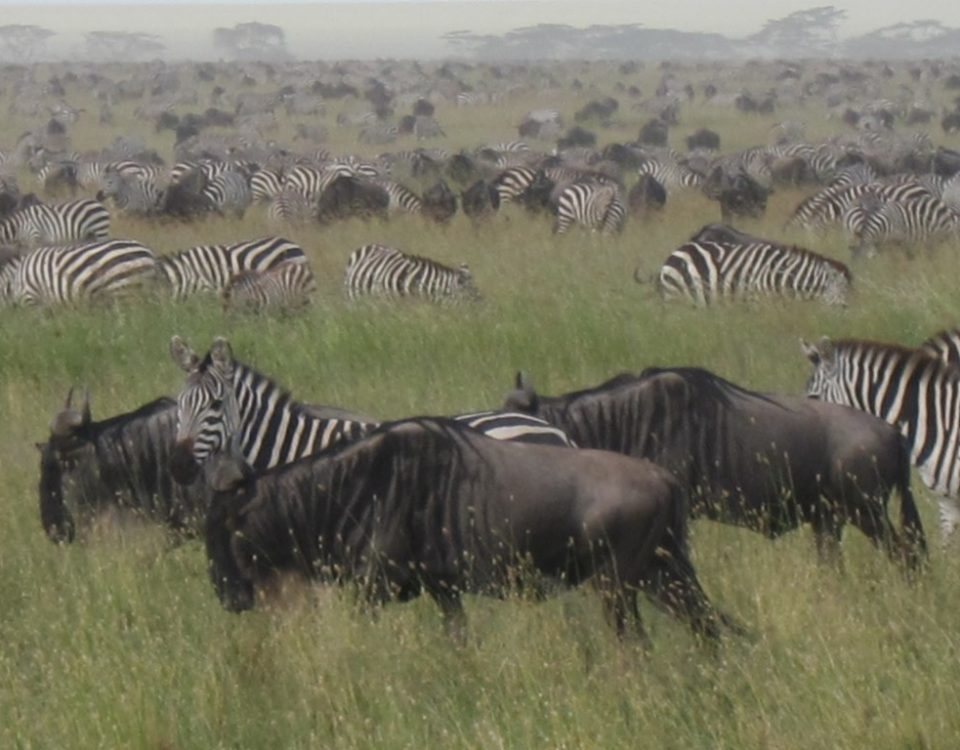
The park is home to elephants, buffaloes, lions, leopards, antelopes, hippos and numerous bird species. Its diverse habitats make it one of Uganda’s most popular wildlife destinations.
The contrast is what makes the route so effective.
One day you can be surrounded by misty mountain forests searching for gorillas, and shortly afterward you can be driving across open savannah watching elephants and other wildlife.
The Kazinga Channel Experience
One of the major highlights of Queen Elizabeth National Park is the Kazinga Channel.
The channel connects Lake Edward and Lake George and supports a remarkable concentration of wildlife.
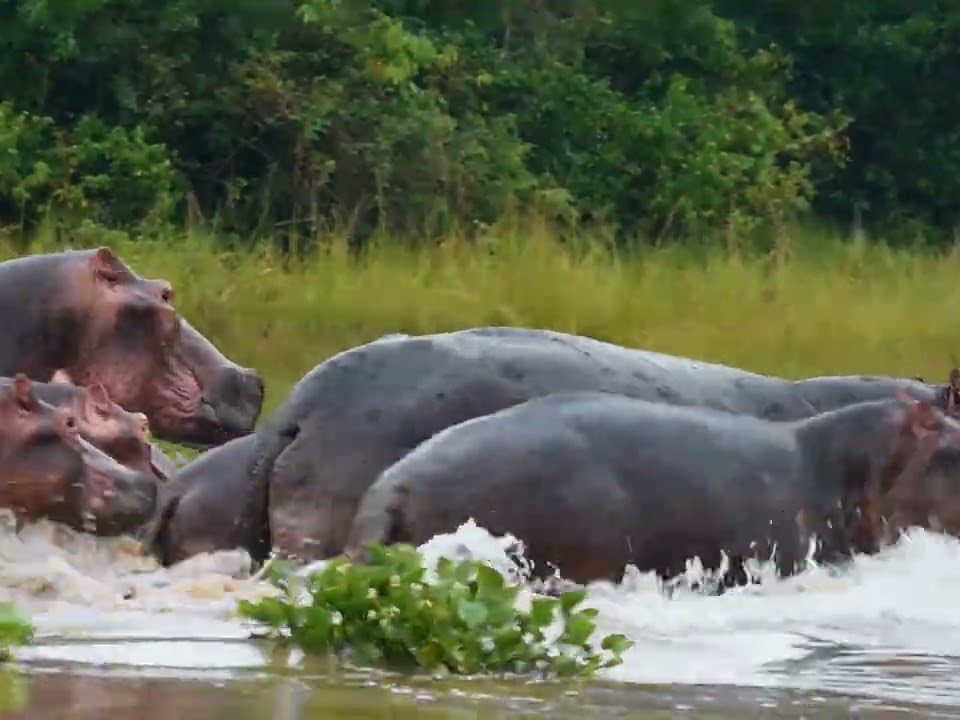
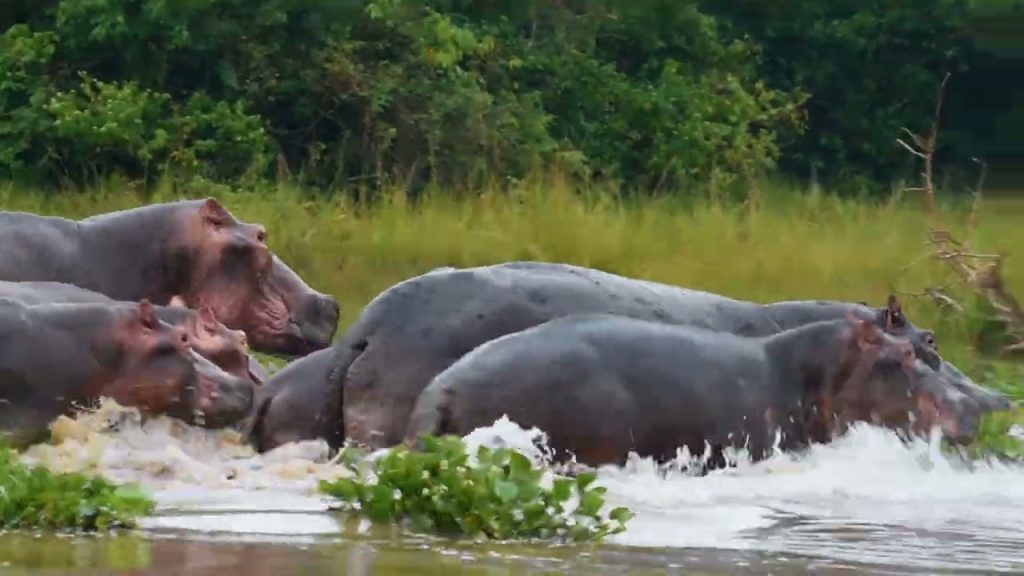
A boat cruise along the channel allows visitors to see hippos in the water, crocodiles along the banks, buffaloes close to the shoreline and elephants coming to drink.
Birdlife is also exceptionally rich.
The boat cruise provides a completely different perspective from a traditional game drive because visitors observe animals from the water.
For travellers coming from Rwanda’s mountain gorilla experience, the Kazinga Channel is a wonderful change of pace.
After the physical activity of gorilla trekking, sitting on a boat and slowly moving along the channel can be a relaxing way to experience Uganda’s wildlife.
The Ishasha Sector and Tree-Climbing Lions
Travellers who have enough time can include the Ishasha sector of Queen Elizabeth National Park.
Ishasha is particularly famous for its tree-climbing lions.
Seeing lions resting in the branches of large fig trees is one of the most unusual wildlife experiences in Uganda.
The area also provides opportunities to see elephants, buffaloes, antelopes and other wildlife.
The Ishasha route can be particularly useful for travellers moving between Bwindi and Queen Elizabeth because it can form part of the journey rather than requiring a separate excursion.
This makes the southern section of Queen Elizabeth an excellent addition to a gorilla and wildlife itinerary.
Adding Kibale Forest for Chimpanzees
If the traveller has additional time, the next major addition should be Kibale National Park.
Kibale is widely recognised for its chimpanzee population and is one of the best places in Uganda for chimpanzee trekking.
Adding Kibale transforms the trip from a gorilla-and-game safari into a broader primate experience.
The contrast between mountain gorillas and chimpanzees is particularly interesting because both are great apes, yet their behaviour, habitats and social structures are very different.
Kibale also contains a remarkable diversity of other primates.
A Rwanda gorilla trek followed by chimpanzee trekking in Uganda gives travellers an opportunity to experience two of Africa’s most fascinating great apes during the same holiday.
The Ideal 7-Day Route
For travellers with limited time, a seven-day itinerary can provide an excellent introduction to Rwanda and Uganda.
The journey can begin with arrival in Kigali and a transfer toward Volcanoes National Park. The following day can be dedicated to gorilla trekking in Rwanda.
After the trek, the journey continues across the border into Uganda. Depending on the chosen route, travellers can spend the night around Kisoro, Bwindi or another suitable location.
The following day can be used for travelling toward Queen Elizabeth National Park.
A full day in Queen Elizabeth can then provide a game drive and a Kazinga Channel boat cruise.
The final day can be used for the journey toward Kampala or Entebbe, depending on the departure arrangements.
This route is short, but it provides an impressive contrast between Rwanda’s gorillas and Uganda’s savannah wildlife.
The Ideal 8-Day Route
Adding one extra day creates a more comfortable journey.
The trip can begin in Kigali before continuing to Volcanoes National Park for the gorilla trek. After the trek, travellers cross into Uganda and continue toward Bwindi or southwestern Uganda.
The journey can then continue toward Queen Elizabeth National Park, where travellers spend time exploring the park.
A full day can be dedicated to game drives and the Kazinga Channel cruise before the journey continues toward Entebbe.
The additional day helps reduce the pressure of long road transfers and allows more time to enjoy the scenery.
The Ideal 10-Day Route
For many travellers, 10 days is an excellent length for combining Rwanda gorillas with Uganda wildlife.
The journey can begin in Kigali, followed by time in Volcanoes National Park for gorilla trekking.
After crossing into Uganda, travellers can spend time around Lake Bunyonyi or continue toward Queen Elizabeth National Park.
Queen Elizabeth can then provide a full wildlife experience with game drives, the Kazinga Channel cruise and, if the route allows, exploration of the Ishasha sector.
The journey can continue north toward Kibale Forest, where travellers can participate in chimpanzee trekking.
After Kibale, the safari can continue toward Entebbe for departure.
This itinerary provides a much more complete picture of Uganda than a short gorilla-and-wildlife trip.
The Ideal 12-Day Route
With 12 days, the journey can become more relaxed and immersive.
Travellers can spend additional time in Kigali, enjoy a full gorilla experience in Rwanda, cross into Uganda and explore the southwestern region before moving toward Queen Elizabeth.
The itinerary can then include Kibale Forest for chimpanzee trekking and a nature experience around the forest.
This amount of time also allows for additional cultural experiences and more relaxed accommodation rather than rushing between destinations.
The result is a balanced journey combining gorillas, chimpanzees, savannah wildlife, lakes, forests and local communities.
Should You Trek Gorillas in Both Countries?
This depends on the traveller.
If the main goal is to experience gorillas and then enjoy Uganda’s wildlife, one Rwanda gorilla trek is enough. The rest of the trip can focus on experiences that are different from gorilla trekking.
However, travellers who are passionate about mountain gorillas may choose to trek in both Rwanda and Uganda.
Doing so provides an interesting comparison between Volcanoes National Park and Bwindi.
The forests are different, the landscapes are different and the individual gorilla families are different.
A double-gorilla itinerary is therefore particularly attractive to wildlife enthusiasts, photographers and travellers who want a deeper understanding of mountain gorilla conservation.
Why Not Go Straight From Rwanda to Murchison Falls?
Murchison Falls National Park is an extraordinary destination, but it is much farther north.
Trying to combine Volcanoes National Park with Murchison Falls on a short trip can create long road transfers and leave less time for actual wildlife experiences.
For a journey of around seven to ten days, Queen Elizabeth National Park is generally a more logical wildlife addition after Rwanda because of its location in western Uganda.
Murchison Falls becomes more practical when the traveller has around 12 to 14 days or more.
A longer route can move through Kibale and continue north toward Murchison Falls, creating a much more comprehensive Uganda safari.
The 14-Day Grand Route
For travellers with two weeks, the itinerary can become much more ambitious.
The journey can begin in Kigali with time to explore the city before travelling to Volcanoes National Park for gorilla trekking.
After the Rwanda experience, travellers can cross into Uganda and continue toward Bwindi or directly toward Queen Elizabeth depending on whether they want a second gorilla trek.
The safari can then continue through Queen Elizabeth and Kibale before heading north toward Murchison Falls National Park.
Murchison Falls provides a completely different landscape, with the Nile flowing through the park and creating the dramatic waterfall for which the park is named.
Game drives and a boat cruise along the Nile can provide excellent opportunities to see elephants, giraffes, buffaloes, hippos, crocodiles and numerous antelope species.
This longer itinerary is ideal for travellers who want to experience Uganda beyond the southwestern region.
The Route for Travellers Who Want Rwanda Gorillas and Uganda Gorillas
If the priority is to experience gorillas in both countries, a different route works well.
Travellers can arrive in Kigali and travel north to Volcanoes National Park for the first gorilla trek.
After the trek, they can cross into Uganda through the Cyanika border and continue toward southern Bwindi.
A second gorilla trek can then take place in Bwindi.
After completing the Uganda gorilla experience, the journey can continue toward Queen Elizabeth National Park for game drives and the Kazinga Channel cruise.
This creates an itinerary combining two gorilla destinations with Uganda’s savannah wildlife.
The route is especially attractive for travellers who want to compare the two gorilla experiences while still having time for traditional safari activities.
Where Lake Bunyonyi Fits Into the Route
Lake Bunyonyi is an excellent stop between gorilla trekking and the rest of the Uganda safari.
The lake is surrounded by rolling hills and small islands, creating one of the most beautiful landscapes in southwestern Uganda.
It is particularly useful as a relaxation stop because gorilla trekking can be physically demanding.
Travellers can spend time enjoying the lake, taking a boat ride or simply relaxing at their accommodation before continuing toward Queen Elizabeth.
Including Lake Bunyonyi can make the itinerary feel less rushed and gives travellers time to appreciate southwestern Uganda rather than simply passing through it.
Why This Route Works So Well
The strength of the Rwanda-Uganda combination is the diversity of experiences.
Rwanda provides volcanic landscapes, gorillas and cultural experiences.
Uganda adds rainforest, savannah, chimpanzees, elephants, lions, hippos and boat safaris.
The traveller is constantly moving between different ecosystems.
The journey therefore feels like several different African adventures combined into one holiday.
This is particularly valuable for international visitors who have travelled a long distance to East Africa and want to experience as much as possible without adding unnecessary flights.
Best Time to Take the Journey
Gorilla trekking and wildlife safaris can be experienced throughout the year, but weather conditions can influence trekking and road travel.
The mountain forests receive rainfall throughout the year, and conditions can change quickly.
The drier periods are often preferred by travellers because trails may be easier to navigate, while the wetter periods can provide lush landscapes and can sometimes bring different advantages for wildlife viewing.
The most important factor is not simply choosing a particular month but planning the route carefully and allowing enough time between major activities.
This is especially important when crossing an international border and travelling through mountainous areas.
Planning the Border Crossing
A cross-border safari requires proper preparation.
Travellers need the appropriate travel documents and must comply with the entry requirements of both countries.
The exact border crossing should also be chosen according to the itinerary.
Cyanika is particularly useful for connecting the Musanze and Kisoro areas, while the Katuna-Gatuna crossing is useful for routes between Rwanda and the Kabale region.
The correct crossing can significantly reduce unnecessary driving.
A professional safari operator should therefore plan the border crossing together with the gorilla permit, accommodation and wildlife itinerary rather than treating it as a separate detail.
Choosing the Right Route for Your Interests
The best route depends on what you want to see.
If your main interest is gorillas and a small amount of wildlife, the Kigali–Volcanoes–Uganda–Queen Elizabeth route is ideal.
If you want gorillas and chimpanzees, adding Kibale makes the journey much more rewarding.
If you want gorillas, chimpanzees and traditional savannah wildlife, a 10- to 12-day itinerary is much better.
If you want a complete Uganda experience including Murchison Falls, more than 12 days is preferable.
For travellers who want two gorilla experiences, adding Bwindi after Rwanda creates a particularly memorable cross-border adventure.
Combining Rwanda gorillas with Uganda wildlife is one of the most rewarding ways to explore East Africa.
The journey begins with the misty volcanic mountains of Rwanda and the extraordinary experience of seeing mountain gorillas in Volcanoes National Park. From there, the road continues into Uganda, where the landscape changes and the safari becomes increasingly diverse.
Queen Elizabeth National Park provides the ideal transition from mountain forests to savannah. The Kazinga Channel introduces travellers to hippos, elephants, buffaloes and crocodiles, while the Ishasha sector can add the famous tree-climbing lions.
For travellers with more time, Kibale Forest adds chimpanzee trekking, while Murchison Falls can extend the journey into northern Uganda.
The most practical route for many travellers is therefore Kigali → Volcanoes National Park → southwestern Uganda → Queen Elizabeth National Park → Kibale Forest → Entebbe, with Bwindi and Lake Bunyonyi added according to the traveller’s interests and available time.
The result is not simply a Rwanda and Uganda holiday. It is a journey through some of East Africa’s most remarkable landscapes, bringing together mountain gorillas, chimpanzees, lions, elephants, hippos, buffaloes, tropical forests, volcanic mountains, savannah plains and spectacular waterways in one unforgettable adventure.