Is Uganda Safe for Tourists? An Honest 2026 Safety Guide
Is Uganda safe for tourists? For the vast majority of visitors, the honest answer is yes, provided you take the same sensible precautions you’d take in any unfamiliar country. Uganda welcomes hundreds of thousands of international travelers every year for gorilla trekking, wildlife safaris, and cultural tourism, and serious incidents involving tourists remain rare. That said, a genuinely useful safety guide doesn’t just offer blanket reassurance; it walks through where the real risks lie, how they compare to neighboring countries, and what you can do to keep them low.
The Short Answer: Yes, With Normal Precautions
Uganda’s tourism industry is built around highly organized, guided experiences. Gorilla trekking happens with armed park rangers, safaris run through licensed operators with experienced drivers, and most travelers spend their trip moving between lodges, parks, and cities with a driver-guide rather than navigating independently. This structure removes much of the risk that independent backpackers elsewhere might face. The parts of Uganda that see the most tourist traffic, Bwindi, Queen Elizabeth National Park, Murchison Falls, Kibale, and Kampala’s main tourist areas, are also the areas with the most established safety infrastructure and the least crime directed at visitors.
Crime and Personal Safety in Kampala and Entebbe
Like any capital city, Kampala has areas and situations where petty crime, particularly pickpocketing, bag-snatching, and opportunistic theft, is more common, especially in crowded markets, taxi parks, and nightlife districts after dark. Violent crime specifically targeting tourists is uncommon, but it isn’t unheard of, and the usual city-travel rules apply: keep valuables out of sight, use registered taxis or a hotel-arranged driver rather than hailing vehicles off the street at night, and avoid walking alone in unfamiliar neighborhoods after dark. Entebbe, home to the international airport and many lodges used as an overnight stop before or after a safari, is generally quieter and considered lower-risk than central Kampala. Most visitors who stick to recommended areas, travel with a driver, and stay alert in crowds pass through both cities without incident.
Safety on the Roads
Road travel is where most safety guides for East Africa, Uganda included, tend to focus their real concern, and for good reason. Uganda’s roads range from well-maintained highways to rough rural tracks, traffic discipline can be inconsistent, and boda-boda motorcycle taxis are a common sight weaving through traffic. The safest approach, and the one nearly every tour operator builds into standard itineraries, is to travel with an experienced local driver-guide rather than self-driving, particularly for longer transfers between parks. If you do plan to self-drive, stick to daylight hours, avoid rural roads after dark, and build extra time into your schedule, since road conditions can slow journeys down more than GPS estimates suggest.
Wildlife and Trekking Safety
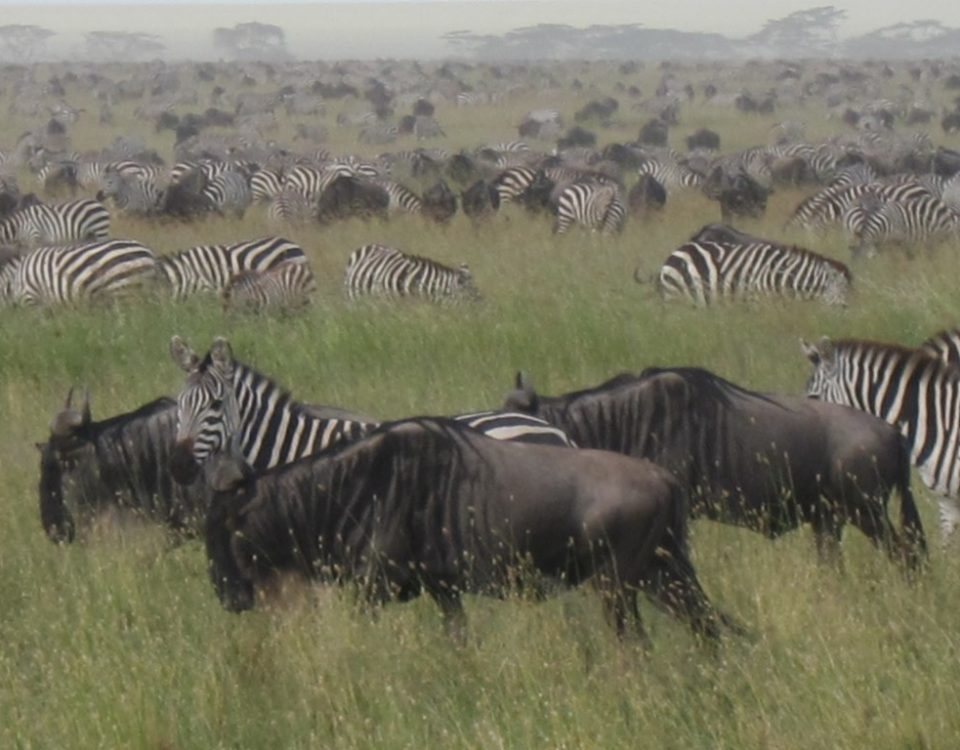
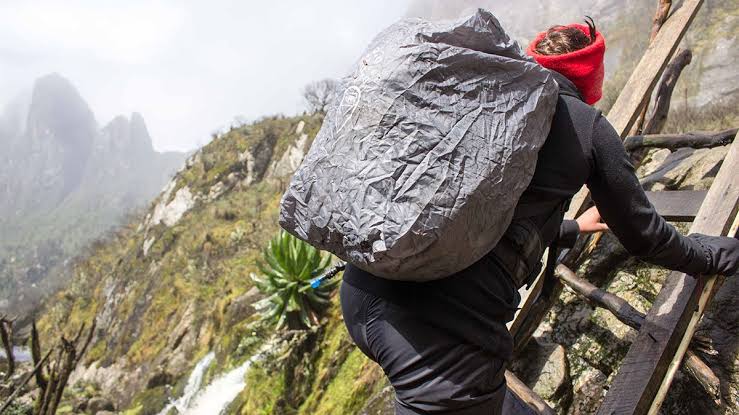
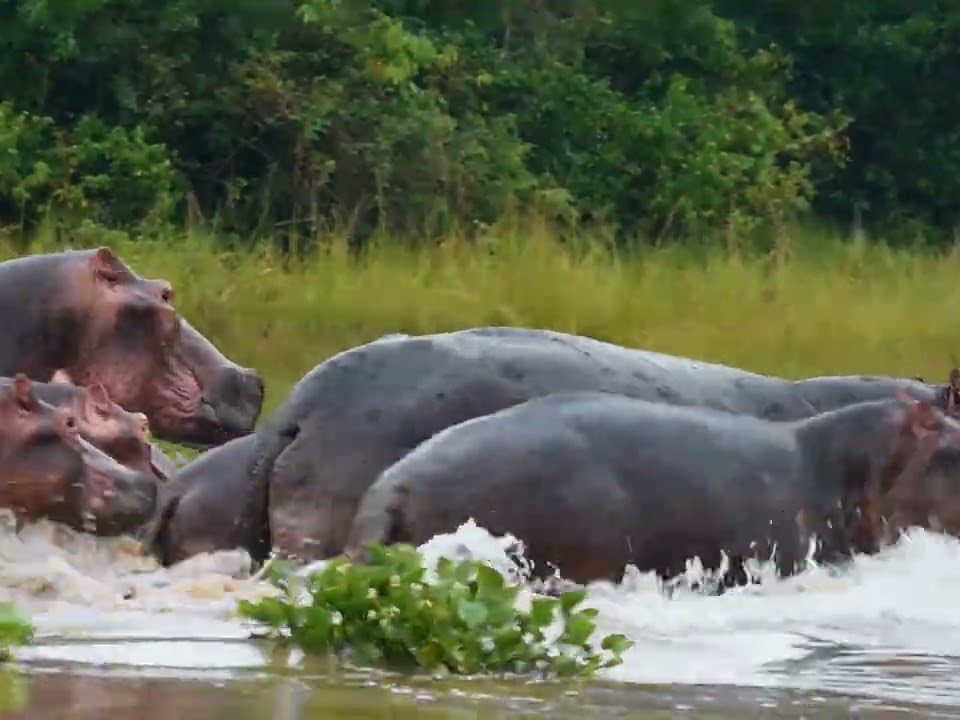
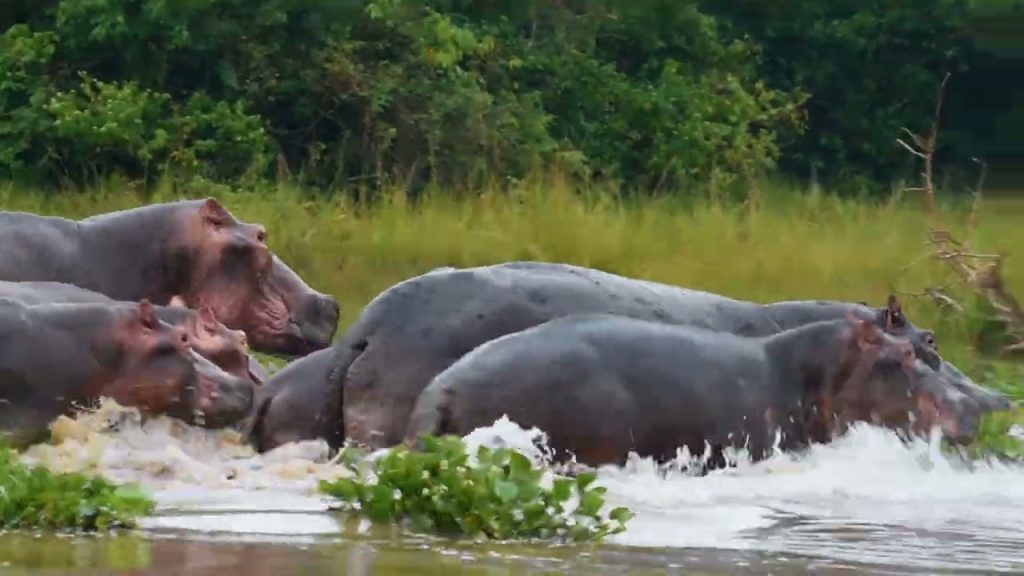
Gorilla trekking, chimpanzee tracking, and game drives all carry an inherent element of wildlife risk, but Uganda Wildlife Authority protocols are designed specifically to manage it. Trekking groups are capped in size, led by trained rangers, and briefed on how to behave if an animal approaches, and the same goes for game drives, where guides know how close is too close and keep a safe distance from elephants, buffalo, and big cats. Visitors who follow their guide’s instructions, keep noise levels down, and don’t attempt to approach wildlife on their own rarely encounter problems. Most wildlife-related incidents on safari, in Uganda or anywhere else, trace back to a visitor ignoring guide instructions rather than an unprovoked animal encounter.
Health Risks and Precautions
Malaria is present across most of Uganda, including popular safari areas, so antimalarial medication, insect repellent, and a mosquito net where lodges don’t already provide one are standard precautions worth taking seriously. Uganda also sits within the yellow fever belt, and travelers are generally expected to carry proof of vaccination. Tap water isn’t recommended for drinking in most areas; stick to bottled or treated water, which is standard practice and easy to arrange through your lodge or driver. Beyond that, the health risks of a Uganda trip are broadly similar to those of any tropical destination, manageable with routine preparation rather than a reason for serious concern.
Political Stability and Border Regions
Uganda’s main tourist circuit, the parks, lodges, and cities that the overwhelming majority of visitors experience, sits well away from the more sensitive border areas that occasionally see instability, particularly stretches of the border with the Democratic Republic of Congo. Travelers on a standard gorilla trekking or safari itinerary through Bwindi, Queen Elizabeth, Murchison Falls, or Kibale are nowhere near these areas. As with any international trip, checking your home country’s current travel advisory before departure, and letting your tour operator flag anything region-specific, is a sensible habit rather than a sign that a Uganda trip carries unusual risk.
Safety for Solo and Female Travelers
Uganda is a reasonably comfortable destination for solo travelers, including women traveling alone, particularly when trips are arranged through a reputable operator with a driver-guide handling transport and logistics. Uganda’s culture is generally conservative, and dressing modestly, especially outside of upscale hotel and lodge settings, helps travelers avoid unwanted attention. As in most destinations, the biggest safety gains for solo travelers come from practical habits: sharing your itinerary with someone at home, avoiding isolated areas after dark, and trusting a good driver-guide’s local knowledge over your own guesswork in an unfamiliar city.
Common-Sense Precautions That Make the Biggest Difference
A handful of habits do more to keep a Uganda trip safe than any single piece of advice on its own. Booking through an established, licensed tour operator puts experienced guides and vetted drivers between you and most of the risks a first-time visitor might otherwise face. Carrying photocopies of your passport and visa separately from the originals, keeping cash and cards split across different bags, and registering your trip with your embassy if one is available all add a layer of preparedness that costs nothing and rarely gets used, but matters when it does. Travel insurance that specifically covers medical evacuation is worth arranging before you fly, given how remote some of Uganda’s parks are relative to major hospitals.
Common Scams and How to Avoid Them
Most safety concerns tourists actually run into in Uganda are financial rather than physical, small scams and overcharging rather than anything dangerous. Currency confusion is the most common one: as a visitor, it’s easy to lose track of Uganda shilling amounts, which run into the thousands and tens of thousands for ordinary purchases, and vendors occasionally take advantage of that confusion when giving change. Counting change carefully, keeping smaller denominations on hand, and getting a rough sense of typical prices from your guide early in the trip closes off most of this risk. Unofficial money changers offering rates noticeably better than banks or hotels are worth avoiding entirely; legitimate bureaus de change and ATMs are widely available in Kampala and Entebbe and carry far less risk of counterfeit notes or short-changing. Freelance “guides” who approach tourists directly at markets, taxi parks, or outside hotels, offering tours or transport at a bargain price, are another pattern worth being cautious of, since arrangements made this way lack the accountability of a booked, licensed operator. Sticking with your pre-arranged driver-guide and booking any additional activities through your lodge or tour company rather than informally on the street avoids the vast majority of these situations.
What Travel Advisories Actually Say
Government travel advisories from the US, UK, Canada, and Australia generally rate Uganda at a level comparable to Kenya and Tanzania, advising standard precautions for most of the country while flagging specific caution for border areas near the Democratic Republic of Congo and South Sudan, regions that fall well outside any standard gorilla trekking or safari itinerary. These advisories are worth reading before you travel, not because they suggest Uganda is unusually risky, but because they’re updated in response to real, current events and offer a more reliable snapshot than any single blog post, this one included. Cross-referencing your home country’s official advisory against what your tour operator tells you is a sensible final check a few weeks before departure, particularly if your itinerary includes anything off the well-established tourist circuit.
How Uganda Compares to Its Neighbors
Travelers researching a wider East Africa trip often compare safety across countries, and Uganda holds up well in that comparison. Questions like whether Kenya’s safari camps are secure or whether Nairobi is safe for tourists get broadly similar answers to the ones here: the organized, guided parts of the tourism industry are well managed, while the biggest risks cluster around city crime and road travel rather than the parks themselves. Tanzania’s safari circuit follows a similar pattern, and if you’re weighing up a Tanzania safari’s health and safety precautions against Uganda’s, you’ll find the two countries recommend nearly identical preparation.
The Bottom Line
Uganda is safe for the overwhelming majority of tourists who book through a reputable operator, stick to established tourist routes, and apply the same common sense they’d use traveling anywhere unfamiliar. The country’s tourism infrastructure, built heavily around gorilla trekking and guided safaris, is specifically designed to manage the risks that do exist. If you’ve already sorted your Uganda visa requirements and you’re finalizing your itinerary, pairing that planning with the precautions in this guide, and reading through our Safari FAQs for anything trip-specific, is the most effective safety preparation you can do before you fly. Once you land, your biggest safety asset will be the same thing that makes the trip worthwhile in the first place: an experienced local guide who knows the roads, the parks, and the wildlife far better than any guidebook can.
Recommended Tours: 5 Days Uganda Wildlife and Gorilla Trekking Tour | 10 Days Ultimate Uganda Gorilla & Big Five Safari