Giraffe Species of East Africa: Rothschild’s, Maasai & Reticulated
Most safari-goers assume all giraffes look roughly the same, but the giraffe species of East Africa are genuinely distinct, differing in coat pattern, range, and even conservation status enough that spotting the right one in the right park adds a layer of interest beyond simply photographing a tall animal against the horizon. Uganda, Kenya, and Tanzania each host different populations, and knowing what distinguishes them turns an already impressive sighting into a more informed one.
How Many Giraffe Species Actually Exist
Taxonomists have long debated giraffe classification, and while giraffes were traditionally treated as a single species with several subspecies, more recent genetic research has led some researchers to argue for recognizing multiple distinct giraffe species entirely. For practical safari purposes, East African travelers will most commonly encounter three recognizable populations, Rothschild’s, Maasai, and reticulated giraffes, each with a distinct look and geographic range regardless of where the scientific classification debate ultimately settles.
Rothschild’s Giraffe: Uganda’s Signature Population
Rothschild’s giraffe, sometimes called the Baringo giraffe, is identifiable by its irregular, blotchy coat pattern with notably less definition around the lower legs, which appear almost white or cream-colored below the knee, as though the animal is wearing socks. This subspecies holds particular significance in Uganda, where Murchison Falls National Park protects one of the largest remaining populations, a genuine conservation success story given how critically endangered Rothschild’s giraffes became before dedicated protection efforts in Uganda and parts of Kenya helped numbers recover from a low point of only a few hundred individuals decades ago.
Maasai Giraffe: Tanzania and Southern Kenya’s Giraffe
The Maasai giraffe displays a more jagged, star-shaped, and irregular patch pattern extending all the way down the legs, without the pale lower-leg “socks” that distinguish Rothschild’s giraffes. This is the giraffe most visitors encounter across Tanzania’s Serengeti and Ngorongoro Conservation Area, as well as Kenya’s Maasai Mara and Amboseli, making it the giraffe most associated with the classic East African safari circuit that draws the majority of first-time visitors to the region. Maasai giraffes are also the largest of the recognized giraffe populations, with mature bulls reaching genuinely towering heights.
Reticulated Giraffe: Kenya’s Northern Specialty
Reticulated giraffes carry perhaps the most strikingly defined pattern of the three, large, polygonal liver-colored patches separated by crisp, narrow white lines, giving the coat an almost tiled or net-like appearance that gives the subspecies its name. This population is largely confined to northern and northeastern Kenya, including Samburu, Buffalo Springs, and Shaba National Reserves, making these parks the primary destination for travelers specifically hoping to see reticulated giraffes rather than the more widely distributed Maasai giraffe found further south.
Where to See Each Species on Safari
Travelers hoping to see all three populations on a single trip would need to combine Uganda’s Murchison Falls for Rothschild’s giraffes, Kenya’s Samburu region for reticulated giraffes, and either the Maasai Mara or Tanzania’s northern circuit for Maasai giraffes, a genuinely ambitious itinerary spanning all three countries. More realistically, most travelers encounter whichever species is native to the specific parks on their existing itinerary, and knowing which one to expect helps set accurate expectations before arrival.
Conservation Status and Why It Matters
Giraffe populations across Africa have declined significantly over recent decades, a trend sometimes called a “silent extinction” given how little public attention it receives compared to more widely publicized declines in elephant or rhino numbers. Rothschild’s giraffes in particular remain a conservation priority, and Uganda’s Murchison Falls population represents a genuine success story of habitat protection and, in some cases, active translocation programs that have helped rebuild numbers in protected areas. Supporting parks and operators engaged in giraffe conservation, through park fees and responsible tourism more broadly, contributes directly to these ongoing recovery efforts.
Giraffe Behavior Worth Knowing
Beyond identification, giraffes display genuinely interesting behavior worth watching for on safari, including their distinctive splayed-leg posture when drinking, a vulnerable position that makes water sources a rare moment when giraffes become more cautious of predators, and their surprisingly quiet social structure, communicating largely through subtle visual and postural signals rather than frequent vocalization. Necking, where males swing their heads and necks at each other in a slow-motion contest for dominance, is one of the more dramatic behaviors visitors occasionally witness, particularly during the dry season when competition for mates intensifies.
Photography Tips for Giraffe Sightings
Giraffes make for relatively cooperative photography subjects given their height and often relaxed demeanor around vehicles, though capturing their full length in frame, from feet to the top of the head, sometimes requires backing up further than expected or shooting at a slight angle. Golden hour light works particularly well against their patterned coats, and photographing giraffes silhouetted against a sunset sky has become something of a signature East African safari image for good reason.
A Fourth Population: The Nubian Giraffe
Beyond the three species most commonly encountered on East African safari circuits, the Nubian giraffe, closely related to Rothschild’s and sometimes classified alongside it, occupies parts of South Sudan and Ethiopia, though political instability and habitat loss have made this population considerably harder to observe than its more accessible relatives further south. Travelers with a specific interest in giraffe taxonomy sometimes treat this as a genuine rarity worth noting even if actually seeing one falls outside a typical East Africa itinerary given the areas it inhabits.
Giraffes and the Broader Ecosystem
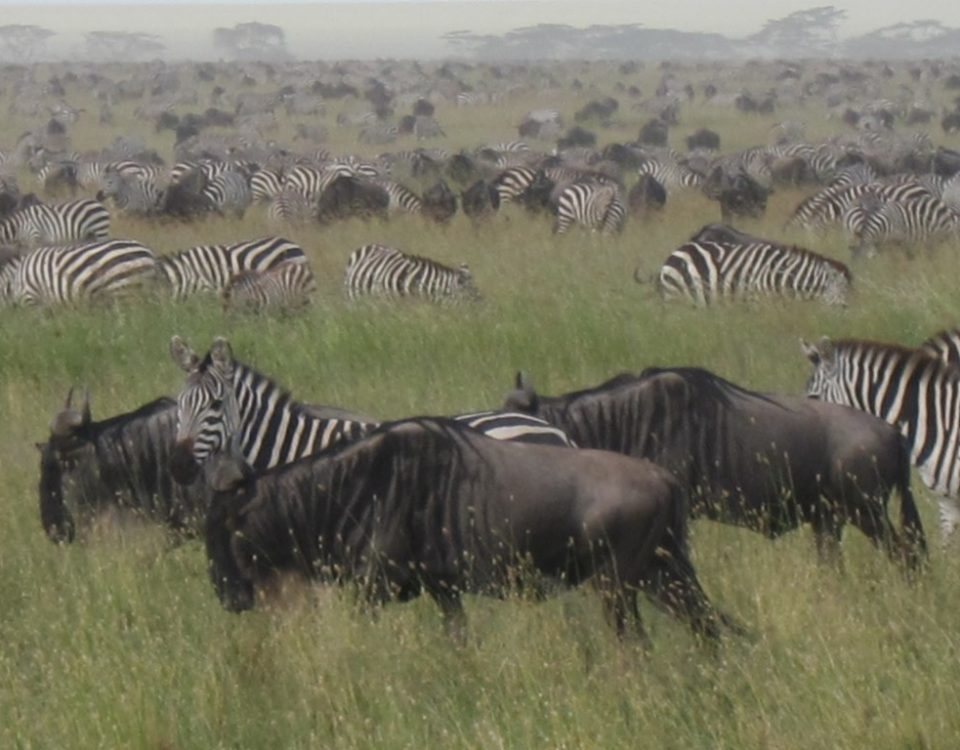
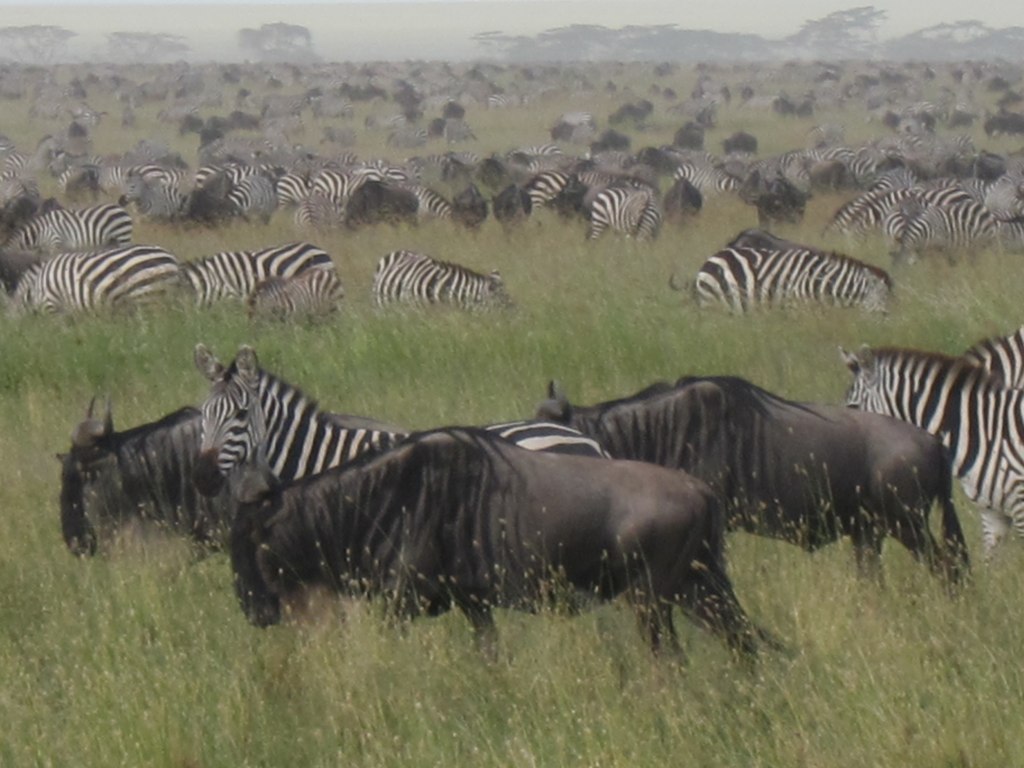
Giraffes play a distinctive ecological role as browsers rather than grazers, feeding primarily on acacia and other tree leaves well above the reach of most other herbivores, which reduces direct competition for food with grazing species like zebra and wildebeest sharing the same habitat. Their height also gives them an early-warning role within mixed herds, since their elevated vantage point often spots approaching predators before ground-level species do, and other animals have been observed taking cues from a giraffe’s sudden alertness or movement.
Common Giraffe Identification Mistakes
First-time safari-goers sometimes assume all giraffes look identical, missing the genuine differences in pattern that distinguish Rothschild’s, Maasai, and reticulated populations, or conversely assume pattern variation within a single population indicates different species, when individual giraffes within the same subspecies can still show meaningful pattern variation from one another. Asking your guide to point out the specific identifying features of whichever population you’re viewing, rather than assuming you already know, turns a routine sighting into a genuinely educational moment about the animal in front of you.
Giraffe Conservation Centers Worth Visiting
Beyond wild sightings, Kenya’s Giraffe Centre near Nairobi offers close, hands-on encounters with Rothschild’s giraffes as part of a dedicated conservation and breeding program, popular with families and travelers wanting a guaranteed close encounter before or after their main safari itinerary. This kind of facility, distinct from a purely wild sighting, plays a genuine role in broader conservation efforts and offers an accessible, education-focused alternative for travelers whose schedule or interests don’t otherwise align with dedicated wild giraffe viewing.
Building Giraffe Sightings Into Your Itinerary
Travelers on a Uganda safari centered on gorilla trekking should build in time at Murchison Falls specifically to see Rothschild’s giraffes, since this population isn’t found in Uganda’s other major parks. Those traveling further into Kenya’s classic circuit will naturally encounter Maasai giraffes in the Mara, with a detour north to Samburu the only way to add reticulated giraffes to the same trip, a worthwhile extension for travelers with a genuine interest in seeing all three of East Africa’s distinct giraffe populations firsthand.
Recommended Tours: 10 Days Ultimate Uganda Gorilla & Big Five Safari | 12-Day Uganda Gorilla Tours and Kenya Great Migration Safaris