Camping Safaris in Uganda: Best Sites and What to Pack
A Uganda camping safari offers genuine value for travelers willing to trade some comfort for a lower price and a closer connection to the landscape, sleeping under canvas within earshot of hippos grunting or birds calling through the night. Uganda’s national parks maintain a range of campsites, from basic public sites to more comfortable semi-permanent tented camps, giving budget-conscious travelers a genuine way to experience the same parks and wildlife as lodge-based visitors at a fraction of the cost.
Why Choose Camping Over a Lodge
Camping in Uganda’s parks costs considerably less than even budget lodge accommodation, making it a genuinely practical choice for backpackers, students, and travelers stretching a longer trip across a tighter budget. Beyond cost, many campers describe a stronger sense of connection to the surrounding wilderness than a lodge stay provides, hearing the sounds of the night rather than experiencing them through a window, and waking to birdsong and the actual temperature of the morning air rather than a climate-controlled room, a difference that genuinely changes how a safari morning feels.
Camping Near Bwindi Impenetrable Forest
Several campsites operate near Bwindi’s various trekking sectors, offering budget travelers a way to be close to gorilla trekking trailheads without the cost of the area’s numerous lodges. Community-run camping options in particular offer both affordability and a direct connection to local income, since many are run by or in partnership with surrounding communities rather than larger commercial operators. Given Bwindi’s cooler, higher-altitude climate, camping here demands warmer gear than lower-lying parks, since nighttime temperatures drop noticeably even close to the equator.
Camping in Queen Elizabeth National Park
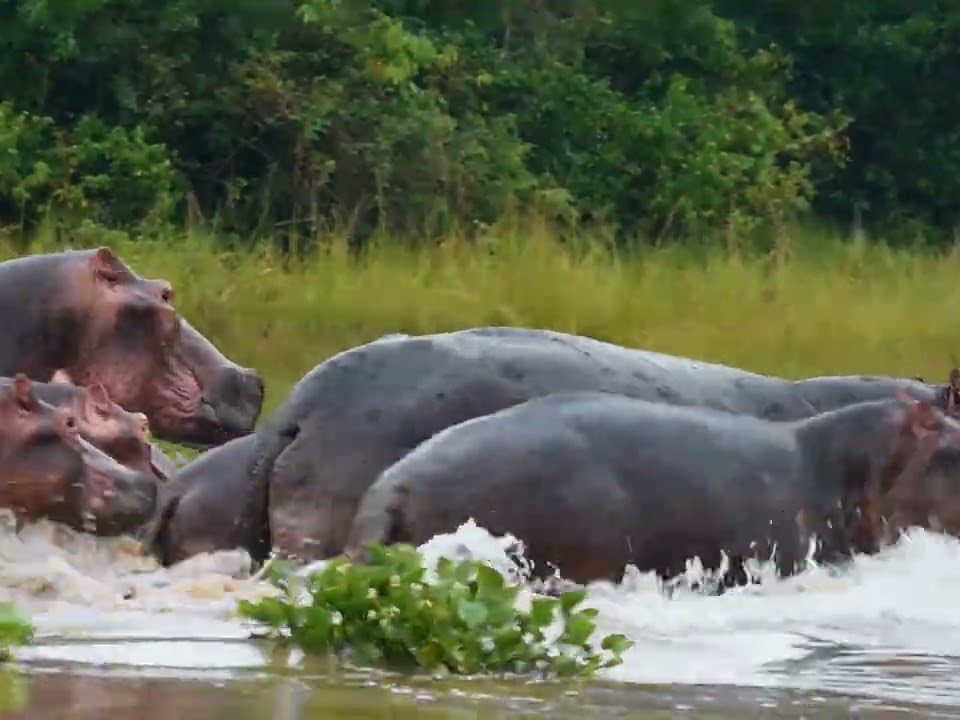
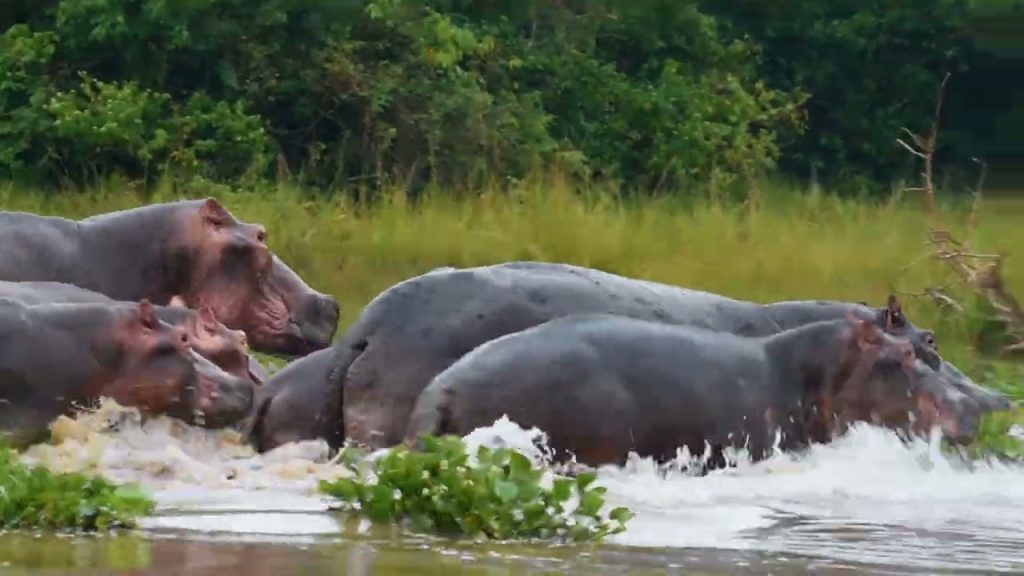
Queen Elizabeth offers several designated camping areas, some directly overlooking the Kazinga Channel where hippo grunts and birdcalls provide a genuinely immersive soundtrack to an evening at camp. The park’s warmer, lower-elevation climate makes camping here more comfortable temperature-wise than Bwindi, though standard wildlife-area camping precautions, securing food properly and staying alert around camp after dark, apply given the park’s substantial hippo and buffalo populations that sometimes wander through camping areas at night.
Camping in Murchison Falls National Park
Murchison Falls, Uganda’s largest park, offers camping options along the Nile’s banks, delivering dramatic river views and easy access to boat safaris and game drives without the cost of the park’s lodges. Some sites here operate on a more basic, self-catering model, while others provide additional services like pre-arranged meals, and choosing between them depends largely on how much independence versus support you want from your camping experience.
What to Pack for a Uganda Camping Safari
A sturdy, properly waterproof tent, rated for genuine rain rather than light showers, matters more in Uganda than in many camping destinations, given the country’s consistent chance of rain regardless of season. A warm sleeping bag, even for lower-elevation parks, accounts for the temperature drop after dark, and a sleeping mat adds meaningful comfort over sleeping directly on the ground. Headlamps prove more useful than handheld flashlights for hands-free camp tasks after dark, and a reliable insect repellent is essential given Uganda’s malaria risk and general insect activity around water sources.
Food and Cooking While Camping
Some campsites offer meal service or a shared cooking area, while others expect visitors to be fully self-sufficient with their own camping stove, cookware, and food supplies, so confirming exactly what’s included before arrival avoids an unpleasant surprise at dinner time. Travelers planning to cook independently should stock up on supplies in Kampala or a larger town before heading to more remote park areas, since small local shops near the parks themselves often have limited selection.
Safety Considerations While Camping
Camping within or near wildlife areas requires genuine awareness that campsites aren’t fully separated from the animals the parks exist to protect, and following basic safety practices, storing food securely, never leaving tent doors open unattended, and staying alert when walking around camp after dark, matters considerably more here than at a conventional campground. Most established campsites provide guidance on specific local precautions, and following staff instructions rather than assuming general camping knowledge covers every situation is the safer approach.
Booking a Camping Safari
Many tour operators offer fully organized camping safaris, providing tents, camping equipment, meals, and a support vehicle, which removes most of the self-sufficiency burden while still delivering the cost savings and immersive experience camping provides over lodge-based travel. This organized approach suits most first-time campers in Uganda better than arranging every element independently, particularly for travelers without their own camping gear who would otherwise need to source or rent everything locally.
Camping at Lake Bunyonyi and Lake Mburo
Beyond the major national parks, Lake Bunyonyi and Lake Mburo National Park both offer genuinely appealing camping options, the former for its scenic hillside and lakeside settings, the latter as one of the few Ugandan parks where walking safaris are permitted, adding a distinctive on-foot dimension to a camping stay there. Both destinations sit within reasonable reach of the broader southwestern Uganda circuit, making them easy additions to a camping-focused itinerary built around gorilla trekking in Bwindi or Mgahinga.
Choosing Between Public and Private Campsites
Uganda Wildlife Authority operates public campsites within most major parks at lower cost but with more basic facilities, while a growing number of private operators run more comfortable semi-permanent tented camps offering proper beds, en-suite facilities, and sometimes meal service, all while retaining the canvas-walled camping atmosphere. Budget-focused travelers should default to public sites, while those wanting camping’s atmosphere without sacrificing quite as much comfort should look specifically for these private tented camp alternatives.
Best Time of Year for Camping
Dry season months offer considerably more comfortable camping conditions across all of Uganda’s parks, since a tent provides much less protection against sustained heavy rain than solid lodge construction, and muddy campsite ground can turn an otherwise pleasant stay genuinely uncomfortable. Travelers set on camping during the wetter months should invest in genuinely high-quality waterproof gear and manage expectations accordingly, since even the best tent setup will feel the effects of Uganda’s heavier rains more than a lodge room would.
Combining Camping With Your Wider Itinerary
Camping works well as either a full-trip strategy for budget-focused travelers or as a partial approach, camping at some parks while opting for lodges at others, particularly around a physically demanding gorilla trekking day when a comfortable bed afterward might matter more. Working this mixed strategy into your broader Uganda safari budget gives genuinely flexible control over where to spend and where to save across the length of your trip, without sacrificing the quality of the actual wildlife experience the whole journey is built around.
Recommended Tours: 5 Days Uganda Wildlife and Gorilla Trekking Tour | 4 Days Uganda Gorilla and Chimpanzee Tour