Meet the Titus Gorilla Family of Volcanoes National Park
The Titus gorilla family carries the name of one of the most extensively studied and celebrated silverbacks in mountain gorilla research history, an individual whose life was documented across decades by researchers following in the tradition established by Dian Fossey at the original Karisoke Research Center. Titus rose to lead his family through a peaceful, gradual succession rather than the more common violent takeover seen elsewhere in gorilla society, and his remarkable, thoroughly documented life story continues to shape how this family is understood and appreciated by trekkers, researchers, and conservationists alike today. This guide covers the legacy behind the Titus name and what a trek to see this historically significant family genuinely involves.
The Real Story Behind the Titus Name
Titus was born into a Volcanoes National Park family during the early years of organized gorilla research in the region, and researchers tracked his life from infancy through to his eventual rise as a dominant silverback and, later, his death from natural causes after a long, well-documented life. Few gorillas anywhere have had their individual life story followed so completely, from childhood through leadership to natural death, making Titus something of a landmark figure in the broader field of primate research.
A Rare Case of Peaceful Succession
Unlike many silverback leadership transitions, which typically involve direct physical confrontation between a challenger and the incumbent leader, Titus’s eventual rise to lead his own family followed a notably gradual and less violent path, a pattern researchers found genuinely significant in understanding the full range of ways gorilla leadership can change hands. This aspect of his story remains frequently referenced in academic literature about mountain gorilla social behavior, adding real scientific weight to what might otherwise be simply an interesting individual biography.
What Titus’s Legacy Means for the Family Today
The family carrying Titus’s name today continues under new leadership following his natural death, but the group’s history and its deep connection to some of the earliest and most important gorilla research ever conducted remains a defining part of its identity. Rangers and guides familiar with Titus’s story often share details of his remarkable life with trekkers assigned to visit this family, adding a genuinely rich historical dimension to the encounter beyond simply observing the current group.
Where the Titus Family’s Territory Sits
The Titus family’s range lies within Volcanoes National Park’s broader trekking zone, and as with every family, its exact position on a given day depends on recent foraging patterns and food availability across the group’s territory. Trackers head out at first light to confirm the family’s current location, allowing your assigned ranger to plan the most efficient route once the group’s position is confirmed by radio.
What a Trek to See the Titus Family Involves
Like every Rwanda gorilla trek, visiting the Titus family begins with the standard early morning briefing at Volcanoes National Park headquarters in Kinigi, where trekkers are assigned to specific families based on fitness level and current tracking reports. Given the family’s historical significance, a Titus family trek is frequently requested by visitors with a specific interest in gorilla research history.
Trekking Difficulty and What to Pack
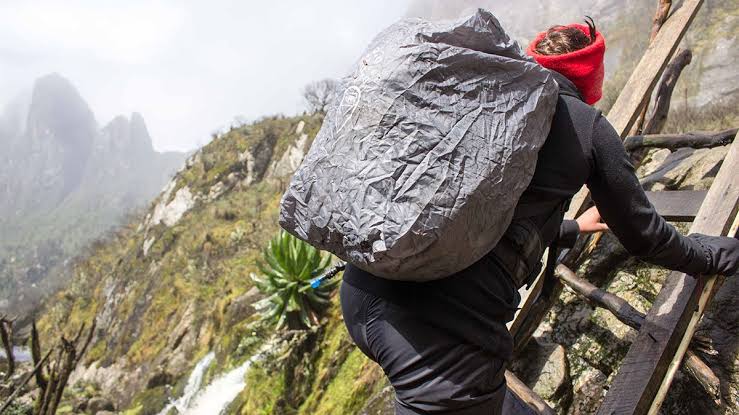
Trekking difficulty for the Titus family varies depending on the group’s current position on any given day, and proper waterproof hiking boots, trekking poles, and rain-ready layered clothing remain essential regardless of specific family assignment. Porters are available to hire at the trailhead and are worth the modest cost both for practical trail support and as direct income for the local community.
Best Time to Trek to the Titus Family
Rwanda’s two dry seasons, roughly June through September and December through February, offer the firmest trail conditions across the park, including the Titus family’s territory, though trekking during the wetter months remains genuinely viable for travelers with flexible dates and appropriate rain gear.
The Titus Family’s Place Among Rwanda’s Gorilla Groups
Volcanoes National Park is home to numerous habituated families beyond the Titus group, including the research-famous Susa family and the wisdom-named Bwenge family. The Titus family’s specific connection to one of gorilla research’s most celebrated individual life stories gives it a genuinely unique place among the park’s roster of habituated groups.
Conservation and What Your Permit Supports
Every gorilla trekking permit fee, regardless of which family you’re assigned to, funds a substantial share of Rwanda’s ongoing conservation work, from anti-poaching patrols to veterinary care and community development programs in villages surrounding the park. Titus’s long, thoroughly documented natural life stands as a genuine conservation success story in its own right, a demonstration of what sustained protection and research investment can achieve for a single individual gorilla over decades.
Photography and Etiquette During a Titus Family Encounter
Flash photography is strictly prohibited throughout every gorilla encounter in Rwanda, and this rule applies with equal seriousness to the Titus family as to every other group in the park, regardless of the family’s historical significance. Staying quiet, moving deliberately, and following your ranger’s instructions immediately if repositioning becomes necessary all remain standard practice, and most trekkers find that understanding the family’s remarkable backstory only deepens their sense of respect for these etiquette rules during the actual encounter.
Common Questions About Trekking the Titus Family
Trekkers frequently ask whether Titus himself is still alive and part of the family, and the honest answer is no, Titus lived a long life and passed away from natural causes some years ago, with leadership of his family passing on afterward as is natural in gorilla society. Visitors also ask why his story remains so significant if he’s no longer alive, and the answer lies in just how completely his life was documented, offering researchers and conservationists an unusually full picture of a single gorilla’s development from infancy to old age.
Titus’s Place in the Broader History of Gorilla Research
Titus’s life unfolded during a genuinely pivotal period for mountain gorilla conservation, as researchers who continued Dian Fossey’s work built out the systematic, individual-based tracking methods that remain standard practice across Rwanda’s gorilla monitoring program today. His story is often cited alongside the very earliest habituated families as an example of how consistent, long-term research investment can transform scientific understanding of a species that was, at the time his life began, still poorly understood by the wider world.
Why Titus’s Documented Life Matters So Much
Most wild gorillas, even within intensively studied populations, are documented incompletely, appearing in research records for portions of their lives rather than a truly continuous account from birth to death. Titus stands out precisely because his life was tracked so thoroughly across such a long span, providing researchers with genuinely rare longitudinal data on gorilla aging, leadership development, and natural mortality that continues to inform conservation science today, decades after his death.
Combining a Titus Family Trek With the Rest of Rwanda
Most visitors trekking to see the Titus family base themselves in Kinigi or nearby Musanze, and many extend their stay with a visit to the Dian Fossey grave site at the former Karisoke Research Center, a genuinely fitting complement to a trek honoring one of that research tradition’s most celebrated subjects, before continuing on toward Kigali to close out the trip.
What Researchers Learned From Following One Gorilla for Decades
Titus’s long documented life gave researchers a genuinely rare opportunity to observe how a single gorilla’s temperament, social standing, and physical condition evolved across every major life stage, from a vulnerable infant dependent on maternal care to an experienced, respected silverback managing his own family. This kind of individual-level, multi-decade data is exceptionally difficult to gather for any wild animal, let alone a species as elusive and slow-reproducing as the mountain gorilla, which is part of why Titus’s case remains so frequently cited in academic and conservation literature discussing the species today.
How Titus’s Story Is Shared With Trekkers Today
Guides leading treks to see the Titus family often weave details of his life story into the day’s briefing and the walk itself, giving visitors a sense of historical continuity that purely visual wildlife encounters sometimes lack. Travelers with a genuine interest in gorilla research history frequently describe this storytelling element as one of the most memorable parts of their Titus family trek, adding real depth to an experience that already ranks among the most significant wildlife encounters available anywhere in the world.
Why Titus’s Peaceful Succession Still Fascinates Researchers
Given how rare gradual, non-violent leadership transitions remain within documented gorilla social history, Titus’s specific path to dominance continues offering researchers a genuinely valuable counterpoint whenever comparing succession patterns across different families and populations.
How Visiting This Family Connects Travelers to a Broader Research Legacy
A trek to see the Titus family links visitors directly to the same research tradition that shaped modern gorilla conservation science, offering a tangible sense of continuity between the earliest habituation pioneers and the trekking experience available today.
Planning Your Visit to the Titus Family
Because final family assignments rest with park authorities on the morning of the trek, working with an experienced operator who understands Rwanda’s permit system gives you the best realistic chance of an assignment suited to your interests, whether that’s the historically significant Titus family or one of the park’s other remarkable groups.
Recommended Tours: 7 Days Classic Rwanda Safari | 10 Days Ultimate Uganda Gorilla & Big Five Safari