The Rushegura Gorilla Family of Bwindi: A Trekker’s Profile
The Rushegura gorilla family formed when a group of individuals broke away from the larger Habinyanja family within Bwindi Impenetrable National Park’s Buhoma sector, establishing independent territory that, notably, sits close enough to the sector’s lodge cluster that the family has occasionally wandered directly into the grounds of nearby properties. This proximity to Buhoma’s tourism infrastructure has given Rushegura something of a distinctive reputation among repeat visitors and lodge staff alike, one that adds a genuinely memorable layer of unpredictability to an already remarkable part of Uganda. This guide covers Rushegura’s origin, its unusually close relationship with Buhoma’s lodges, where its territory sits, and what a trek to see this family genuinely involves from briefing to encounter.
How Rushegura Came to Exist
Like most new gorilla families, Rushegura’s formation followed the well-documented pattern of a subset of members breaking away from a larger, established group, in this case Habinyanja, once competition for resources and breeding access made independent territory the more sustainable path forward. This kind of split is a natural, regularly observed part of gorilla social life and reflects the broader, healthy growth of Bwindi’s gorilla population over recent decades.
A Family Known for Wandering Near Lodges
What sets Rushegura apart from many neighboring families is its territory’s proximity to Buhoma’s cluster of lodges, close enough that the family has, on occasion, wandered directly through lodge grounds, offering guests staying nearby an unexpected and genuinely memorable wildlife encounter well beyond the standard trekking experience. While this shouldn’t be relied upon as a guaranteed occurrence, it’s a widely known aspect of Rushegura’s reputation among Buhoma’s lodge staff and repeat visitors.
Where Rushegura’s Territory Sits
Rushegura’s range lies within the Buhoma sector’s trekking zone, positioned near enough to the main lodge area that trek distances to reach this family are sometimes shorter than for some neighboring groups, though as with every family, its exact position on a given day depends on recent foraging patterns. Trackers head out at first light to confirm the family’s overnight location, allowing your assigned ranger to plan the most efficient route once the group’s position is confirmed by radio.
What a Trek to See Rushegura Involves
Like every Bwindi trek, visiting Rushegura begins with the standard early morning briefing at the Buhoma ranger station, where trekkers are assigned to specific families based on fitness level and current tracking reports. Given the family’s relatively central location near park infrastructure, Rushegura treks are sometimes among the more moderate options available in Buhoma on any given day.
Trekking Difficulty and What to Pack
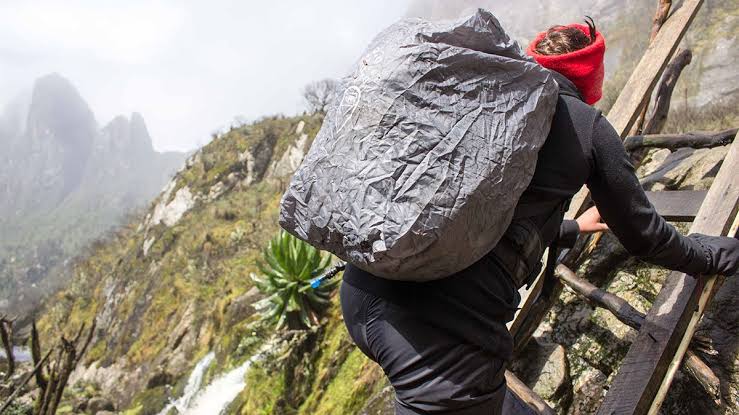
Rushegura’s trekking difficulty is generally consistent with Buhoma’s broader reputation for relatively moderate terrain, and given the family’s proximity to the lodge area, treks here can occasionally be shorter than average, though proper waterproof hiking boots, trekking poles, and rain-ready layered clothing remain essential regardless. Porters are available to hire at the trailhead and are worth the modest cost both for practical trail support and as direct income for the local community.
Best Time to Trek to the Rushegura Family
Uganda’s two dry seasons, roughly June through September and December through February, offer the firmest trail conditions across Bwindi, including Rushegura’s territory, though trekking during the wetter months remains genuinely viable for travelers with flexible dates and appropriate rain gear.
Rushegura’s Place Among Bwindi’s Gorilla Families
Buhoma is home to several habituated gorilla families beyond Rushegura, including its parent group Habinyanja and the historically foundational Mubare family. Rushegura’s specific reputation for wandering close to lodge grounds gives it a genuinely distinctive place among Bwindi’s roster of families, one that repeat Buhoma visitors often mention with particular fondness.
Conservation and What Your Permit Supports
Every gorilla trekking permit fee, regardless of which family you’re assigned to, funds a substantial share of Uganda’s ongoing conservation work, from anti-poaching patrols to veterinary care and community development programs in villages surrounding Bwindi. Rushegura’s tendency to range near human infrastructure also underscores why ranger monitoring and community education around respectful gorilla encounters matter so much, protecting both the animals and the people living and working alongside their territory.
Common Questions About Trekking the Rushegura Family
Trekkers frequently ask whether staying at a Buhoma lodge guarantees a chance encounter with Rushegura outside of a formal trek, and the honest answer is no, while the family’s wandering habit is well documented, it remains an unpredictable, occasional occurrence rather than something visitors should plan around. Visitors also ask whether an unplanned lodge encounter with gorillas follows the same viewing etiquette as a formal trek, and yes, maintaining appropriate distance and quiet behavior matters just as much in that spontaneous situation as during a scheduled trekking encounter.
What a Rushegura Sighting Near a Lodge Actually Looks Like
When Rushegura does wander close to Buhoma’s lodge grounds, the encounter typically unfolds much like a natural forest sighting, the family moving through at their own unhurried pace, feeding on nearby vegetation, and generally showing little concern for the surrounding human structures. Lodge staff trained to respond to these situations generally ask guests to remain calm, keep a respectful distance, and avoid any sudden movement or noise, treating the moment with the same seriousness as a formally arranged trekking encounter even though it arrived entirely unannounced.
Why Rushegura’s Proximity to Lodges Matters for Conservation
A family ranging close to human infrastructure, as Rushegura does, requires particularly careful ranger monitoring to ensure both the gorillas’ safety and appropriate behavior from any staff or guests who might encounter them unexpectedly. This dynamic has made Rushegura something of a case study in balancing tourism infrastructure development with genuine wildlife protection, a balance Uganda Wildlife Authority continues to manage carefully as Buhoma’s lodge scene has grown alongside the park’s gorilla population.
Combining a Rushegura Trek With the Rest of Uganda
Most visitors trekking to see Rushegura base themselves in Buhoma for at least one night before and after the trek, and many combine the visit with a broader Uganda itinerary, reading the full guide to choosing a Bwindi trekking sector before finalizing plans, or extending onward to Queen Elizabeth National Park for a fuller wildlife safari.
Stories From Buhoma’s Lodge Staff
Staff at several Buhoma properties have their own well-worn stories of Rushegura sightings over the years, from a silverback calmly grazing near a lodge garden to juveniles briefly investigating outdoor seating areas before the family moved on into the surrounding forest. These encounters, while never something a lodge can promise, have become part of Buhoma’s local folklore, and many long-tenured staff genuinely enjoy sharing their own favorite Rushegura story with curious guests during a stay.
What Makes Rushegura Different to Observe on a Formal Trek
Despite its reputation for occasionally wandering near human settlement, Rushegura behaves during a formal trekking encounter exactly as any other well-habituated Bwindi family would, calm, predictable, and fully accustomed to the standard viewing protocols rangers maintain throughout every visit. Trekkers shouldn’t expect the family’s lodge-adjacent habits to translate into a markedly different formal encounter, though many do find it genuinely interesting to trek a family whose territory overlaps so directly with the human infrastructure supporting Bwindi’s broader tourism economy.
Photography and Etiquette During a Rushegura Encounter
Flash photography is strictly prohibited throughout every gorilla encounter in Uganda, and this rule applies with equal seriousness to Rushegura as to every other family in Bwindi, whether you’re meeting them on a formal trek or via a rare, unplanned lodge sighting. Staying quiet, moving deliberately, and following your ranger’s or lodge staff’s instructions immediately if the family appears nearby all remain standard practice, ensuring every encounter, planned or spontaneous, stays calm and respectful.
How Rushegura Compares to Its Parent Family Habinyanja
While both families share common ancestry, years of independent existence near Buhoma’s lodge infrastructure have shaped Rushegura’s territorial habits in a way distinct from Habinyanja’s own range further from human settlement. Trekkers curious about this contrast sometimes plan return visits specifically to compare both families across separate trips, appreciating how two genuinely related groups have developed such different day-to-day relationships with the surrounding human presence.
Why This Family Genuinely Delights Repeat Buhoma Guests
Travelers returning to the same Buhoma lodge on multiple trips sometimes specifically hope for another Rushegura sighting, treating the family’s unpredictable wandering habit as a genuinely cherished, ongoing part of their relationship with this particular corner of Uganda.
How Lodge Design Has Adapted to Rushegura’s Presence
Some Buhoma properties have subtly adjusted their landscaping and guest guidance specifically in light of Rushegura’s known wandering habits, reflecting a genuinely thoughtful accommodation between hospitality design and the reality of sharing space with a wild, occasionally curious gorilla family.
Planning Your Visit to the Rushegura Family
Because final family assignments rest with park authorities on the morning of the trek, working with an experienced operator who understands Uganda’s permit system gives you the best realistic chance of an assignment suited to your interests, whether that’s Rushegura or one of Buhoma’s other groups.
Recommended Tours: 3 Days Bwindi Gorilla Trekking Safari | 10 Days Ultimate Uganda Gorilla & Big Five Safari