Chimpanzee Habituation in Kibale: A Researcher-for-a-Day Guide
Chimpanzee habituation in Kibale offers travelers the rare opportunity to spend an extended day alongside a chimpanzee community still in the process of becoming accustomed to human presence, working directly alongside the researchers and field assistants conducting that ongoing habituation work. Often called a researcher-for-a-day experience, this activity trades the standard one-hour chimpanzee tracking format for genuine, extended access spanning several hours. This guide covers what the experience involves and how it differs from standard tracking.
What Makes This Experience Different From Standard Tracking
Standard chimpanzee tracking in Kibale follows a fully habituated community with a strict one-hour viewing limit once the group is located, while the habituation experience extends this considerably, offering participants several hours alongside a community still being accustomed to human observers, complete with direct interaction with the research team conducting that work.
A Day in the Life of the Habituation Team
Kibale’s chimpanzee habituation researchers spend their days following a target community through the forest, recording detailed behavioral observations while gradually building the group’s tolerance for sustained human presence, a patient, methodical process that participants get to observe and learn about directly throughout the experience.
What Participants Actually Do
Rather than simply observing from a distance, researcher-for-a-day participants join the habituation team’s actual fieldwork routine, learning basic data recording techniques, observing behavioral patterns firsthand, and gaining genuine insight into what chimpanzee research actually involves beyond what a standard tracking encounter reveals.
Why This Experience Appeals to Serious Enthusiasts
Travelers with a genuine interest in primatology, conservation science, or simply a deeper connection to chimpanzee behavior beyond a standard sighting find this experience genuinely rewarding, offering educational depth and extended access unavailable through Kibale’s regular tracking program.
How This Experience Shapes Long-Term Conservation
Every successfully habituated chimpanzee community eventually becomes available for standard tourism access, generating sustained revenue that funds broader conservation work across Kibale, meaning the researcher-for-a-day experience today directly contributes to expanding sustainable tourism capacity for future visitors, much as similar habituation work has done for Uganda’s gorilla population over past decades.
Physical Demands of the Experience
Given the extended duration and often unpredictable movement of a still-habituating community, this experience typically demands more physical stamina than standard tracking, and participants should approach the day with realistic fitness expectations and appropriate preparation.
What Makes Chimpanzee Habituation Uniquely Challenging
Unlike gorillas, whose relatively calm, settled temperament makes habituation a somewhat more predictable process, chimpanzees’ higher energy levels, wider ranging patterns, and more complex, sometimes volatile social dynamics make their habituation genuinely more demanding for research teams, requiring even greater patience and adaptability than comparable primate habituation efforts elsewhere in the region.
How the Experience Compares to Gorilla Habituation
Uganda’s chimpanzee habituation experience in Kibale mirrors, in spirit, Rwanda and Uganda’s gorilla habituation programs, offering the same extended, research-focused access model applied to a different primate species with its own distinct social structure and behavioral patterns.
What Makes a Good Day Versus a Challenging One
Given the community’s still-developing tolerance for human observers, some days genuinely go more smoothly than others, with the group ranging predictably and calmly, while other days test the research team’s patience with more wary, distant behavior. Participants should approach the experience with genuine flexibility, understanding that this variability is itself part of what makes the researcher-for-a-day experience an authentic window into real fieldwork rather than a curated tourist encounter.
Booking and Availability
Given the smaller group sizes and specialized coordination required, chimpanzee habituation permits in Kibale are more limited than standard tracking permits, making advance booking through an experienced operator genuinely important for travelers hoping to secure this specific experience.
How This Experience Contributes to Ongoing Research
Every day spent with the habituation team, including days involving visiting participants, adds incrementally to the broader dataset researchers use to track the community’s progress toward full habituation, meaning participants aren’t merely passive observers but genuine, if small, contributors to an ongoing scientific effort with real conservation value.
What You’ll Learn About Chimpanzee Communities
Beyond direct observation, participants gain genuine insight into chimpanzee community structure, territorial behavior, and the complex social dynamics that researchers spend years documenting, knowledge that considerably enriches understanding of what a standard chimpanzee encounter actually represents.
Combining This Experience With Broader Kibale Activities
Many visitors pair the habituation experience with a broader Kibale primate walk or standard chimpanzee tracking across a multi-day stay, capturing both the deep, research-focused experience and the wider primate diversity the forest offers.
What to Pack for the Extended Day
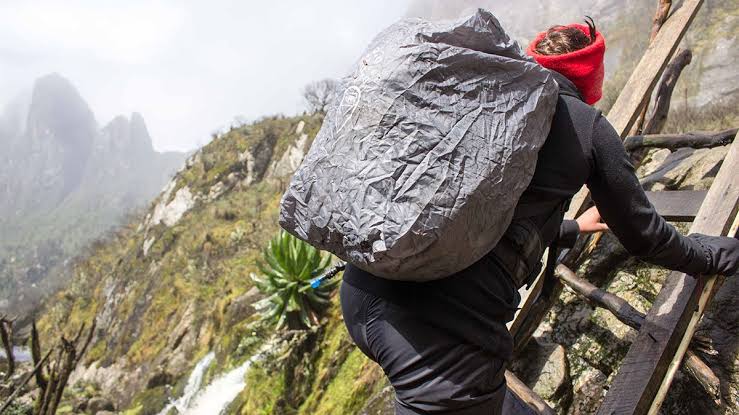
Given the day’s genuine length, packing more water, food, and rain protection than a standard trekking day requires makes sense here, along with sturdy waterproof boots and layered clothing suited to Kibale’s variable forest weather across a full day outdoors following a mobile chimpanzee community.
How Researchers Track a Still-Habituating Community
Locating a community not yet fully accustomed to human presence requires genuinely different tracking skills than following an established, predictable group, since a still-wary community may range more widely and unpredictably as it continues adjusting to observer presence. Kibale’s experienced field teams draw on years of accumulated knowledge about the specific community’s territory and habits to maintain consistent contact throughout the day.
The Emotional Reward of Extended Observation
Participants consistently describe the extended timeframe as allowing a genuinely deeper emotional connection to unfold, watching not just a single dramatic moment but the fuller rhythm of a chimpanzee community’s day, feeding, resting, social grooming, and occasional conflict, in a way the standard one-hour format simply can’t replicate.
Why This Experience Remains Relatively Unknown
Despite its genuine appeal, Kibale’s chimpanzee habituation experience remains considerably less well known among travelers than Rwanda’s gorilla habituation program, making it something of a hidden gem for serious primate enthusiasts willing to research beyond the most commonly advertised Uganda activities.
Common Questions About the Researcher-for-a-Day Experience
Travelers frequently ask whether any prior scientific background is required to participate, and no, the experience is designed for genuinely interested travelers regardless of formal training, with researchers happy to explain concepts and methods in accessible terms throughout the day. Visitors also ask whether the experience guarantees more chimpanzee viewing time than standard tracking, and yes, the extended format inherently offers considerably more observation time, though the community’s exact behavior and movement remain as unpredictable as any wild animal encounter.
What Sets Kibale’s Chimpanzee Research Apart
Kibale has served as a significant site for primate research for decades, and the community involved in the habituation experience benefits from this broader institutional knowledge and research infrastructure, giving participants access to genuinely well-informed, experienced field staff rather than a newly established program still finding its footing.
Why Photographers Particularly Value This Experience
The extended timeframe rewards photographers with considerably more opportunity to capture varied behavioral moments, feeding, social interaction, and movement through different lighting conditions across the day, compared to the compressed, single-window opportunity standard tracking provides.
How This Experience Compares in Cost to Standard Tracking
Given its extended duration, specialized access, and smaller group sizes, the researcher-for-a-day experience genuinely costs more than standard chimpanzee tracking, a premium many serious enthusiasts consider well justified given the depth and educational value the extended access delivers.
Why This Experience Suits Travelers Considering a Career in Conservation
Students and early-career professionals genuinely interested in wildlife research or conservation find this experience offers authentic, practical exposure to fieldwork realities that no classroom setting or documentary could fully replicate, sometimes shaping career direction in a way a standard tourism activity rarely does.
How Group Size Limits Shape the Experience
Given the genuinely sensitive nature of ongoing habituation work, only a small number of participants join the research team on any given day, meaning the experience remains intimate and personalized rather than resembling a larger group tour.
Why This Experience Deserves Wider Recognition Among Serious Travelers
Given its genuine depth and educational value, the researcher-for-a-day experience deserves considerably more attention from travelers specifically seeking meaningful, immersive wildlife encounters rather than settling for the shorter, more standardized tracking format most visitors default to.
How This Experience Builds a Lasting Appreciation for Fieldwork
Participants consistently describe coming away with a genuinely renewed respect for the researchers and field assistants who dedicate years to habituation work, an appreciation that standard tourism activities, however rewarding, rarely instill so directly.
Why Timing Your Visit Matters for This Specific Experience
Given that habituation progress varies community by community, checking directly with your operator about current program status before booking ensures your expectations align genuinely with where the specific community’s habituation process currently stands.
Planning Your Researcher-for-a-Day Experience
Working with an experienced operator to confirm current availability and appropriate preparation for this genuinely demanding but rewarding activity ensures you get the most from Kibale’s unique chimpanzee habituation program during your Uganda trip, an experience that rewards genuine curiosity with a rare, authentic window into real conservation science most travelers never even know exists until they’ve already booked their trip.
Recommended Tours: 4 Days Uganda Gorilla and Chimpanzee Tour | 10 Days Ultimate Uganda Gorilla & Big Five Safari