Mount Bisoke: A Day-Hike Guide to the Crater Lake Volcano
Mount Bisoke ranks among the most popular volcano hikes within Rwanda’s Volcanoes National Park, offering a genuinely rewarding day climb that culminates in a stunning crater lake summit without demanding quite the same extreme physical toll as neighboring Muhabura. This balance of achievable challenge and spectacular payoff has made Bisoke a favorite addition for travelers looking to combine gorilla trekking with a genuine mountain hiking experience. This guide covers what a Bisoke climb actually involves.
Why Bisoke Appeals to a Broader Range of Hikers
While still a genuinely demanding climb by any standard measure, Bisoke’s difficulty sits at a more moderate level than Muhabura, making it accessible to a wider range of reasonably fit travelers without requiring the specialized mountaineering preparation some of the region’s more extreme peaks demand.
The Crater Lake Summit
Bisoke’s summit holds a genuinely beautiful crater lake, its still waters reflecting the surrounding volcanic rim in a way that consistently ranks among the most photographed moments of any Rwanda volcano hike, offering hikers a spectacular, tangible reward for the morning’s climbing effort.
Vegetation and Terrain Along the Route
The climb passes through lush bamboo forest before transitioning to more open, montane vegetation closer to the crater rim, giving hikers a genuinely varied visual experience across the ascent rather than a monotonous single-terrain climb from start to finish.
What the Climb Actually Involves
A typical Bisoke ascent takes most of a day, climbing through changing forest and bamboo vegetation zones before reaching the more exposed upper slopes near the crater rim, with the round trip, including summit time, generally running six to seven hours depending on individual pace and conditions.
What Rangers Bring on the Climb
Armed rangers accompany every Bisoke climb, primarily as protection against forest buffalo and other wildlife encountered along the route, and their local knowledge of the mountain’s specific conditions and pacing considerations adds genuine value beyond the standard safety role, especially for hikers attempting their first serious volcano climb.
Fitness Level Required
Bisoke suits hikers in solid general fitness without necessarily requiring extensive prior mountaineering experience, though the sustained climbing and altitude still represent a genuine physical undertaking worth preparing for with realistic expectations rather than assuming it’s simply a long walk.
Best Time of Year to Climb Bisoke
Rwanda’s dry seasons, roughly June through September and December through February, offer the firmest trail conditions for this popular climb, with clearer summit views and reduced risk of the slippery volcanic terrain that wetter months can bring.
What to Pack for the Bisoke Climb
Proper waterproof hiking boots, layered clothing for the temperature difference between base and summit, rain protection, trekking poles, and plenty of water and snacks round out a sensible packing list for this genuinely demanding but achievable day hike.
Combining Bisoke With Gorilla Trekking
Many visitors pair a Bisoke climb with gorilla trekking during the same Rwanda stay, though given both activities’ genuine physical demands, scheduling a rest day between them, rather than attempting both back to back, generally produces a considerably more enjoyable experience.
Photography Tips for the Summit
Capturing the crater lake at its best generally means arriving before midday cloud cover tends to build, and packing a lens capable of both wide landscape shots and closer detail work gives photographers the flexibility to capture both the lake’s scale and its more intimate surface reflections.
Bisoke’s Wildlife and Scenery Along the Route
Beyond the summit crater lake, the climb itself passes through genuinely rich montane forest and bamboo habitat, offering incidental wildlife and birding opportunities alongside the primary hiking challenge, particularly for travelers who take time to notice the surrounding ecology rather than focusing purely on reaching the summit.
Comparing Bisoke to the Region’s Other Volcano Hikes
Where Muhabura demands considerably more physical endurance and Sabyinyo offers a unique three-country summit view, Bisoke’s specific appeal lies in its balanced combination of achievable difficulty and genuinely spectacular crater lake payoff, making it the most broadly recommended volcano hike for travelers new to this kind of activity.
Golden Monkeys Along the Bisoke Trail
Bisoke’s lower bamboo forest zones overlap with golden monkey habitat, and hikers occasionally spot these playful primates during the early stages of the ascent, adding a genuine wildlife bonus to what’s primarily a scenic and physical hiking challenge rather than a dedicated wildlife activity.
How Weather Shapes the Summit Experience
Given how quickly conditions can shift at altitude, hikers should approach the summit crater lake view with realistic expectations, since cloud cover occasionally obscures the full vista even on days that started clear at the base, though the lake itself and the sense of achievement remain rewarding regardless of visibility conditions.
Why Bisoke Ranks as the Most Recommended First Volcano Hike
For travelers considering their first Virunga volcano climb, guides consistently point toward Bisoke specifically because it offers a genuine mountaineering experience without the more extreme demands of Muhabura, making it an ideal introduction before potentially tackling more difficult peaks on a future visit.
What Makes the Descent Worth Preparing For
The descent from Bisoke’s summit, while gravity-assisted, still tests knees and ankles across the same steep terrain covered during the ascent, and trekking poles genuinely help manage this final stretch, particularly on sections that have become muddy or slippery during the day’s hike.
Common Questions About Climbing Bisoke
Travelers frequently ask whether children can join a Bisoke climb, and while there’s no strict age restriction the way gorilla trekking has, the genuine physical demands mean families should honestly assess whether younger children can realistically manage a six-to-seven-hour hike before booking. Visitors also ask whether the crater lake is safe to approach closely, and yes, the summit area is generally accessible for viewing and photography, though rangers accompanying the climb provide guidance on any specific safety considerations on the day.
How Bisoke Compares to a Standard Gorilla Trek in Difficulty
Where a standard gorilla trek typically runs two to four hours depending on the family’s location, Bisoke’s six-to-seven-hour round trip represents a considerably longer, more sustained physical undertaking, and travelers should genuinely budget more energy and recovery time for this specific activity compared to a typical trekking day elsewhere in the park.
Why Bisoke’s Bamboo Zone Deserves Its Own Appreciation
Beyond simply being a transitional zone en route to the summit, Bisoke’s lower bamboo forest offers a genuinely distinctive sensory experience, dense green corridors and filtered light that many hikers describe as one of the climb’s most peaceful, memorable stretches, quite apart from the crater lake payoff waiting above.
How Porters Support a Bisoke Climb
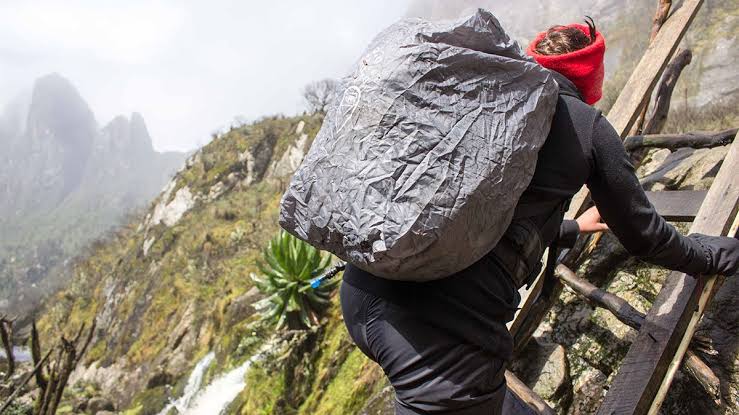
Hiring a porter for the Bisoke ascent genuinely helps ease the physical burden across the mountain’s sustained elevation gain, while also providing meaningful local income, a practice most operators actively encourage regardless of a hiker’s personal fitness level.
Why This Climb Suits Travelers on Their First Rwanda Visit
Given its more moderate difficulty relative to Muhabura, Bisoke genuinely suits first-time Rwanda visitors looking to add a volcano hike to their gorilla trekking itinerary without committing to the region’s most extreme physical challenge.
How Group Pace Affects the Overall Experience
Given the range of fitness levels within a typical hiking group, guides generally set a pace accommodating the slower members without rushing anyone, meaning solo or small private group bookings sometimes offer a genuinely faster, more personalized pace for hikers specifically seeking that.
How Bisoke’s Volcanic Origins Shaped the Crater Lake
The crater lake crowning Bisoke’s summit formed within the mountain’s volcanic caldera, a geological feature that gives the peak its distinctive rounded profile and explains why the summit holds standing water rather than simply ending in exposed rock like some of the range’s other peaks.
Why This Climb Suits Travelers Seeking a Genuine Sense of Achievement
Beyond the scenery itself, completing Bisoke’s full ascent and descent within a single demanding day delivers a genuine sense of physical accomplishment that many travelers specifically seek to complement the more passive wildlife-viewing activities that dominate a typical safari itinerary.
How This Destination Fits a Broader Volcanoes National Park Visit
Travelers who combine gorilla trekking, golden monkey tracking, and a Bisoke climb within a single Volcanoes National Park stay experience genuinely the fullest possible range of what the park offers, from intimate primate encounters to serious physical mountain achievement.
Why Even Experienced Hikers Find Bisoke Genuinely Rewarding
Despite its more moderate difficulty relative to Muhabura, experienced hikers who’ve climbed considerably more extreme peaks elsewhere in the world still consistently rate Bisoke’s crater lake summit among the most visually memorable rewards they’ve encountered on a comparably paced day hike.
Planning Your Bisoke Climb
Working with an experienced operator to confirm current permit requirements and realistic timing within your broader Rwanda itinerary ensures you get the most from this genuinely rewarding volcano hike, one that consistently ranks among visitors’ most memorable non-gorilla activities in the entire park, and a fitting way to round out a well-balanced Rwanda adventure.
Recommended Tours: 7 Days Classic Rwanda Safari | 3 Days Bwindi Gorilla Trekking Safari