

Mount Sabyinyo: The Three-Country Summit Hike Explained
Mount Sabyinyo offers one of the most genuinely unique hiking experiences anywhere in East Africa, a demanding climb to a jagged summit where the borders of Rwanda, Uganda, and the Democratic Republic of Congo converge, allowing hikers who reach the top to stand at the meeting point of three nations simultaneously. Named for its distinctive jagged peaks, resembling old teeth, or nyinya in Kinyarwanda, Sabyinyo delivers a genuinely dramatic reward for a challenging climb. This guide covers what a Sabyinyo summit hike actually involves.
The Unique Appeal of a Three-Country Summit
Few hiking destinations anywhere in the world offer the specific novelty Sabyinyo provides, a genuine tripoint where hikers can stand within a small area technically touching Rwandan, Ugandan, and Congolese territory, a geographic curiosity that draws hikers specifically for this distinctive bragging right alongside the climb’s own scenic rewards.
Why Sabyinyo’s Jagged Profile Stands Out
Unlike the more classically conical shape of neighboring volcanoes like Bisoke or Muhabura, Sabyinyo’s summit consists of several distinct jagged peaks formed through a longer, more complex volcanic and erosional history, giving the mountain its genuinely distinctive, tooth-like silhouette visible across the wider Volcanoes National Park landscape.
What the Climb Actually Involves
A Sabyinyo ascent involves genuinely demanding, technical terrain in its upper sections, including ladder and rope-assisted scrambling across narrow ridgelines, making this climb considerably more physically and technically challenging than a standard forest hike, requiring both fitness and a reasonable comfort level with exposed terrain.
Fitness and Experience Required
Given the technical scrambling sections near the summit, Sabyinyo genuinely isn’t suited to hikers uncomfortable with exposed, narrow terrain or lacking solid general fitness, and travelers should approach this climb with honest self-assessment and realistic preparation given its more demanding technical nature compared to the region’s other volcano hikes.
How Sabyinyo’s Volcanic History Shaped Its Peaks
Sabyinyo’s distinctive multi-peaked profile reflects a genuinely complex volcanic and erosional history stretching back far longer than some of the Virunga range’s more recently formed, still-conical neighbors, with millions of years of weathering carving the mountain’s original volcanic cone into its current jagged, tooth-like ridgeline.
Safety Considerations on the Ridgeline
The exposed ridgeline sections near Sabyinyo’s summit require genuine caution, and the fixed ladders and ropes installed to assist hikers through the most challenging stretches should be used carefully and deliberately rather than rushed, particularly in wet or windy conditions.
Best Time of Year to Climb Sabyinyo
Rwanda’s dry seasons, roughly June through September and December through February, offer meaningfully safer conditions for Sabyinyo’s technical terrain, since wet, slippery rock on the exposed ridgeline sections adds genuine risk beyond what the dry season climb already presents.
The Connection to Sabyinyo’s Namesake Gorilla Family
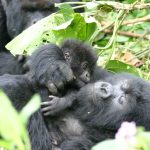
The mountain lends its name to Volcanoes National Park’s well-known Sabyinyo gorilla family, whose territory sits on the volcano’s lower, more accessible slopes, meaning travelers who trek this specific family and later attempt the summit climb experience two genuinely distinct sides of the same iconic peak within a single broader Rwanda trip.
What to Pack for the Sabyinyo Climb
Beyond standard hiking essentials, waterproof boots with genuinely good grip, gloves for the ladder and rope sections, and layered clothing for the summit’s cooler, windier conditions all matter considerably given this climb’s more technical nature.
What Guides Emphasize Most on Summit Day
Beyond pure fitness, experienced guides leading Sabyinyo climbs consistently emphasize mental composure through the ridgeline sections, coaching hikers to move deliberately, trust the fixed safety equipment, and avoid looking down unnecessarily at points where the exposure feels most intense, guidance that proves genuinely valuable for hikers less accustomed to this kind of terrain.
Comparing Sabyinyo to Bisoke and Muhabura
Where Bisoke offers a more moderate day hike and Muhabura demands pure physical endurance, Sabyinyo’s specific challenge lies in its technical, exposed terrain, appealing to hikers specifically seeking both a serious physical test and the unique three-country summit novelty unavailable anywhere else in the region.
What Hikers See From the Summit
Beyond the tripoint novelty itself, Sabyinyo’s summit offers genuinely spectacular panoramic views across the entire Virunga Massif, with neighboring volcanoes visible on clear days alongside sweeping views into all three bordering countries, a visual reward that stands among the most impressive available anywhere in the region’s hiking circuit.
How the Ladders and Ropes Actually Work
The fixed ladder sections installed along Sabyinyo’s more exposed ridgeline stretches provide genuine, secure hand and footholds across terrain that would otherwise be extremely difficult or dangerous to navigate, and hikers should move through these sections one at a time, following their guide’s instructions closely rather than attempting to rush past slower members of the group.
Why Sabyinyo Attracts Serious Hiking Enthusiasts
Beyond casual travelers drawn by the border novelty, Sabyinyo genuinely attracts serious hiking and mountaineering enthusiasts specifically seeking technical terrain and a real physical challenge, distinguishing this climb from the more purely scenic appeal of some neighboring volcano hikes.
What a Typical Climbing Day Looks Like
A full Sabyinyo climb typically runs a genuinely long day, departing early to allow ample time for the technical ascent, summit time, and equally careful descent, meaning hikers should plan for a demanding full day rather than a quick half-day outing.
Common Questions About Climbing Sabyinyo
Travelers frequently ask whether the tripoint summit means crossing actual international border checkpoints, and no, the tripoint exists purely as a geographic curiosity within the shared Virunga Massif conservation landscape, without any formal border crossing infrastructure at the summit itself. Visitors also ask whether the technical sections require prior climbing experience, and while formal climbing skills aren’t strictly required, general comfort with heights and narrow terrain genuinely helps, and hikers with serious concerns about exposure should discuss this honestly with their operator before booking.
Why This Climb Ranks Among the Region’s Most Memorable
The specific combination of technical challenge, dramatic jagged scenery, and the genuinely rare opportunity to stand at a three-country meeting point makes Sabyinyo a standout choice for hikers who’ve already experienced gorilla trekking and are seeking a genuinely different, more adventurous addition to their Rwanda itinerary.
How Porters Support a Sabyinyo Climb
As with Rwanda’s other volcano hikes, hiring a porter for the Sabyinyo climb genuinely helps, both by easing the physical burden across technical terrain and by providing meaningful local income, a practice most operators actively encourage for this specific, more demanding ascent.
Why Group Size Matters More on This Specific Climb
Given the narrow ridgeline sections requiring hikers to pass through ladder and rope sections one at a time, smaller group sizes genuinely improve the overall pace and safety of a Sabyinyo climb compared to larger groups that can create bottlenecks at the most technical points.
How This Climb Complements a Broader Volcanoes National Park Visit
Travelers who combine gorilla trekking with a Sabyinyo summit attempt experience genuinely the full range of what Volcanoes National Park offers, from intimate primate encounters on the lower slopes to a serious mountaineering challenge at the jagged summit above.
How Sabyinyo’s Vegetation Zones Change With Altitude
As hikers ascend Sabyinyo, the terrain shifts genuinely dramatically, from lush bamboo forest at lower elevations through Hagenia woodland and eventually into the more sparse, exposed vegetation near the technical ridgeline sections, giving climbers a compact but genuinely varied ecological journey within a single day’s ascent.
Why This Peak Holds Special Meaning for Repeat Rwanda Visitors
Travelers who’ve already completed gorilla trekking and a more moderate volcano hike like Bisoke on previous Rwanda trips often specifically seek out Sabyinyo as a genuinely more advanced next challenge, treating the tripoint summit as a fitting capstone achievement for their deepening relationship with the region.
How Weather Conditions Can Change Plans on Summit Day
Given the genuine risk that wet conditions pose on Sabyinyo’s exposed ridgeline, experienced guides retain the authority to adjust or postpone a summit attempt if conditions deteriorate, a safety-first approach that occasionally disappoints hikers but genuinely protects against the mountain’s most serious technical hazards.
Why This Hike Rewards Careful Physical Preparation Beforehand
Given the genuinely demanding nature of the ridgeline scrambling sections, hikers who arrive having done some dedicated cardiovascular and leg-strength preparation in the weeks before their trip consistently report a considerably more manageable, enjoyable climb than those attempting Sabyinyo with no specific physical preparation.
Why This Achievement Stays Memorable Long After the Trip Ends
Given how few travelers anywhere ever stand at a genuine three-country tripoint, hikers who complete a Sabyinyo summit consistently describe the achievement as one of the specific moments from their entire Rwanda trip they remember most vividly years later.
Planning Your Sabyinyo Climb
Working with an experienced operator to confirm current permit requirements and honestly assess whether this technically demanding climb suits your fitness and comfort level ensures a genuinely safe, rewarding addition to your Rwanda itinerary, capping off a trip with one of the region’s most genuinely distinctive achievements, and a story worth telling for years afterward.
Recommended Tours: 7 Days Classic Rwanda Safari | 3 Days Bwindi Gorilla Trekking Safari


















