Gishwati-Mukura National Park: Rwanda’s Newest and Least-Visited Park
Gishwati-Mukura National Park stands as Rwanda’s fourth and most recently established national park, formed by combining two separate forest fragments, Gishwati and Mukura, into a single protected area specifically designed to reverse decades of severe deforestation across this part of the country. Genuinely off the standard tourism circuit compared to Volcanoes National Park or Nyungwe Forest, Gishwati-Mukura offers travelers a distinctly different, quieter kind of forest experience. This guide covers what makes this park worth knowing about.
A Park Born From Restoration
Unlike Rwanda’s other national parks, which protect largely intact forest ecosystems, Gishwati-Mukura’s creation reflects a genuinely deliberate restoration effort, reclaiming and protecting forest fragments that had suffered severe degradation from decades of agricultural encroachment, resettlement, and unsustainable logging before conservation efforts began reversing this trend.
Wildlife Corridors and Long-Term Connectivity Goals
Part of the park’s long-term conservation vision involves eventually strengthening ecological connectivity between the Gishwati and Mukura forest blocks, and potentially linking the broader landscape toward Nyungwe Forest itself, a genuinely ambitious goal that would meaningfully expand viable habitat for the region’s forest wildlife over coming decades.
Gishwati and Mukura: Two Forests, One Park
The park combines two geographically separate forest blocks, Gishwati and Mukura, connected through a shared conservation management approach even though they don’t form a single continuous forest, meaning a genuinely comprehensive Gishwati-Mukura visit sometimes involves visiting both sections rather than treating them as a single contiguous unit.
How Local Communities Are Involved
Gishwati-Mukura’s conservation model places genuine emphasis on community involvement, recognizing that lasting forest protection depends on providing local residents with real economic alternatives to the agricultural and logging pressures that originally degraded the landscape, an approach that ties tourism revenue directly to community benefit and continued conservation buy-in.
Chimpanzees and Other Wildlife
Gishwati-Mukura hosts a genuine chimpanzee population, alongside golden monkeys and various other forest wildlife, offering primate tracking opportunities considerably less crowded than Rwanda’s more established destinations, though the park’s smaller, more recently protected forest area means wildlife density doesn’t match Nyungwe’s more extensive habitat.
Why This Park Remains Genuinely Off the Beaten Path
Given its recent establishment and more modest tourism infrastructure compared to Rwanda’s flagship parks, Gishwati-Mukura sees considerably fewer visitors, appealing specifically to travelers who value genuine remoteness and are willing to accept less developed facilities in exchange for a quieter, more exclusive experience.
The Conservation Story Behind the Park
Gishwati-Mukura’s establishment represents a genuinely significant conservation achievement, demonstrating Rwanda’s broader commitment to environmental restoration even in areas that had suffered severe historical degradation, a story that adds real meaning for travelers interested in conservation beyond simply wildlife viewing.
Trekking Activities Within the Park
Visitors can pursue chimpanzee tracking and forest walks within Gishwati-Mukura, following a similar general structure to Rwanda’s other primate tracking activities, though permit numbers and infrastructure remain considerably more limited than at Nyungwe or Volcanoes National Park.
What to Pack for a Gishwati-Mukura Visit
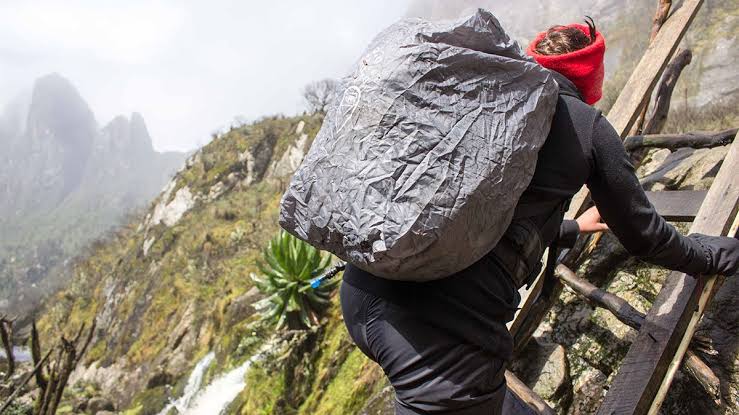
Standard forest-trekking essentials, waterproof boots, rain protection, and layered clothing suited to Rwanda’s variable highland climate, serve this destination just as well as they would Nyungwe or Volcanoes National Park, and travelers should pack with the same general preparation regardless of the park’s smaller, quieter profile.
How to Reach Gishwati-Mukura
The park sits along the route between Kigali and Lake Kivu, making it a genuinely feasible addition for travelers already routing through this part of Rwanda rather than requiring a dedicated separate journey.
Combining Gishwati-Mukura With a Broader Rwanda Itinerary
Travelers with extra time and a genuine interest in off-the-beaten-path destinations can pair a Gishwati-Mukura visit with Lake Kivu relaxation or a broader western Rwanda route, adding real variety to a standard gorilla-and-Nyungwe itinerary.
What to Expect From Accommodation Near the Park
Given the park’s recent establishment, accommodation options remain more limited than at Rwanda’s more established destinations, though this is gradually developing as the park’s tourism profile grows.
What Deforestation Did to This Landscape
Before conservation efforts began, decades of unregulated agricultural expansion, cattle grazing, and logging severely fragmented what had once been a substantial, continuous forest block, reducing it to isolated remnants and threatening the survival of the wildlife populations that depended on this habitat. The park’s establishment represents a genuine attempt to halt and reverse this decline before it reached an irreversible point.
How Restoration Efforts Continue Today
Ongoing conservation work within Gishwati-Mukura includes active reforestation initiatives, community engagement programs designed to reduce pressure on the remaining forest, and continued wildlife monitoring, representing a genuinely long-term, still-evolving conservation project rather than a finished, static achievement.
Why Visiting Supports This Restoration Story
Tourism revenue from Gishwati-Mukura directly supports the park’s ongoing restoration and community programs, meaning a visit here contributes tangibly to a genuinely different kind of conservation success story than the more established recovery narratives associated with Rwanda’s mountain gorilla population.
What Sets This Park Apart From Nyungwe
While Nyungwe offers vastly greater biodiversity and more developed infrastructure, Gishwati-Mukura’s specific appeal lies in its genuine sense of discovery and its powerful restoration narrative, a park actively being rebuilt rather than one that has always existed in its current protected state.
Common Questions About Visiting Gishwati-Mukura
Travelers frequently ask whether the park’s chimpanzee tracking offers comparable quality to Nyungwe or Kibale despite its smaller size, and while sighting odds may run somewhat lower given the more limited habitat and habituation history, the encounters themselves, when successful, offer the same genuine wild chimpanzee experience. Visitors also ask whether a Gishwati-Mukura visit requires significant detour time, and generally no, given its convenient position along the Kigali-to-Lake-Kivu route already common on many Rwanda itineraries.
Why Conservation-Minded Travelers Value This Destination
Travelers specifically interested in supporting and witnessing active conservation restoration work, rather than simply visiting an already-established, mature protected area, find Gishwati-Mukura genuinely compelling precisely because its story remains actively unfolding, offering a different kind of meaningful travel experience than Rwanda’s more famous destinations.
How Golden Monkey Tracking Differs Here From Volcanoes National Park
While Volcanoes National Park offers more established golden monkey tracking with higher habituation levels, Gishwati-Mukura’s smaller golden monkey population provides a genuinely quieter, less crowded alternative for travelers who have already tracked this species elsewhere and want a different, more exploratory encounter.
Why This Park’s Story Resonates With Environmentally Minded Travelers
Beyond wildlife viewing, Gishwati-Mukura’s narrative of severe degradation followed by deliberate restoration genuinely resonates with travelers who care about environmental recovery stories, offering a tangible example of what committed conservation investment can achieve even starting from a severely compromised baseline.
How This Destination Fits Travelers Seeking Genuine Discovery
For travelers who’ve already completed Rwanda’s headline gorilla trekking and Nyungwe canopy walk experiences, Gishwati-Mukura offers exactly the kind of lesser-known, still-developing destination that rewards genuine curiosity about a country’s fuller conservation landscape.
Why This Park’s Bird Diversity Deserves Genuine Attention
Despite its modest size, Gishwati-Mukura hosts a genuinely rich variety of Albertine Rift endemic bird species, making it a worthwhile stop for birders even beyond the primate tracking that draws most visitors here in the first place.
The park’s regenerating forest habitat, still recovering from decades of degradation, creates genuinely interesting transitional birding conditions distinct from the more mature canopy found at Nyungwe.
How Climate Change Adds Urgency to This Restoration Work
Beyond simply reversing historical degradation, Gishwati-Mukura’s reforestation efforts genuinely contribute to broader climate resilience for the surrounding region, since intact forest cover plays a meaningful role in regulating local rainfall patterns and preventing the soil erosion that historically plagued this deforested landscape.
Why International Conservation Organizations Have Invested Here
Given the genuine significance of demonstrating that severely degraded forest can be successfully restored, international conservation organizations have provided meaningful funding and technical support to Gishwati-Mukura, treating its recovery as a valuable case study with lessons applicable to similar restoration projects elsewhere in Africa.
How This Destination Suits Travelers With a Research or Academic Interest
Students and researchers studying forest restoration and conservation policy find Gishwati-Mukura genuinely compelling as a real-world case study, offering direct access to an active restoration project rather than only reading about such efforts in academic literature.
Why This Park Deserves a Place on Every Rwanda Conservation Traveler’s Radar
Given how genuinely rare active forest restoration projects remain at this scale anywhere in Africa, travelers who care about conservation beyond simply observing already-protected wildlife find Gishwati-Mukura offers a uniquely tangible way to witness and support that work directly. Few other destinations in the region allow visitors to see restoration unfolding in real time rather than reading about it after the fact.
Planning Your Visit to Gishwati-Mukura
Working with an experienced operator to confirm current permit availability and realistic logistics ensures a genuinely rewarding visit to this quieter, restoration-focused addition to your Rwanda itinerary, one that offers a genuinely different perspective on what conservation success can look like when it starts from recovery rather than preservation alone, and a story worth witnessing firsthand while it continues actively unfolding, chapter by chapter, season by season.
Recommended Tours: 7 Days Classic Rwanda Safari | 3 Days Bwindi Gorilla Trekking Safari