Gombe Stream National Park: Walking in Jane Goodall’s Footsteps
Gombe Stream National Park holds a genuinely unique place in the history of primate research, the small, lakeshore Tanzanian park where Jane Goodall began her groundbreaking chimpanzee studies in 1960, work that fundamentally transformed scientific understanding of chimpanzee behavior and, more broadly, humanity’s own place among the great apes. Visiting Gombe today means walking through the same forest where some of primatology’s most significant discoveries first unfolded. This guide covers what makes this small but historically monumental park worth visiting.
The Birthplace of Modern Chimpanzee Research
Jane Goodall’s decision to study Gombe’s chimpanzees using patient, long-term observation rather than more invasive research methods common at the time produced discoveries that reshaped primatology entirely, including the first documented evidence of tool use and manufacture among non-human animals, findings that fundamentally challenged previous assumptions about what separated humans from other species.
Gombe’s Distinctive Lakeshore Setting
Unlike Uganda’s larger inland forest parks, Gombe sits directly along the shores of Lake Tanganyika, one of Africa’s Great Lakes, creating a genuinely striking combination of forest hillside terrain rising directly from the water’s edge, a setting unlike any other chimpanzee tracking destination in East Africa.
The Kasakela Chimpanzee Community
Gombe’s most famous chimpanzee community, the Kasakela group, has been studied continuously since Goodall’s original research began, making it one of the longest continuously studied wild chimpanzee communities anywhere in the world, with a documented multi-generational history stretching back over six decades.
How Gombe’s Legacy Extends Beyond Chimpanzees
Goodall’s own career and advocacy work, launched from her Gombe research, went on to influence global conservation policy, environmental education, and public understanding of great ape welfare far beyond this single park’s boundaries, meaning a Gombe visit connects travelers to a legacy with genuinely worldwide reach and impact.
What a Gombe Trek Involves
Given Gombe’s genuinely small size, one of Africa’s smallest national parks, tracking here typically involves less extensive walking than larger forest parks like Kibale, though the park’s steep, hilly terrain still presents real physical demands despite the more compact overall search area.
Waterfalls and Forest Beauty Beyond Chimpanzees
Gombe’s compact landscape includes genuinely scenic waterfalls and forest streams that give the park its name, offering worthwhile natural beauty and walking opportunities beyond chimpanzee tracking alone, adding real value to a visit even on days when the tracking itself proves challenging.
Access and Getting to Gombe
Gombe’s remote location along Lake Tanganyika means reaching the park typically requires a boat journey rather than direct road access, a genuinely different, memorable arrival experience compared to standard forest park logistics elsewhere in Tanzania.
What Visitors Take Away From Gombe
Beyond the chimpanzee sightings themselves, travelers consistently describe leaving Gombe with a genuinely deepened appreciation for the patient, decades-long scientific effort required to understand any wild species truly, a lesson in the value of sustained, careful observation that extends well beyond primatology into how we think about scientific discovery more broadly.
The Jane Goodall Institute’s Ongoing Work
Research and conservation work continues at Gombe today under the Jane Goodall Institute, maintaining the long-term study tradition Goodall established while also supporting broader conservation and community programs in the surrounding region.
Combining Gombe With Mahale Mountains
Travelers with sufficient time sometimes combine Gombe with a visit to Tanzania’s Mahale Mountains National Park, another significant chimpanzee destination along Lake Tanganyika’s shores, creating a genuinely comprehensive Tanzanian chimpanzee-focused itinerary.
Why Gombe Appeals to History-Minded Travelers
Beyond the chimpanzee tracking itself, Gombe’s profound scientific history adds genuine meaning for travelers with a real interest in the story of primatology and conservation science, offering a pilgrimage-like quality unmatched by any other East African chimpanzee destination.
What Goodall’s Research Actually Discovered
Beyond tool use, Goodall’s sustained observation at Gombe revealed genuinely surprising findings about chimpanzee social complexity, including documented instances of both cooperative behavior and, more disturbingly, coordinated violence between rival communities, evidence that reshaped scientific understanding of just how complex, and sometimes dark, primate social dynamics could be.
How Gombe Shaped Modern Field Primatology
Goodall’s patient, long-term, individually-focused observation methodology at Gombe became a template for subsequent primate field research worldwide, influencing how scientists studying gorillas, orangutans, and other great apes approached their own long-term study sites in the decades that followed.
The Kasakela Community Today
Descendants of the original chimpanzees Goodall studied continue living within Gombe today, meaning current visitors are, in a genuine sense, observing the ongoing story of the same documented lineage that first captured global scientific and public attention over six decades ago.
What Makes Gombe’s Small Size an Advantage
Rather than viewing Gombe’s compact size as a limitation, many visitors find it genuinely advantageous, concentrating tracking efforts within a more manageable area and often producing efficient, high-quality sightings despite the park’s modest overall footprint compared to Uganda’s larger forest reserves.
Common Questions About Visiting Gombe
Travelers frequently ask whether Gombe’s tracking experience feels meaningfully different from Kibale’s given the historical significance, and while the core tracking mechanics remain similar, most visitors describe a genuinely distinct emotional dimension knowing they’re walking through the actual sites where foundational primatology discoveries occurred. Visitors also ask about the boat journey required to reach the park, and this typically departs from Kigoma, a lakeside town serving as the standard gateway for Gombe visits, with the crossing itself offering scenic views of Lake Tanganyika’s dramatic shoreline.
Why Serious Wildlife Enthusiasts Prioritize Gombe
Despite requiring more logistical effort to reach than Uganda’s more accessible chimpanzee destinations, serious primate and conservation enthusiasts often specifically prioritize Gombe precisely because of its unmatched historical significance, treating a visit here as a genuine pilgrimage rather than simply another chimpanzee tracking stop on a broader itinerary.
How Lake Tanganyika Itself Adds to the Experience
Beyond serving simply as an access route, Lake Tanganyika’s own remarkable characteristics, among the world’s deepest and longest freshwater lakes, offer genuinely worthwhile scenery and swimming opportunities that add real value to a Gombe visit beyond the primate tracking alone.
Why Goodall’s Approach Was Considered Radical at the Time
Naming individual chimpanzees rather than assigning them numbers, a practice considered unconventional and even controversial among contemporary scientists, reflected Goodall’s genuinely different approach to animal research, one that ultimately proved essential to documenting the individual personalities and relationships her long-term observations revealed.
How Gombe’s Research Legacy Continues Attracting Scientists Today
Beyond tourism, Gombe remains an active research site drawing primatologists and students from around the world, meaning visitors sometimes encounter genuine ongoing scientific work happening alongside their own tracking experience, adding a tangible sense of the park’s continued relevance beyond its historical significance alone.
Why Gombe’s Baboon Populations Also Deserve Attention
Beyond its famous chimpanzees, Gombe hosts genuinely well-studied olive baboon troops, subjects of their own long-running behavioral research programs, offering visitors an additional primate-viewing dimension alongside the park’s headline chimpanzee tracking.
How Gombe’s Forest Trails Test Visitor Fitness
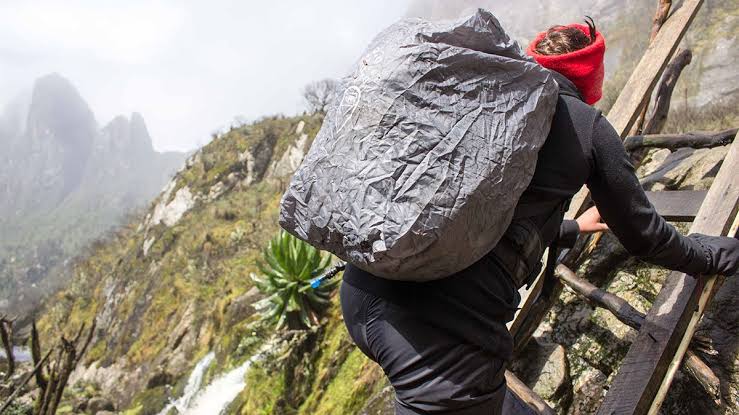
Despite the park’s compact overall size, Gombe’s genuinely steep, hilly terrain means trackers should arrive with reasonable fitness expectations, since chasing a moving chimpanzee community up and down forested slopes can prove considerably more physically demanding than the park’s modest footprint might initially suggest.
Why This Destination Rewards Travelers With a Genuine Interest in Science
Beyond casual wildlife tourism, Gombe specifically rewards travelers who arrive having read about Goodall’s research beforehand, since recognizing specific behaviors and understanding the broader scientific context genuinely deepens the emotional impact of witnessing the Kasakela community firsthand.
How This Park Compares to Uganda’s Kibale for a Focused Chimpanzee Trip
While Kibale offers higher chimpanzee density and more straightforward road access, Gombe delivers something Kibale simply cannot, the specific, documented historical weight of being the actual birthplace of modern primatology, a distinction that genuinely matters to travelers prioritizing meaning over sheer sighting probability.
Why This Small Park Leaves a Genuinely Lasting Impression
Despite its modest physical footprint, travelers consistently describe Gombe as leaving one of the most genuinely memorable impressions of any stop on their broader Tanzania itinerary, a testament to how profoundly historical significance can shape a visitor’s emotional experience of a place. Many describe the experience as fundamentally different from any other wildlife encounter on their trip, precisely because of the weight of what actually happened there.
Why This Chapter of Conservation History Deserves Continued Attention
Beyond the tourism value alone, sustaining awareness of Gombe’s foundational role in primatology genuinely matters to preserving public appreciation for the patient, long-term scientific work conservation still requires today, a lesson as relevant now as it was when Goodall first arrived in 1960.
Planning Your Visit to Gombe Stream
Working with an experienced operator to navigate Gombe’s boat access and remote logistics ensures a genuinely rewarding visit to this small but historically monumental park, a worthwhile addition to a broader Tanzania wildlife itinerary, connecting travelers directly to one of the most consequential chapters in the history of wildlife science and the lasting legacy it continues to inspire today across conservation efforts worldwide.
Recommended Tours: 10 Days Ultimate Uganda Gorilla & Big Five Safari | 4 Days Uganda Gorilla and Chimpanzee Tour