Katavi National Park: Tanzania’s Remote Wilderness for Serious Safari-Goers
Katavi National Park stands as one of Africa’s most genuinely remote and least-visited major wilderness areas, Tanzania’s third-largest national park, yet one that receives only a small fraction of the visitor numbers flooding the Serengeti or Ngorongoro Crater each year. This combination of vast scale and genuine isolation makes Katavi a destination specifically suited to serious safari travelers seeking authentic wilderness over well-trodden tourist circuits. This guide covers what makes Katavi worth the considerable effort required to reach it.
Why Katavi Remains So Remote
Katavi’s location in western Tanzania, far from the country’s more accessible northern safari circuit, means reaching the park typically requires a dedicated flight rather than a convenient overland extension from Serengeti or Ngorongoro, a logistical barrier that has kept visitor numbers genuinely low despite the park’s remarkable wildlife.
Massive Dry-Season Wildlife Concentrations
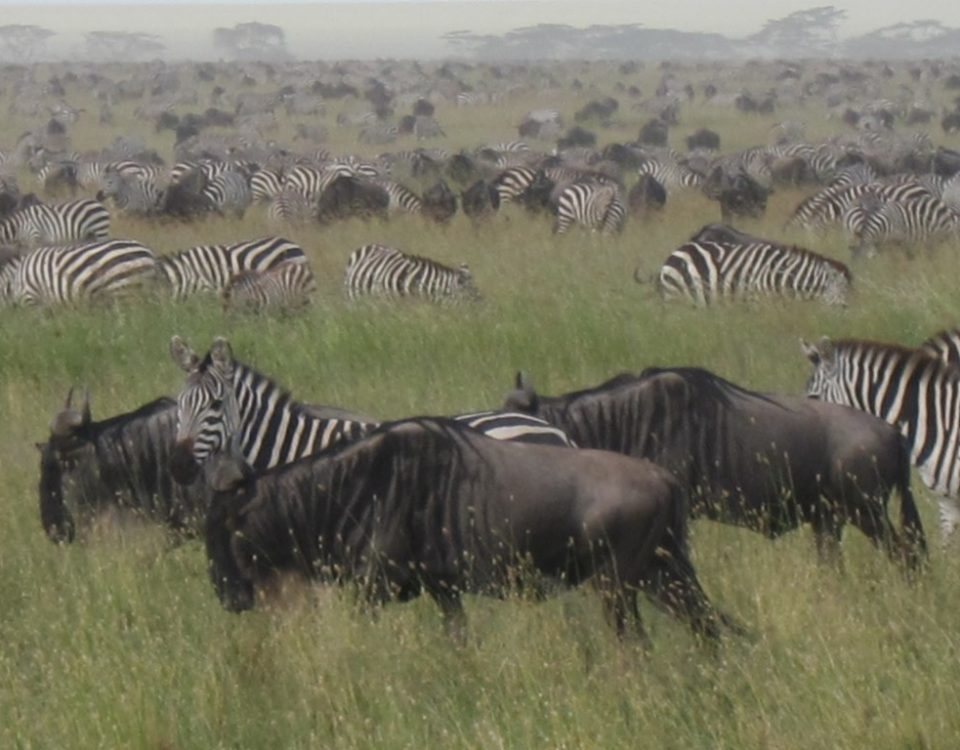
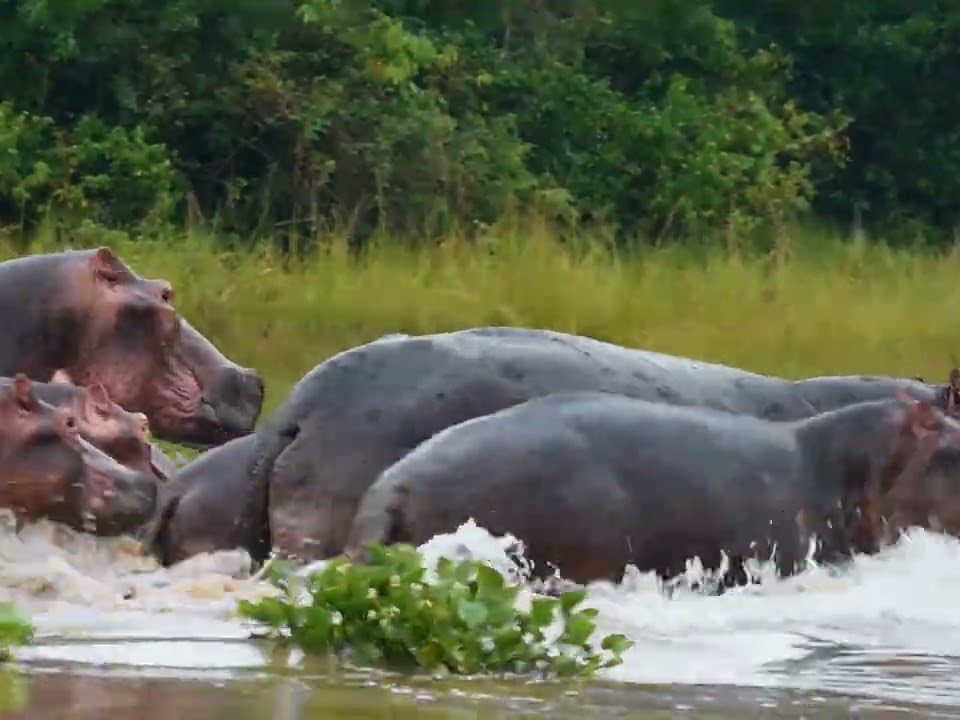
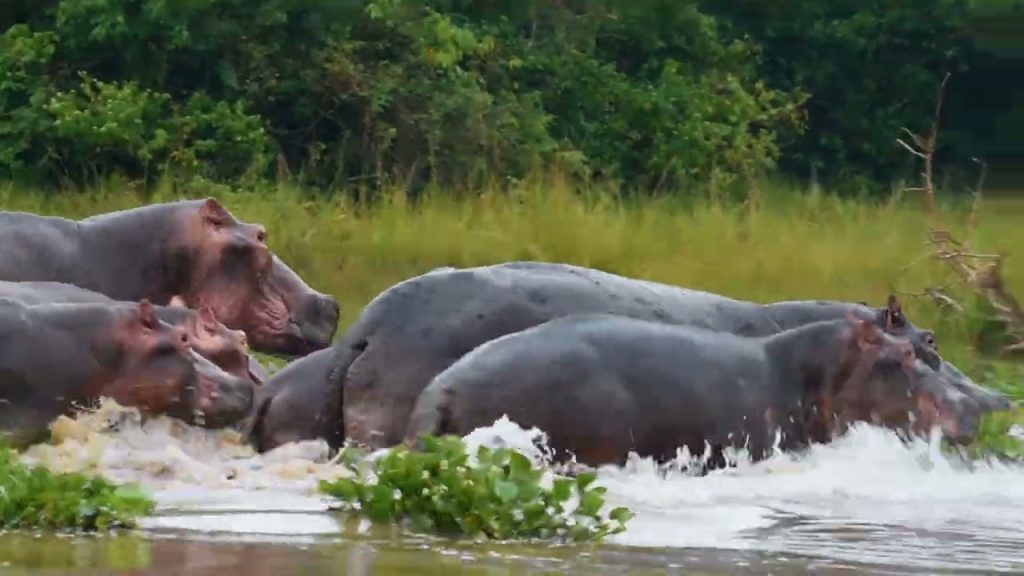
During Tanzania’s dry season, Katavi’s shrinking water sources concentrate genuinely enormous numbers of wildlife around the park’s remaining pools and rivers, creating spectacle-level game viewing, hundreds of hippos crowded into single pools, large buffalo herds, and significant predator activity, that rivals or exceeds more famous destinations during this specific season.
What Photographers Should Know About Katavi
The park’s dramatic dry-season wildlife concentrations offer genuinely exceptional photography opportunities, particularly around shrinking water sources where predator-prey interactions and sheer animal density create scenes rarely matched elsewhere, though photographers should prepare for dusty, challenging light conditions typical of peak dry season.
Katavi’s Big Cat and Predator Populations
Katavi hosts healthy populations of lions and other predators drawn to the dry-season wildlife concentrations, offering genuinely excellent predator viewing for travelers visiting during the right season, often without another vehicle in sight given the park’s low overall visitor numbers.
The Genuine Sense of Solitude
Perhaps Katavi’s most distinctive appeal is the profound sense of solitude it offers, safari-goers here routinely experience entire days without encountering another vehicle, a genuinely rare quality increasingly difficult to find at Africa’s more established, heavily visited parks.
How Katavi Compares to Ruaha and the Southern Circuit
While both Katavi and Ruaha offer genuine remoteness compared to Tanzania’s northern parks, Katavi sits considerably further west and sees even fewer visitors than Ruaha, making it the more extreme choice for travelers specifically prioritizing maximum isolation over the somewhat more developed, though still relatively quiet, southern circuit infrastructure.
Best Time to Visit Katavi
The dry season, roughly June through October, offers by far the most dramatic wildlife viewing as animals concentrate around shrinking water sources, while the wet season transforms much of the park into considerably less accessible, dispersed terrain with correspondingly less concentrated wildlife.
Katavi’s Bird Life
Beyond its mammal populations, Katavi’s varied wetland and woodland habitat supports genuinely rich birdlife, adding further depth for travelers with a broader wildlife interest beyond the park’s headline dry-season mammal spectacle alone.
Getting to Katavi
Most visitors reach Katavi via a light aircraft charter flight from Arusha or other Tanzania hubs, a genuinely significant logistical and cost consideration that shapes Katavi’s exclusive, low-volume visitor profile.
Accommodation Options in Katavi
Given the park’s remote, low-visitor character, accommodation options remain limited to a small number of genuinely high-quality camps, reflecting Katavi’s positioning as a premium, exclusive wilderness destination rather than a mass-market safari stop.
Combining Katavi With Mahale Mountains
Travelers already making the journey to western Tanzania sometimes combine Katavi with nearby Mahale Mountains National Park’s chimpanzee tracking, creating a genuinely comprehensive western Tanzania wilderness itinerary within a single extended trip.
Who Katavi Genuinely Suits
Katavi suits experienced safari travelers who’ve already visited Tanzania’s more accessible parks and are specifically seeking genuine remoteness, dramatic dry-season wildlife spectacle, and a level of exclusivity unmatched by the country’s more famous circuits.
What a Typical Katavi Game Drive Looks Like
During peak dry season, a Katavi game drive can involve genuinely overwhelming wildlife density around remaining water sources, hundreds of hippos competing for space in shrinking pools, buffalo herds numbering in the hundreds, and predators taking advantage of the concentrated prey, creating a sensory scale of wildlife viewing that surprises even experienced safari travelers.
Katavi’s Landscape Beyond the Water Sources
Beyond its famous dry-season concentrations, Katavi’s broader landscape includes miombo woodland, open floodplains, and seasonal lakes, creating genuinely varied terrain and habitat types across the park’s substantial overall area.
Why Katavi’s Low Visitor Numbers Matter for the Experience
Beyond simple exclusivity, Katavi’s low visitor density means wildlife here behaves in genuinely less habituated, more naturally wary ways than at heavily visited parks, offering a wilder, less choreographed safari experience for travelers who value authenticity over guaranteed close-range photo opportunities.
Cost Considerations for a Katavi Trip
Given the required charter flights and premium camp positioning, a Katavi safari typically costs meaningfully more than a comparable trip to Tanzania’s northern circuit, a genuine investment that reflects both the logistics involved and the exclusivity of the resulting experience.
Common Questions About Visiting Katavi
Travelers frequently ask whether Katavi is safe given its remoteness, and yes, the park operates under the same professional safety standards as Tanzania’s other national parks, with experienced guides and well-run camps managing the logistics of this more isolated destination. Visitors also ask how many days to budget for Katavi specifically, and most itineraries recommend at least two to three nights given the flight time and cost involved in reaching the park.
How Katavi’s Hippo Pools Create a Uniquely Intense Spectacle
As the dry season progresses, Katavi’s shrinking pools sometimes host hundreds of hippos crammed into a single remaining body of water, a genuinely intense, almost surreal wildlife spectacle that photographers and documentary crews specifically travel to Katavi to capture, since few other locations in Africa concentrate this species so dramatically.
Why Katavi Rewards Travelers With Genuine Patience
Given its emphasis on authentic, less choreographed wildlife encounters, Katavi genuinely rewards travelers willing to spend unhurried time waiting and watching, rather than expecting the rapid-fire sightings more common at heavily trafficked parks with higher vehicle density.
How This Destination Fits Serious Repeat Africa Travelers’ Itineraries
Travelers who have already completed Tanzania’s northern circuit and several other major East African parks often specifically seek out Katavi next, treating its extreme remoteness and genuine wildlife spectacle as a fitting next chapter in an increasingly serious, well-traveled African safari history.
How Katavi’s Buffalo Herds Rank Among Africa’s Largest
Katavi hosts some of the largest buffalo herds found anywhere on the continent, gatherings that can number in the thousands during peak dry season, creating a genuinely overwhelming visual spectacle as these massive herds move across the park’s open floodplains in search of remaining grazing and water.
Predators naturally follow these concentrations, meaning a single well-timed game drive near a major buffalo herd can deliver genuinely dramatic predator-prey interactions unlikely to be matched at less concentrated destinations.
Why Katavi Suits Travelers Seeking a True Off-Grid Experience
Given its minimal infrastructure and genuinely limited camp options, Katavi appeals specifically to travelers seeking an authentic off-grid wilderness experience, disconnected from mobile signal and the conveniences more developed parks increasingly offer, a deliberate tradeoff many serious safari-goers actively seek out.
How Local Guides Bring Genuine Depth to a Katavi Safari
Given how much of Katavi’s landscape and wildlife behavior differs from Tanzania’s more familiar northern parks, experienced local guides bring genuinely essential knowledge, helping visitors understand and interpret dry-season concentration patterns that would otherwise be difficult to predict or fully appreciate.
Why This Destination Rewards a Second or Third Tanzania Visit
Travelers who’ve already experienced the Serengeti and Ngorongoro Crater on previous trips often find Katavi offers exactly the kind of genuinely different, more challenging wilderness experience that makes returning to Tanzania feel like discovering an entirely new country rather than repeating a familiar itinerary.
Why This Park’s Reputation Continues Spreading Slowly
Word of Katavi’s genuine wildlife spectacle continues spreading gradually among experienced safari travelers and photographers, a slow, organic growth in recognition that many visitors quietly hope continues at its current measured pace rather than accelerating into mass tourism. Documentary footage and specialist photography publications have played a genuine role in this gradual awareness, introducing audiences who may never have otherwise heard of Katavi to its remarkable dry-season spectacle.
Why Katavi Deserves a Place in Any Serious Africa Bucket List
Given how genuinely rare true wilderness solitude has become across the continent, Katavi’s continued existence as a functioning, low-visitor ecosystem deserves recognition as one of Africa’s last authentic frontier safari experiences, worth prioritizing before increasing visitor interest inevitably changes its current character.
Planning Your Katavi Safari
Working with an experienced operator to navigate the flight logistics and seasonal timing ensures a genuinely rewarding visit to one of Africa’s last truly remote wilderness areas as part of your broader East Africa safari, a destination that consistently reshapes what experienced travelers thought they already knew about Tanzania’s wildlife possibilities, and one that rewards every bit of effort required to reach it, leaving even seasoned safari veterans genuinely amazed.
Recommended Tours: 12-Day Uganda Gorilla Tours and Kenya Great Migration Safaris | 10 Days Ultimate Uganda Gorilla & Big Five Safari