Meru National Park: Kenya’s Comeback Park and Its Rhino Sanctuary
Meru National Park stands as one of Kenya’s most compelling conservation comeback stories, a park that suffered devastating poaching losses in the 1980s and 1990s before a sustained, deliberate recovery effort restored it into a genuine wilderness destination anchored by a well-protected rhino sanctuary. Made internationally famous decades earlier as the setting for Joy and George Adamson’s lion conservation work, Meru offers travelers a genuinely rewarding, less crowded safari alternative to Kenya’s more famous parks. This guide covers what makes Meru worth the journey, from its remarkable recovery story through to its enduring connection to conservation history.
From Devastation to Recovery
Meru’s wildlife populations suffered severe losses to poaching during the 1980s and 1990s, a period that nearly emptied the park of its most significant species, making the subsequent recovery effort, restocking rhino populations and rebuilding broader wildlife numbers, a genuinely significant conservation achievement worth appreciating on its own merits.
The Meru Rhino Sanctuary
Meru’s protected rhino sanctuary provides secure, closely monitored habitat for both black and white rhino populations, part of the broader recovery effort that has transformed the park from a poaching casualty into a genuine conservation success story.
Meru’s River Systems
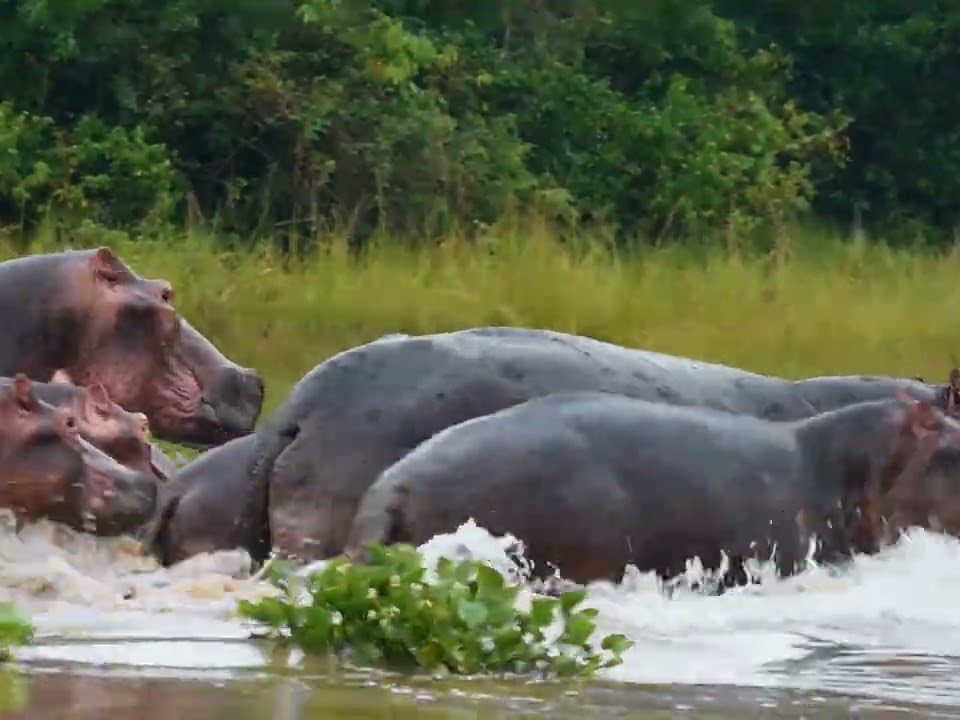
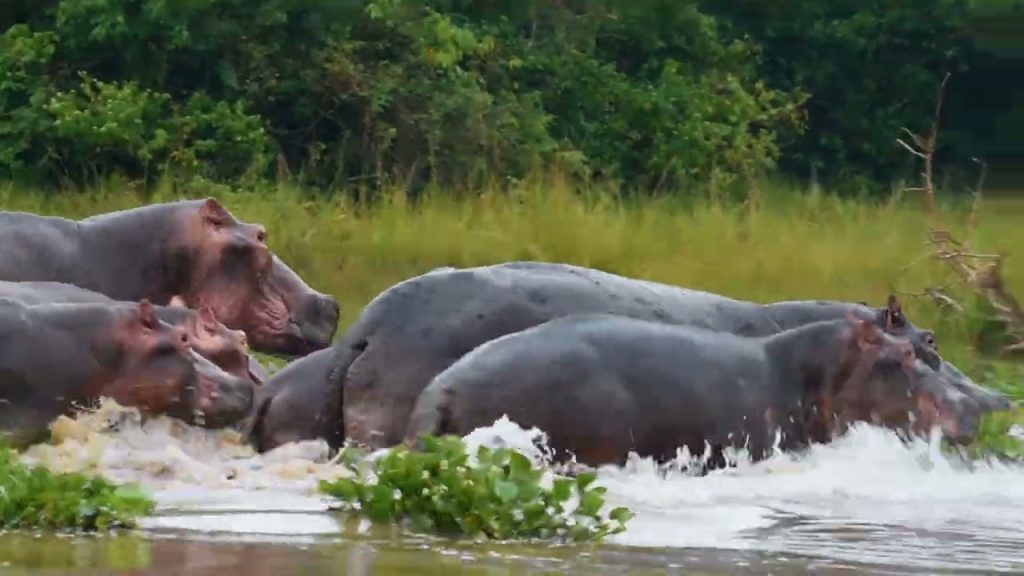
The park’s numerous rivers, including the Tana and Rojewero, sustain genuinely lush riverine habitat that supports higher wildlife density along their banks than the surrounding drier bush, making riverside game drives particularly rewarding, especially during drier months when animals concentrate near reliable water.
A Genuinely Varied Landscape
Meru’s landscape combines riverine forest, swamp, and open savannah, crossed by numerous rivers and streams, creating genuinely varied habitat and scenery distinct from the more uniform grassland found at some of Kenya’s other major parks.
Why Meru Sees Fewer Visitors
Despite its genuine recovery and remarkable wildlife, Meru remains considerably less visited than the Maasai Mara or Amboseli, a combination of its historical poaching reputation and more remote location that has paradoxically preserved a genuinely uncrowded, exclusive safari experience.
Wildlife Beyond the Rhino Sanctuary
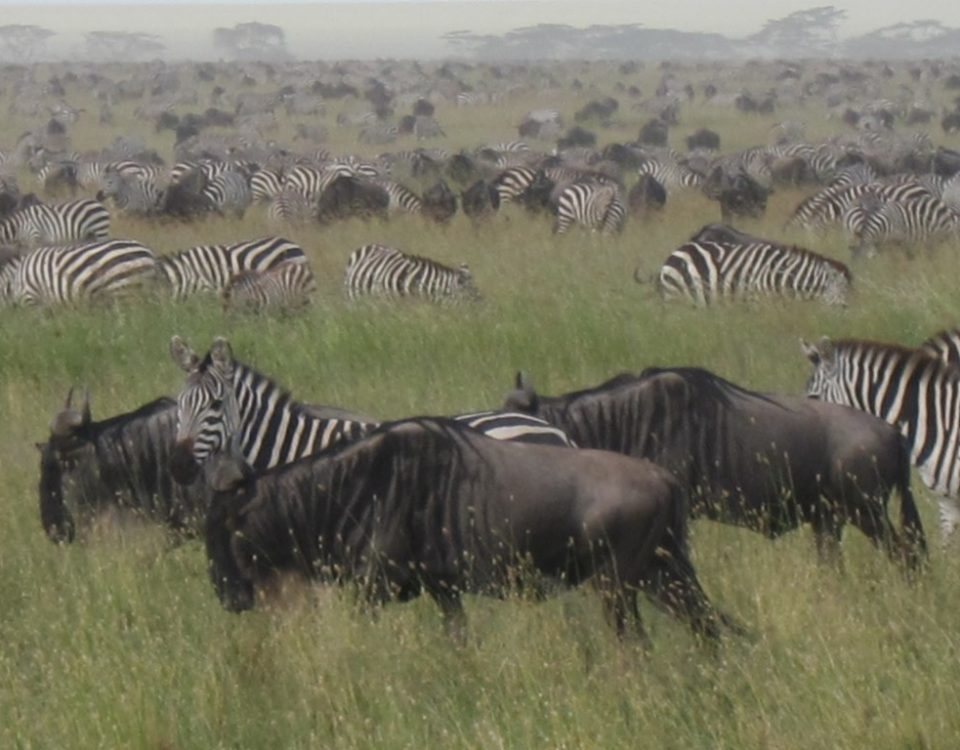
Beyond its protected rhinos, Meru supports elephants, lions, leopards, and a wide range of antelope species, alongside genuinely excellent birdlife drawn to the park’s numerous rivers and varied habitat.
The Adamsons’ Legacy at Meru
Meru’s international fame traces back to George and Joy Adamson’s pioneering lion conservation and rehabilitation work here, a story that later inspired global interest in African wildlife conservation and continues to give the park genuine historical significance beyond its current wildlife offerings.
Best Time to Visit Meru
The dry season, roughly June through October and January through February, offers the most reliable wildlife viewing conditions, though Meru’s river systems support genuinely rewarding game viewing across a wider seasonal window than some more rainfall-dependent parks.
Getting to Meru
Most visitors reach Meru via a scheduled or charter flight from Nairobi, a genuine logistical consideration that shapes the park’s lower-volume, more exclusive visitor profile compared to Kenya’s more accessible southern parks.
Why Meru Appeals to Conservation-Minded Travelers
Travelers specifically interested in supporting and witnessing tangible conservation recovery, rather than simply visiting an already-established destination, find Meru genuinely compelling given its documented recovery from near-devastation to functioning wilderness.
How the Recovery Effort Actually Worked
Rebuilding Meru’s wildlife populations required a genuinely sustained, multi-decade commitment, combining intensive anti-poaching security, careful rhino restocking from other protected populations, and habitat management, a methodical process that offers a genuinely instructive model for similar conservation recovery efforts elsewhere on the continent.
Born Free and Meru’s Global Fame
The Adamsons’ work at Meru, later chronicled in the book and film Born Free, introduced global audiences to African wildlife conservation in a genuinely influential way, and the park’s connection to this story continues drawing visitors specifically interested in this piece of conservation history.
Why Elsa the Lioness Remains Genuinely Significant
Elsa, the lioness at the center of the Born Free story, represented one of the earliest widely publicized examples of successful wild animal rehabilitation and release, a genuinely groundbreaking case that shaped public understanding of conservation possibilities well beyond Meru’s own boundaries.
How Meru’s Rivers Create Genuinely Distinct Game Drive Zones
Given the park’s numerous waterways, experienced guides plan routes deliberately around riverine corridors during drier months, when wildlife concentration along these reliable water sources genuinely improves sighting density compared to the drier surrounding bush.
Why This Park Rewards Travelers Seeking Genuine Exclusivity
Given its comparatively low visitor numbers even during peak season, Meru offers travelers a genuinely rare opportunity to experience quality Big Five wildlife viewing without the vehicle congestion common at Kenya’s more famous parks.
How This Destination Fits a Broader Northern Kenya Circuit
Travelers exploring Samburu and Lewa often find Meru fits naturally into the same broader northern Kenya itinerary, given the shared emphasis on genuine conservation storytelling and comparatively uncrowded wildlife viewing.
Common Questions About Visiting Meru
Travelers frequently ask whether Meru is safe given its poaching history, and yes, the park now operates under genuinely robust security and ranger protection, with the historical poaching crisis firmly a matter of past record rather than a current concern for visitors. Visitors also ask how Meru compares to Kenya’s more famous parks in wildlife density, and while Meru’s overall density runs somewhat lower than the Maasai Mara’s peak migration season, its uncrowded, genuinely wild character offers real compensating value for travelers prioritizing exclusivity.
Why Meru Rewards Travelers Willing to Go Further
Meru’s relative remoteness and lower profile mean it rewards travelers specifically willing to prioritize genuine wilderness and conservation significance over convenience, offering a meaningfully different kind of Kenya safari experience than the country’s more accessible southern circuit.
Why This Park’s Recovery Offers Genuine Hope for Other Sites
Meru’s documented transformation from near-devastation to functioning wilderness genuinely offers a replicable case study for other African parks facing similar historical poaching crises, evidence that sustained investment and security improvements can meaningfully reverse even severe wildlife loss.
How This Destination Suits Photographers Wanting Genuine Solitude
Given its comparatively low visitor numbers, Meru offers photographers considerably more uninterrupted time at wildlife sightings than the often crowded viewing conditions found at Kenya’s more famous parks.
Why Local Guides Bring Genuine Historical Depth to a Meru Visit
Beyond simple wildlife spotting, knowledgeable Meru guides genuinely enrich a visit by sharing both the park’s recovery story and its connection to the Adamsons’ pioneering conservation work, transforming a standard game drive into something considerably richer.
How This Park Reflects Kenya’s Broader Conservation Journey
Meru’s story genuinely illustrates the same broader pattern visible across several of Kenya’s protected areas, historical wildlife crisis followed by sustained recovery investment, a narrative arc that adds real depth to appreciating the country’s conservation landscape as a whole.
Why This Trip Rewards Travelers Building a Complete Kenya Picture
Travelers who genuinely want to understand Kenya’s full wildlife heritage, not just its famous southern circuit, find Meru offers a considerably different, more introspective addition to what might otherwise become a fairly standard, predictable itinerary.
Why This Story Rewards Genuine Reflection
Taking a moment to genuinely consider how a park can recover from near-total wildlife loss offers a compelling reminder of what sustained conservation commitment can actually achieve given enough time and resources.
How This Destination Fits Travelers With Genuine Time Flexibility
Given the flight logistics involved, Meru suits travelers with a longer overall Kenya itinerary and real flexibility, rather than those working within a tightly compressed schedule focused purely on the southern circuit.
Why This Park Deserves Continued International Attention
Given how genuinely significant Meru’s recovery story remains, sustained international awareness and support genuinely matter for ensuring this comeback park continues receiving the resources needed to protect its rebuilt wildlife populations.
Why This Landscape Rewards Genuine Patience and Curiosity
Much like other genuinely off-the-beaten-path destinations, Meru rewards travelers who approach their visit with patience and curiosity rather than expecting the polished, predictable experience of Kenya’s more established parks.
How This Destination Rewards Travelers Who Value Discovery
For travelers who genuinely enjoy uncovering lesser-known corners of a country beyond its headline attractions, Meru offers exactly that kind of discovery, a place with a genuinely compelling story most visiting travelers never even hear about.
Why Ranger Dedication at Meru Deserves Genuine Recognition
The rangers and conservation teams who sustained Meru’s decades-long recovery genuinely deserve recognition for their persistent, often unglamorous work, a professional dedication visitors can sense firsthand during a well-guided visit.
Why Even Repeat Kenya Visitors Find Meru Genuinely Worthwhile
Travelers who’ve already completed a standard southern circuit trip on a previous visit often choose Meru specifically to round out their Kenya experience, treating its comeback story as a genuinely worthwhile next layer of exploration.
Why This Story Remains Genuinely Relevant Today
Meru’s recovery genuinely remains an ongoing, active conservation effort rather than a finished story, meaning continued tourism support directly matters to sustaining the progress achieved so far.
Planning Your Meru Safari
Working with an experienced operator to navigate the flight logistics and combine Meru with your broader Kenya itinerary ensures a genuinely rewarding visit to this remarkable comeback park during your East Africa safari, connecting you directly to a genuinely inspiring piece of conservation history.
Recommended Tours: 12-Day Uganda Gorilla Tours and Kenya Great Migration Safaris | 10 Days Ultimate Uganda Gorilla & Big Five Safari