
Mount Kenya National Park: Climbing Africa’s Second-Highest Peak
Mount Kenya National Park protects Africa’s second-highest mountain, a genuinely dramatic, glacier-capped peak that offers hikers a technically varied, considerably less crowded alternative to the more famous Kilimanjaro climb across the border in Tanzania. With multiple route options ranging from accessible trekking peaks to genuinely technical mountaineering summits, Mount Kenya rewards climbers with dramatic alpine scenery and a real sense of accomplishment. This guide covers what a Mount Kenya climb genuinely involves, from route selection through to the acclimatization planning that makes a summit attempt succeed.
Mount Kenya’s Three Distinct Summits
Mount Kenya features three main peaks, Batian and Nelion, both requiring genuine technical climbing skills and equipment to reach, and Point Lenana, a considerably more accessible trekking peak that most visitors target as their realistic summit goal.
Point Lenana: The Accessible Summit
Point Lenana, reachable via a demanding but non-technical trek rather than requiring rock climbing skills, represents the genuine goal for the vast majority of Mount Kenya visitors, offering spectacular views and a real sense of achievement without the specialized mountaineering equipment Batian and Nelion demand.
Why Mount Kenya Offers a Different Experience Than Kilimanjaro
Compared to Kilimanjaro’s more straightforward, non-technical trekking routes, Mount Kenya offers genuinely more varied terrain and, for those attempting the technical peaks, real rock climbing challenge, appealing to hikers and climbers seeking something beyond a purely walking-based summit experience.
Main Climbing Routes
Several established routes lead up Mount Kenya, including the Naro Moru, Sirimon, and Chogoria paths, each offering distinct scenery and difficulty profiles, with many climbers choosing to ascend via one route and descend via another to maximize scenic variety across the trek.
Altitude and Acclimatization
Given Point Lenana’s substantial elevation, genuine altitude sickness risk exists, and climbers should build adequate acclimatization days into their itinerary rather than rushing the ascent, a consideration that meaningfully affects how many days a realistic Mount Kenya trek requires.
Mount Kenya’s Distinctive Alpine Vegetation
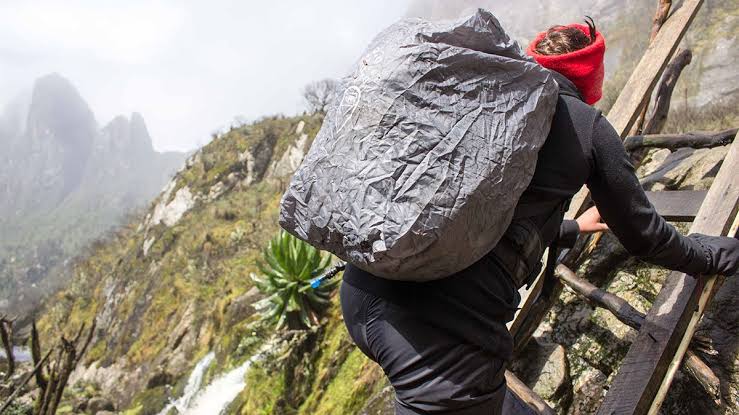
The mountain’s slopes host genuinely unusual afro-alpine vegetation, including giant lobelias and groundsels found in relatively few other locations worldwide, adding real botanical interest to the climb beyond the summit goal alone.
Mount Kenya’s Retreating Glaciers
Like many of the world’s tropical glaciers, Mount Kenya’s ice fields have retreated considerably over recent decades, a genuinely visible marker of broader climate change affecting mountain ecosystems worldwide, adding a somber but important dimension for climbers who take time to appreciate the mountain’s changing landscape.
Wildlife on the Lower Slopes
Mount Kenya’s lower forested slopes support elephants, buffalo, and various primate species, adding a genuine wildlife dimension to the early stages of the climb before the terrain transitions to higher-altitude alpine zones.
Best Time to Climb Mount Kenya
The two drier windows, roughly January through February and July through October, offer the most reliable climbing conditions, with clearer skies and firmer trail conditions than the wetter months.
What to Pack for the Climb
Beyond standard trekking gear, layered clothing for genuinely significant temperature swings, proper altitude-appropriate sleeping equipment, and sturdy waterproof boots all matter given the mountain’s varied terrain and weather conditions.
Combining Mount Kenya With a Broader Kenya Safari
Many climbers combine a Mount Kenya trek with a broader Kenya safari itinerary, pairing the physical mountain challenge with more traditional wildlife viewing across the country’s famous savannah parks.
What Makes Batian and Nelion Genuinely Technical
Reaching Mount Kenya’s two highest peaks requires genuine rock climbing skills, proper technical equipment, and an experienced mountaineering guide, placing these summits firmly outside the scope of a standard trekking holiday and squarely within serious mountaineering territory, distinct from Point Lenana’s more accessible trekking route.
How Many Days a Realistic Climb Requires
Most operators recommend a minimum of four to five days for a Point Lenana attempt, allowing adequate time for both the ascent and genuine acclimatization, with rushed itineraries considerably increasing altitude sickness risk and reducing overall summit success rates.
Why the Chogoria Route Ranks Among the Most Scenic
Many experienced climbers genuinely consider the Chogoria route the most visually spectacular approach to Mount Kenya, passing dramatic gorges, tarns, and vertical rock faces that offer considerably more varied scenery than some of the mountain’s more direct alternative routes.
How Mountain Huts Support a Multi-Day Ascent
Mount Kenya’s network of mountain huts provides genuinely essential overnight shelter along the main routes, a system that allows climbers to break the ascent into manageable daily stages while supporting the gradual acclimatization a safe summit attempt requires.
Why Porters and Guides Play Such an Essential Role
Beyond simply carrying gear, experienced Mount Kenya porters and guides bring genuine route knowledge and weather-reading expertise that considerably improves both safety and summit success rates, making their local expertise a core part of any well-planned climb rather than an optional convenience.
How Weather Can Shift Rapidly at Higher Elevations
Given the genuine unpredictability of mountain weather, conditions on Mount Kenya’s upper slopes can shift considerably within hours, making flexible scheduling and appropriate gear essential regardless of which season you choose for your attempt.
Common Questions About Climbing Mount Kenya
Travelers frequently ask whether Mount Kenya requires the same level of fitness as Kilimanjaro, and generally yes, though Point Lenana’s shorter overall trekking distance means the physical demands, while genuine, unfold across a somewhat more compact timeframe than Kilimanjaro’s longer multi-day approach. Visitors also ask whether porters are available, and yes, hiring porters remains standard practice and genuinely recommended, both for practical support and as meaningful local income.
Why Mount Kenya Appeals to Repeat East Africa Visitors
Travelers who’ve already completed a Kilimanjaro climb or a standard Kenya safari often specifically seek out Mount Kenya for its more technical terrain and considerably lower visitor numbers, offering a genuinely different, less crowded mountain experience within the same broader region.
How the Naro Moru Route Compares to the Alternatives
Often described as the most direct path up the mountain, the Naro Moru route offers genuinely straightforward access but includes a notoriously boggy “vertical bog” section that tests climbers’ patience and footwear choice well before the higher, drier alpine zone begins.
How the Sirimon Route Offers a Gentler Acclimatization Profile
Many operators favor the Sirimon route specifically for its more gradual altitude gain, a genuinely sensible choice for climbers prioritizing acclimatization over speed, particularly when combined with a Chogoria descent for maximum scenic variety across the full trek.
Historical Context: The Mountain’s First Recorded Ascents
Mount Kenya’s technical peaks were first summited in the early twentieth century by climbers who faced genuinely primitive equipment and limited route knowledge compared to today’s well-mapped paths, a history that adds real depth for climbers curious about the mountain’s mountaineering heritage.
Technical Gear Required for Batian and Nelion
Climbers attempting the technical summits need genuine rock climbing equipment, including ropes, harnesses, and protection gear, alongside the specialized skills to use them safely at altitude, requirements that place these routes firmly in different territory than the walking-based Point Lenana ascent.
Why Rope Teams Matter on the Technical Routes
Given the genuinely exposed rock sections leading to Batian and Nelion, climbing as part of a properly managed rope team with an experienced mountain guide meaningfully reduces risk compared to attempting these technical pitches independently.
Mountain Hut Accommodation Along the Route
Huts including Mackinder’s Camp and Shipton’s Camp provide genuinely welcome shelter partway up the mountain, allowing climbers to break the ascent into manageable stages rather than attempting an unrealistic single push toward the summit.
Why Weather Windows Matter for a Batian or Nelion Attempt
Given how quickly conditions can deteriorate on the technical peaks, guides typically wait for genuinely stable weather windows before committing to a summit push, sometimes adding flexible extra days to an itinerary specifically to accommodate this reality.
How Physical Training Beforehand Improves the Experience
Climbers who arrive with genuine cardiovascular fitness and some prior high-altitude trekking experience consistently report a considerably more enjoyable ascent than those attempting Mount Kenya as their first serious mountain challenge.
Why Guides Recommend Against Rushing the Itinerary
Even when time pressure tempts climbers to compress the schedule, experienced Mount Kenya guides consistently push back against shortened itineraries, since genuine acclimatization simply requires the time it requires regardless of a traveler’s preferred pace.
How This Climb Fits Into a Broader East Africa Mountain Circuit
Travelers who have already climbed Kilimanjaro sometimes specifically seek out Mount Kenya next, drawn by its more technical character and the chance to compare two of Africa’s most significant peaks within a single broader trip.
Why This Mountain Rewards Travelers Willing to Prepare Properly
Mount Kenya genuinely rewards climbers who invest real preparation time, both physical training beforehand and honest route research, rather than treating the mountain as a casual add-on to a broader Kenya itinerary, since the terrain and altitude demand genuine respect regardless of which route or peak you ultimately choose.
Planning Your Mount Kenya Climb
Working with an experienced operator to choose the right route and build adequate acclimatization time ensures a genuinely rewarding, safe climb as part of your broader East Africa adventure, one that pairs a serious mountain achievement with the wildlife encounters the region is best known for.
Recommended Tours: 12-Day Uganda Gorilla Tours and Kenya Great Migration Safaris | 10 Days Ultimate Uganda Gorilla & Big Five Safari