


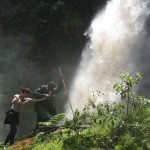
Upemba National Park: DR Congo’s Little-Known Wetland Wilderness
Upemba National Park protects a genuinely vast, ecologically distinctive expanse of high-altitude wetland, lake, and savannah wilderness in southeastern Democratic Republic of Congo, one of Africa’s oldest protected areas and yet one of its least internationally recognized, despite genuine ecological significance that rivals better-known Central African parks. This guide covers what makes Upemba worth knowing about, even for travelers unlikely to visit given its genuine remoteness, and how it fits into the broader Central African conservation picture.
A Genuinely Vast and Varied Landscape
Upemba’s substantial size encompasses a genuinely varied mix of wetland, lake systems, and savannah plateau, creating ecological diversity within a single protected area that few other Central African parks can match at this scale.
The Unique Lake and Wetland Systems
Upemba’s chain of lakes and wetlands, including Lake Upemba itself, support genuinely distinctive aquatic and wetland-adapted wildlife, creating habitat found in relatively few other locations across the broader region.
One of Africa’s Oldest Protected Areas
Established in 1939, Upemba ranks among Africa’s earliest formally protected areas, reflecting recognition, even decades ago, of the region’s exceptional ecological significance.
Historical Wildlife Populations
Upemba historically supported significant populations of large mammals adapted to its varied wetland and savannah habitat, though like many DRC protected areas, the park has faced genuine conservation challenges affecting wildlife numbers over recent decades.
Why Upemba Remains So Little Known
Despite its genuine scale and historical significance, Upemba receives minimal international recognition compared to more famous African parks, a combination of its remote location, limited accessible infrastructure, and the broader challenges facing DRC conservation more generally.
Ongoing Conservation Efforts
Conservation organizations continue working to support Upemba’s protection and wildlife recovery, representing a genuinely important, if underappreciated, piece of the broader Central African conservation landscape.
What Species Historically Called Upemba Home
Upemba’s varied habitat historically supported large mammals including elephants, buffalo, and various antelope species adapted to its wetland and savannah mosaic, alongside a genuinely rich array of waterbirds drawn to the park’s extensive lake systems.
The Ecological Significance of High-Altitude Wetlands
Upemba’s high-altitude wetland systems play a genuinely important regional ecological role, supporting water systems and biodiversity extending well beyond the park’s own boundaries.
Why This Park Deserves Wider Recognition
Upemba’s combination of scale, historical significance, and ecological diversity genuinely merits far more international attention and conservation support than it currently receives, a pattern common to many of DRC’s protected areas overshadowed by the country’s more famous gorilla-focused parks.
The Broader Context of DRC’s Protected Area Network
Upemba represents one piece of DRC’s genuinely extensive protected area network, a system that, despite facing significant conservation challenges, continues protecting remarkable biodiversity across the country’s vast territory.
What Made Upemba Historically Significant
Early conservationists recognized Upemba’s exceptional value specifically because of its unusual combination of wetland, lake, and savannah plateau habitats within a single protected area, an ecological diversity that made the park a genuine priority for protection even in the earliest decades of formal African conservation efforts.
How DRC’s Broader Instability Has Affected Upemba
Like several of DRC’s protected areas, Upemba has experienced periods where regional instability limited effective park management and wildlife monitoring, a genuine challenge shared across much of the country’s conservation network that international partners continue working to address.
Why Upemba’s Elevation Sets It Apart Ecologically
Unlike many of Central Africa’s better-known lowland rainforest parks, Upemba’s genuinely high-altitude plateau setting supports an entirely different ecological community, one shaped by cooler temperatures and distinct seasonal wetland cycles rather than the dense, humid forest most travelers associate with DRC conservation.
How Upemba Compares to Better-Known East African Wetland Parks
While considerably less accessible than East Africa’s wetland destinations, Upemba’s underlying ecological function, supporting migratory waterbirds and wetland-adapted mammals across a vast lake and marsh system, genuinely parallels the role played by more visited parks, illustrating how much comparable habitat remains protected but largely unseen across the wider region.
Why Researchers Continue Studying Upemba Despite Access Challenges
Scientific interest in Upemba’s unique high-altitude wetland ecology has genuinely persisted despite the park’s access difficulties, with researchers recognizing that understanding this specific ecosystem type contributes meaningfully to broader African wetland conservation knowledge even when field visits remain logistically demanding.
How International Conservation Partners Support Upemba
Various international conservation organizations have genuinely invested in supporting DRC’s protected area network, including Upemba, providing technical expertise, funding, and monitoring support that helps sustain baseline protection even amid the country’s broader governance and security challenges.
Why Upemba’s Story Reflects a Broader Pattern Across Africa
Upemba’s combination of genuine ecological significance and minimal public recognition reflects a pattern visible across numerous African protected areas, where conservation value and tourism fame frequently diverge considerably, leaving genuinely important ecosystems under-resourced despite their real biodiversity contribution.
Common Questions About Upemba
Travelers occasionally ask whether Upemba is realistically visitable today, and given the combination of remote location and variable regional conditions, any potential visit would require genuinely specialized planning well beyond standard East Africa safari logistics. Visitors also ask how Upemba compares to Garamba in current accessibility, and both parks face broadly similar remoteness and logistics challenges, though specific current conditions at each require independent, up-to-date verification rather than generalized assumptions.
Why Lesser-Known Parks Like Upemba Still Matter
Parks like Upemba, despite receiving minimal tourism attention, continue playing genuinely significant roles in regional biodiversity and water system protection, a reminder that conservation value doesn’t always correlate with international fame or visitor accessibility.
Why Understanding Upemba Enriches a Broader Africa Perspective
Travelers who take a genuine interest in parks like Upemba, even without any realistic plan to visit, often come away with a considerably richer understanding of just how vast and varied Africa’s conservation landscape truly is beyond the handful of destinations most itineraries actually cover.
Why Upemba’s Naming Reflects Its Central Water System
The park takes its name directly from Lake Upemba, the largest of its interconnected lake and wetland systems, a naming choice that genuinely underscores just how central these water bodies are to the entire protected area’s ecological identity and function.
How Upemba’s Wildlife Recovery Efforts Compare to Other DRC Parks
While facing genuinely significant historical population declines, Upemba’s recovery trajectory broadly mirrors patterns seen across several of DRC’s protected areas, where sustained conservation investment and improved regional stability have gradually allowed wildlife numbers to show early signs of recovery in some monitored zones.
Why Wetland Bird Migration Makes Upemba Regionally Significant
Beyond resident wildlife, Upemba’s extensive wetland systems likely support genuinely important stopover habitat for migratory waterbirds moving across Central and Southern Africa, a role that connects the park’s conservation value to bird populations traveling far beyond its own borders.
What a Hypothetical Future Visit Might Involve
Should regional conditions and infrastructure improve sufficiently to support tourism, a genuine Upemba visit would likely center on its lake systems and savannah plateau, offering a considerably different wilderness experience than the forest-focused gorilla trekking most visitors currently associate with DRC.
Why Comparing Upemba to Garamba Helps Frame DRC’s Broader Park Network
Both parks illustrate a genuinely similar story, exceptional historical ecological significance combined with considerable modern accessibility challenges, together painting a fuller picture of DRC’s conservation landscape than the country’s single most famous gorilla-trekking destination alone could ever convey.
Why This Kind of Background Knowledge Matters for Serious Africa Travelers
Even travelers with no realistic plans to visit Upemba benefit genuinely from understanding it exists, since this broader awareness deepens appreciation for exactly how much of Africa’s protected wilderness remains entirely outside the small handful of destinations most safari itineraries actually cover.
Why Long-Protected Status Doesn’t Guarantee Modern Visibility
Upemba’s status as one of Africa’s oldest protected areas genuinely underscores an important lesson, that early formal protection alone doesn’t guarantee sustained international recognition or tourism development, a gap shaped considerably more by geography, infrastructure, and regional stability than by the underlying ecological value that originally justified protection.
How This Kind of Park Fits Into a Broader Educational Travel Perspective
For travelers genuinely curious about the full scope of African conservation beyond their own itinerary, researching parks like Upemba before or after a trip adds a meaningful layer of context, connecting the specific destinations they visit to the considerably larger, often invisible network of protected wilderness across the continent.
Why Upemba’s Story Is Worth Sharing Beyond Dedicated Conservationists
While Upemba’s specific details might primarily interest researchers and dedicated conservation followers, the broader lesson it offers, that Africa’s genuine ecological wealth extends dramatically further than any single safari circuit reveals, resonates with any traveler who leaves a trip wanting to understand the continent more fully.
Why This Perspective Enriches Even a Standard Gorilla Trekking Trip
Travelers who understand parks like Upemba exist alongside the region’s more famous gorilla trekking destinations often return home with a genuinely more nuanced sense of Central Africa’s conservation reality, one shaped by both remarkable success stories and ongoing challenges rather than a single simplified narrative.
Learning More About Central Africa’s Conservation Landscape
Understanding parks like Upemba adds genuine depth to appreciating the broader Central African conservation picture, connecting the more accessible gorilla trekking destinations most travelers visit to the wider, often underappreciated regional conservation landscape that extends well beyond any single trip’s itinerary.
Recommended Tours: 7 Days Classic Rwanda Safari | 3 Days Bwindi Gorilla Trekking Safari


















