Bushbucks: Where and When to See Them in East Africa
Bushbucks offer travelers a genuinely reliable, if often overlooked, antelope sighting across East Africa’s forest-edge and thicket habitat, a shy, solitary species whose striking spotted and striped coat pattern rewards attentive observers willing to look beyond the more commonly discussed savannah grazers. Understanding where this forest-adapted antelope concentrates and its distinctive behavior helps travelers appreciate a genuinely underrated sighting. This guide covers where and when to look, along with the behavior and biology that make bushbucks a rewarding, if quiet, addition to any safari.
Where Bushbucks Are Found Across East Africa
Bushbucks range across forest edges, thickets, and riverine vegetation throughout Uganda, Kenya, and Tanzania’s protected parks, favoring cover-rich habitat rather than the open plains associated with many other antelope species.
Bwindi and Uganda’s Forest Parks
Uganda’s forest parks, including Bwindi and Kibale’s edges, offer genuinely reliable bushbuck sightings for travelers already visiting for gorilla or chimpanzee trekking, given the species’ preference for exactly this kind of forest-edge habitat.
Queen Elizabeth and Murchison Falls, Uganda
Both savannah parks host bushbucks within their riverine and thicket sections, offering additional sighting opportunities alongside the parks’ broader wildlife.
Why Bushbucks Favor Cover Over Open Ground
Unlike open-plains antelope species that rely on herd numbers and visibility for predator detection, bushbucks favor dense cover, using concealment rather than group vigilance as their primary survival strategy.
Distinctive Coat Pattern and Appearance
Bushbucks display a genuinely striking chestnut coat marked with white spots and stripes, a pattern that provides excellent camouflage within the dappled light of forest-edge habitat.
Male vs Female Bushbuck Appearance
Male bushbucks display genuinely spiraled horns entirely absent in females, a visual distinction that helps observers quickly identify sex alongside the species’ broader spotted coat pattern shared across both males and females.
Bushbuck Behavior and Social Structure
Unlike more social antelope species, bushbucks display genuinely solitary or loosely paired behavior, typically encountered alone or in mother-offspring pairs rather than larger herds.
Best Time of Day for Bushbuck Sightings
Bushbucks tend toward crepuscular activity, most active during dawn and dusk, making early morning and late afternoon game drives or forest walks the most productive times for sightings.
Why Bushbucks Reward Attentive Observation
Given their preference for cover and generally quiet, solitary behavior, bushbucks require more attentive, patient observation than more visible open-plains species, making each sighting feel genuinely more earned.
Bushbucks During Gorilla and Chimpanzee Treks
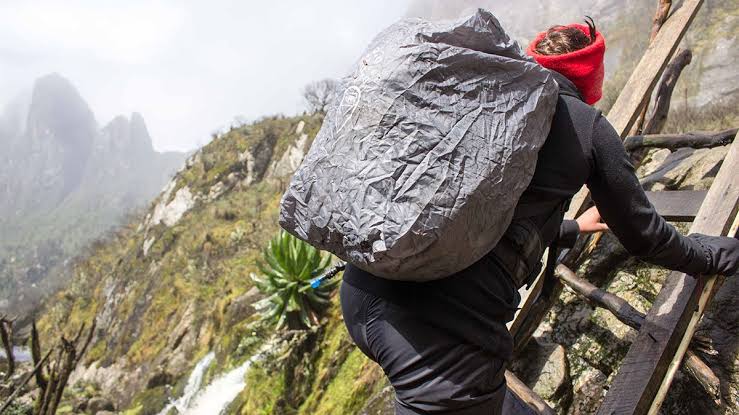
Travelers on forest treks for gorillas or chimpanzees frequently encounter bushbucks incidentally along the trail, adding a genuine wildlife bonus to what’s primarily a primate-focused activity.
How Bushbucks Differ From Their Sitatunga Relatives
Bushbucks belong to the same broader antelope group as the more water-dependent sitatunga, though bushbucks favor drier forest-edge terrain rather than the swampy, semi-aquatic habitat sitatunga specifically require, illustrating how closely related species can diverge into genuinely distinct ecological niches.
Vocal Alarm Calls Worth Recognizing
Bushbucks produce a distinctive bark-like alarm call when startled, a sound that experienced guides listen for as an indirect indicator of nearby predator activity, since bushbucks’ cover-dependent lifestyle makes them particularly attuned to detecting approaching danger before it becomes visible to human observers.
Bushbuck Diet and Feeding Habits
As primarily browsing rather than grazing animals, bushbucks feed on leaves, shoots, fruit, and other vegetation found within their forest-edge habitat, a dietary strategy that reflects their close association with cover-rich terrain rather than the open grassland favored by grazing antelope species.
Bushbuck Territorial Behavior
Male bushbucks maintain genuinely defined individual territories, marking boundaries through scent and displaying limited tolerance for rival males, a territorial system that keeps individuals spaced reasonably evenly across suitable forest-edge habitat throughout their range.
Why Bushbucks Make Surprisingly Good Camouflage Subjects for Photography
The genuine challenge of photographing a bushbuck well against its own dappled forest-edge background rewards photographers who specifically look for moments when the animal steps into slightly more open light, producing images considerably more striking than a shot taken within deep, shadowed cover.
How Bushbucks Fit Into the Broader Forest Food Web
As prey for leopards and other forest predators, bushbucks play a genuinely important ecological role within Uganda’s forest ecosystems, and their consistently alert, cover-dependent behavior reflects millions of years of evolutionary pressure from exactly this kind of predation risk.
Why Guides Often Point Out Bushbucks During Primate Treks
Experienced trekking guides frequently draw attention to a passing bushbuck even during an otherwise primate-focused walk, recognizing that many visitors, focused entirely on reaching the gorillas or chimpanzees ahead, would otherwise walk straight past a genuinely rewarding incidental sighting.
How Bushbuck Populations Vary Across Different Parks
Population density and visibility of bushbucks genuinely varies across Uganda’s different parks based on habitat quality, cover density, and historical hunting pressure, meaning some specific locations offer noticeably more reliable sighting odds than others within the same broader region.
Common Questions About Bushbuck Sightings
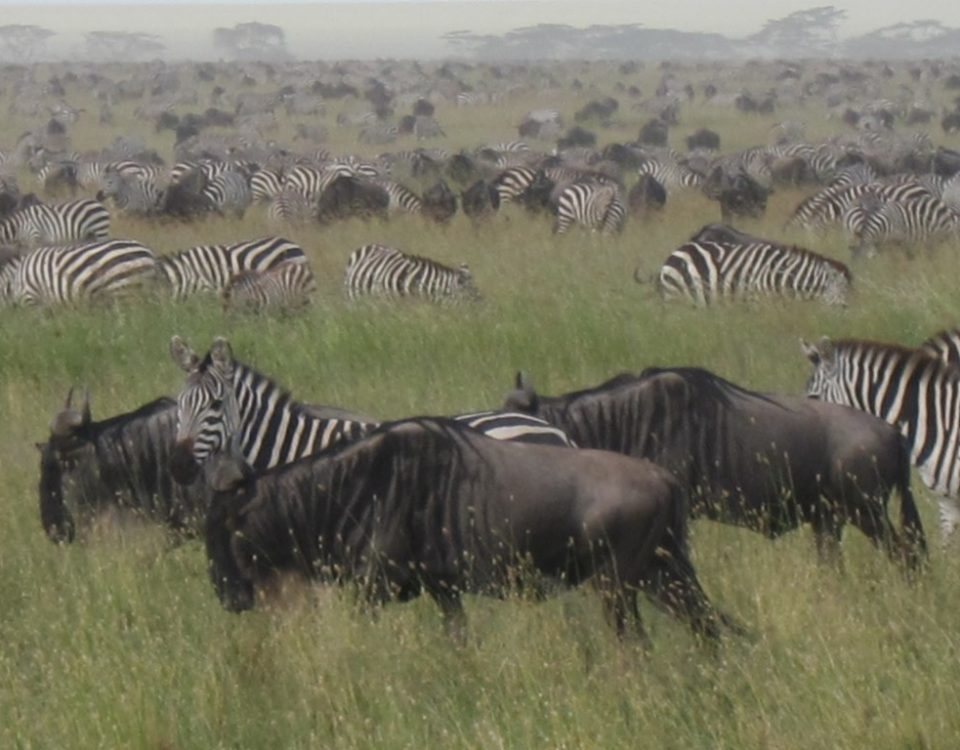
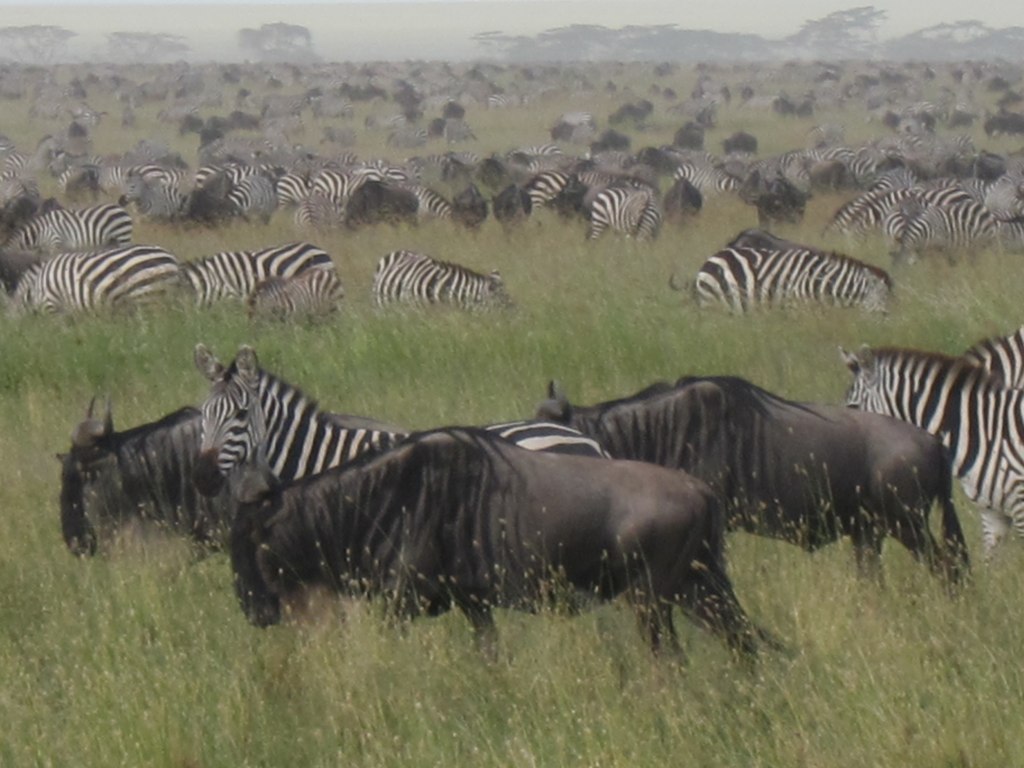
Travelers frequently ask whether bushbucks are dangerous, and generally no, their shy, retiring nature means they typically flee at the first sign of human presence rather than displaying any defensive aggression. Visitors also ask why bushbucks seem less discussed than other antelope species despite being fairly common, and their solitary, cover-dependent habits simply make them less visually dramatic and less frequently photographed than open-plains herd species like zebra or wildebeest.
Why This Underrated Species Deserves a Second Look
Far from a consolation sighting, bushbucks’ striking coat pattern and genuinely interesting solitary behavior make them worth real appreciation, particularly for travelers already exploring Uganda’s forest parks for primates who might otherwise overlook this quieter, equally rewarding species.
Why Even Experienced Safari Travelers Still Enjoy This Sighting
Unlike some species whose appeal fades with repeated exposure, bushbucks’ consistently striking coat pattern and quiet, dignified behavior mean even travelers on their fifth or sixth East Africa trip genuinely still pause to appreciate a well-lit sighting along a forest trail.
How Bushbuck Breeding Cycles Work
Unlike many East African antelope species that concentrate breeding around a specific seasonal window, bushbucks display genuinely less strict seasonal timing, with births occurring somewhat more evenly across the year, a reproductive strategy that reflects their consistent, cover-rich habitat rather than the boom-and-bust resource cycles that shape open savannah breeding patterns.
Why Young Bushbucks Remain Especially Well Hidden
Bushbuck mothers keep newborn fawns concealed in dense cover for the first weeks of life, visiting periodically to nurse rather than keeping the young animal constantly nearby, a strategy that makes fawn sightings genuinely rarer than adult encounters even within otherwise reliable bushbuck habitat.
How This Species Handles Uganda’s Varied Rainfall Patterns
Bushbucks’ reliance on browse rather than grass genuinely buffers them somewhat against the seasonal grass shortages that affect grazing antelope species during drier months, since forest-edge vegetation tends to remain available even when open grassland dries out considerably.
Why Local Trackers Read Browse Signs to Confirm Presence
Given the species’ quiet, cover-dependent behavior, experienced trackers often confirm bushbuck presence in an area through browse marks on low vegetation and distinctive hoof prints along forest-edge trails, building a working picture of activity even without a direct sighting.
How Bushbucks Compare to Other Forest-Edge Antelope
Compared to the considerably larger, more visible waterbuck or the semi-aquatic sitatunga, bushbucks occupy a genuinely distinct niche among East Africa’s forest-adjacent antelope species, favoring drier cover and displaying a noticeably more solitary, secretive lifestyle than either relative.
Why This Species Suits Travelers Building a Complete Wildlife Picture
Travelers specifically interested in understanding East Africa’s full range of antelope adaptations, from open-plains herd species through to solitary forest specialists, find bushbucks offer a genuinely instructive contrast worth deliberately seeking out rather than treating as incidental background wildlife.
Why This Species Rewards a Slower Travel Pace
Much like other cover-dependent forest wildlife, successfully appreciating a bushbuck sighting rewards travelers who build genuine unhurried time into their itinerary rather than treating every stop as a race toward the next headline attraction.
How This Species Fits a Multi-Park Uganda Itinerary
Because bushbucks appear reliably across both Uganda’s forest parks and its savannah reserves, travelers moving between multiple parks during a longer trip genuinely accumulate repeated sighting opportunities, each one offering a slightly different habitat context worth comparing.
Why This Species Makes a Genuinely Good Teaching Example
Guides often use bushbucks as a genuinely useful teaching example for newer travelers, illustrating how camouflage, solitary behavior, and habitat preference shape an animal’s visibility in ways that differ considerably from the herd-based, open-ground strategies more commonly discussed on a standard savannah game drive.
Why This Encounter Rounds Out a Complete Forest Experience
A gorilla or chimpanzee trekking trip through Uganda’s forest parks already delivers a genuinely world-class primate encounter, and staying alert for bushbucks along the same trails transforms the surrounding walk into a richer, more complete wildlife experience rather than simply the transit between vehicle and primates.
Planning a Trip With This Species in Mind
While bushbucks don’t require dedicated planning given their genuinely wide distribution, staying attentive during forest walks and early morning game drives during your East Africa safari improves your odds of a rewarding sighting.
Recommended Tours: 3 Days Bwindi Gorilla Trekking Safari | 4 Days Uganda Gorilla and Chimpanzee Tour