

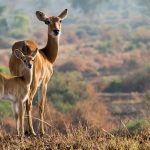
Sitatunga Antelope: Where and When to See Them in East Africa
Sitatunga antelope represent one of East Africa’s most genuinely specialized large mammals, an amphibious species with splayed hooves specifically adapted for navigating swamp and marsh habitat that would prove impassable to almost any other antelope. Understanding exactly where this elusive swamp specialist survives, and the unique boat-based approach often required for sightings, helps travelers plan a genuinely distinctive wildlife encounter. This guide covers where and when to look, along with the remarkable physical adaptations that set this species apart from every other East African antelope.
Lake Bunyonyi and Southwestern Uganda Wetlands
Uganda’s southwestern wetlands, including areas around Lake Bunyonyi, offer potential sitatunga habitat, though sightings require genuine patience and knowledge of specific marsh locations.
Saiwa Swamp National Park, Kenya
Kenya’s Saiwa Swamp National Park was specifically established to protect sitatunga habitat, making it one of the most reliable dedicated locations anywhere for observing this species, including elevated viewing platforms designed specifically for sitatunga spotting.
Semuliki Wildlife Reserve, Uganda
Semuliki’s wetland sections offer additional potential sitatunga habitat within Uganda’s broader western park network.
Why Sitatunga Are Genuinely Amphibious
Sitatunga display genuinely unique physical adaptations for swamp life, including splayed, elongated hooves that distribute weight across soft, marshy ground, allowing them to navigate terrain that would immediately mire down any other antelope species.
Why Sitatunga Sightings Require a Different Approach
Given their swamp-dependent habitat, sitatunga sightings often require boat-based viewing or elevated platforms specifically positioned to overlook marsh vegetation, a genuinely different approach than standard vehicle-based game drives.
Sitatunga Behavior and Defensive Adaptations
When threatened, sitatunga can genuinely submerge themselves in water with only their nostrils exposed, a remarkable defensive behavior that few other antelope species can replicate, reflecting their deep evolutionary adaptation to aquatic habitat.
Physical Appearance and Sexual Dimorphism
Male sitatunga display a shaggy, longer coat and spiraled horns entirely absent in females, alongside a generally larger body size, making sex identification straightforward once spotted.
What Makes the Sighting Feel So Distinctive
Watching a sitatunga move through water, half-submerged with only its head and shoulders visible above the swamp vegetation, offers a genuinely different visual experience from any standard savannah antelope sighting, a reminder of just how varied East Africa’s wildlife adaptations truly are across its diverse habitat types.
Best Time of Day for Sitatunga Sightings
Early morning and late afternoon generally offer the best sitatunga activity, as they move between resting and feeding areas within their swamp habitat during these cooler periods.
Why This Species Rewards Dedicated Effort
Given the specialized habitat and viewing approach required, a genuine sitatunga sighting feels like a meaningfully earned reward for travelers willing to seek out this species’ specific wetland strongholds.
How Sitatunga Compare to Their Bushbuck Relatives
While sitatunga share taxonomic classification with bushbucks and other spiral-horned antelope, their genuinely specialized swamp adaptations, particularly those distinctive splayed hooves, represent a striking evolutionary divergence within the same broader family, illustrating how dramatically habitat can shape physical form even among closely related species.
Why Saiwa Swamp’s Platforms Make Such a Difference
Saiwa Swamp National Park’s dedicated observation towers, purpose-built specifically for sitatunga viewing, offer genuinely elevated sightlines across the marsh vegetation that ground-level viewing simply couldn’t match, making this small, specialized park disproportionately valuable for anyone specifically pursuing this species.
How Sitatunga Diet Reflects Their Wetland Specialization
Sitatunga feed primarily on aquatic and semi-aquatic vegetation directly within their swamp habitat, a dietary specialization that keeps them genuinely tied to wetland ecosystems in a way most other browsing or grazing antelope species simply aren’t, reinforcing why dedicated wetland habitat protection matters so much for the species’ survival.
Why Sitatunga Display Such Cautious, Wary Behavior
Given their genuine vulnerability when moving between denser cover and more open water, sitatunga display consistently cautious, easily startled behavior, freezing or submerging at the slightest disturbance, a wariness that makes patient, quiet observation considerably more productive than any active approach.
How Boat-Based Viewing Changes the Sighting Experience
Unlike a standard elevated platform, a boat-based sitatunga search offers genuinely close, water-level viewing that can reveal behavioral detail, feeding technique, submersion response, and movement through vegetation, that a distant tower view might miss entirely.
Why This Species Serves as a Genuine Wetland Health Indicator
Sustained, healthy sitatunga populations genuinely reflect intact, undisturbed wetland ecosystems, making their continued presence within protected swamp habitat a useful, if informal, indicator of broader conservation success for researchers and guides monitoring these specific ecosystems.
How This Species Fits Into a Broader East Africa Wetland Circuit
Travelers specifically interested in East Africa’s wetland ecosystems often combine a sitatunga-focused stop with shoebill searches or other water-dependent species pursuits, building a genuinely dedicated wetland circuit distinct from the standard savannah-focused safari itinerary.
Common Questions About Sitatunga Sightings
Travelers frequently ask whether sitatunga can be seen alongside more common savannah wildlife on a standard game drive, and generally no, their genuinely specific wetland habitat requirements mean a dedicated detour to swamp-specific locations remains necessary for a realistic sighting chance. Visitors also ask how sitatunga avoid predators given their slow movement through water, and their submersion defense combined with the genuine difficulty predators face navigating the same swampy terrain provides meaningful protection despite their less agile land-based movement.
Why This Swamp Specialist Deserves the Detour
For travelers with a genuine interest in East Africa’s full ecological diversity, adding a dedicated sitatunga-focused stop offers a memorably different wildlife experience, proving that some of the region’s most fascinating adaptations occur far from the standard savannah safari script.
How Sitatunga Territorial Behavior Works Within Wetland Habitat
Male sitatunga maintain genuinely defined territories within suitable swamp habitat, marked through scent and defended through vocal and physical displays when necessary, a territorial system that keeps breeding males spaced reasonably evenly across the limited available wetland resource.
Why Sitatunga Populations Remain Genuinely Fragmented
Given their strict dependence on specific wetland habitat types, sitatunga populations across East Africa remain genuinely fragmented into isolated pockets separated by unsuitable terrain, a distribution pattern that makes each protected wetland stronghold disproportionately important for the species’ overall genetic diversity and survival.
How This Species Compares to Other African Swamp Specialists
Beyond sitatunga, a small number of other African antelope species have evolved comparable wetland adaptations, though few match the sitatunga’s specific combination of splayed hooves and submersion defense, making it one of the continent’s most extreme examples of habitat-driven physical specialization.
Why Photography of Sitatunga Requires Genuine Patience
Given their cautious, easily startled nature and partial submersion in vegetation, capturing a clear sitatunga photograph rewards photographers who position quietly and wait rather than actively approaching, since any sudden movement typically sends the animal deeper into cover.
How Local Guides Build Expertise Around This Elusive Species
Guides working specifically within sitatunga habitat develop genuinely detailed knowledge of feeding areas and movement patterns through repeated observation, expertise built over considerable time that significantly improves realistic sighting odds compared to unguided exploration.
Why This Sighting Rewards Travelers Building a Complete Antelope Picture
Travelers specifically interested in understanding East Africa’s full range of antelope adaptations find sitatunga offer perhaps the single most extreme example of habitat specialization available anywhere in the region, a genuinely instructive contrast against every other antelope species encountered on a standard safari.
Why This Species Rewards a Genuinely Patient Traveler
Given the specialized viewing conditions and cautious behavior involved, sitatunga sightings reward travelers who approach the pursuit with the same patient mindset serious birders bring to elusive endemic species, rather than expecting the instant results a standard game drive delivers.
How This Sighting Complements a Broader Uganda or Kenya Itinerary
Most travelers pursuing sitatunga do so as a genuinely worthwhile addition layered onto an already-rich itinerary featuring gorillas, savannah wildlife, or other headline attractions, rather than treating it as a standalone reason for the trip.
Why a Confirmed Sighting Ranks Among the More Prestigious Encounters
Within dedicated wildlife photography and safari enthusiast circles, a confirmed, well-documented sitatunga sighting genuinely carries real prestige, recognized as evidence of both serious dedication and access to specialized wetland guiding rather than simple good fortune.
Why This Species Deserves a Place on Every Serious Wildlife Wish List
Given how genuinely distinctive its adaptations are compared to every other East African antelope, sitatunga deserve serious consideration on any dedicated wildlife itinerary, rewarding travelers who prioritize genuine ecological diversity over simple checklist familiarity.
Why This Sighting Rounds Out a Complete East Africa Trip
Adding sitatunga to an itinerary already built around gorillas or the Big Five genuinely broadens a trip’s ecological scope well beyond the standard savannah script, leaving travelers with a considerably fuller picture of the region’s habitat diversity.
Planning a Trip With This Species in Mind
Working with an experienced operator to include a dedicated wetland location like Saiwa Swamp within your broader East Africa itinerary offers the best realistic chance of this genuinely distinctive sighting, and building in unhurried time at the viewing platform genuinely improves your odds of success.
Recommended Tours: 10 Days Ultimate Uganda Gorilla & Big Five Safari | 5 Days Uganda Wildlife and Gorilla Trekking Tour


















