
Impalas: Where and When to See Them in East Africa
Impalas rank among East Africa’s most reliably spotted and visually graceful antelope species, genuinely famous for spectacular leaping ability that can carry them remarkable distances and heights when startled, a display of pure athletic power that never fails to impress first-time safari-goers. Understanding where the largest herds concentrate and the fascinating social dynamics behind their behavior helps travelers appreciate this genuinely common but endlessly watchable species. This guide covers where and when to look, along with the behavior and biology that make impalas such a consistently rewarding subject for observation.
Queen Elizabeth and Lake Mburo, Uganda
Uganda’s savannah parks, particularly Lake Mburo, host substantial impala populations, offering reliable sightings alongside the country’s other savannah wildlife.
Maasai Mara and Serengeti
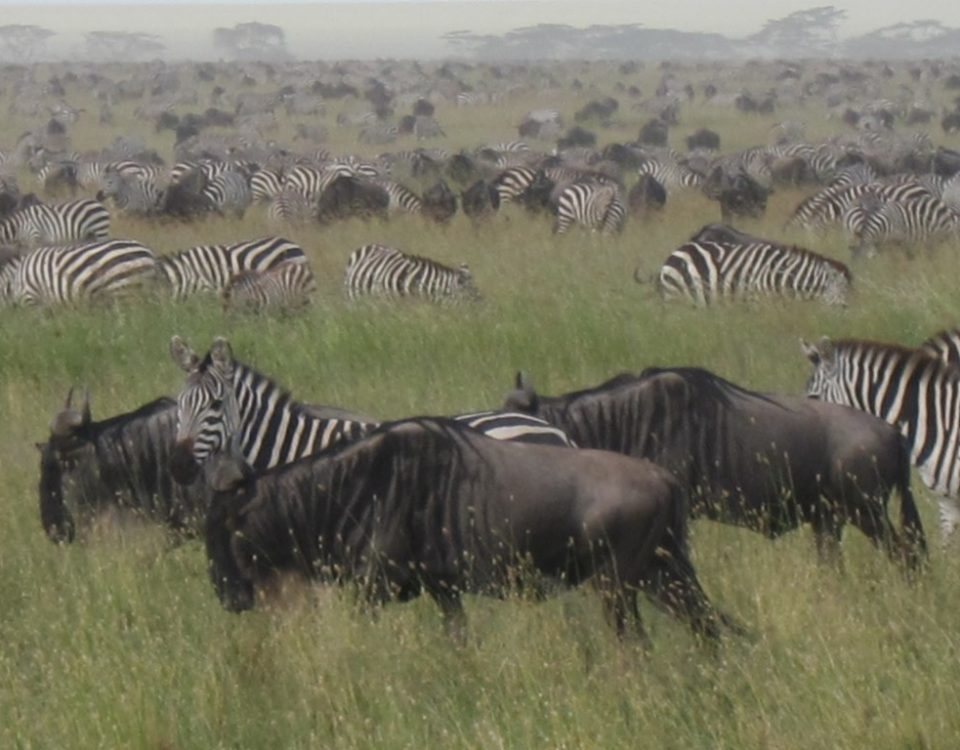
Kenya and Tanzania’s classic plains ecosystems support genuinely massive impala numbers, making them one of the most consistently spotted species across any standard game drive in these destinations.
Why Impalas Are So Genuinely Common
Impalas’ adaptability across varied savannah and woodland-edge habitat, combined with their prolific breeding and effective predator-avoidance strategies, has made them one of the most numerous antelope species across nearly every East Africa savannah park.
The Spectacular Impala Leap
When startled, impalas display genuinely remarkable leaping ability, covering impressive horizontal distance and height in a single bound, a defensive tactic that helps confuse pursuing predators and demonstrate fitness to potential threats.
Impala Herd Structure and Breeding Behavior
Impala society revolves around genuinely dynamic territorial and bachelor herd structures, with dominant males defending breeding territories against rival males during rutting season, creating dramatic seasonal displays of vocal and physical competition.
The Distinctive ‘M’ Marking
Impalas display a genuinely distinctive black ‘M’-shaped marking on their rear, along with black stripes down the back of each hind leg, features that make identification straightforward and add subtle visual interest to close observation.
Impala Alarm Calls and Group Vigilance
Impala herds maintain genuinely constant vigilance, with individuals taking turns scanning for danger while others feed, and their distinctive snorting alarm call alerts not just the immediate herd but often other nearby species, making impalas an informal early-warning system across the broader savannah community.
Impalas as a Keystone Prey Species
Given their genuine abundance, impalas serve as a critical prey base supporting numerous East Africa predator populations, including leopards, cheetahs, and wild dogs, making them ecologically significant well beyond their own numbers.
Best Time of Year for Impala Rutting Behavior
Impala rutting season, when territorial males display genuinely dramatic vocal roaring and physical sparring, offers particularly dynamic viewing beyond standard grazing observation, worth asking your guide about for current timing.
Why Impalas Deserve Genuine Appreciation
Despite being among the most commonly seen savannah species, impalas’ graceful movement, complex social behavior, and ecological importance reward far more attention than their common status might initially suggest.
How High and Far Impalas Can Actually Jump
Impalas can genuinely clear obstacles well above human height and cover remarkable horizontal distance in a single leap, athletic feats that would be genuinely impressive in any context but become even more so when performed at full speed while evading an active predator pursuit.
Bachelor Herds vs Territorial Males
Young and non-territorial male impalas form loose bachelor herds separate from breeding territories, a social arrangement that shifts seasonally as maturing males eventually attempt to challenge established territorial males for breeding rights during rutting season.
Why Impala Coordination During a Leap Confuses Predators
Beyond individual athleticism, an entire startled herd leaping in genuinely unpredictable, scattered directions simultaneously creates visual chaos that considerably reduces a predator’s ability to target and commit to pursuing any single individual, a coordinated group defense strategy hidden within what looks like simple panic.
How Impala Territorial Males Maintain Their Position
Defending a breeding territory demands genuinely exhausting continuous effort, patrolling boundaries, chasing off rival males, and mating with females within the territory, meaning dominant males typically hold their position for only a limited period before exhaustion or a stronger challenger displaces them.
Why Impalas Thrive Near Woodland Edges Specifically
Impalas genuinely favor the transitional zone between open grassland and denser woodland, a habitat preference that offers both grazing access and nearby cover for escape, explaining why they concentrate so reliably along exactly these edge habitats across nearly every park they inhabit.
How Guides Use Impala Alarm Behavior During Game Drives
Experienced guides frequently watch impala herd behavior as an indirect indicator of nearby predator activity, since a sudden collective alarm or scattering leap often signals a threat that might otherwise go unnoticed, making impalas an unexpectedly useful early warning system during a broader game drive.
Common Questions About Impala Sightings
Travelers frequently ask why impalas seem to be everywhere on safari compared to other antelope species, and their genuine ecological adaptability, tolerance for varied habitat, and effective breeding strategy have simply made them one of the most successful antelope species across the region. Visitors also ask whether the impala’s leap serves a specific communicative purpose beyond escape, and researchers believe the display may also signal fitness to potential predators, essentially communicating that pursuit would be a poor use of energy against such an athletic individual.
Why Impalas Make Every Game Drive Richer
Far from being a mere backdrop species, impalas’ constant presence, dramatic leaping ability, and genuine social complexity make them a consistently rewarding subject for observation throughout any East Africa safari, regardless of how many times you’ve already seen them.
How Impala Populations Support the Broader Predator Community
Given their sheer abundance, impalas genuinely function as the savannah’s dietary backbone for numerous predator species, meaning healthy impala numbers directly correlate with healthy leopard, cheetah, and wild dog populations across the same shared ecosystem.
Why Impala Photography Rewards Both Patience and Quick Reflexes
Beyond simple grazing portraits, capturing a genuinely dramatic impala leap in mid-air rewards photographers who anticipate sudden movement and keep a fast shutter speed ready, since the leap itself lasts only a fraction of a second within otherwise calm herd behavior.
How Impala Behavior Shifts Across the Day
Impalas display genuinely more active grazing and social behavior during cooler morning and late afternoon hours, retreating to shade during the hottest midday period, a daily rhythm that shapes when the most dynamic viewing opportunities actually occur.
Why Impalas Rarely Stray Far From Water Sources
Despite their genuine habitat adaptability, impalas still require regular access to water, meaning their distribution across a given park often clusters somewhat predictably around rivers, waterholes, and other reliable water sources.
How This Species Compares to Gazelles in Appearance and Behavior
Travelers sometimes confuse impalas with the various gazelle species found across East Africa’s plains, though impalas’ distinctive M-marking, larger size, and characteristic leaping behavior offer reliable field identification once compared side by side.
Why Even Repeat Safari Travelers Still Enjoy Impala Sightings
Unlike some species whose novelty fades with repeated exposure, impalas’ consistently graceful movement and occasional dramatic leaping display mean even travelers on their fifth or sixth East Africa trip genuinely still pause to appreciate a well-timed sighting.
Why This Species Makes a Genuinely Good Teaching Example
Guides often use impalas as a genuinely useful teaching example for newer travelers, illustrating how vigilance, group coordination, and athletic defense combine to shape survival in a way that differs considerably from the more solitary strategies discussed elsewhere on a standard game drive.
How This Sighting Rounds Out a Complete Antelope Understanding
Travelers specifically interested in understanding East Africa’s full range of antelope adaptations find impalas offer a genuinely instructive baseline example of successful generalist survival strategy, a useful contrast against the more specialized species encountered elsewhere on the same broader trip.
Why This Sighting Suits Every Type of Safari Traveler
Given their genuine visual appeal, reliable presence, and constant activity, impalas offer a rewarding sighting for travelers of any experience level, requiring no specialized timing or dedicated search beyond a standard game drive through savannah habitat.
Why Impala Sightings Often Signal Broader Wildlife Activity
Given their genuine tendency to associate near water and mixed-species grazing areas, spotting a substantial impala herd frequently indicates nearby broader wildlife activity worth a closer look, making them a genuinely useful signpost for guides scanning open habitat during a game drive.
Why This Species Deserves a Deliberate Second Look
Travelers who take a genuine moment to watch impala behavior, rather than dismissing them as simply another antelope among the herd, consistently discover a considerably richer, more dynamic animal than a passing glance would ever reveal.
How This Species Reflects Broader Savannah Balance
Understanding impala’s role as both prolific breeder and keystone prey species genuinely deepens appreciation for how the entire savannah food web depends on this single, unglamorous but essential species maintaining its numbers.
Planning Your Impala-Focused Observation
Given their wide distribution, impala sightings require no special planning beyond a standard East Africa safari itinerary, though asking your guide about rutting season timing adds genuine behavioral depth, and pausing to watch a herd’s coordinated vigilance rewards a few extra unhurried minutes.
Recommended Tours: 10 Days Ultimate Uganda Gorilla & Big Five Safari | 12-Day Uganda Gorilla Tours and Kenya Great Migration Safaris