Rock Hyraxes: Where and When to See Them in East Africa
Rock hyraxes offer travelers a genuinely charming small-mammal sighting across East Africa’s rocky outcrops and kopjes, a species whose unassuming, rabbit-like appearance conceals one of the animal kingdom’s most surprising evolutionary facts, its closest living relatives are actually elephants. Understanding where these sun-loving, colony-dwelling animals gather helps travelers appreciate a genuinely reliable, endearing sighting between larger wildlife encounters. This guide covers where and when to look, along with the surprising biology that makes this small mammal such a genuinely fascinating subject.
Serengeti Kopjes, Tanzania
The Serengeti’s famous granite kopje rock formations offer genuinely reliable rock hyrax sightings, with colonies often visible sunning themselves across the rocks during standard game drives.
Maasai Mara, Kenya
Rocky outcrops scattered across the Maasai Mara host rock hyrax colonies, offering Kenya travelers additional reliable sighting opportunities.
Volcanic Slopes of the Virunga Region
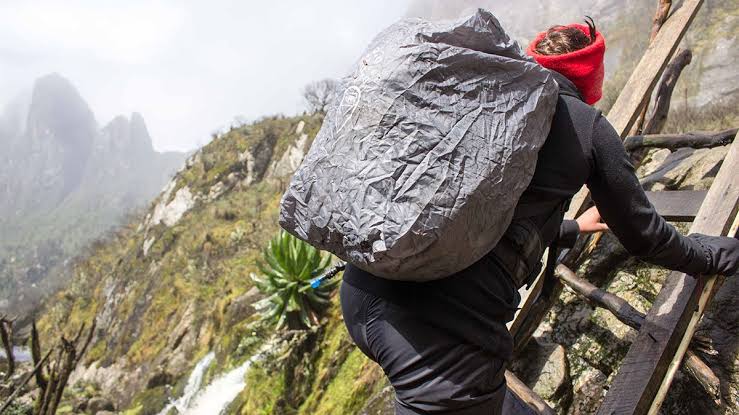
Rock hyraxes also inhabit rocky areas across the volcanic slopes of Uganda and Rwanda’s Virunga region, sometimes spotted incidentally during gorilla or golden monkey trekking activities.
Why Rock Hyraxes Are Genuinely Related to Elephants
Despite their small size and superficially rodent-like appearance, rock hyraxes share a genuine evolutionary lineage with elephants, a relationship reflected in subtle shared anatomical features including similar tusk-like incisors and toenail structure.
Rock Hyrax Colony Behavior
Rock hyraxes live in genuinely social colonies, often numbering dozens of individuals, sunning themselves together on rocky outcrops while maintaining constant vigilance against aerial predators like eagles.
Why Sunning Behavior Matters So Much
Rock hyraxes display genuinely poor body temperature regulation compared to many mammals, making regular sunning on warm rocks essential for their daily activity and survival, a behavior that makes them particularly visible during sunny morning hours.
Best Time of Day for Rock Hyrax Sightings
Morning hours, when hyraxes emerge to sun themselves after the cool night, typically offer the most reliable viewing, with activity often decreasing during the heat of midday.
How Hyraxes Digest Their Plant-Based Diet
Rock hyraxes possess a genuinely complex, multi-chambered digestive system capable of processing tough, fibrous plant material, an adaptation that allows them to extract sufficient nutrition from the relatively sparse vegetation available around their rocky habitat.
Rock Hyrax Vocalizations
Rock hyraxes produce a genuinely wide range of vocalizations, including complex calls used for territorial and social communication, an underappreciated behavioral dimension for travelers who take time to listen closely.
Why This Small Species Deserves Real Attention
Despite their modest size, rock hyraxes’ surprising elephant connection and genuinely social colony behavior make them a rewarding subject for observation between bigger safari sightings.
The Genuine Science Behind the Elephant Connection
Genetic and anatomical research has confirmed hyraxes belong to a broader mammalian superorder that also includes elephants and manatees, a genuinely surprising evolutionary grouping based on shared ancestral traits rather than any obvious outward physical similarity, making this one of the animal kingdom’s most delightfully counterintuitive taxonomic facts.
How Hyrax Colonies Organize Themselves
Rock hyrax colonies display genuinely structured social behavior, with dominant males defending territory and females forming closer social bonds within the group, while designated lookout individuals watch for approaching eagles and other aerial predators while the rest of the colony feeds or rests.
Why Hyrax Feet Are Genuinely Remarkable Climbing Tools
Rock hyraxes possess genuinely specialized rubbery foot pads combined with a unique sweat gland arrangement that creates natural suction, allowing them to grip and climb near-vertical rock faces with a confidence that would be impossible for most similarly sized mammals lacking this adaptation.
How Predator Alarm Calls Protect the Colony
When a lookout hyrax spots an approaching eagle or other predator, it emits a genuinely distinctive alarm call that sends the entire colony scrambling for rock crevices within seconds, a coordinated defensive response that has been refined over countless generations of shared vigilance.
Why Hyraxes Thrive Despite Heavy Predation Pressure
Given that eagles, leopards, and other predators regularly target hyrax colonies, the species’ genuinely high reproductive rate and strong colony-based vigilance system together help sustain healthy populations despite consistently significant predation pressure across their range.
How Hyrax Behavior Differs Between Morning and Afternoon
Beyond simple sunning, hyraxes display genuinely more active foraging and social interaction during cooler morning hours, while afternoon heat typically pushes them toward shaded rock crevices, a daily rhythm worth understanding when planning the best viewing window during your visit.
Why Kopjes Support Such Concentrated Wildlife Activity
Beyond hyraxes specifically, the Serengeti’s granite kopjes create genuinely important microhabitats supporting a concentrated diversity of wildlife, from resident lion prides using the rocks for shade and vantage points to numerous reptile and bird species, making these formations worth a dedicated stop regardless of hyrax activity specifically.
Common Questions About Rock Hyrax Sightings
Travelers frequently ask whether rock hyraxes are dangerous or approachable, and while generally harmless to humans, they remain genuinely wild animals best observed respectfully from a reasonable distance rather than approached directly. Visitors also ask why hyraxes seem so tolerant of human presence at popular viewpoints, and habituation to regular visitor traffic at well-known kopjes has made some colonies genuinely more relaxed around people than their more skittish counterparts elsewhere.
Why Rock Hyraxes Make Every Kopje Stop Worthwhile
Beyond their scientific curiosity value, rock hyrax colonies add genuine life and movement to rocky outcrop stops that might otherwise be purely scenic photo opportunities, rewarding travelers who pause to watch rather than simply snapping a landscape shot and moving on.
Why This Species Makes a Genuinely Good Conversation Starter
Few safari facts surprise travelers quite as reliably as learning that the small, sunbathing animal on the rock ahead shares closer ancestry with elephants than with rabbits, making rock hyraxes a genuinely memorable talking point guides enjoy sharing during a kopje stop.
How Hyrax Territorial Marking Works
Rock hyraxes genuinely mark their territory using scent from specialized glands, a communication system that helps maintain boundaries between neighboring colonies sharing the same broader kopje formation without requiring constant direct confrontation between rival groups.
Why Photography of Hyrax Colonies Rewards Patience
Given their tendency to freeze motionless when startled before slipping into rock crevices, photographing hyraxes well rewards patient observers who wait quietly for natural behavior to resume rather than approaching directly and triggering a defensive retreat.
How Hyrax Populations Interact With Other Kopje Wildlife
Beyond their own colony dynamics, hyraxes share their rocky habitat with numerous reptile species, agama lizards and various snakes among them, creating a genuinely layered miniature ecosystem worth examining closely during any extended kopje stop.
Why Young Hyraxes Are Especially Endearing to Watch
Juvenile hyraxes display genuinely playful behavior around the colony, chasing each other across rocks and practicing the same climbing skills their parents rely on daily, moments that consistently rank among the more charming small-mammal sightings available on any game drive.
How This Species Fits Into a Broader Small Mammal Safari Focus
Travelers building a dedicated safari itinerary around East Africa’s smaller, less commonly featured mammals often find rock hyraxes offer a genuinely accessible and reliable starting point, given how consistently they appear at well-known kopje locations across multiple parks.
Why Guides Enjoy Sharing This Species’ Backstory
Given how consistently surprising the elephant connection strikes first-time listeners, guides often relish the chance to walk travelers through this particular piece of evolutionary trivia, turning a routine rocky-outcrop stop into a genuinely memorable teaching moment.
Why This Sighting Works Well for Travelers of Every Age
Given their genuine accessibility, relative tolerance of viewing distance, and inherently charming appearance, rock hyraxes make for a genuinely rewarding sighting across every age group, often becoming a particular favorite among younger travelers on a family safari.
How This Species Reflects Broader Kopje Ecosystem Health
Sustained, healthy hyrax colonies genuinely indicate stable rock formation ecosystems within a given park, making their continued presence a useful, if informal, indicator of the broader kopje habitat’s overall condition for researchers and guides alike.
Why This Species Rewards a Longer Stop at Any Kopje
Rather than treating a rocky outcrop as a brief scenic photo stop, travelers who linger for even ten or fifteen minutes genuinely improve their odds of witnessing the full range of hyrax colony behavior, from sunning and foraging through to the alarm response triggered by a passing raptor overhead.
How This Sighting Complements East Africa’s Bigger Headline Wildlife
Rock hyraxes offer a genuinely grounding counterpoint to the drama of lion or elephant sightings elsewhere on the same game drive, a quieter, more intimate wildlife moment that many travelers come to appreciate just as much by the end of their trip.
Why This Small Mammal Leaves a Lasting Impression
Long after the trip ends, many travelers recall the rock hyrax sighting specifically for the surprise of learning its true ancestry, proof that safari’s most memorable moments don’t always come from the largest or most dramatic animals encountered along the way.
Planning Your Rock Hyrax Observation
Given their reliable presence around rocky outcrops, watching for hyrax colonies during any East Africa game drive through kopje-studded terrain offers a genuinely easy, rewarding sighting, and asking your guide to share the elephant connection turns a brief stop into a genuinely memorable moment.
Recommended Tours: 12-Day Uganda Gorilla Tours and Kenya Great Migration Safaris | 10 Days Ultimate Uganda Gorilla & Big Five Safari