
Ruwenzori Nightjars: A Rare Highland Species
Ruwenzori nightjars represent one of the Albertine Rift’s most genuinely elusive nocturnal specialists, a highland-adapted bird found specifically within the Rwenzori Mountains’ upper elevation zones, making both its restricted range and nighttime activity pattern a genuine double challenge for birders hoping for a confirmed sighting. Understanding what makes this species so difficult, and the specialized approach required to pursue it, helps travelers set realistic expectations for this genuinely rare encounter. This guide covers what makes this bird such a serious birding challenge, from habitat and camouflage through to what a genuine search night actually involves.
The Rwenzori Mountains’ Upper Elevation Zones
Ruwenzori nightjars occupy specifically high-altitude habitat within the Rwenzori range, a genuinely restricted geographic and elevational band that limits realistic search locations to this single mountain system.
Why Nightjars Are Inherently Difficult to Spot
As a nocturnal species, Ruwenzori nightjars remain active primarily after dark, with genuinely excellent camouflage during daylight hours when they rest motionless on the ground, making daytime searches largely unproductive regardless of location.
The Only Realistic Approach: Dedicated Night Searches
Finding this species genuinely requires a specifically arranged nighttime search, typically involving experienced local guides who know specific calling locations and can identify the bird’s distinctive vocalization in the dark.
Recognizing the Nightjar’s Call
Given the extreme difficulty of visual confirmation, experienced guides often rely primarily on recognizing the species’ distinctive call, using this audio identification as the primary confirmation method for a genuine sighting.
Physical Adaptations for Highland Life
Ruwenzori nightjars display genuine physical and behavioral adaptations suited to cooler, high-altitude conditions, distinguishing them from lowland nightjar relatives found elsewhere across Africa.
Why This Search Requires Genuine Physical Commitment
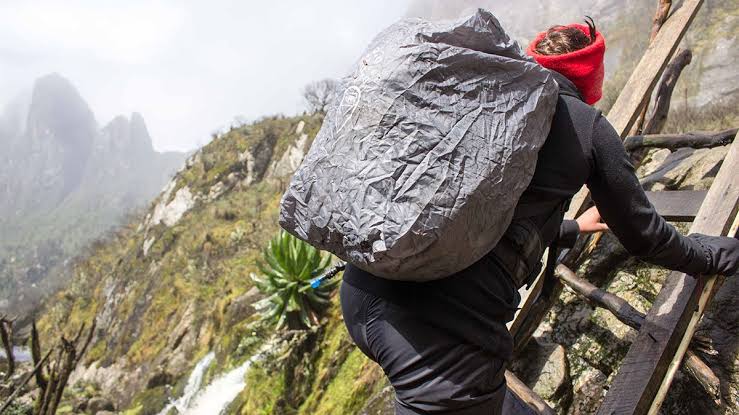
Given the species’ high-altitude habitat, pursuing a Ruwenzori nightjar sighting typically requires a genuinely demanding trek into the mountains’ upper zones, adding real physical challenge beyond the search itself.
Best Time of Year for the Search
Weather conditions in the Rwenzori’s upper elevations can be genuinely unpredictable year-round, and checking current conditions with specialist trekking operators before planning a dedicated search matters considerably.
Why Serious Birders Pursue This Species Despite the Difficulty
Given its genuine rarity and the physical commitment required, a confirmed Ruwenzori nightjar sighting ranks among the most prestigious achievements available to birders specifically focused on East Africa’s most elusive endemic species.
Managing Realistic Expectations
Travelers should approach this specific pursuit with genuinely tempered expectations, understanding that even well-prepared, experienced searches sometimes end without confirmed success.
How Nightjar Camouflage Actually Works
Nightjars rely on genuinely remarkable cryptic plumage patterns that mimic dead leaves, bark, and ground litter, allowing them to remain essentially invisible while resting motionless during daylight hours, an adaptation so effective that even experienced guides walking directly past a resting bird often fail to detect it without specific knowledge of likely resting spots.
What a Genuine Search Night Actually Involves
A dedicated nightjar search typically involves hiking into position before dark, then waiting quietly while listening for calls, using a spotlight carefully to scan likely perches once vocal activity confirms the bird’s presence nearby, a patient, methodical process quite different from standard daytime game viewing.
Why Base Camp Location Matters for This Search
Choosing accommodation or a camping spot genuinely close to known Ruwenzori nightjar habitat considerably reduces the physical demand of a night search, since arriving already fatigued from a long daytime approach hike leaves considerably less energy for the patient waiting a nighttime search actually requires.
How Altitude Sickness Risk Factors Into This Pursuit
Given the genuinely high elevations involved in reaching Ruwenzori nightjar habitat, travelers should factor in proper acclimatization time and awareness of altitude sickness symptoms, treating this search with the same physical seriousness as any other high-altitude mountain trekking activity.
Why Local Rwenzori Guides Bring Irreplaceable Expertise
Guides who have spent years working specifically within the Rwenzori’s upper zones develop a genuinely intimate knowledge of exact calling locations and seasonal patterns that no general birding guide, however experienced elsewhere, could realistically replicate without that same accumulated local time.
How This Species Fits Into a Broader Rwenzori Trekking Itinerary
Travelers already planning an extended Rwenzori Mountains trek for its dramatic glacial peaks and unique afro-alpine vegetation often build in a dedicated nightjar search as a genuinely natural add-on, since the necessary altitude and camping infrastructure already overlaps considerably with standard trekking routes.
What Equipment a Serious Search Genuinely Requires
Beyond standard trekking gear suited to cold, high-altitude nights, a good spotlight, a reliable field recording of the species’ call for playback identification, and genuinely warm layered clothing all matter considerably for a search that often extends well past standard camp bedtime.
Why Success Rates Vary Considerably Between Search Attempts
Given the genuine unpredictability of nocturnal bird activity, weather, and even subtle seasonal shifts in calling behavior, success rates for any single dedicated search night vary considerably, meaning some serious birders return for a second or even third attempt before achieving confirmed success.
How This Pursuit Compares to Other Extreme Birding Challenges
Within the broader community of dedicated African birders, the Ruwenzori nightjar search ranks alongside a small handful of genuinely extreme pursuit species, those requiring serious physical commitment, specialized timing, and considerable local expertise well beyond what standard birding itineraries typically demand.
Common Questions About This Elusive Species
Travelers frequently ask whether photographing a Ruwenzori nightjar is realistic even if located, and given low light conditions and the bird’s understandable wariness, photography here remains genuinely secondary to simple confirmed observation for most searchers. Visitors also ask whether this pursuit is worth the physical effort involved, and for genuinely dedicated birders specifically checking off Albertine Rift endemics, yes, though casual travelers should understand this represents a specialized, demanding addition rather than a standard itinerary activity.
Why This Represents Birding at Its Most Committed
Few pursuits within East Africa’s birding community demand as much genuine physical and logistical commitment as a dedicated Ruwenzori nightjar search, making any successful sighting a genuinely earned achievement within the region’s birding community.
Why Some Birders Treat This Species as a Career-Defining Target
For dedicated life-list birders who have already confirmed sightings of most of Africa’s more accessible endemic species, the Ruwenzori nightjar often becomes one of the final, most stubbornly difficult targets remaining, a genuinely fitting capstone challenge given how much preparation, patience, and physical commitment it demands compared to nearly everything else on a typical Albertine Rift checklist.
How Group Size Affects a Nightjar Search
Smaller search groups genuinely improve the odds of a successful, undisturbed nightjar encounter, since quieter movement and reduced noise during the critical listening and spotlighting phases matter considerably more here than during standard daytime wildlife viewing where group size rarely affects outcomes as directly.
Why Timing Relative to Moon Phase Can Matter
Some experienced local guides report that darker, moonless nights genuinely improve spotlighting success, since a resting or calling nightjar stands out more distinctly against a genuinely dark background than during brighter moonlit conditions, a detail worth discussing with your specific operator when scheduling the search.
How This Search Builds on Broader Nightjar Family Knowledge
Birders already familiar with more accessible nightjar species found in lowland or savannah habitat elsewhere in East Africa often find that this baseline experience genuinely helps calibrate expectations and search technique before attempting the considerably more demanding Ruwenzori highland version.
Why Guides Emphasize Patience Above All Else for This Pursuit
More than almost any other bird search in the region, guides leading a Ruwenzori nightjar expedition consistently stress that genuine patience, remaining still and quiet for extended periods rather than actively moving toward every sound, matters more than any specific piece of equipment or technique.
What a Failed Search Attempt Still Offers Travelers
Even when a specific confirmed sighting doesn’t materialize, travelers who attempt this search often describe the experience itself, camping at genuine high altitude beneath the Rwenzori’s dramatic peaks while listening to the mountain’s nighttime sounds, as a genuinely worthwhile adventure regardless of the specific outcome.
How This Pursuit Reflects the Broader Rwenzori Mountains Experience
The genuine remoteness and physical demand required to pursue this single bird species mirrors the broader character of Rwenzori Mountains trekking itself, a destination that has always rewarded serious physical commitment with correspondingly rare and memorable experiences unavailable through more accessible, lower-effort travel.
Why This Sighting Carries Genuine Prestige Among Serious Birders
Within online birding communities and life-list circles focused specifically on African endemics, a confirmed Ruwenzori nightjar sighting genuinely carries real prestige, recognized by peers as evidence of both serious dedication and considerable field skill rather than simple luck.
Why This Search Rewards a Genuinely Open-Minded Traveler
Travelers who approach this pursuit accepting that the outcome is genuinely uncertain, rather than expecting a guaranteed result the way a scheduled gorilla trek delivers, tend to find the experience considerably more rewarding regardless of whether the specific bird is ultimately confirmed.
Planning Your Ruwenzori Nightjar Search
Working with a specialist mountain trekking and birding operator experienced in the Rwenzori’s specific highland species maximizes your realistic chances during your broader Uganda itinerary, and building in flexible extra time for a possible second attempt genuinely improves your overall odds of eventual success.
Recommended Tours: 3 Days Bwindi Gorilla Trekking Safari | 4 Days Uganda Gorilla and Chimpanzee Tour