


Birdwatching
August 19, 2024
Zip Lining
August 19, 2024

Sports Fishing
Sports fishing is one of the most exhilarating outdoor activities, combining skill, patience, and the thrill of the catch. Africa’s rivers, lakes, and coastal waters offer diverse opportunities for anglers, from freshwater trophy fishing to saltwater game fishing. The activity blends adventure, relaxation, and immersion in nature, appealing to travelers who seek both excitement and scenic beauty.

Golden Monkey Trekking
Golden monkeys are endemic to the Albertine Rift, meaning they are found nowhere else in the world. Trekking to see them is not only an adventure but also an opportunity to witness a rare species whose survival depends on continued conservation and responsible tourism.
Sports Fishing: A Complete Guide to Experiences Across the Region
Why Sports Fishing Is a Unique Adventure
Sports fishing differs from traditional outdoor activities because it engages both mind and body. Anglers must understand water conditions, fish patterns, and environmental factors to successfully hook and land trophy fish. The activity also demands patience, observation, and strategic thinking, making it as mentally rewarding as it is physically engaging.
Beyond the sport, fishing immerses travelers in diverse ecosystems. Freshwater lakes reveal lush wetlands, dense forests, and abundant birdlife, while coastal waters showcase coral reefs, mangroves, and spectacular oceanic scenery. The journey often combines adventure, wildlife observation, and relaxation in equal measure.
Top Sports Fishing Destinations in Africa
Africa is home to world-class fishing destinations, each offering unique species, habitats, and experiences. Lake Victoria, Africa’s largest freshwater lake, provides abundant Nile perch, tilapia, and catfish, attracting anglers from across the globe. Uganda’s lakes and rivers, including Lake Albert and Lake Kyoga, offer prime freshwater fishing with scenic highland backdrops.
Kenya’s coastal waters and deep-sea zones in the Indian Ocean are ideal for game fishing. Species such as marlin, sailfish, tuna, and dorado create exciting challenges for sport anglers. Similarly, Tanzania’s coastal regions and offshore islands provide rich fishing grounds, combining trophy fishing with tropical landscapes.
South Africa’s KwaZulu-Natal coast and Eastern Cape rivers feature diverse fish species, from freshwater yellowfish to saltwater tuna and kingfish, while Namibia’s Skeleton Coast offers adventure anglers the chance to explore remote fishing locations with breathtaking desert-meets-ocean scenery.
What to Expect on a Sports Fishing Safari
A sports fishing safari begins with orientation, equipment setup, and guidance from experienced fishing guides. Depending on the location, anglers may fish from boats, riverbanks, or shorelines. Guides provide expertise on fish behavior, tackle selection, casting techniques, and safety protocols, ensuring both success and enjoyment.
Trips can range from short half-day excursions to multi-day fishing safaris with overnight camps or lodge stays. The experience is a balance between active angling, relaxation, and observation of surrounding landscapes and wildlife.
Popular Game Fish Species
Sports fishing in Africa targets a wide range of species. In freshwater lakes and rivers, anglers pursue Nile perch, tigerfish, tilapia, catfish, and yellowfish. These species offer both challenging fights and rewarding catches for trophy enthusiasts.
Saltwater fishing targets include marlin, sailfish, tuna, dorado, wahoo, and kingfish. These fast, strong fish test angler skills and provide thrilling moments of adrenaline and strategy. Each species demands different techniques, equipment, and approaches, creating a diverse and dynamic fishing experience.
Techniques and Equipment
Sports fishing requires specialized equipment. Freshwater fishing often involves rods and reels designed for large, powerful fish, along with appropriate bait and lures. Techniques such as trolling, fly fishing, or bottom fishing are commonly used depending on the species and environment.
Saltwater fishing involves heavier tackle, deep-sea reels, and trolling rigs to handle powerful game fish. Knowledge of currents, wind, tides, and fish behavior is essential for a successful catch. Guides often provide instruction for both beginners and experienced anglers, ensuring safety and maximizing the chance of landing trophy fish.
Best Seasons for Sports Fishing
The timing of sports fishing trips significantly impacts success. Freshwater fishing often peaks during specific spawning periods when fish are most active and concentrated near shallow waters. For example, Nile perch are more accessible during breeding seasons, providing optimal trophy opportunities.
Saltwater fishing depends on migrations, seasonal currents, and weather conditions. Marlin, sailfish, and tuna have peak seasons that coincide with warm-water migrations, creating ideal opportunities for game fishing adventures. Planning trips according to these seasonal patterns ensures both abundance and quality of the experience.
Safety and Responsible Fishing Practices
Safety is crucial on sports fishing trips. Anglers should follow guide instructions, wear life jackets when on boats, and maintain awareness of weather and water conditions. Handling large fish requires technique and care to avoid injury.
Responsible fishing practices emphasize catch-and-release, sustainable harvesting, and environmental respect. Many operators support conservation initiatives, ensuring that fish populations and ecosystems remain healthy for future generations. Ethical practices balance adventure with ecological responsibility, preserving the natural beauty of Africa’s waters.
Family and Group Fishing Experiences
Sports fishing is suitable for families and groups, with trips tailored to skill levels and ages. Children and teens enjoy hands-on learning, observing fish behavior, and participating in safe angling under supervision. Group excursions foster camaraderie, shared victories, and storytelling, creating memorable social experiences alongside the sport itself.
Guided multi-day safaris may include lodge or camp accommodations, communal meals, and evening storytelling sessions, blending adventure with relaxation and cultural immersion.
Combining Sports Fishing with Other Safari Activities
Sports fishing can be combined with game drives, boat cruises, birdwatching, and cultural experiences. For example, a trip in Uganda could include freshwater fishing on Lake Victoria, a Kazinga Channel boat cruise, and a Queen Elizabeth National Park game drive, creating a comprehensive safari experience.
Coastal fishing adventures can pair with snorkeling, diving, or whale watching, allowing travelers to explore both aquatic and terrestrial ecosystems in one journey.
The Emotional and Recreational Impact of Sports Fishing
Sports fishing offers a balance of challenge, relaxation, and excitement. The moment a fish bites, the strategic engagement during the fight, and the reward of a successful catch provide satisfaction and adrenaline. Meanwhile, the surrounding landscapes, calm waters, and rhythmic pace of casting foster relaxation and mindfulness.
Travelers often describe sports fishing as meditative and empowering, combining focus, skill, and a deep connection to nature. Each catch, vista, and quiet moment contributes to a meaningful outdoor adventure. Sports fishing in Africa is a thrilling and immersive way to explore the continent’s freshwater and coastal ecosystems. From Nile perch in expansive lakes to marlin in tropical oceans, fishing safaris provide adventure, challenge, and connection to nature.
This activity combines physical skill, mental focus, scenic beauty, and wildlife observation, creating experiences that endure in memory long after the trip ends. For anglers and adventure travelers alike, sports fishing remains an essential, exciting, and rewarding African safari experience.
Our Recommended Tour Ideas

Murchison Falls' classic activities based from a premium riverside lodge, with private transfers throughout.

Search for the shoebill stork among 450+ recorded species, with classic game drives built around the trip too.
A dedicated sunset game drive for peak predator activity, alongside the park's classic Nile boat cruise.
Cast for Nile perch below the falls, then spend an afternoon on a classic savannah game drive.

Uganda's only wild rhinos at Ziwa, chimpanzee trekking in Budongo, and classic Murchison Falls game drives.
A fast, efficient fly-in trip with a game drive and boat cruise to the base of the falls.

A longer, quieter Nile cruise downstream to the Delta on Lake Albert, known for strong shoebill stork sightings.
Hike to the top of Murchison Falls where the Nile forces through a narrow gorge, plus classic savannah game drives.

Skip the long drive with a direct flight to wherever the migration currently is, for a fast, high-value trip.
What Our Travelers Enjoyed About Primate Safaris

Gorillas "Silverback"
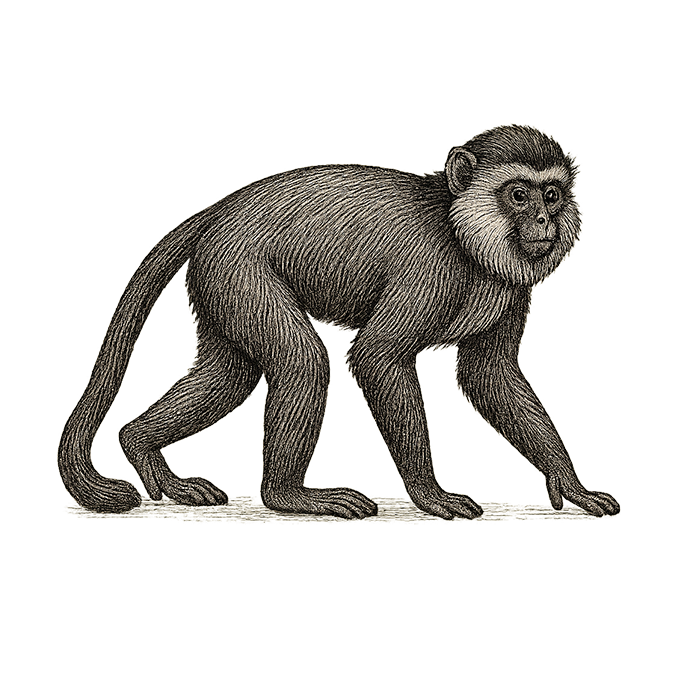
Golden Monkey "Photogenic"
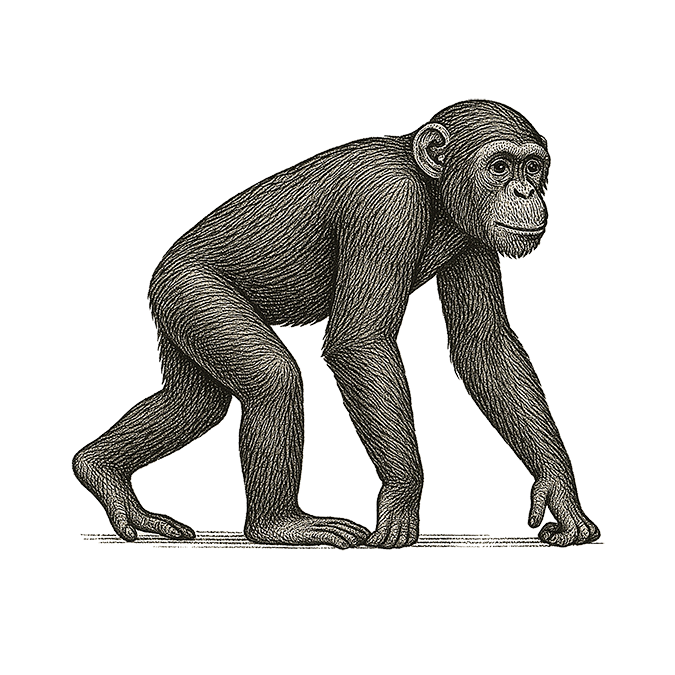
Chimpanzees "Pant-hoot"

Volcanoes "Real Forest Africa"
Experience East Africa the Way It Was Meant to Be
The stretch of the Victoria Nile below Murchison Falls is one of East Africa’s most serious freshwater sport fishing destinations, known for Nile perch that have been recorded well over 100 pounds, alongside the smaller but harder-fighting tigerfish that draw a dedicated following of their own. Fishing here is usually arranged as a half-day or full-day outing with a local guide who supplies rods, tackle, and knowledge of where fish have been biting that week, typically alongside a standard game drive or boat cruise on the same trip.
Near Jinja, where the Nile begins its journey out of Lake Victoria, both the lake itself and the upper river offer further fishing opportunities, again centered on Nile perch as well as tilapia. Most operators in the region encourage catch-and-release, particularly for larger specimens, to help protect fish populations that have faced real pressure from commercial fishing in past decades. Sport fishing here appeals mainly to travelers with a genuine interest in the activity rather than casual visitors, and is almost always booked as a specific add-on to a broader Murchison Falls or Jinja-area itinerary.