Corporate Retreats and Team-Building Safaris in East Africa
East Africa’s remarkable wildlife destinations have become a genuinely compelling alternative to conventional, predictable corporate retreat venues, genuinely combining shared physical challenge, striking natural settings, and profound wildlife encounters into a team-building format that few boardroom offsites or generic hotel conference centres could ever hope to replicate. This complete guide covers exactly how companies genuinely plan and execute successful corporate retreats around East African safari destinations, from choosing the right activities to structuring a full programme that genuinely balances team bonding with practical logistics for a working, professional group.
Why Safari Destinations Work So Well for Corporate Groups
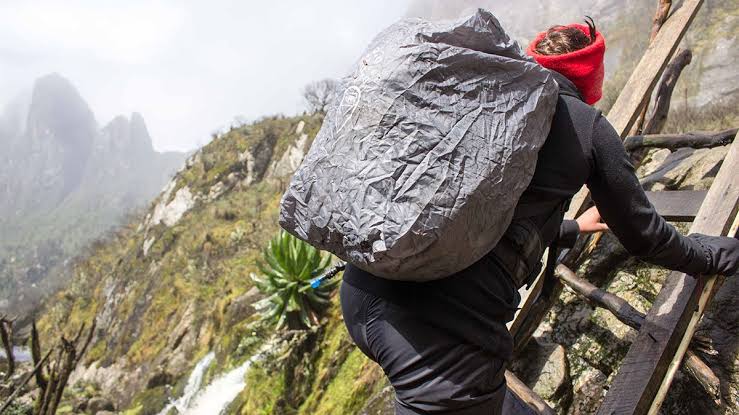
Shared physical challenge, whether a moderate game drive itinerary or the more demanding experience of gorilla trekking, creates genuine common ground among colleagues who might otherwise interact only within the narrow context of scheduled meetings, and many companies genuinely find that a single memorable, shared adventure does more for real team cohesion than an entire year of conventional office team-building exercises combined together over time.
Choosing Between Gorilla Trekking and Classic Game Viewing
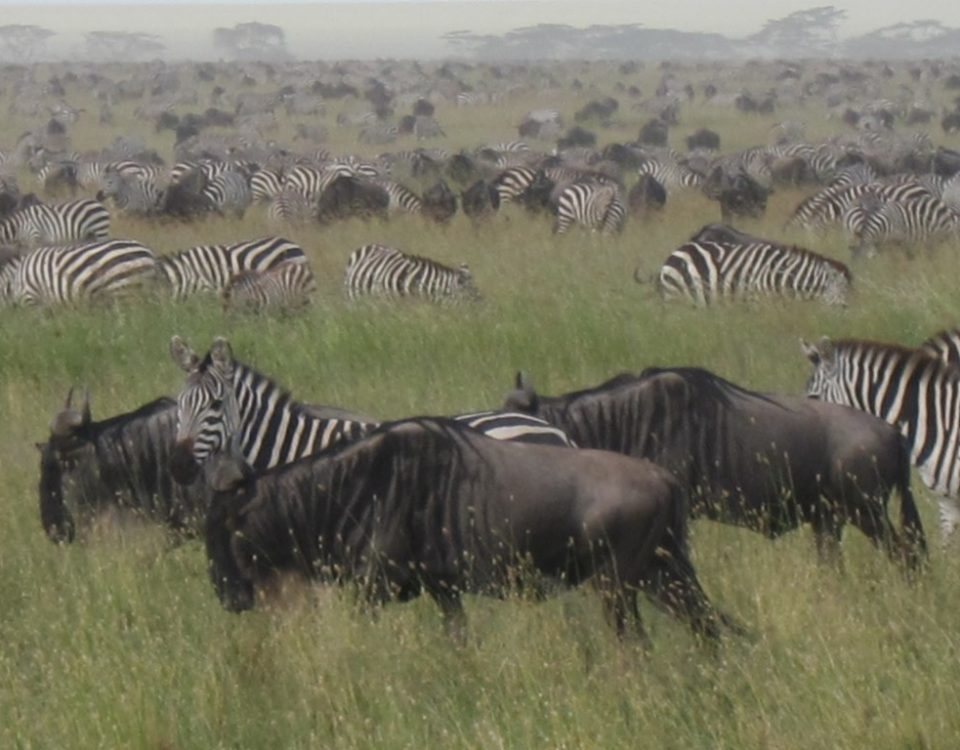
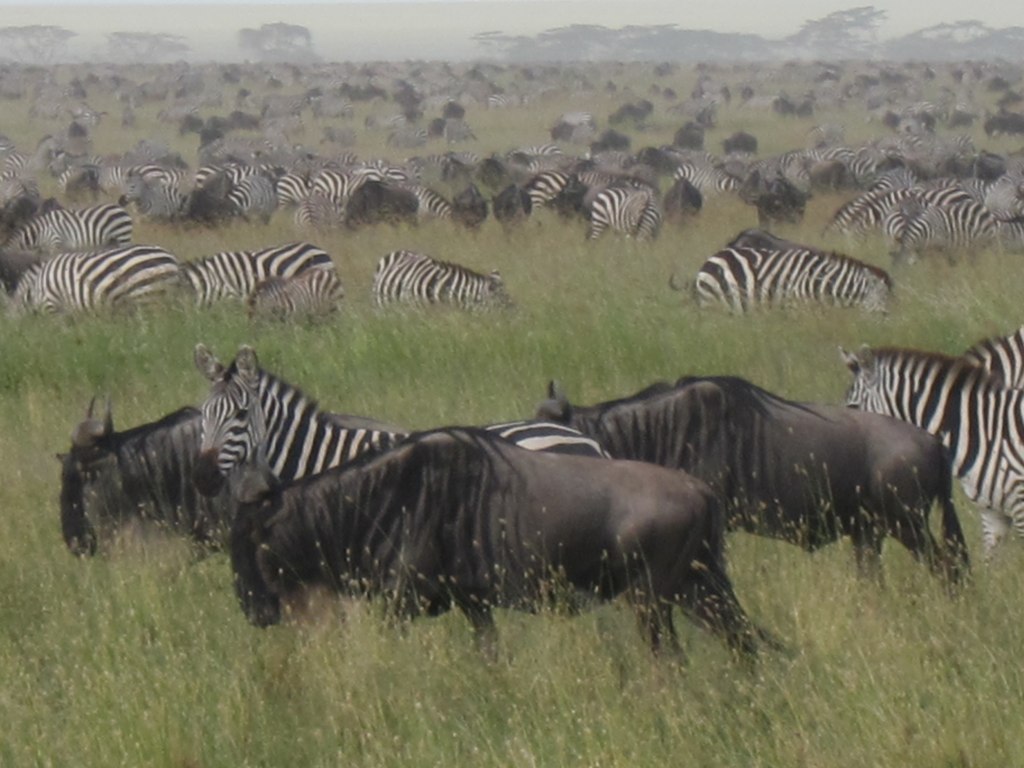
Companies with the budget and a physically capable team often choose gorilla trekking as the retreat’s centrepiece activity, while groups genuinely prioritising accessibility for all team members, or working within a considerably tighter budget, generally opt for classic vehicle-based game viewing destinations like Kenya’s Maasai Mara or Tanzania’s Serengeti instead of trekking.
Structuring a Programme That Balances Work and Adventure
Successful corporate retreats typically front-load structured business sessions, strategy discussions, presentations, planning meetings, into the earlier part of the trip, saving the wildlife-focused activities for the retreat’s latter half so the team genuinely and gradually transitions into a more relaxed, bonding-focused mode as the days progress toward the end.
Venue Considerations for Meetings and Presentations
Many East African lodges now offer dedicated conference facilities or genuinely flexible meeting spaces suitable for corporate use, and confirming these specific details directly with a property, including audiovisual equipment availability and reliable backup power for presentations, matters considerably more for a genuine corporate retreat than for a standard leisure booking alone.
Team-Building Activities Beyond Standard Wildlife Viewing
Beyond standard game drives and gorilla trekking, many operators can arrange dedicated team-building exercises, guided group challenges, collaborative cultural workshops, or structured reflection sessions, specifically designed to genuinely translate the shared safari experience into concrete, lasting lessons about collaboration and communication once everyone is back at the office.
Managing a Group With Varying Fitness Levels
Corporate groups often genuinely include colleagues with quite varying fitness levels, and choosing activities and destinations that accommodate this range, or building in genuine flexibility for team members to opt for gentler alternatives instead, genuinely prevents the retreat from becoming an unwanted source of stress rather than real, meaningful team bonding for the whole group.
Budgeting for a Corporate Safari Retreat
Corporate retreat budgets should carefully account for group accommodation, meeting facility costs, any premium activities like gorilla permits, and transport for a potentially larger group than a standard leisure booking, with an experienced operator genuinely able to help structure a realistic overall budget matched closely to the company’s specific goals and priorities for the retreat.
Incentive Travel as a Related but Distinct Format
Companies specifically rewarding top performers with an incentive trip, rather than running a work-focused retreat for the entire team, generally prioritise pure relaxation and genuinely premium experiences over structured business sessions, a genuinely different planning approach worth clarifying explicitly with an operator right from the very outset of discussions.
Sustainability and Corporate Social Responsibility Angles
Many companies specifically choose these East African safari destinations partly for their genuine conservation and community development angle, allowing a corporate retreat to genuinely align meaningfully with broader corporate social responsibility goals while still delivering a memorable, worthwhile team experience for everyone.
Working With an Operator Experienced in Corporate Logistics
Coordinating flights, visas, accommodation, and activities for a larger corporate group requires genuinely different logistics than a standard leisure booking, and working with an operator specifically experienced in corporate group travel genuinely helps ensure the trip runs smoothly without ever disrupting the underlying business objectives of the retreat itself.
Choosing the Right Destination for Different Company Sizes
Smaller teams of under twenty people have genuine flexibility to consider more intimate, remote destinations like Bwindi or Volcanoes National Park, while larger corporate groups of fifty or more generally find Kenya’s Maasai Mara or Tanzania’s northern circuit easier to manage logistically, given the wider availability of larger lodges, more frequent flight connections, and greater overall accommodation capacity across these more established, higher-volume tourist destinations.
How Remote Locations Affect Connectivity for Ongoing Work
Companies planning a retreat that still requires some connectivity to head office or ongoing client work should carefully research internet reliability at candidate lodges well in advance, since more remote gorilla trekking regions can offer considerably weaker connectivity than lodges positioned near larger towns or within Kenya and Tanzania’s more established, better-connected tourist circuits.
Facilitators and External Consultants for Team-Building Sessions
Many companies bring in an external facilitator or team-building consultant specifically for the retreat, someone experienced in translating shared outdoor experiences into structured organisational learning, rather than relying entirely on internal management to run reflection sessions without this kind of specialised professional guidance and expertise.
Timing a Retreat Around the Business Calendar
Scheduling a corporate retreat during a genuinely quieter period in the business calendar, rather than competing with quarter-end deadlines or major client deliverables, significantly improves attendance and genuine engagement, since team members distracted by looming work pressures rarely get the full benefit of the shared experience regardless of how well the retreat itself is planned.
Measuring the Genuine Return on Investment
Forward-thinking companies increasingly track specific, measurable outcomes from safari-based retreats, employee satisfaction surveys, retention rates, or self-reported team cohesion scores, treating the retreat as a genuine strategic investment rather than simply an expensive, unmeasured perk offered to staff.
Accommodating Remote and Hybrid Team Members
Companies with genuinely distributed or hybrid teams sometimes use a corporate safari retreat specifically as a rare opportunity to bring dispersed colleagues together physically, treating the logistics of coordinating international travel from multiple locations as a worthwhile investment precisely because in-person time together has become so much rarer in a hybrid working world.
Insurance and Liability Considerations for Employers
Companies organising a corporate retreat involving physically demanding activities like gorilla trekking should confirm appropriate insurance coverage and liability arrangements for employees participating in company-organised adventure activities, a genuinely important legal and practical consideration that HR departments should address directly with the operator before finalising any specific itinerary.
Combining Multiple Departments or Regional Offices
Multinational companies with offices across several countries sometimes use an East African corporate retreat specifically as a rare opportunity to bring together regional teams that otherwise never meet in person, treating the shared travel and adventure experience as a genuine catalyst for cross-office relationship building that ongoing video calls simply cannot replicate on their own.
Common Questions About Corporate Safari Retreats
Companies often ask whether a safari retreat genuinely delivers better team-building results than conventional formats, and while results genuinely vary by team and activity choice, the consistently strong feedback from companies who have already tried this approach suggests the shared, unconventional nature of the experience does create genuinely lasting impact for teams. Another common question concerns how many days a corporate retreat genuinely needs to be effective, and most experienced operators genuinely recommend a minimum of four to five full days to allow both meaningful business sessions and genuine wildlife-focused bonding time together.
Cultural Sensitivity When Bringing International Teams Together
Companies bringing together colleagues from genuinely different cultural backgrounds for a shared East African retreat should build in some orientation around local customs and etiquette, ensuring the whole team approaches host communities, guides, and rangers with appropriate respect and awareness, which in turn tends to produce a considerably richer, more mutually rewarding experience for everyone involved on both sides of the interaction.
Post-Retreat Follow-Up and Sustaining the Momentum
The genuine value of a corporate safari retreat can fade quickly once the team returns to normal office routines unless companies deliberately build in follow-up sessions, shared photo and story presentations, or ongoing references to shared retreat experiences in team meetings, all of which help sustain the retreat’s bonding effects well beyond the immediate afterglow of the trip itself.
Planning Your Corporate Safari Retreat
Given the genuine, real complexity of balancing core business objectives with wildlife logistics across a busy working group, working with an operator experienced specifically in corporate retreats genuinely makes a considerable difference in how smoothly this ambitious format actually comes together in the end. Done well, a corporate safari retreat delivers a genuinely memorable team experience that few conventional offsite formats could ever hope to match, leaving colleagues with shared stories, a strengthened working relationship, and a renewed sense of purpose that carries meaningfully back into the office long after the trip itself has ended.
Recommended Tours: 10 Days Group Uganda Safaris Wildlife and Primates | 6 Days Tanzania Wildlife Safari