Malaria Prevention on an East Africa Gorilla Safari
Given how genuinely relevant malaria risk remains across much of Uganda and Rwanda’s lower-elevation areas, travellers planning a gorilla trekking safari should genuinely understand appropriate prevention strategies well before departure, even though the higher-altitude forest trekking destinations themselves genuinely carry somewhat reduced risk compared to lower-lying lowland regions. This guide covers exactly what travellers should know about malaria prevention for an East Africa gorilla safari, from medication options through practical, everyday bite-avoidance strategies worth adopting.
Understanding Malaria Risk Variation Across Trip Destinations
Malaria risk genuinely varies considerably across a typical, well-rounded gorilla safari itinerary, with lower-elevation areas like Entebbe, Kampala, or Murchison Falls genuinely carrying meaningfully higher risk than Bwindi’s or Volcanoes National Park’s higher-altitude forest environments, though prevention still remains genuinely important throughout the entire trip.
Consulting a Travel Medicine Specialist Before Departure
Travellers should genuinely consult a qualified travel medicine specialist or family doctor well before departure, since appropriate malaria prevention recommendations genuinely depend on individual health factors, specific itinerary details, and current regional risk patterns that a qualified medical professional can properly assess in advance.
Common Antimalarial Medication Options
Several genuinely effective antimalarial medications currently exist, each with different dosing schedules, potential side effects, and overall cost considerations, and travellers should genuinely discuss these specific options with their doctor to determine which medication best suits their individual health profile and overall trip itinerary.
Why Starting Medication Before Departure Genuinely Matters
Most antimalarial medications genuinely require starting well before arrival in any at-risk area, sometimes several days or even weeks in advance depending on the specific medication chosen, making early doctor consultation genuinely essential rather than something to address just before departure.
Bite Prevention as a Genuinely Important Complementary Strategy
Beyond medication alone, travellers should genuinely prioritize mosquito bite prevention, since no antimalarial medication offers complete, absolute protection, and combining medication with proper bite avoidance genuinely provides meaningfully more comprehensive protection against this serious, preventable disease.
Choosing Effective Insect Repellent for Uganda and Rwanda
Travellers should genuinely select insect repellent containing appropriate active ingredients, such as DEET at an adequate concentration level, and apply this consistently and thoroughly, particularly during dawn and dusk hours when mosquitoes carrying malaria are typically most active.
Appropriate Clothing Choices for Bite Prevention
Travellers should genuinely wear long sleeves and pants, particularly during evening hours, since covering exposed skin meaningfully reduces mosquito bite opportunities beyond what repellent alone provides, especially in lower-elevation areas with higher malaria risk.
How Lodge Mosquito Netting and Screening Helps
Most reputable lodges genuinely provide mosquito netting over beds and screened windows, and travellers should confirm these protective measures are properly maintained and actually used consistently throughout their stay, particularly in lower-risk forest areas where vigilance sometimes relaxes.
Why Higher Elevation Doesn’t Mean Zero Risk
While Bwindi’s and Volcanoes National Park’s higher elevation genuinely reduces malaria risk compared to lowland areas, travellers should understand this doesn’t eliminate risk entirely, meaning prevention measures remain genuinely important even at these specific trekking destinations.
Recognizing Malaria Symptoms During or After Travel
Travellers should genuinely familiarize themselves with malaria symptoms, fever, chills, headache, and fatigue, understanding that these can appear during travel or up to several weeks after returning home, making prompt medical attention for any suspicious symptoms genuinely important.
How Pregnant Travellers Should Approach Malaria Prevention
Pregnant travellers face genuinely elevated malaria risk and complications, and should discuss specific prevention strategies and medication safety directly with both their obstetrician and a travel medicine specialist well before considering travel to malaria-risk areas.
Children and Malaria Prevention Considerations
Families traveling with children should genuinely consult a pediatric travel medicine specialist regarding appropriate antimalarial options and dosing, since medication recommendations and formulations often differ meaningfully for younger travellers compared to adults.
Combining Malaria Prevention With Other Health Precautions
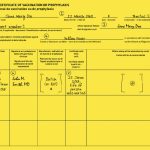
Malaria prevention genuinely represents one component within a broader pre-trip health preparation strategy that should also include confirming routine vaccinations, yellow fever certification where required, and appropriate travel insurance covering medical evacuation if needed.
Side Effects and Medication Tolerance Considerations
Travellers should genuinely discuss potential side effects of different antimalarial medications with their doctor, since tolerance varies between individuals, and starting medication with adequate time before departure allows identifying and addressing any adverse reactions before the trip actually begins.
How Group Trips Should Coordinate Medical Preparation
Travellers organizing group gorilla safaris should genuinely encourage each member to independently consult their own doctor about malaria prevention, since individual health factors and medication tolerances vary considerably, meaning a one-size-fits-all group approach to prevention genuinely doesn’t serve everyone equally well.
Why Confirming Medication Availability Before Travel Matters
Travellers should genuinely confirm their chosen antimalarial medication remains available and properly packed for the entire trip duration, since running out partway through an extended itinerary in a remote area could leave them without adequate protection for the remaining travel days.
How Repellent Application Technique Affects Effectiveness
Beyond simply owning insect repellent, travellers should genuinely apply it correctly and consistently, reapplying according to product instructions particularly after sweating during physically demanding trekking activities, since inconsistent application meaningfully reduces the protection this simple measure otherwise provides.
How Accommodation Choice Sometimes Affects Malaria Risk
Travellers should genuinely consider that accommodation positioned near standing water or dense vegetation sometimes carries marginally higher mosquito activity, and while this factor shouldn’t override other accommodation priorities, awareness of this detail supports more informed overall bite-prevention planning.
Why Post-Trip Awareness Genuinely Matters
Travellers should genuinely remain aware of malaria symptoms for several weeks after returning home, informing their doctor about recent East Africa travel if any fever or flu-like symptoms develop, since malaria can sometimes present after travellers have already returned to non-risk areas.
How Local Health Facilities Handle Suspected Malaria Cases
Travellers should genuinely understand that both Uganda and Rwanda maintain established medical facilities experienced in diagnosing and treating malaria promptly, and knowing the location of the nearest quality clinic relative to your specific lodge provides useful peace of mind should any symptoms genuinely arise during the trip.
Why Discussing Your Full Itinerary With Your Doctor Helps
Travellers should genuinely share their complete itinerary, including every planned stop and elevation, with their travel medicine doctor, since a comprehensive view of the full trip allows for more accurately tailored prevention recommendations than a general regional risk assessment alone would provide.
How Sleeping Arrangements Affect Nighttime Bite Prevention
Beyond confirming netting exists, travellers should genuinely check for any tears or gaps in mosquito netting upon arrival at each new lodge, tucking netting securely under the mattress rather than leaving loose edges that could allow mosquitoes to enter during the night.
Common Questions About Malaria Prevention for Gorilla Safaris
Travellers often ask whether malaria prevention is genuinely necessary if their itinerary focuses primarily on higher-elevation gorilla trekking areas, and most travel medicine specialists still recommend appropriate prevention given typical itineraries’ inclusion of lower-risk-but-not-zero-risk transit through Entebbe or other lowland areas. Another common question concerns natural or alternative prevention methods, and while bite avoidance strategies genuinely help, medical professionals consistently recommend proven antimalarial medication as the primary defense rather than relying solely on natural alternatives.
How Seasonal Timing Affects Malaria Risk
Malaria risk genuinely fluctuates somewhat seasonally, with wetter periods typically seeing increased mosquito activity, though travellers should maintain consistent prevention measures regardless of specific travel timing given the disease’s genuine year-round presence across risk areas.
How Travel Insurance Should Address Malaria-Related Coverage
Travellers should genuinely confirm their travel insurance policy covers malaria treatment and any related medical evacuation should this genuinely serious illness develop during or after their trip, adding this specific check to broader travel insurance review before departure.
Why Combining Multiple Prevention Layers Genuinely Works Best
Malaria prevention experts genuinely emphasize that no single measure, whether medication or bite avoidance alone, provides complete protection, meaning travellers should approach prevention as a combined strategy layering medication, repellent, appropriate clothing, and netting together for genuinely comprehensive coverage.
How Genuine Awareness Beats Anxiety-Driven Avoidance
Travellers should genuinely approach malaria prevention with informed diligence rather than excessive anxiety, understanding that appropriate medication and consistent bite avoidance measures provide meaningfully strong protection, making this manageable health consideration rather than a reason to avoid an otherwise extraordinary trip.
Planning Your Malaria Prevention Strategy
Given how genuinely important proper malaria prevention remains for East Africa travel, consulting a qualified travel medicine specialist well before departure helps ensure appropriate medication and bite-avoidance strategies suited to your specific itinerary and health profile. Done well, comprehensive malaria prevention removes a genuine health concern from your trip planning, allowing full focus on the extraordinary gorilla trekking experience ahead rather than lingering worry about a preventable illness.
Why Early Planning Genuinely Reduces Last-Minute Stress
Travellers who address malaria prevention early in their trip planning process, alongside permits and flights, genuinely avoid the last-minute scramble that can happen when this health preparation gets pushed aside until closer to departure, when medication timing requirements become considerably harder to satisfy properly.
Recommended Tours: 2 Days Rwanda Gorilla Trekking Safari | 3 Days Rwanda Gorilla Trekking for Beginners