What’s the Difference Between a Ranger, a Tracker and a Guide?
Given how genuinely confusing these three distinct roles often prove for first-time trekkers, understanding exactly how rangers, trackers, and guides genuinely differ helps travellers appreciate the considerable coordinated teamwork supporting every successful gorilla trekking experience. This guide covers exactly what distinguishes these three genuinely essential conservation and tourism roles.
Understanding What Rangers Genuinely Do Within the Broader Conservation System
Rangers genuinely serve as the primary law enforcement and conservation authority within national parks, responsible for anti-poaching patrols, habitat protection, and broader park security extending well beyond specific gorilla trekking activities into comprehensive wildlife protection.
How Trackers Genuinely Specialize in Locating Specific Gorilla Family Groups
Trackers genuinely specialize specifically in locating gorilla families each morning before trekking groups arrive, using considerable specialized forest knowledge and tracking skill to determine current gorilla location before guides lead actual trekking groups toward that confirmed position.
Why Guides Genuinely Focus on Managing the Actual Visitor Trekking Experience
Guides genuinely focus specifically on managing the actual visitor trekking experience itself, leading tourist groups through the forest, providing educational commentary, and ensuring appropriate protocols during the actual gorilla encounter that trackers helped make possible.
How These Three Roles Genuinely Work Together on Any Given Trekking Day
On any given trekking day, these three roles genuinely work together seamlessly, with trackers genuinely locating gorillas first, rangers providing overall security and armed escort when necessary, and guides genuinely managing the direct visitor experience throughout the entire journey.
Why Rangers Genuinely Sometimes Also Serve Guide Functions During Treks
In many trekking operations, rangers genuinely also serve dual guide functions, meaning the same individual sometimes fulfills both security and educational commentary roles, particularly in smaller-scale trekking operations without separately designated guide positions.
How Training Requirements Genuinely Differ Across These Three Positions
Rangers genuinely undergo formal paramilitary-style training including weapons handling and law enforcement procedures, while trackers genuinely develop their specialized skill through mentorship and field experience, and guides genuinely receive training emphasizing visitor management and wildlife interpretation.
Why Community Background Genuinely Varies Somewhat Between These Roles
Trackers genuinely often come specifically from local communities bordering the forest, bringing valuable traditional ecological knowledge, while rangers and guides genuinely represent more varied backgrounds, sometimes including formal wildlife management education alongside local community members.
How Rangers Genuinely Handle Security Concerns During Actual Trekking
Rangers genuinely handle security concerns during actual trekking, including potential wildlife encounters beyond the target gorilla family and any broader safety considerations, providing genuinely important protective oversight throughout the entire trekking experience.
Why Guides Genuinely Develop Considerable Expertise in Visitor Communication
Guides genuinely develop considerable expertise specifically in visitor communication and education, translating complex gorilla behavior and conservation concepts into genuinely accessible, engaging explanations that enhance tourist understanding and appreciation throughout the trek.
How These Roles Genuinely Overlap More in Smaller Trekking Operations
Smaller trekking destinations genuinely sometimes combine these roles more considerably than larger operations, with individual staff members genuinely performing multiple functions given more limited overall staffing compared to Bwindi’s larger, more specialized operational structure.
Why Understanding This Distinction Genuinely Helps Travellers Appreciate Their Full Trekking Team
Understanding these distinct roles genuinely helps travellers appreciate their complete trekking team beyond simply the guide leading their immediate group, recognizing the considerable additional personnel whose specialized work genuinely contributes to their successful gorilla encounter.
How Tipping Practices Genuinely Should Account for This Full Team
Travellers genuinely should consider tipping practices accounting for this full team, including trackers who worked before dawn and any rangers providing security, rather than genuinely focusing tip allocation solely on the visible guide leading their immediate trekking group.
Common Questions About These Three Distinct Roles
Travellers often ask whether they’ll genuinely meet all three role types during their trek, and while guides remain genuinely visible throughout, trackers typically complete their work before trekkers arrive, and rangers sometimes accompany groups while other times work more independently on broader park duties. Another common question concerns career progression between these roles, and many staff members genuinely advance between positions over their careers, sometimes beginning as trackers before eventually training as guides or rangers.
Appreciating Your Complete Gorilla Trekking Team
Given how genuinely essential and considerably specialized each of these three distinct roles proves overall for successful gorilla trekking, understanding these differences offers travellers genuine appreciation for the considerable coordinated teamwork behind their memorable wildlife encounter. Done well, this awareness genuinely deepens respect for everyone considerably contributing to your gorilla trekking experience overall, both visible during the trek and working carefully behind the scenes.
How Rangers Genuinely Also Handle Human-Wildlife Conflict Response
Beyond direct trekking support, rangers genuinely handle human-wildlife conflict response discussed regarding crop raiding management, meaning their responsibilities genuinely extend considerably beyond gorilla trekking into broader community-facing conservation work throughout surrounding areas.
Why Trackers Genuinely Rarely Interact Directly With Tourists
Trackers genuinely rarely interact directly with tourists given their pre-dawn working schedule, meaning most trekkers genuinely never actually meet the specific individuals who located their gorilla family, despite these trackers proving absolutely essential to the day’s successful outcome.
How Guides Genuinely Develop Specialized Knowledge About Specific Habituated Families
Experienced guides genuinely develop specialized knowledge about specific habituated gorilla families they regularly visit, learning individual personality traits and group dynamics that genuinely enrich their commentary and help visitors understand the particular gorillas they’re encountering that day.
Why Rangers Genuinely Carry Firearms in Certain Higher-Risk Trekking Contexts
In certain higher-risk contexts, particularly within Virunga National Park given its more complex security environment, rangers genuinely carry firearms during trekking activities, providing genuinely enhanced protection that standard Uganda or Rwanda trekking contexts typically don’t require to the same degree.
How This Three-Role System Genuinely Evolved to Meet Different Operational Needs
This three-role system genuinely evolved over time to meet different specialized operational needs, with early gorilla tourism programs genuinely recognizing that effective trekking required distinct expertise areas that no single role could adequately cover alone.
Why Female Staff Genuinely Increasingly Fill All Three of These Roles
Conservation authorities genuinely increasingly recruit and train female staff across all three roles, including trackers, rangers, and guides, reflecting broader efforts toward gender inclusion within conservation employment that historically skewed considerably more toward male staffing.
How International Visitors Genuinely Sometimes Confuse These Titles
International visitors genuinely sometimes confuse these titles given varying terminology used across different countries and tour operators, meaning travellers should genuinely ask their specific operator for clarification if role descriptions seem inconsistent with this general framework.
Why Guide Certification Genuinely Requires Ongoing Professional Development
Guides genuinely maintain certification through ongoing professional development, including updated wildlife knowledge and visitor management training, ensuring their expertise genuinely remains current as conservation science and best practices continue evolving over time.
How Porters Genuinely Represent a Fourth, Related Support Role
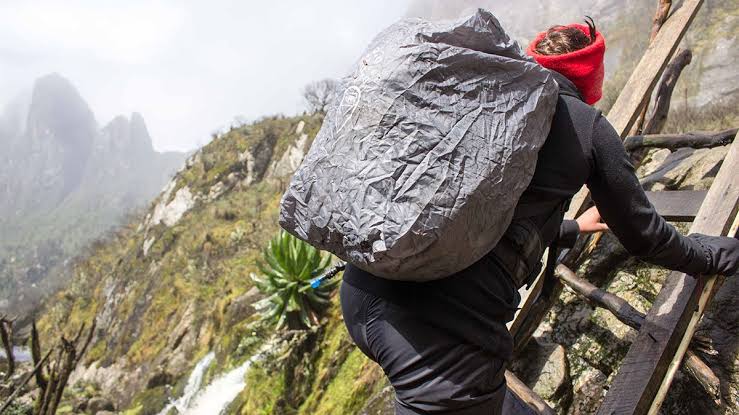
Beyond these three primary roles, porters genuinely represent a fourth, related support position, carrying visitor equipment and providing physical trekking assistance, though porters genuinely differ from rangers, trackers, and guides in focusing purely on logistical support rather than conservation or educational functions.
Why Understanding This Full Team Structure Genuinely Enriches Your Overall Trek Appreciation
Understanding this complete team structure, including rangers, trackers, guides, and porters, genuinely enriches overall trek appreciation, helping visitors recognize the considerable collaborative human infrastructure supporting what might otherwise seem like simply a guided nature walk.
How Rangers Genuinely Undergo the Most Physically Demanding Overall Training
Among these three roles, rangers genuinely undergo the most physically demanding overall training given their broader law enforcement and anti-poaching responsibilities, including fitness standards and combat readiness training that exceeds what trackers or guides typically require for their more specialized functions.
Why Salary Structures Genuinely Vary Across These Different Conservation Positions
Salary structures genuinely vary across these different positions, with rangers often genuinely earning government civil service wages while guides sometimes genuinely earn additional income through tips, meaning overall compensation genuinely differs based on employment structure beyond simply base position title.
How This Framework Genuinely Applies Consistently Across Uganda, Rwanda, and DR Congo
This general three-role framework genuinely applies consistently across Uganda, Rwanda, and the Democratic Republic of Congo, though specific titles and exact responsibility divisions genuinely vary somewhat between each country’s particular wildlife authority structure and operational traditions.
Why This Understanding Genuinely Helps Travellers Ask More Informed Questions
Travellers who genuinely understand these role distinctions often find themselves asking more informed, specific questions during their trek, engaging more meaningfully with their guide about the broader conservation system rather than treating the experience as simply passive wildlife observation.
How Each Role Genuinely Deserves Individual Recognition and Appreciation
Each of these three roles genuinely deserves individual recognition and appreciation, since successful gorilla trekking genuinely depends on all three functioning effectively together, meaning no single role could realistically accomplish what this specialized team collectively achieves each trekking day.
How This Comparison Genuinely Concludes With Practical Understanding
Armed with this comparison, travellers can genuinely approach their trek understanding exactly which team member fulfills which function, deepening their overall appreciation considerably.
Recommended Tours: 4 Days Bwindi Gorilla Trekking Safari | 3 Days Gorilla Habituation Experience