The Serengeti has been photographed more than almost any other landscape in Africa, and yet the plains keep producing images that feel fresh, largely because the combination of light, wildlife density, and sheer geographic scale here creates conditions few other photography safari destinations can match. Getting genuinely strong images out of that potential, though, takes more than pointing a camera out a vehicle window, and a handful of practical and strategic considerations separate a trip full of decent snapshots from one that produces genuinely portfolio-worthy work.
Why the Serengeti’s Light Behaves Differently
The Serengeti’s position near the equator produces a specific quality of light that photographers who have shot primarily at higher latitudes often need time to adjust to, with the sun rising and setting quickly and at a steep angle rather than the long, lingering golden hours familiar from temperate-latitude landscape photography. This compressed golden hour window, typically lasting only twenty to thirty minutes at each end of the day, rewards photographers who position themselves at a promising location well before sunrise or who track toward good light proactively in the late afternoon rather than waiting until conditions are already close to ideal. The trade-off is a landscape that, once the light does turn warm and low-angled, produces extraordinarily rich color and dramatic shadow definition across the plains, particularly when dust, common during the dry season, scatters light in ways that add atmospheric depth to wide shots of herds or distant kopjes.
Choosing the Right Season for Your Photographic Goals
Different seasons deliver fundamentally different photographic opportunities across the Serengeti, and matching a trip’s timing to specific photographic goals matters considerably more here than for a general wildlife-viewing safari. The calving season, roughly January through March on the southern plains, offers dramatic predator-prey action photography as newborn wildebeest and gazelle calves draw intense hunting activity, while the June-through-October dry season concentrates wildlife around remaining water sources and produces the dusty, golden-toned images most associated with classic Serengeti photography. The river crossing season, generally July through October in the park’s northern sections, offers the migration’s most dramatic single spectacle for photographers specifically chasing that iconic crossing image, though positioning and patience matter enormously given the genuinely unpredictable timing of individual crossing events.
Camera Gear Considerations for Serengeti Conditions
A telephoto zoom lens in the 100-400mm or 200-600mm range covers the large majority of Serengeti wildlife photography needs, balancing the reach required for distant sightings against the versatility needed when animals approach closer to the vehicle than expected. A wide-angle lens earns its place in a Serengeti kit specifically for landscape shots incorporating the plains’ dramatic scale, kopjes, and dramatic sky conditions, situations a telephoto simply cannot capture regardless of technical skill. Dust represents a genuine equipment hazard during the dry season, and photographers should plan for frequent lens and sensor cleaning, minimize lens changes in the field where possible, and consider weather-sealed camera bodies and lenses if planning an extended multi-week trip across the ecosystem’s dustier stretches.
Camera Support and Vehicle Setup
Beanbags remain the most practical camera support for vehicle-based Serengeti photography, molding easily to a window ledge or roof hatch edge in ways a traditional tripod cannot replicate within the confines of a safari vehicle, and serious photographers often request vehicles with modified roof hatches or window configurations specifically suited to stable long-lens shooting.
Reading Animal Behavior for Better Compositions
Strong wildlife photography depends heavily on anticipating behavior rather than simply reacting to it, and guides experienced specifically in photographic safaris develop a feel for positioning vehicles ahead of likely action, whether that means anticipating a lion pride’s move toward shade before the midday heat sets in or reading tension within a herd that suggests a predator is nearby and a reaction is imminent. Photographers benefit considerably from working with guides who understand photographic priorities specifically, including vehicle positioning relative to light direction and background clutter, rather than guides trained primarily around general wildlife-viewing priorities that do not always align with strong compositional opportunities.
Composing Beyond the Close-Up
While tightly framed close-up wildlife portraits dominate most photographers’ initial instincts, some of the Serengeti’s most compelling images incorporate the landscape’s scale directly into the composition, using the plains’ vast, flat horizon, dramatic cloud formations, or a kopje’s silhouette to contextualize an animal within its genuinely vast environment rather than isolating it against a blurred background. This wider environmental approach to composition, while requiring photographers to resist the instinctive pull toward maximum telephoto reach, often produces images that communicate the Serengeti’s genuine sense of scale far more effectively than a tightly cropped portrait ever could.
Specialized Photography Safari Vehicles and Camps
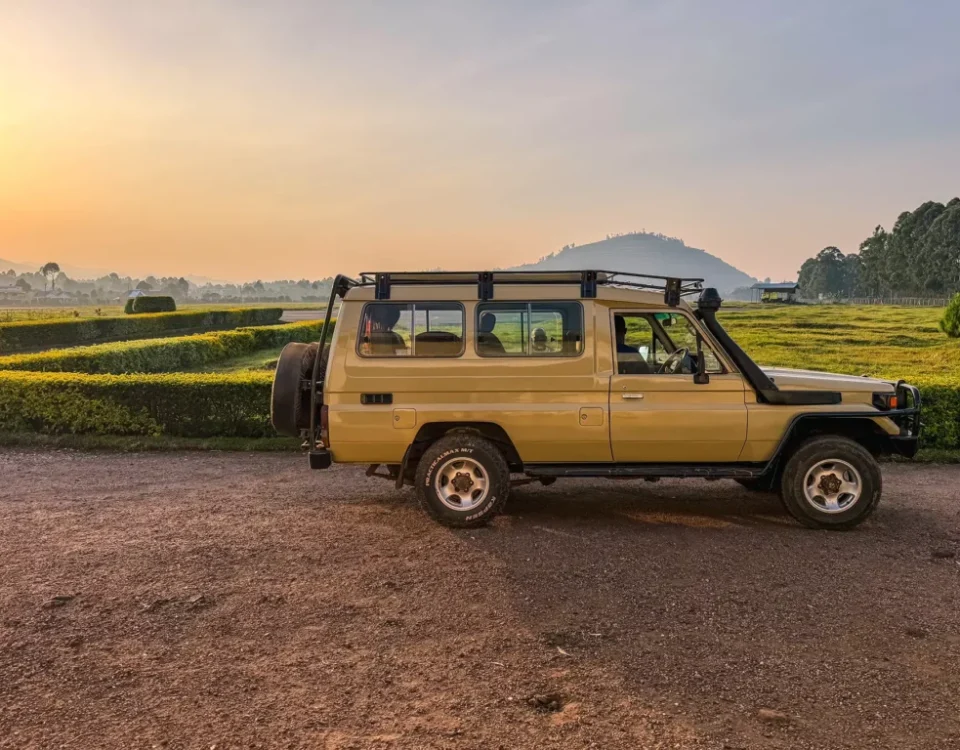
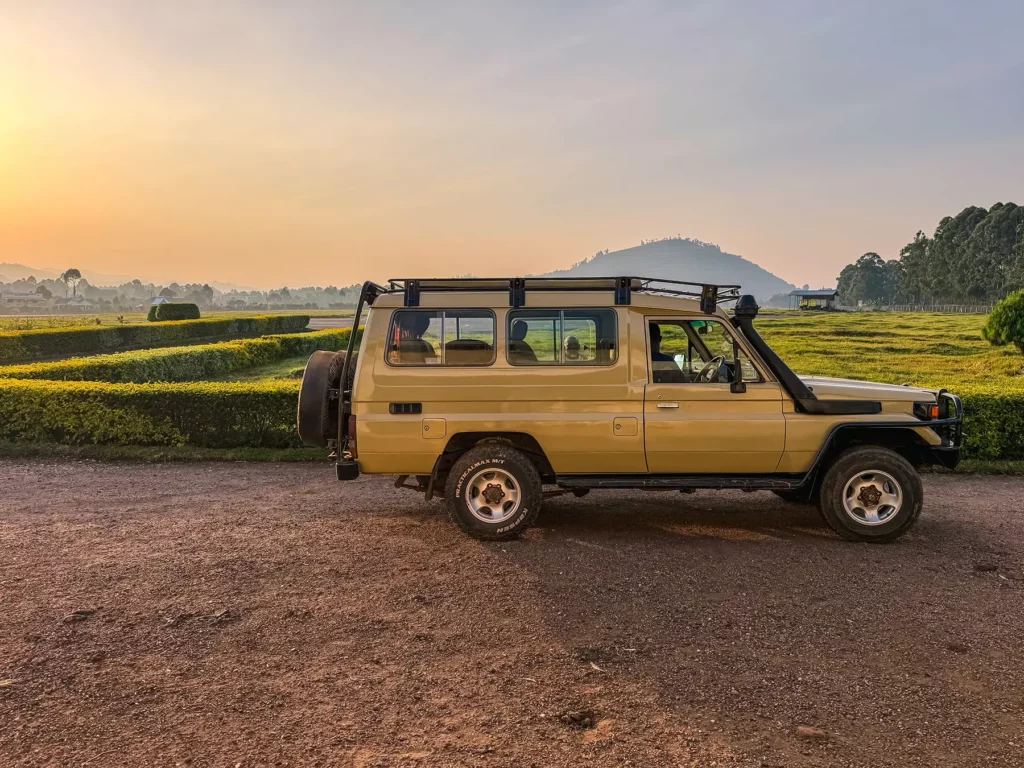
A growing number of Serengeti operators offer dedicated photography-focused vehicles, modified with beanbag rests, lower window lines for unobstructed shooting angles, and sometimes swiveling seats allowing photographers to shoot in any direction without repositioning the entire vehicle. Some camps also offer specialized photography guides with backgrounds in professional wildlife photography themselves, capable of providing real-time technical and compositional feedback beyond standard wildlife-spotting guiding, a meaningful upgrade for photographers serious enough about the craft to prioritize this kind of specialized support over a standard game-drive-oriented safari.
Balloon Safaris for a Different Perspective
Hot air balloon safaris over the Serengeti offer photographers a genuinely different vantage point entirely, capturing the plains’ patterns, herds, and kopjes from an aerial perspective unavailable through any ground-based vehicle positioning. While balloon flights impose their own constraints, including limited control over flight path and generally softer, higher-altitude compositions rather than tight wildlife portraits, the resulting images add valuable variety to a broader photographic portfolio built primarily around ground-level game drive photography.
Editing and Processing Serengeti Images
The post-processing stage, often overlooked in discussions focused primarily on capture technique, plays a significant role in how the Serengeti’s specific lighting conditions ultimately translate into a finished image. Dust and haze common during the dry season can flatten contrast and mute color straight out of camera, and photographers often find that Serengeti images benefit from careful, restrained contrast and clarity adjustments in post-processing to recover some of the depth and richness the eye perceived in the field but that a camera sensor did not fully capture under harsh midday conditions. White balance also deserves particular attention given the warm, sometimes orange-tinted light common during the golden hours bookending each day, since an aggressive automatic white balance correction can strip away exactly the warm tonal quality that made a given image compelling in the first place. Photographers working with raw files retain considerably more flexibility to fine-tune these qualities after the fact than those shooting exclusively in compressed JPEG formats, a meaningful technical consideration worth planning for before departure rather than discovering as a limitation only after returning home with a memory card full of images.
Ethical Considerations in Wildlife Photography
Serious wildlife photographers increasingly recognize that the pursuit of a striking image carries ethical responsibilities toward the animals being photographed, and reputable guides and operators enforce clear boundaries around vehicle positioning, noise levels, and appropriate distance from sensitive situations such as a hunt in progress, a den site with young, or a mating pair. Photographers should resist any temptation to pressure a guide into closer or more aggressive positioning purely to secure a marginally better shot, since responsible wildlife photography prioritizes the animal’s natural behavior and comfort over any single image’s technical perfection. The Serengeti’s professional guiding community has generally embraced these standards, and photographers who communicate clearly that they prioritize ethical practice over aggressive positioning typically find guides responsive to that priority rather than resistant to it.
Group Size and Its Effect on Photographic Opportunity
Vehicle and group size significantly affects photographic flexibility during a Serengeti safari, since a smaller, dedicated group or a private vehicle allows considerably more control over positioning, timing, and duration at any given sighting compared with a larger shared-vehicle group where other travelers’ preferences and schedules necessarily factor into decisions about how long to remain at a productive scene. Photographers serious about maximizing their results generally find private vehicle bookings, while more expensive than shared group safaris, deliver a meaningfully better return in terms of both the quality and quantity of strong images captured across a multi-day trip, given the flexibility to linger at a promising sighting or reposition repeatedly as light and animal behavior shift over the course of an encounter.
Planning a Dedicated Photography Trip
Photographers serious about maximizing their Serengeti results should generally allocate more time in fewer locations rather than rushing through a broad multi-park circuit, since strong wildlife photography depends heavily on patience, repeat visits to productive locations, and flexibility to stay with a promising scene rather than moving on according to a fixed itinerary schedule. Working with an operator and guide experienced specifically in photography-focused safaris, communicating clear priorities around timing, vehicle setup, and target subjects before departure, and building in enough days to accommodate both weather and wildlife unpredictability all meaningfully improve the odds of returning home with genuinely strong images from the Serengeti, one of the very few landscapes on Earth capable of rewarding that kind of dedicated photographic focus across an entire multi-day trip.