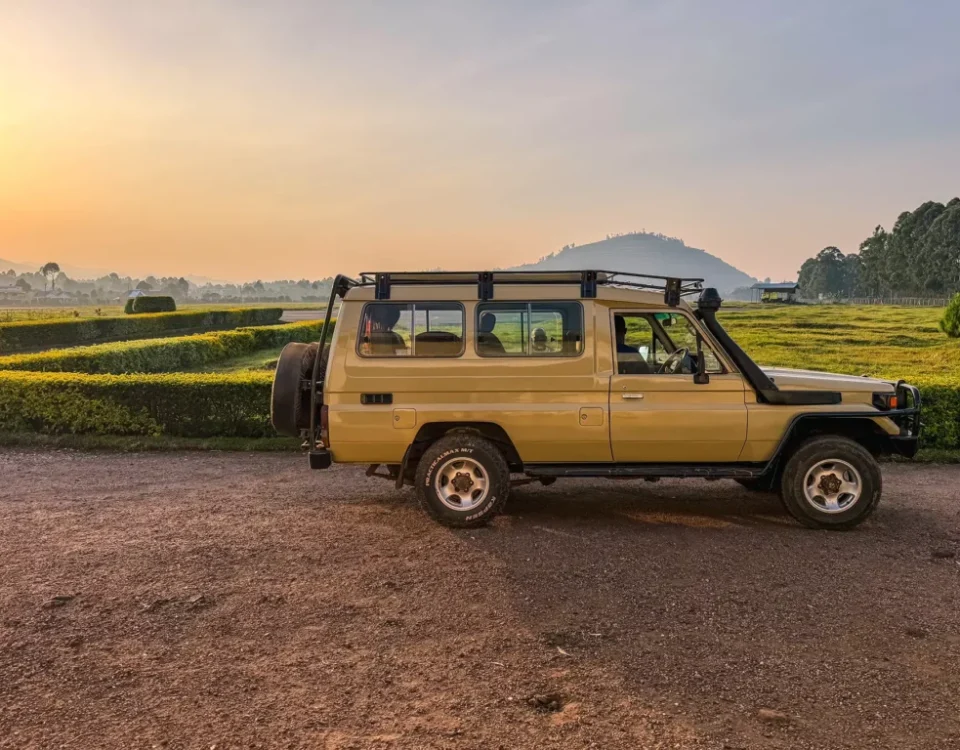
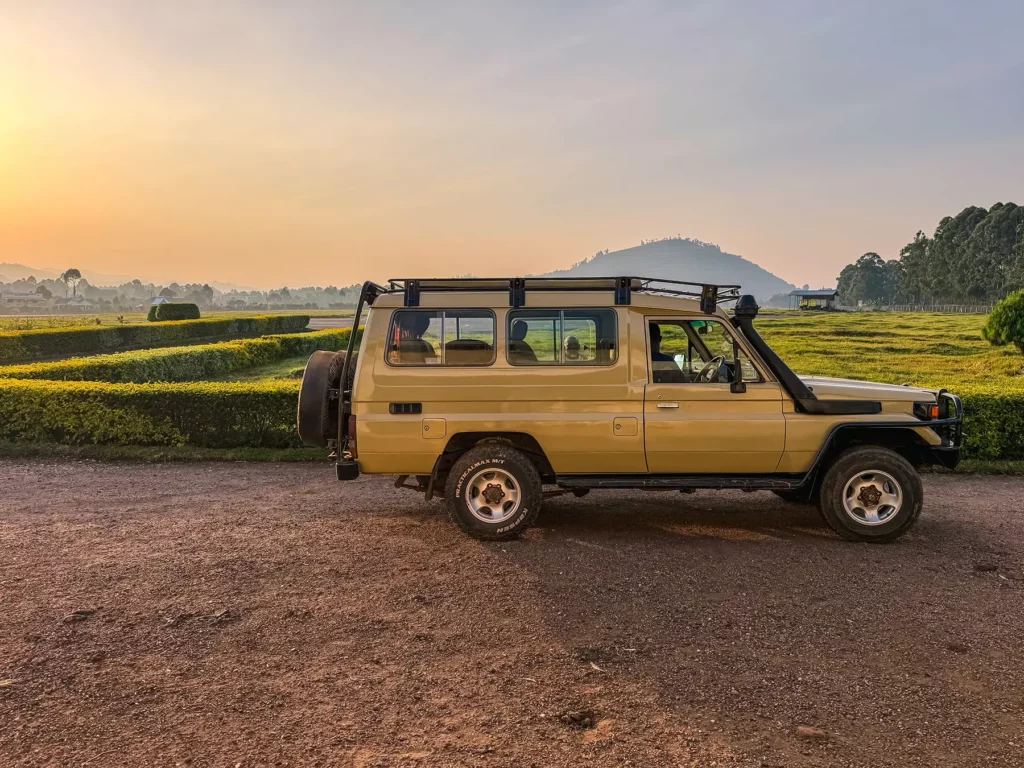
Somewhere between the last game drive of the day and dinner back at camp, a distinctly African ritual unfolds across Tanzania’s parks each evening: the sundowner, a drink taken in hand while watching the sun drop toward the horizon, transforming an ordinary end to a day of wildlife viewing into something closer to a small, deliberate ceremony. Tanzania’s landscape offers an unusually rich set of locations built for exactly this moment, and knowing where to find the best of them elevates a safari considerably beyond its already substantial baseline appeal.
Why Sundowners Became a Safari Tradition
The sundowner tradition traces back to East Africa’s colonial-era hunting safaris, when guides and clients would pause the day’s activity as dusk approached, both as a practical response to fading light making further game viewing difficult and as a deliberate social ritual marking the transition from the day’s exertions into evening relaxation. That colonial origin has been thoroughly reshaped and reclaimed by the modern safari industry into something considerably more inclusive and less fraught, a simple, universally appreciated pause built around genuinely spectacular natural scenery rather than any specific cultural baggage from its origins, and most guides today treat arranging a well-positioned sundowner stop as a standard, expected part of a well-run game drive itinerary.
Serengeti Kopjes at Golden Hour
Few sundowner settings match a Serengeti kopje at dusk, the ancient granite rock formations catching the day’s final warm light while offering an elevated vantage point across the surrounding plains, often with distant wildlife silhouetted against the darkening sky. Guides familiar with specific, safe kopje locations, chosen partly for their view and partly for their distance from any resting predators that might be using the same rocks for shelter, can position a sundowner stop to catch both the visual drama of the setting sun and, with some luck, distant herds or a hunting predator crossing the plains in the fading light.
Ngorongoro Crater Rim
The crater rim itself offers one of Tanzania’s most dramatic sundowner settings, looking directly down into the caldera as the sinking sun casts long shadows across the crater floor far below, transforming the same landscape travelers explored at ground level hours earlier into an entirely different visual experience from this elevated perspective. Several rim lodges have built dedicated viewing decks specifically to take advantage of this nightly spectacle, and even travelers not staying directly on the rim can often arrange a sundowner stop at a designated viewpoint on the way back from a day’s crater descent, timing their ascent to coincide with the day’s final light.
Weather and Visibility Considerations
Mist and cloud frequently gather around the crater rim in late afternoon, meaning a clear, unobstructed sunset view here is a genuine possibility rather than a certainty, and travelers hoping specifically for this experience should build some flexibility into their schedule across a multi-night crater-area stay to improve their odds of catching a clear evening.
Tarangire’s Baobab Silhouettes
Tarangire National Park’s dramatic baobab trees, their thick, distinctive trunks and sprawling branch structures silhouetted against an orange evening sky, create some of Tanzania’s most recognizable and photogenic sundowner backdrops, particularly from elevated viewpoints overlooking the park’s characteristic dry-season landscape. A sundowner stop among Tarangire’s baobabs, often timed to coincide with elephant herds making their way toward evening water sources, combines the visual drama of the setting sun with some of the park’s most reliable wildlife activity, a particularly rewarding combination for photographers looking to close out a day’s shooting with a final memorable frame.
Lake Manyara’s Rift Valley Views
Lodges positioned along the Rift Valley escarpment above Lake Manyara offer sweeping sundowner views across the lake and surrounding groundwater forest far below, with the setting sun often catching the water’s surface in a way that adds dramatic reflected color to an already striking elevated panorama. This particular vantage point benefits from the escarpment’s height, offering a genuinely different visual perspective than the more ground-level sundowner spots found within most of Tanzania’s flatter parks, and several properties along this stretch of the Rift wall have built their entire evening dining and bar service specifically around capturing this view each night.
Zanzibar’s Beach Sundowners
Beyond the mainland safari circuit, Zanzibar offers its own distinct sundowner tradition, typically enjoyed from a beachfront bar, a dhow sailing offshore, or simply a stretch of sand along the island’s western-facing coast where the sun sets directly over the Indian Ocean rather than behind inland terrain. The contrast between a savanna sundowner, gin and tonic in hand while watching for distant wildlife, and a Zanzibar beach sundowner, feet in warm sand with the sound of waves rather than distant lion calls, offers travelers combining a mainland safari with an island extension a genuinely different but equally rewarding version of the same evening ritual.
What Makes a Great Sundowner Setup
Beyond location alone, a well-executed sundowner stop typically involves a few consistent elements that experienced guides and camps have refined over years of practice: a folding table set with a proper selection of drinks and snacks rather than a rushed, informal pour, enough time built into the day’s schedule to actually linger and watch the full sunset rather than rushing back to camp before dark, and a location chosen specifically for both scenic value and safety, given the obvious need to avoid lingering on foot in areas with active predator movement as darkness approaches. The best guides also read weather and cloud conditions throughout the afternoon, adjusting a planned sundowner location if a particular spot seems unlikely to deliver a clear view given how conditions are developing.
Southern Circuit Sundowners Along the Rivers
Tanzania’s southern circuit offers its own distinct take on the sundowner tradition, typically arranged along the Great Ruaha River in Ruaha National Park or beside one of Nyerere National Park’s lakes and channels off the Rufiji River, where the setting sun catches the water’s surface and silhouettes hippos and waterbirds settling in for the night. These riverine sundowner settings differ meaningfully from the more elevated, panoramic spots found across the northern circuit, offering a more intimate, water-level perspective that pairs naturally with the southern circuit’s broader emphasis on walking safaris and boat-based activities rather than purely vehicle-based game viewing. Camps in Ruaha and Nyerere have increasingly built dedicated sundowner platforms or boat-based sunset cruises specifically to take advantage of these riverside settings, recognizing the same universal appeal that has made the sundowner ritual such a consistent fixture across nearly every style of Tanzanian safari camp.
Balloon Safari Sunrise as a Counterpart Ritual
While sundowners mark the day’s end, the Serengeti’s hot air balloon safaris offer a complementary sunrise ritual worth mentioning alongside them, drifting silently over the plains as the sun comes up rather than watching it set from the ground. Many travelers who experience both find the two moments, a champagne breakfast celebrating sunrise after a balloon flight and an evening sundowner watching the same sun descend hours later, form a kind of bookend structure to a memorable day in the Serengeti, each offering a distinctly different but equally powerful way of marking time against the rhythm of the African sky.
Requesting a Sundowner on Your Safari
Most reputable Tanzania safari operators build sundowner stops into standard game drive itineraries as a matter of course, but travelers with a specific location preference, whether a particular kopje, a crater viewpoint, or a favorite baobab silhouette spot, should communicate that preference directly to their guide early in a multi-day stay rather than assuming it will happen automatically on the right evening. Pairing a well-chosen sundowner stop with time in the Serengeti or Tarangire ecosystems adds a small but genuinely memorable ritual to the end of each safari day, the kind of unhurried, deliberately savored moment that many returning travelers describe, somewhat surprisingly, as among their most vivid memories of an entire trip built otherwise around dramatic wildlife encounters.
Photographers in particular should arrive at a chosen sundowner spot with time to spare rather than rushing in just as the sun touches the horizon, since the period before and after the sun’s actual disappearance, when the sky shifts through deepening shades of orange, pink, and purple, often produces more striking images than the moment of sunset itself. Packing a light jacket is also worth considering even in Tanzania’s generally warm climate, since temperatures can drop noticeably once the sun goes down, particularly at higher-elevation spots like the Ngorongoro rim or along the Rift Valley escarpment above Lake Manyara, where evening breezes off the surrounding terrain can turn a pleasant sundowner into a chillier experience than the day’s heat would suggest.
Ultimately, the specific location matters less than the willingness to actually pause the day’s momentum and give the moment its due attention, something that a well-run safari itinerary builds space for deliberately rather than leaving to chance. Whether the setting is a granite kopje rising above the Serengeti plains, a rim overlooking Ngorongoro’s crater floor, or a stretch of Zanzibar sand, the underlying appeal remains constant: a brief, unhurried pause to watch the African sky perform one of its most reliable and rewarding daily spectacles before the evening’s dinner and stories around camp take over.