Most visitors to Rwanda spend their days chasing a tight itinerary: an early drive to Volcanoes National Park, a permit briefing at dawn, a trek through bamboo and stinging nettle, then a long transfer back toward Kigali for a flight out. It is a rewarding rhythm, but it rarely leaves room for the quieter side of the country the locals actually retreat to on a free Saturday. Lake Muhazi, a long, narrow body of water threading through the hills of the Eastern Province roughly forty-five minutes from the capital, is where that quieter Rwanda lives. It has no volcanoes, no primates, and no headline attraction. What it has is stillness, and for travelers who have just come off several intense days of trekking or who want a soft landing before an international flight, that stillness is exactly the point.
Where Lake Muhazi Sits and Why Its Shape Matters
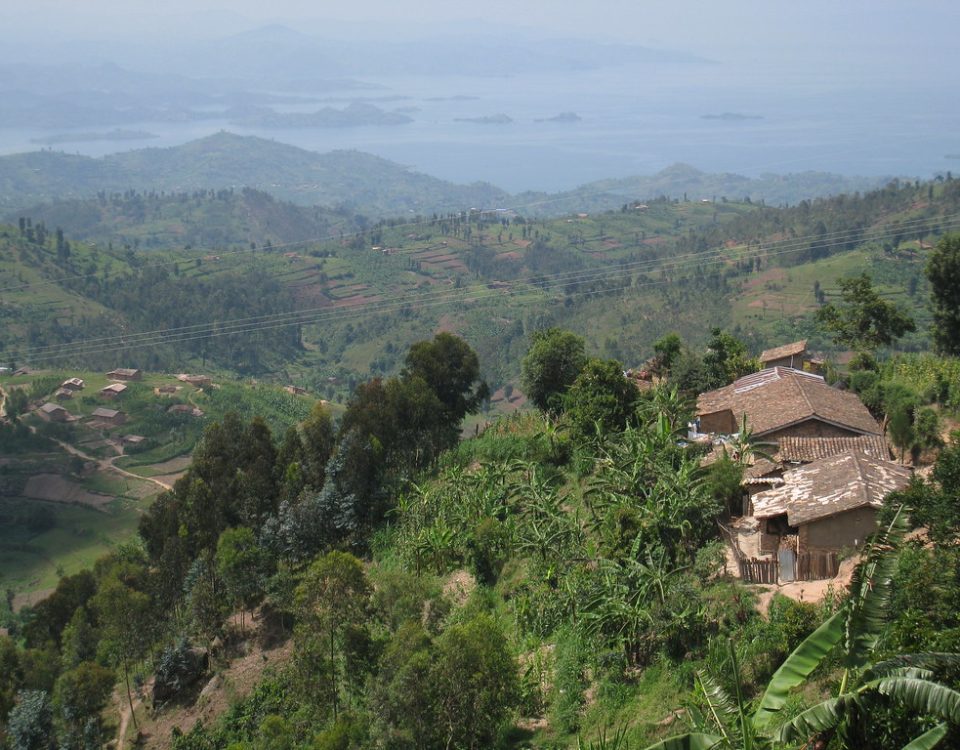
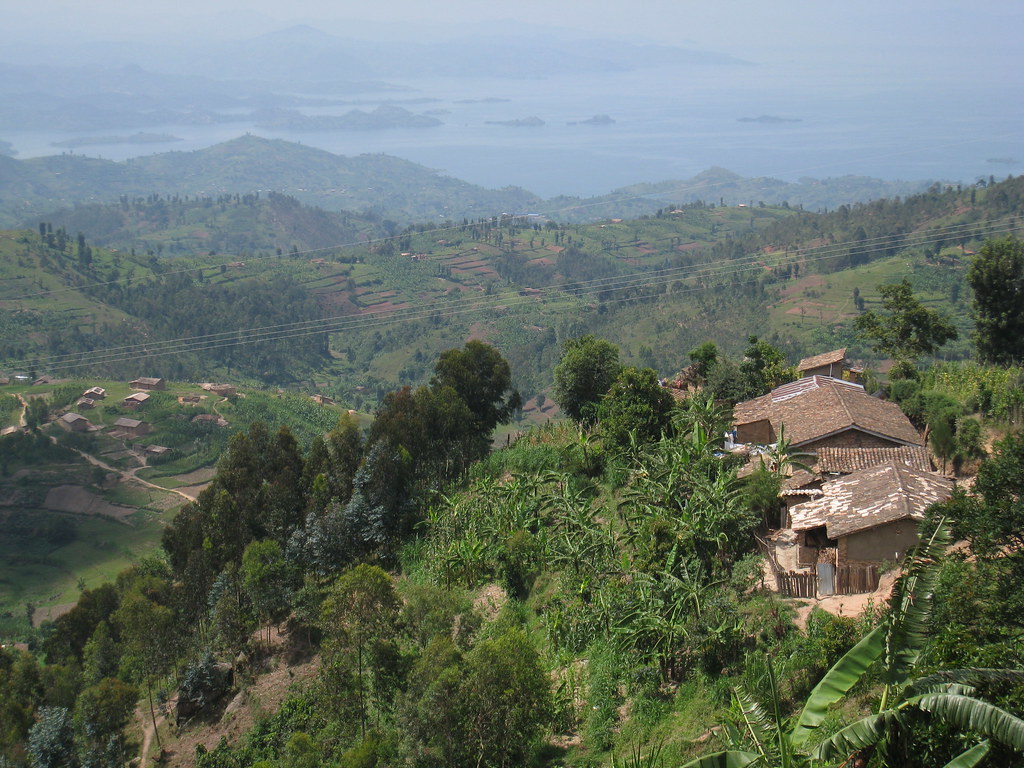
Lake Muhazi is unusual among Rwanda’s lakes for its geography. Rather than the roughly circular basins of Lake Kivu or Lake Burera, Muhazi stretches in a long, meandering ribbon across Rwamagana and Gicumbi districts, its shoreline folding back on itself so many times that the lake’s edge measures far longer than its straight-line distance would suggest. This shape is the product of the same rolling hill country that gives Rwanda its nickname, the land of a thousand hills, with the water simply filling the valleys between ridgelines rather than occupying a single volcanic crater or rift basin. The result is a lake that feels intimate rather than vast. From almost any point on its banks, the far shore is visible, dotted with small fishing settlements, eucalyptus stands, and terraced plots of cassava and banana.
Because the lake sits close to Kigali along a paved and increasingly well-maintained road network, it has become the default weekend escape for residents of the capital rather than a stop on the international safari circuit. That distinction matters for how a visitor should think about it. This is not a place with polished visitor infrastructure built around a marquee wildlife encounter. It is a place built around rest, and the lodges and resorts that have grown up along its shore reflect that purpose.
Getting There from Kigali
The drive from central Kigali to the lake’s main resort cluster near Kayonza and Rwamagana takes roughly an hour depending on traffic through the city’s eastern suburbs, making it one of the more accessible short trips available to travelers who are based in the capital for a night or two before or after gorilla trekking. Self-drive is straightforward on this route since the road is sealed for virtually the entire distance, though hiring a driver removes the guesswork around parking and local turnoffs, several of which are unmarked dirt tracks leading down to individual lodge properties. Moto-taxis and shared minibuses also run toward Rwamagana and onward toward the lake, though for a relaxed getaway most visitors either arrange a private transfer through their tour operator or rent a car for the day.
Travelers combining a Volcanoes National Park trek with time in Kigali sometimes overlook how central Muhazi’s location actually is. It sits roughly between Kigali and Akagera National Park, which makes it a genuinely useful stopover for anyone driving between the two rather than a detour that eats into a tight schedule. A traveler heading out to combine Akagera and Volcanoes National Park in a single trip could reasonably break the Kigali-to-Akagera leg with a night on Muhazi’s shore without adding meaningful distance to the route.
What There Is to Do Once You Arrive
Boat Rides and Quiet Paddling
The lake’s calm water, sheltered by hills on nearly every side, makes it well suited to boat trips that would feel exposed and choppy on a larger body of water like Kivu. Several lodges operate simple wooden or fiberglass boats for sunset cruises, taking guests out along the folding shoreline to watch fish eagles working the shallows and local fishermen casting hand nets from dugout canoes. The pace is unhurried by design. Unlike a boat safari aimed at wildlife spotting, a Muhazi cruise is closer to a floating conversation, drinks in hand, watching the hills change color as the light drops. Kayaks are increasingly available at the larger properties too, giving more active guests a way to explore coves and inlets under their own power rather than following a set boat route.
Birdlife Along the Shoreline
Rwanda’s reputation for birding tends to center on Nyungwe Forest and Akagera, but Muhazi’s mix of open water, papyrus fringe, and cultivated hillside supports a respectable list of its own, including African fish eagles, pied kingfishers, herons, and a variety of weavers that nest in the reed beds close to shore. It will never rival a dedicated birding circuit through Nyungwe, but for a traveler already curious about East Africa’s birdlife, an afternoon on Muhazi’s water adds an easy, low-effort session to the trip. Readers planning a dedicated birding itinerary elsewhere in the country may find it useful to compare notes with a broader guide to bird watching in Rwanda, which covers the country’s stronger birding sites in more depth.
Village Life and Local Markets
Walking or cycling the roads that hug the lake’s edge brings visitors through small trading centers where daily life continues largely unaffected by tourism. Roadside stalls sell fried cassava, grilled corn, and seasonal fruit, and the Saturday markets in villages like Kayonza draw farmers from the surrounding hills to trade produce, secondhand clothing, and household goods. There is no formal cultural tour built around these markets the way there is at a curated village experience elsewhere in the country, and that absence of a script is part of the appeal. Visitors who want a more structured cultural encounter, with performances and guided demonstrations built specifically for tourism, are better served by a dedicated cultural village visit, but those who simply want to see how people actually live around the lake will find the markets rewarding on their own terms.
Where to Stay Around the Lake
Accommodation on Muhazi ranges from simple guesthouses aimed at Rwandan weekend visitors to a handful of more polished resort-style properties with swimming pools, lakeside decks, and conference facilities that also double as leisure retreats. Prices sit well below what a comparable lodge would cost near Volcanoes National Park, reflecting the lake’s role as a domestic getaway rather than an international safari stop. Most properties are built directly on the water, with rooms or cottages facing the lake and shared lounge areas positioned to catch the evening breeze. Because the lake curves so much, even closely spaced lodges tend to feel private from one another, each occupying its own small bay rather than lining up along a single continuous beach.
For travelers weighing where to spend a relaxation night in the broader context of a Rwanda itinerary, it is worth comparing Muhazi against the country’s other lakeside options. Lake Kivu, further west, offers a larger, more developed resort scene with mountain and island views, and a dedicated look at Rwanda’s best beaches and lakeside resorts at Lake Kivu lays out those options in detail. Muhazi, by contrast, suits travelers who want proximity to Kigali over scale, and a shorter, simpler trip over a fully resort-oriented one.
The Best Time to Visit
Rwanda’s dry seasons, roughly June through September and again from December into February, bring the clearest skies and the most comfortable conditions for time on the water, whether that means a boat cruise, a walk along the shore, or simply sitting on a veranda watching the light change. The wetter months are not without their appeal, since the surrounding hills turn a deeper green and the lake itself tends to be even calmer under overcast skies, but travelers prioritizing sunny afternoons for boating should lean toward the dry months. Because Muhazi is treated primarily as a weekend destination by Rwandans themselves, Friday and Saturday nights at the more popular resorts can fill up with local groups, families, and small conferences, so travelers hoping for a quieter midweek stay may find weekdays a better fit for the kind of solitude that draws people to the lake in the first place.
Fitting Muhazi Into a Wider Rwanda Itinerary
The honest case for visiting Lake Muhazi is not that it competes with Volcanoes National Park or Nyungwe Forest for drama or ecological significance. It does not, and it was never meant to. Its value lies in what it adds to a longer trip: a genuine pause between more demanding legs of a safari, a place to decompress after the early wake-up calls and physical exertion of gorilla trekking, or a low-key final night before flying home from Kigali International Airport. Travelers building a full Rwanda safari holiday around gorilla permits, Akagera game drives, and Nyungwe canopy walks often underestimate how much a single unstructured day changes the feel of the whole trip. Lake Muhazi is where that day belongs. It asks nothing of its visitors beyond a willingness to slow down, and for a country whose signature experiences are built around early starts and physical effort, that alone makes it worth the short drive out of Kigali.