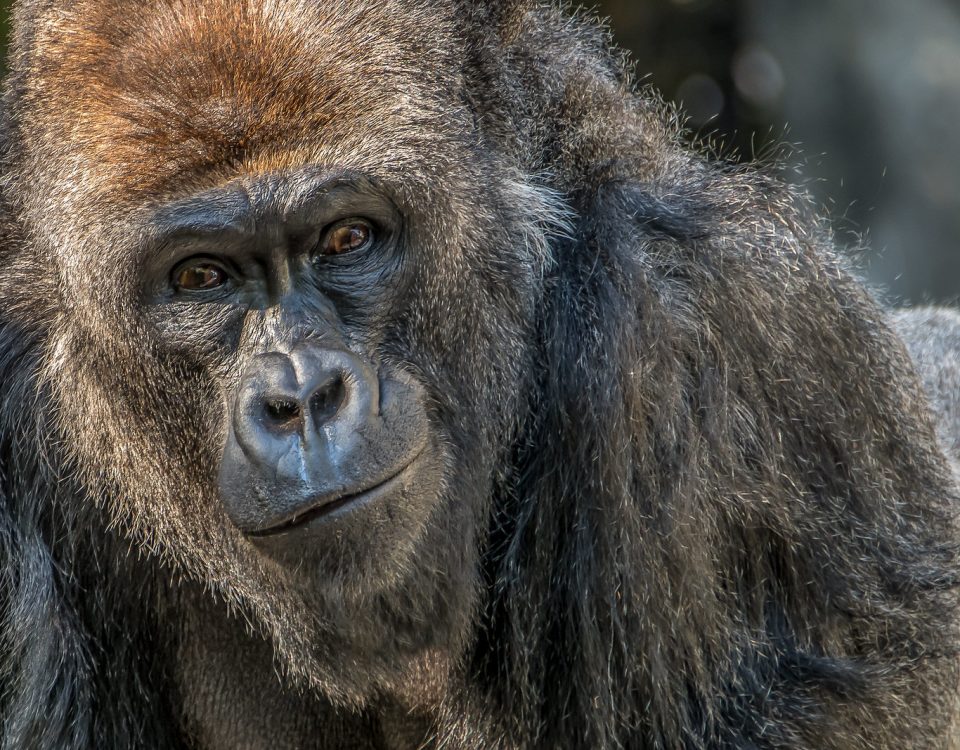
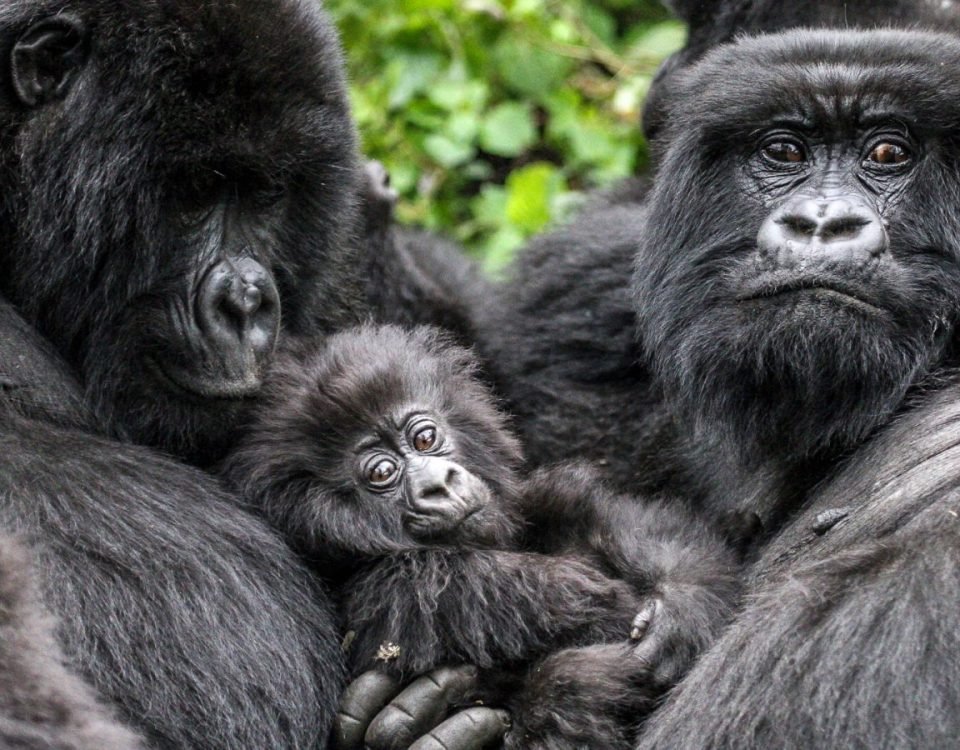
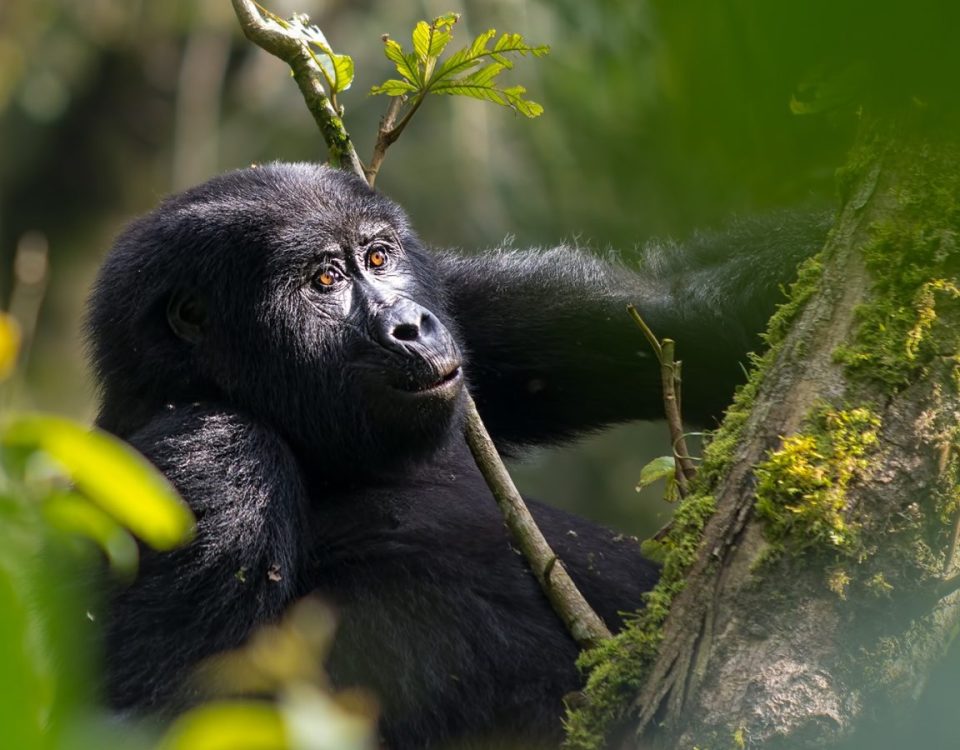
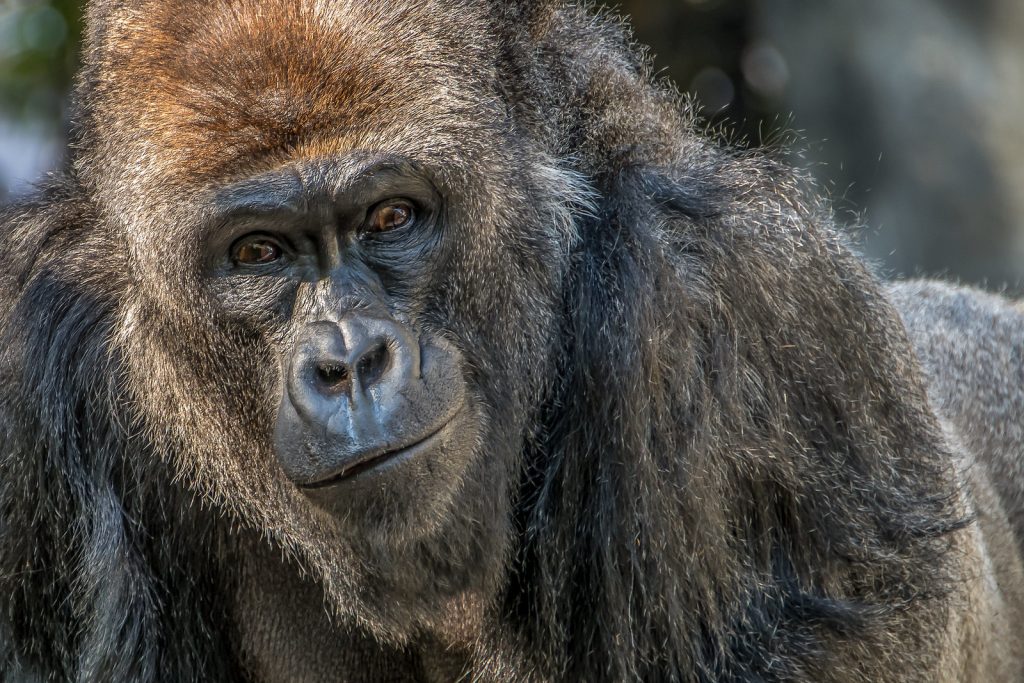
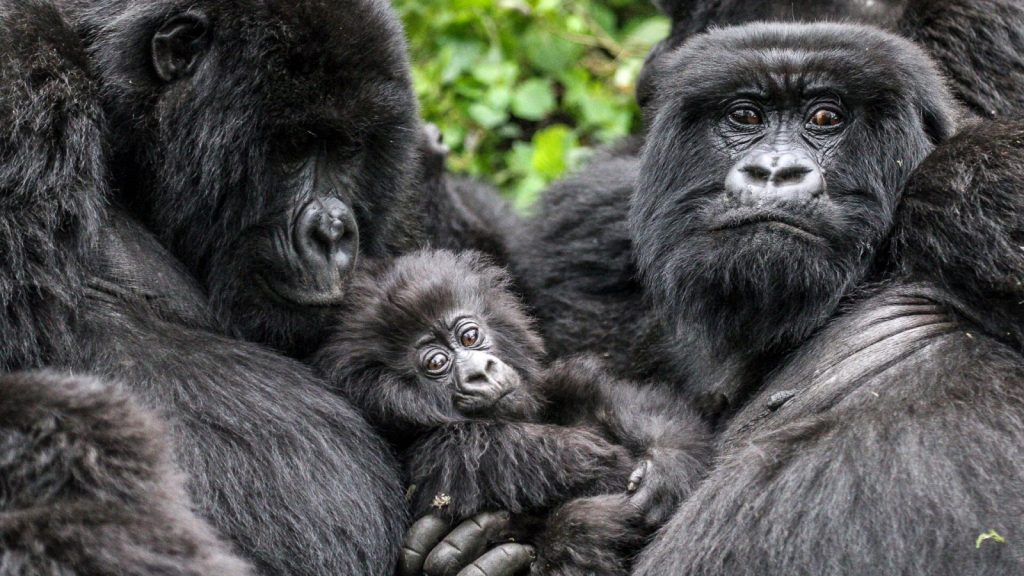
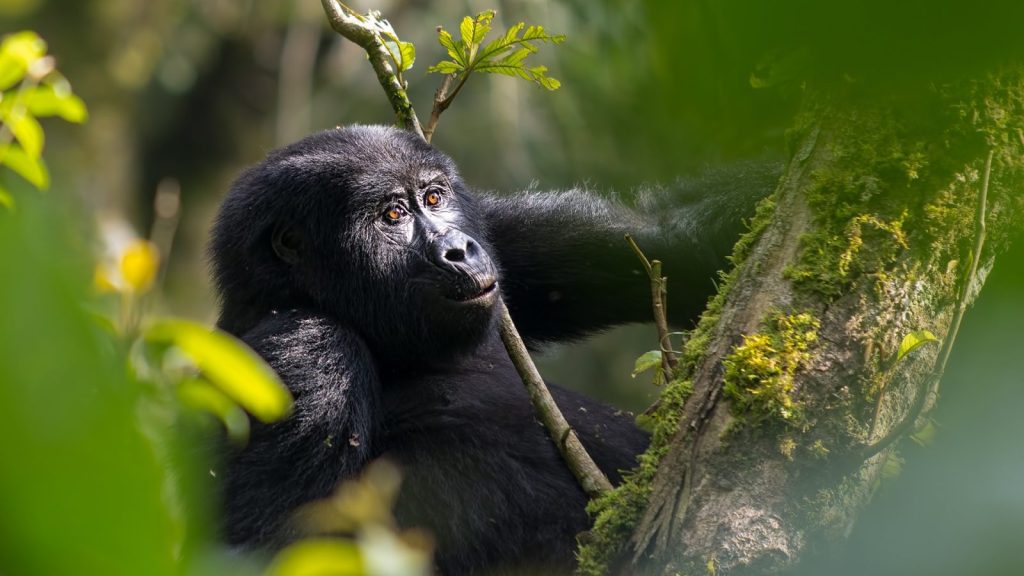
Once a year, on a field in Kinigi at the foot of the Virunga volcanoes, Rwanda holds a ceremony that has no real parallel anywhere else in the world of wildlife conservation. Dignitaries arrive in traditional dress, drummers and dancers perform, and a succession of names, chosen months in advance and carrying genuine weight for the people who selected them, are read aloud to mark the birth of that year’s infant mountain gorillas. Kwita Izina, meaning “to give a name,” has grown from a modest local gathering into one of Rwanda’s most recognizable annual events, drawing international conservationists, celebrities, and government officials to a ceremony rooted in an old Rwandan tradition and repurposed for an entirely modern conservation cause.
Where the Tradition Comes From
Long before Kwita Izina became a gorilla-naming event, naming ceremonies held deep cultural significance in ordinary Rwandan family life, marking the arrival of a newborn child with a gathering of family, friends, and community elders who would help choose a name reflecting hopes, circumstances, or family history. This tradition, still practiced in households across the country, treats naming as a communal act rather than a private decision made solely by parents, with the wider community effectively welcoming the child into its social fabric through the act of collectively settling on a name. When Rwanda’s national park authorities looked for a way to build stronger public connection to mountain gorilla conservation in the early 2000s, this existing cultural practice offered an obvious and powerful template, one that would frame each newborn gorilla not as an anonymous data point in a population count but as an individual welcomed into the community the way a human child would be.
How the Modern Ceremony Developed
The first Kwita Izina ceremony took place in 2005, organized by the Rwanda Development Board in partnership with conservation organizations working in Volcanoes National Park, and it has been held annually ever since, typically in September, growing steadily in scale and international profile with each passing year. The 2026 ceremony, the twenty-first in the event’s history, took place on September 4 in Kinigi, Musanze District, where twenty-two infant gorillas born over the preceding twelve months received names before a crowd of conservationists, government dignitaries, and community representatives. That ceremony brought the cumulative total of gorillas named since the tradition began in 2005 to 460, a running record that park authorities maintain as both a conservation database and a public symbol of the population’s steady recovery over the past two decades.
Why Naming Individual Gorillas Matters for Conservation
It would be easy to dismiss Kwita Izina as pure ceremony, a pleasant piece of theater layered on top of the real conservation work happening in the forest. In practice, the naming tradition is tightly linked to the scientific monitoring that has made Rwanda’s mountain gorilla population one of the genuine success stories in African wildlife conservation. Every named gorilla is tracked individually by rangers and researchers, its health, social group, and life history recorded over years or even decades, building the kind of detailed, long-term dataset that has allowed conservationists to understand gorilla social dynamics, disease patterns, and population trends with remarkable precision. Naming a gorilla is, in effect, the public-facing counterpart to a much more rigorous process of individual identification that underpins nearly everything researchers know about how these animals live, a process that has directly informed the park management decisions responsible for the population’s recovery from the brink of extinction in the late twentieth century.
This individual tracking also gives conservationists a way to communicate progress to the public in terms people can actually connect with. A statistic reporting that the regional mountain gorilla population has grown by several dozen individuals over a given period is useful but abstract; knowing that a specific named gorilla, tracked since infancy, is now leading her own family group carries far more emotional resonance, and that resonance translates into public support, donor engagement, and political will to keep funding the rangers, veterinarians, and anti-poaching patrols that make the recovery possible in the first place.
What the Ceremony Actually Involves
The Kwita Izina event itself unfolds as a large, carefully staged public celebration rather than a quiet scientific proceeding. A raised platform decorated in traditional motifs hosts speeches from government officials, conservation partners, and sometimes international guests, while traditional dancers and drummers, drawing on the same performance traditions found at cultural sites like Iby’Iwacu, provide entertainment between formal segments. The central moment comes when each selected namer, often a mix of conservationists, community members, government figures, and international dignitaries invited for the occasion, steps forward to announce the name they have chosen for a specific infant gorilla, frequently explaining the reasoning or symbolism behind their choice, whether it references a hope for the animal’s future, a tribute to a person or place, or a word carrying broader cultural meaning in Kinyarwanda.
The event has grown substantially in production value since its modest beginnings, now incorporating large video screens, extensive press coverage, and a guest list that has at various points included heads of state, prominent conservationists, and celebrities with a public interest in wildlife protection, all of which has helped elevate the ceremony’s profile well beyond Rwanda’s borders and turn it into a genuine tourism draw in its own right rather than a purely domestic conservation event.
Attending Kwita Izina as a Visitor
The ceremony is open to the public, and travelers whose trip happens to align with the September event date can attend alongside the official delegations, though space and logistics mean advance planning through a tour operator is strongly advisable rather than assuming walk-up access. Because the event draws such a large crowd and significant security presence given the dignitaries typically in attendance, visitors should expect a more formal, structured experience than a typical park visit, with designated viewing areas and a clear program schedule rather than the freeform access available at most tourist sites. Travelers planning a trip specifically around Kwita Izina should coordinate gorilla trekking permits separately and well in advance, since the ceremony itself does not include trekking access, and permit availability during the surrounding weeks can tighten given the additional visitor interest the event generates. For general trekking logistics outside the ceremony period, a broader look at how to book Rwanda gorilla permits covers the standard process in detail. Visitors flying in from abroad specifically for the ceremony should also account for Musanze’s limited accommodation capacity around the event date, since hotels and lodges near Kinigi tend to book out well in advance given the concentration of official delegations, media, and conservation partners all converging on the same small district for the same few days.
Notable Names and Namers Over the Years
Part of what has kept Kwita Izina culturally resonant, rather than reducing it to a repetitive annual formality, is the sheer range of names and namers involved across its two-decade history. Names have honored conservation pioneers, reflected Kinyarwanda words for hope, unity, and resilience, and occasionally commemorated specific milestones in the park’s history or in Rwanda’s broader national story. International figures who have participated as namers over the years have included conservationists, business leaders, and public figures with a platform to amplify the event’s conservation message well beyond Rwanda’s own media market, and their involvement has helped keep Kwita Izina in international headlines even in years when travel and tourism coverage of Rwanda might otherwise focus almost entirely on trekking logistics and permit prices. Local community members, including representatives from villages bordering the park, are also regularly included among the namers, a deliberate choice that reinforces the message that gorilla conservation is a shared undertaking between international partners and the Rwandan communities living closest to the animals themselves.
Kwita Izina Within the Broader Story of Volcanoes National Park
The ceremony makes the most sense when understood alongside the wider conservation infrastructure supporting it, from the daily ranger patrols that make individual gorilla monitoring possible to the community revenue-sharing programs that give the population living around Volcanoes National Park a direct stake in the gorillas’ survival. Visitors curious about that daily monitoring work, distinct from the annual public ceremony, may find it useful to look at coverage of how many rangers protect each gorilla family, which lays out the everyday mechanics behind the population tracking that Kwita Izina celebrates each September.
A Celebration Built on Real Numbers
What ultimately distinguishes Kwita Izina from a purely symbolic conservation event is how directly its central premise, celebrating individual births, connects to a population trend that is genuinely, measurably positive. Mountain gorillas remain endangered, and the margin between recovery and renewed decline stays thin enough that continued vigilance, funding, and political commitment are far from guaranteed. But the fact that Rwanda now has hundreds of named, individually tracked gorillas to celebrate, rather than a shrinking, poorly understood population, reflects real decades of difficult conservation work. For visitors, witnessing or even simply learning about Kwita Izina adds a layer of meaning to a gorilla trekking trip that few other wildlife encounters anywhere in the world can offer: the knowledge that the individual gorilla you may meet on the forest trail likely has a name, a tracked history, and a place in a public ceremony that has helped secure the political and financial support keeping the entire population alive.