Most first-time visitors to Akagera National Park arrive with their attention fixed entirely on game drives, scanning the savanna for lions, elephants, and the rhinos reintroduced in recent years as part of the park’s remarkable recovery. What many do not expect is that some of the richest wildlife viewing in the entire park happens not from a vehicle but from a boat, drifting slowly across Lake Ihema’s calm water past pods of hippos, basking crocodiles, and a shoreline thick with birdlife. The Akagera boat cruise has become one of the park’s signature activities, offering a completely different vantage point on an ecosystem most visitors otherwise experience exclusively through a truck window.
Lake Ihema’s Place Within Akagera
Lake Ihema is the second largest of the numerous lakes scattered across Akagera National Park’s eastern boundary region, part of a broader wetland and lake system fed by the Akagera River that forms Rwanda’s border with Tanzania along much of this stretch. The lake’s relatively shallow, nutrient-rich water supports an unusually dense concentration of aquatic and semi-aquatic wildlife, making it one of the most productive single habitats within the entire park despite covering only a modest fraction of Akagera’s total area. This concentration of wildlife around the lake is precisely what makes a dedicated boat excursion so worthwhile, since a two-hour cruise can deliver sightings that might otherwise require considerably more time and luck to accumulate across a standard game drive circuit.
What Travelers Typically See
Hippo Pods in Large Numbers
Lake Ihema supports one of the largest hippo populations found in any single water body in East Africa, and boat cruises routinely encounter multiple pods, sometimes numbering dozens of individuals, wallowing in the shallows or moving between resting spots along the shoreline. Getting this close to hippos from the water, while still maintaining a safe distance under the guidance of an experienced boat operator, offers a far more intimate and prolonged viewing experience than the brief, distant sightings typical of a land-based game drive passing near a watering hole.
Nile Crocodiles
Sizeable Nile crocodiles bask along the lake’s banks and mudflats in considerable numbers, some reaching lengths that make for genuinely impressive sightings, and boat guides are typically skilled at spotting individuals that would be easy to miss from a greater distance, camouflaged as they often are against the muddy shoreline. The combination of hippos and crocodiles sharing the same stretch of water gives cruises a constant undercurrent of dynamic tension between two of Africa’s most formidable aquatic animals, even when neither is actively active or moving.
Exceptional Birdlife
Akagera’s wetlands rank among the best birding destinations in Rwanda, and Lake Ihema in particular offers reliable sightings of African fish eagles, herons, egrets, cormorants, and, for visitors with sharp eyes and a bit of luck, the shoebill stork, one of Africa’s most sought-after and distinctive bird species, known for its enormous, oddly shaped bill and prehistoric appearance. Papyrus-fringed shorelines and small islands scattered across the lake provide nesting and roosting habitat for a wide range of species, making the cruise a genuinely worthwhile activity even for visitors without a dedicated birding focus for the rest of their trip.
How the Cruise Itself Operates
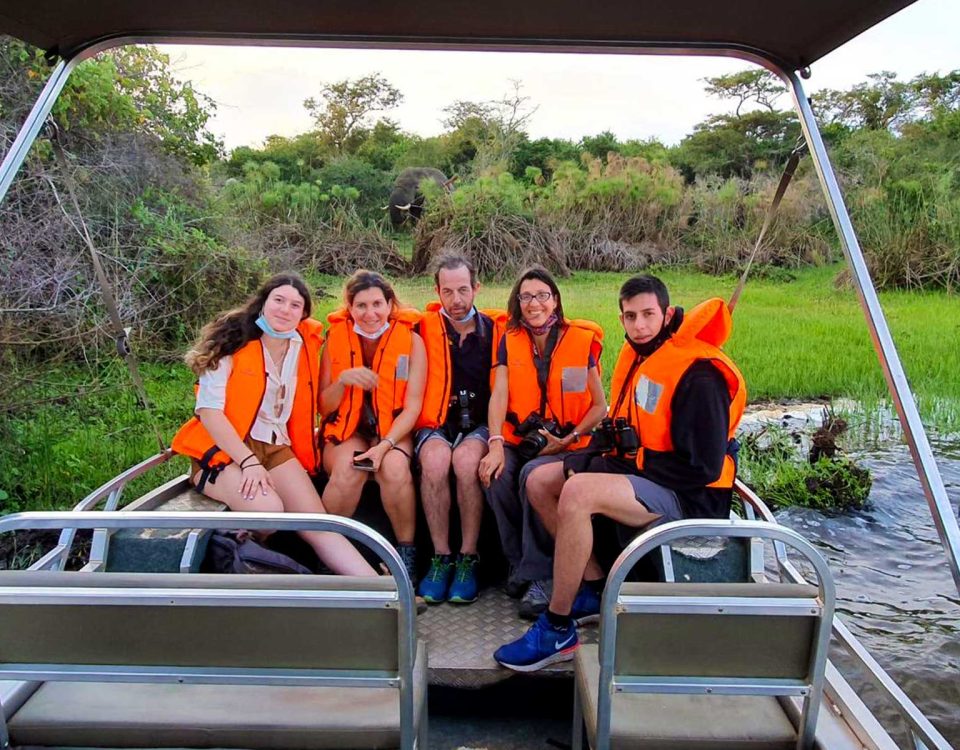
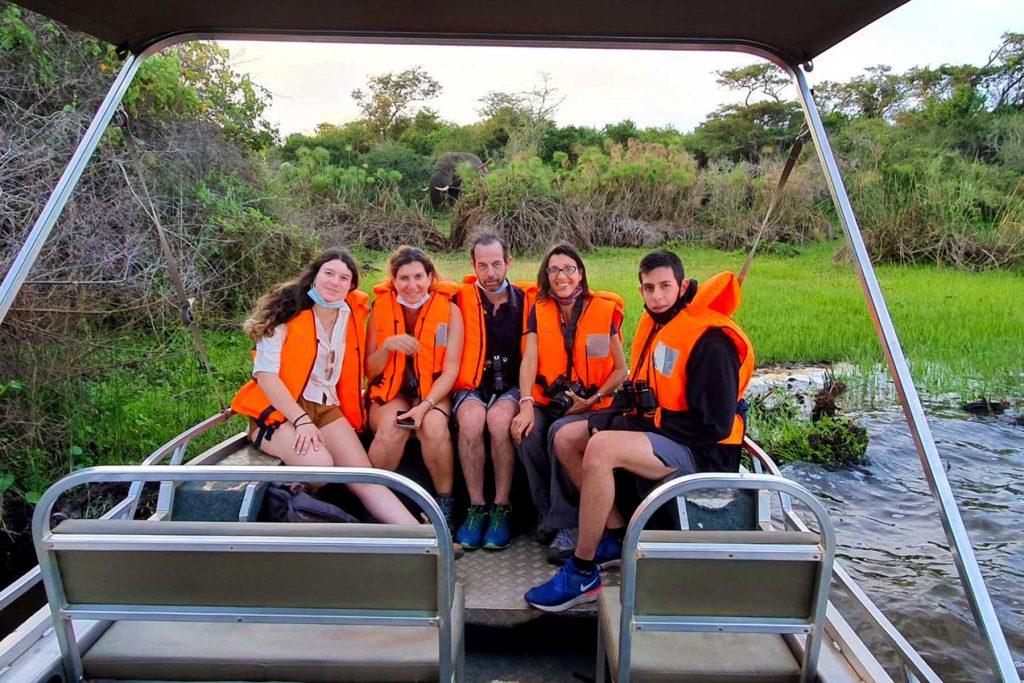
Boat cruises on Lake Ihema typically depart from a jetty near the park’s Ruzizi area, running at scheduled times that generally align with the cooler, more wildlife-active hours of early morning and late afternoon, mirroring the timing logic that also governs the park’s game drive schedule. Boats used for these excursions are generally stable, covered vessels designed specifically for wildlife viewing rather than repurposed transport boats, with seating arranged to give every passenger a reasonably clear view of the shoreline and water. Trips typically run around ninety minutes to two hours, long enough to cover a meaningful stretch of shoreline and lake habitat without becoming repetitive, and experienced boat operators know the specific bays, channels, and islands where wildlife concentrations are most reliable at any given time of year.
Combining the Cruise With Akagera’s Land-Based Activities
Because the boat cruise covers such different terrain and wildlife from a standard game drive, most visitors build it into a broader Akagera itinerary alongside vehicle-based safari activities rather than treating it as a standalone visit. A typical two- or three-day stay in the park allows time for at least one morning or afternoon game drive covering the savanna and woodland habitats where lions, elephants, giraffes, and the park’s reintroduced rhinos are most commonly encountered, paired with a boat cruise focused specifically on Lake Ihema’s aquatic wildlife. This combination gives visitors a genuinely comprehensive sense of Akagera’s habitat diversity, which spans savanna, woodland, wetland, and open water within a single, relatively compact protected area.
Akagera’s Remarkable Recovery Story
Understanding the boat cruise’s significance benefits from some awareness of just how dramatically Akagera has recovered over the past two decades. The park’s wildlife populations were severely depleted following the 1994 genocide and the subsequent period of instability, when large sections of the park were even converted to settlement and grazing land before a major restoration effort, undertaken in partnership between Rwandan authorities and the conservation organization African Parks, began reversing that decline. Lions were reintroduced in 2015 after a local extinction of roughly two decades, and eastern black rhinos followed in subsequent years, restoring the park’s Big Five status and turning Akagera into a genuine conservation success story. Lake Ihema’s thriving hippo and crocodile populations, along with the surrounding birdlife, reflect this same broader recovery, having remained relatively resilient even through the park’s most difficult years and now benefiting from the improved management and anti-poaching infrastructure that has supported the reintroduction of larger mammal species. Readers interested in this history in more depth will find detailed coverage in a look at how Rwanda rebuilt Akagera National Park after the genocide.
Practical Tips for a Comfortable Cruise
Sun protection matters considerably on the open water, where reflection off the lake surface intensifies exposure beyond what visitors typically experience on land, so sunscreen, a hat, and sunglasses are worth prioritizing even on overcast days. Binoculars significantly improve the birding side of the experience, since many of the more distant sightings along the shoreline reward closer observation than the naked eye alone can provide. Early morning departures tend to offer the calmest water and most active wildlife, along with the pleasant bonus of cooler temperatures before the midday heat builds, making the first cruise slot of the day generally the most rewarding option when scheduling allows for a choice.
Seasonal Considerations for Wildlife Viewing
Water levels on Lake Ihema shift noticeably between Rwanda’s wet and dry seasons, and this seasonal variation affects both the accessibility of certain shoreline areas and the concentration of wildlife visible from the boat at any given time. During drier months, roughly June through September and again from December into February, shrinking water sources elsewhere in the park tend to concentrate wildlife more heavily around Akagera’s remaining lakes and wetlands, often producing especially reliable hippo and crocodile sightings along with strong bird activity as species converge on the most dependable remaining water. The wetter months bring their own rewards, with a generally lusher, greener landscape and the possibility of migratory bird species passing through, though cruise operators may adjust routes slightly depending on water levels and weather conditions on any given day.
Visitors planning a trip specifically to maximize hippo and crocodile sightings should lean toward the drier months, while those most interested in the park’s full range of resident and migratory birdlife may find value in timing a visit around the seasonal transitions, when species diversity along the shoreline tends to be at its broadest.
Booking and Combining With a Wider Rwanda Itinerary
Boat cruises can typically be booked directly through park authorities on arrival or arranged in advance through a tour operator as part of a broader Akagera itinerary, and advance booking is generally advisable during peak travel periods when cruise slots can fill given the activity’s limited daily departures and boat capacity. Akagera sits within a reasonable drive of Kigali, making it feasible to combine with time in the capital before or after a visit, and many travelers pair a stay in the park with onward travel toward Volcanoes National Park for gorilla trekking, building a itinerary that covers savanna, wetland, and montane forest habitats within a single trip. This combination gives visitors an unusually complete picture of Rwanda’s ecological range, from the open water of Lake Ihema to the bamboo and montane forest slopes where mountain gorillas range hundreds of kilometers away.
A Different Rhythm Within a Classic Safari Park
The Lake Ihema boat cruise offers something genuinely distinct within Akagera’s broader safari experience: a slower, quieter pace that trades the anticipation of a game drive’s next turn in the road for the steady, close-range accumulation of sightings that a good stretch of productive water can deliver. For travelers who have spent the rest of their Rwanda trip on foot in dense forest chasing gorillas or golden monkeys, the cruise’s easy, seated comfort and wide-open water views offer a welcome change of pace, closing out a safari itinerary with one of the country’s most consistently rewarding wildlife experiences.