Lake Kivu holds a distinction few visitors expect from an African lake: it is safe to swim in, free of the crocodiles, hippos, and waterborne bilharzia risk that keep travelers cautious around most other large lakes on the continent. That single fact has quietly turned Kivu’s Rwandan shoreline into the country’s most developed center for recreational water sports, from unhurried kayak paddles along quiet coves to increasingly organized stand-up paddleboarding and swimming programs based out of the towns of Rubavu, Karongi, and Kibuye. For travelers who have spent days trekking through dense forest chasing gorillas or chimpanzees, a few hours on Kivu’s calm water offers a genuinely different, physically gentler way to experience Rwanda’s landscape.
Why Lake Kivu Is Unusually Safe for Water Activities
Lake Kivu’s safety for swimming and water sports comes down to a geological quirk shared by only a handful of lakes worldwide: it sits atop significant deposits of dissolved methane and carbon dioxide trapped at depth, a condition that happens to make the lake inhospitable to the parasitic snails responsible for spreading bilharzia, a waterborne disease that renders most other major African lakes unsafe for casual swimming. This same unusual chemistry, along with the lake’s depth and cooler temperatures at depth, also limits the crocodile and hippo populations that make boating and swimming risky elsewhere in the region, since these animals generally do not establish significant populations in Kivu’s open water the way they do in shallower, warmer lakes like Ihema in nearby Akagera National Park. The combination of these factors has made Kivu genuinely exceptional among Rwanda’s major bodies of water for direct, unguarded human contact with the water itself.
Kayaking Along the Shoreline
Kayaking has become one of the most popular ways to experience Lake Kivu directly, with rental operations based in Rubavu, Karongi, and Kibuye offering both single and tandem kayaks for hourly or half-day rental, typically accompanied by a guide familiar with local conditions and worthwhile routes along the shore. Paddling routes commonly wind past small fishing villages, forested peninsulas, and, depending on the specific stretch of coastline, some of the lake’s numerous small islands, several of which can be reached and briefly explored as part of a longer kayaking excursion. The lake’s generally calm conditions, particularly in the early morning before afternoon winds pick up, make it accessible to paddlers without significant prior kayaking experience, though guides remain attentive to sudden weather shifts that can affect conditions on short notice.
Stand-Up Paddleboarding and Other Water Sports
Stand-up paddleboarding has grown in availability alongside kayaking at several of the lake’s resort towns, offering a different, more active balance-based way to move across the water, popular among travelers looking for a bit more physical engagement than a seated kayak paddle provides. A handful of properties along the shoreline have also introduced small sailboats, pedal boats, and, at select locations, basic windsurfing equipment, though the range and consistency of equipment available varies considerably by property and season, making it worth confirming specific offerings directly with a chosen lodge or operator before finalizing plans around a particular activity.
Swimming Beaches and Where to Find Them
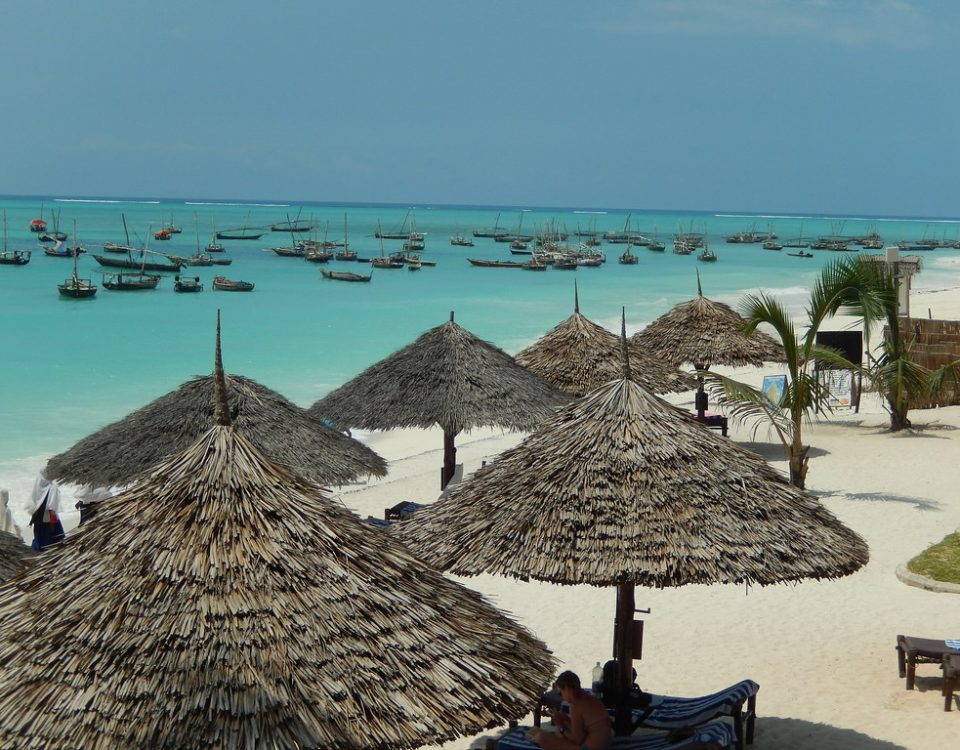
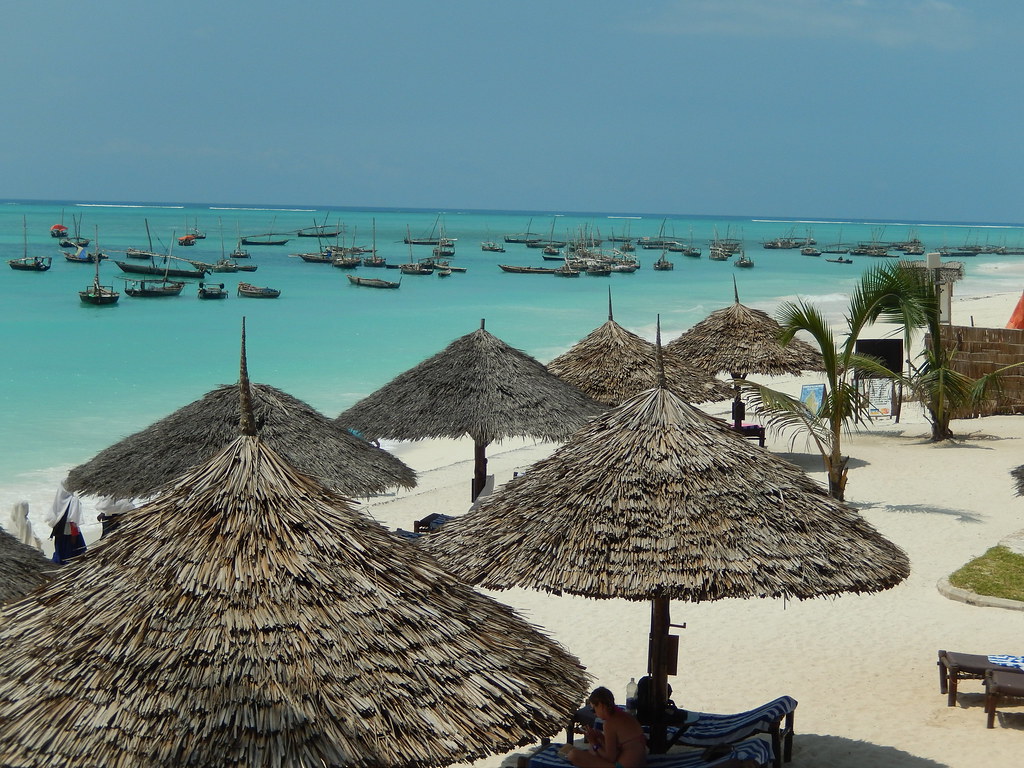
Several stretches of Lake Kivu’s shoreline offer genuine swimming beaches, ranging from small, quiet coves attached to individual lodges to more open public stretches of shoreline near towns like Rubavu, which has developed something closer to a proper beach resort atmosphere compared to the quieter, more low-key character found further south around Kibuye. Water clarity and temperature vary somewhat by season and specific location, generally remaining pleasantly cool rather than warm given the lake’s elevation and depth, a refreshing contrast for travelers accustomed to warmer tropical swimming conditions elsewhere on past trips. A more detailed look at the lake’s beach and resort options is available in a dedicated guide to Rwanda’s best beaches and lakeside resorts at Lake Kivu, which covers accommodation and specific beach locations in more depth than a water sports overview alone can provide.
Boat Trips Beyond Paddling
Beyond self-powered kayaking and paddleboarding, motorized boat trips are widely available for visitors who prefer a more passive way to take in the lake’s scenery, including sunset cruises that have become something of a signature evening activity in towns like Kibuye and Gisenyi, timed to catch the light as it fades behind the hills across the water. Some boat operators also run trips out to specific islands with historical or cultural significance, including sites connected to Rwanda’s precolonial and colonial history, giving visitors an additional layer of context beyond pure scenery during an otherwise relaxed excursion.
Best Time of Year for Water Activities
Rwanda’s dry seasons generally offer the calmest water and most reliable weather for kayaking, paddleboarding, and swimming, though Lake Kivu’s water sports scene remains active to some degree throughout the year given the lake’s consistent temperatures and the relatively moderate impact of seasonal rainfall on conditions close to shore. Afternoon winds can pick up on Kivu regardless of season, and morning sessions generally offer the calmest, most comfortable conditions for both paddling and swimming, a pattern worth building into scheduling for travelers who want the most pleasant possible experience on the water.
Combining Water Sports With a Broader Lake Kivu Stay
Many travelers pair kayaking or paddleboarding with a broader stay along the Kivu shoreline either before or after gorilla trekking in nearby Volcanoes National Park, taking advantage of the lake’s proximity to Musanze and Rubavu to unwind after the physical demands of a trekking permit. Readers planning this kind of combined itinerary will find useful context in a look at staying on Lake Kivu before or after Rwanda gorilla trekking, which addresses the broader logistics of combining the lake with a trekking-focused itinerary rather than treating water sports as an isolated activity.
Practical Tips for a Comfortable Day on the Water
Sun protection deserves serious attention given how much reflection off open water intensifies UV exposure beyond what travelers typically experience on land, making reef-safe sunscreen, a hat, and sunglasses worthwhile even on overcast days. Life jackets are standard equipment provided by reputable kayak and paddleboard operators and should always be worn regardless of swimming ability or water conditions, and travelers should confirm an operator’s safety practices and equipment condition before booking, since standards can vary between more established tourism operations and smaller, less formal rental setups along the shoreline.
Fishing Culture Alongside Recreational Water Sports
Lake Kivu’s recreational water sports scene exists alongside a much older and more economically vital fishing tradition, and visitors spending time on the water often encounter local fishermen working traditional wooden boats, sometimes fishing at night using a distinctive method that involves lanterns to attract small sardine-like fish called isambaza to the surface, where they can be netted in large numbers. Watching this nighttime fishing activity, with clusters of lantern-lit boats visible across the dark water, has become its own minor attraction for visitors staying overnight along the shoreline, offering a striking visual and a window into the lake’s ongoing role as a working resource rather than purely a recreational destination. Several lodges and tour operators can arrange trips timed specifically to observe this fishing activity, distinct from daytime kayaking or paddleboarding excursions, for travelers interested in this particular side of lake life.
Choosing Between Rubavu, Karongi, and Kibuye as a Base
Lake Kivu’s Rwandan shoreline stretches across several distinct towns, each offering a somewhat different water sports experience and overall atmosphere. Rubavu, in the north near the Congolese border town of Goma, has developed the most resort-like atmosphere with a wider range of established beach and water sports infrastructure, making it a popular choice for travelers prioritizing convenience and variety. Kibuye, roughly midway along the shoreline, offers a quieter, more low-key setting with excellent kayaking access to nearby islands, while Karongi provides another well-positioned base with growing tourism infrastructure and strong access to both water activities and the Congo Nile Trail for travelers interested in combining paddling with hiking or cycling during the same stay.
Booking Equipment and Guided Trips
Most lodges along Lake Kivu’s shoreline either operate their own kayak and paddleboard fleets directly or maintain working relationships with nearby rental operators, making it straightforward for guests to arrange a session with little advance planning required, particularly outside the busiest travel periods. Travelers staying at smaller guesthouses without on-site equipment can typically still arrange rentals through community tourism cooperatives or independent operators based in the main lakeside towns, often at a lower cost than hotel-branded rentals, though equipment quality and guide experience can vary more at this end of the market and are worth checking in advance where possible.
A Lake That Rewards Slowing Down
Lake Kivu’s water sports scene will never carry the adrenaline or wildlife drama of a gorilla trek or a game drive through Akagera, and that is precisely the point. What it offers instead is a rare opportunity within Rwanda’s tourism landscape to simply get into the water, paddle at your own pace, and take in the surrounding hills and islands from a genuinely relaxed vantage point. For travelers building a well-rounded Rwanda itinerary that balances physical exertion with real rest, a day or two spent kayaking and swimming on Kivu’s calm, safe water offers exactly the kind of unhurried counterpoint the rest of a demanding safari schedule rarely allows, closing out a Rwanda trip on a note of genuine, well-earned relaxation rather than one more early morning wake-up call.