Rwanda packs an extraordinary range of protected ecosystems into one of Africa’s smallest countries, a landmass smaller than the state of Maryland that somehow contains volcanic mountain forest, ancient rainforest, savanna teeming with the Big Five, and a newly protected transitional forest all within a few hours’ drive of one another. For travelers trying to understand how the country’s four national parks fit together, and how much time each realistically deserves, a clear overview of the whole system helps enormously in building a well-paced itinerary rather than rushing between destinations without a real sense of what distinguishes them.
Volcanoes National Park: The Mountain Gorilla Icon
Volcanoes National Park, covering the Rwandan side of the Virunga volcanic massif along the border with Uganda and the Democratic Republic of Congo, is unquestionably the country’s flagship protected area and the primary reason most international visitors choose Rwanda as a safari destination in the first place. The park protects roughly a third of the world’s remaining mountain gorilla population across several habituated family groups, alongside golden monkeys, diverse birdlife, and a chain of dramatic volcanic peaks including Karisimbi, Bisoke, and Muhabura that offer their own dedicated hiking experiences beyond primate trekking. Gorilla trekking permits here represent one of the most sought-after and expensive wildlife experiences on the continent, and demand consistently outstrips supply given the strict daily visitor limits applied to each habituated family for conservation reasons.
Nyungwe Forest National Park: Africa’s Oldest Rainforest
In Rwanda’s southwest, Nyungwe Forest National Park protects one of the oldest and most biodiverse rainforests remaining anywhere on the African continent, home to thirteen primate species including chimpanzees, a canopy walkway offering dizzying views through the forest ceiling, and birdlife rich enough to rank among the best birding destinations in the region. Nyungwe’s chimpanzee trekking offers a genuinely different experience from mountain gorilla trekking, both in terms of terrain and the chimps’ considerably more energetic, unpredictable movement through the forest canopy, and the park’s tea estates along its boundary add an agricultural dimension found nowhere else in Rwanda’s park system. Readers seeking deeper detail on this park’s full range of activities will find it in a dedicated look at Nyungwe Forest National Park.
Akagera National Park: Rwanda’s Big Five Savanna
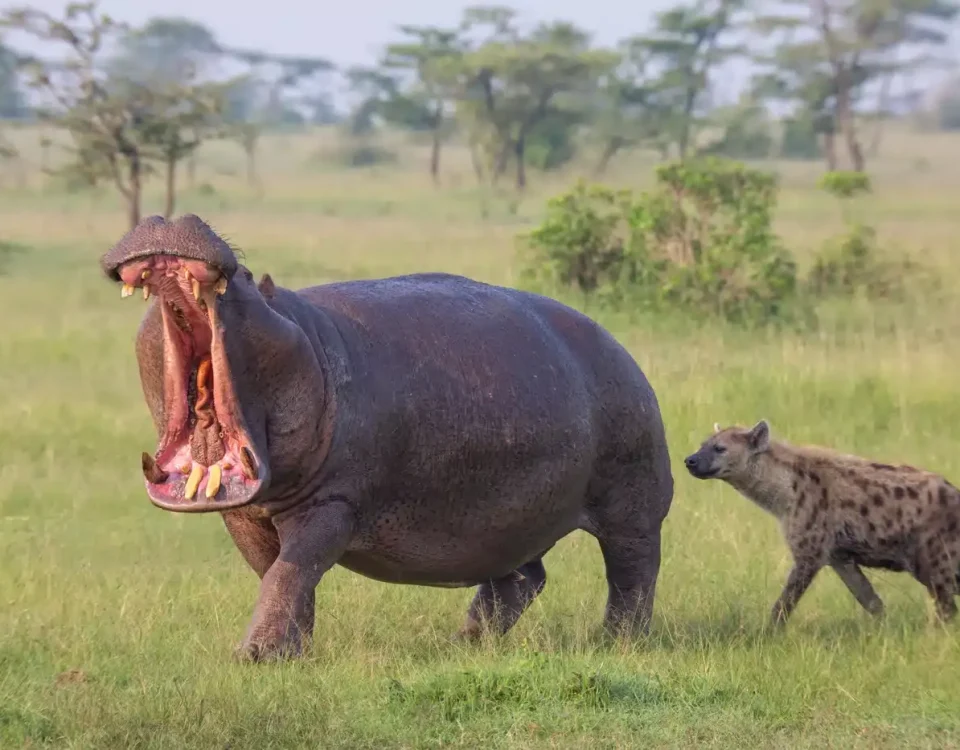
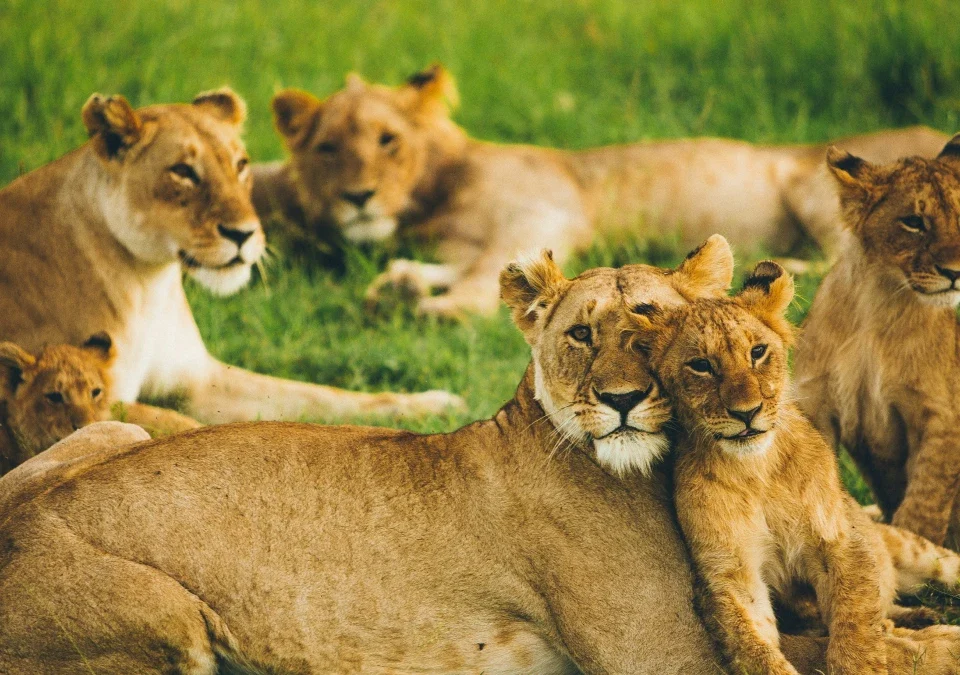
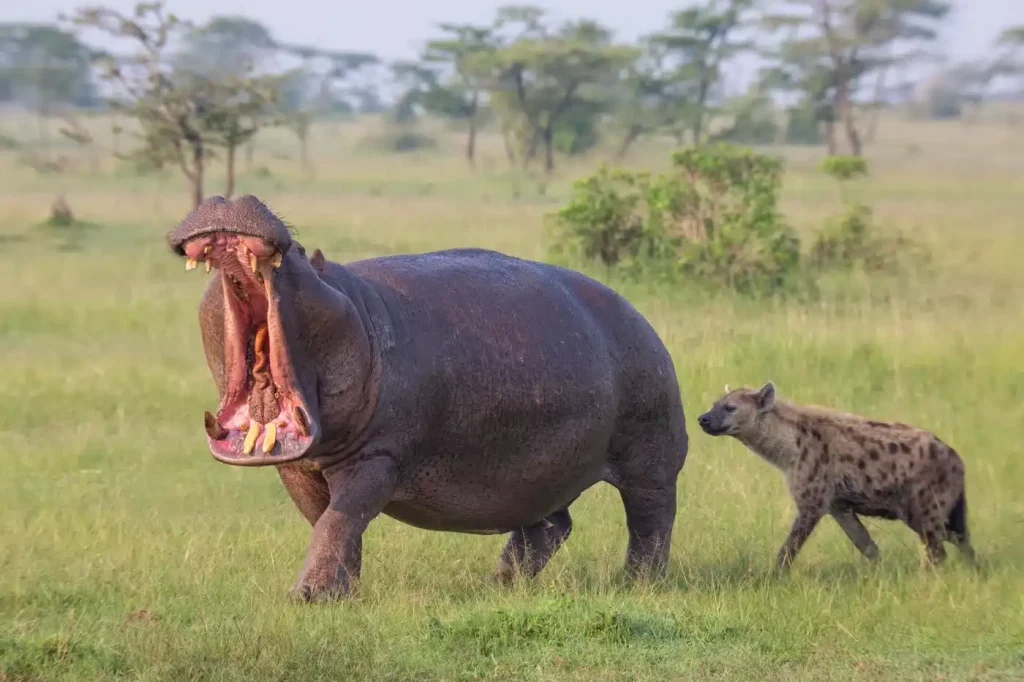
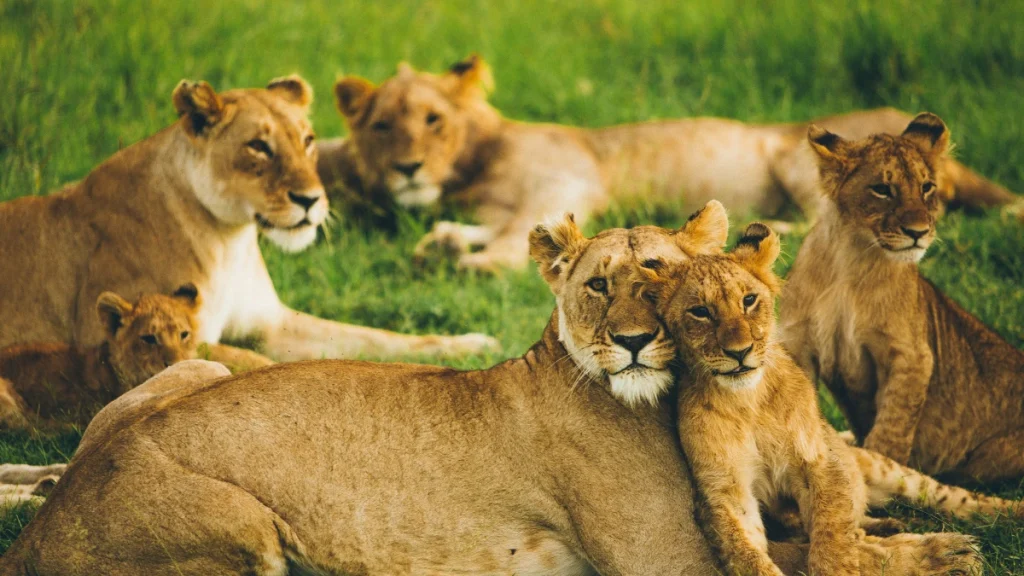
On Rwanda’s eastern border with Tanzania, Akagera National Park offers a completely different landscape from the country’s forested western parks, spanning savanna, woodland, and extensive wetland habitat centered around a chain of lakes including Lake Ihema. Akagera represents one of Africa’s most remarkable conservation recovery stories, having lost the majority of its wildlife and much of its protected land area in the years following the 1994 genocide before a partnership between Rwandan authorities and African Parks rebuilt the ecosystem from near collapse, reintroducing lions in 2015 and eastern black rhinos in subsequent years to restore full Big Five status. Game drives here deliver the classic East African safari experience, while boat cruises on Lake Ihema add a wildlife-viewing dimension unavailable at any of Rwanda’s other parks.
Gishwati-Mukura National Park: The Newest Addition
Rwanda’s fourth and newest national park, Gishwati-Mukura, was formally established in 2015, protecting two separate forest fragments in the country’s northwest that had suffered severe deforestation over previous decades before conservation efforts began actively restoring the degraded landscape and reconnecting fragmented habitat. Considerably smaller and less developed for tourism than the country’s other three parks, Gishwati-Mukura appeals primarily to travelers interested in chimpanzee and golden monkey populations away from more heavily visited trekking circuits, along with a forest restoration story that offers a genuinely different conservation narrative than the wildlife recovery focus found at Akagera.
How the Four Parks Complement Each Other
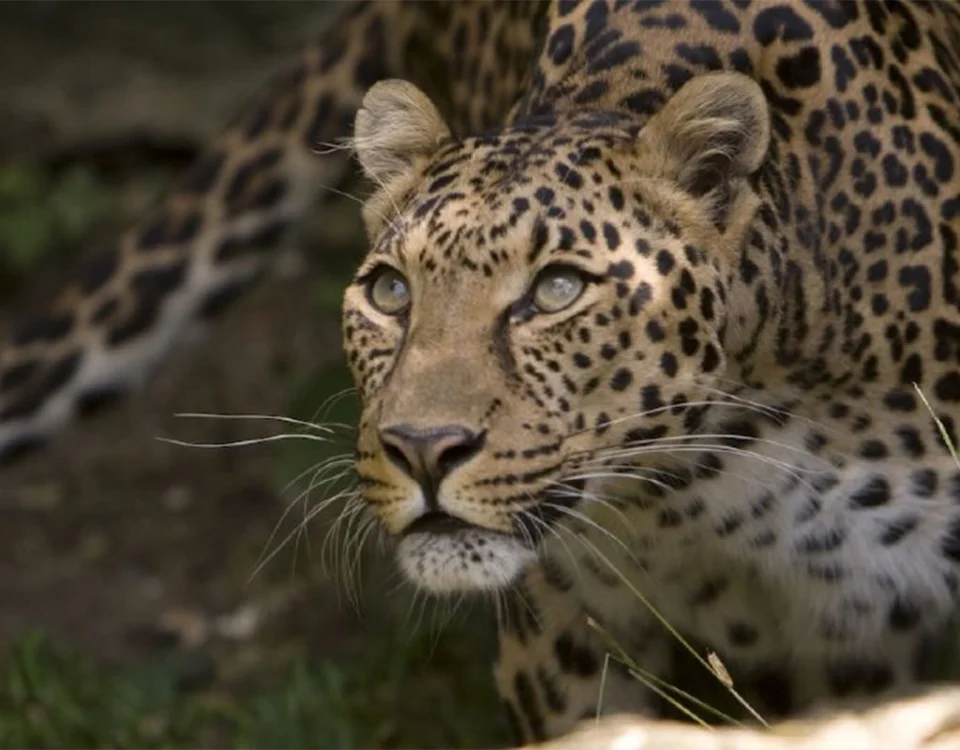
What makes Rwanda’s park system so compelling for travelers is not any single park in isolation but how efficiently the four combine into a single, geographically compact itinerary covering an unusually wide range of ecosystems and wildlife experiences. A relatively short trip can realistically combine mountain gorilla trekking in Volcanoes National Park, chimpanzee trekking and canopy walking in Nyungwe, and a classic savanna and Big Five safari in Akagera, a combination that would require considerably more time and travel distance in most other African safari destinations given how far apart comparable ecosystems typically sit from one another. Rwanda’s small size and well-maintained road network turn what might otherwise be a logistically complex multi-country trip into a single, coherent national itinerary.
Planning Time Allocation Across the Parks
Most well-paced Rwanda itineraries allocate the largest single block of time to Volcanoes National Park, given both the significance of gorilla trekking and the range of additional activities available in the surrounding Musanze area, including golden monkey trekking, volcano hikes, and cultural experiences. Nyungwe Forest typically warrants two to three days to properly cover chimpanzee trekking, the canopy walkway, and at least one of the park’s other trails or the tea estate visits along its boundary, while Akagera similarly rewards two to three days to allow for multiple game drives at different times of day alongside a boat cruise. Gishwati-Mukura, given its smaller scale and more limited visitor infrastructure, generally works best as a single-day or overnight addition for travelers with particular interest in its conservation story rather than a park requiring extended standalone time.
Conservation Funding and How Tourism Supports the System
All four parks operate under a conservation model that channels a meaningful share of tourism revenue, including a portion of park entrance and trekking permit fees, into community development programs for populations living around park boundaries, a strategy designed to give local communities a direct economic stake in conservation success rather than viewing protected areas purely as land withdrawn from their own economic use. This revenue-sharing approach has been credited with helping reduce poaching pressure and encroachment across all four parks, reinforcing the broader pattern visible throughout Rwanda’s conservation system of treating community partnership as essential to long-term ecological success rather than a secondary consideration layered on top of purely scientific park management.
Choosing Which Parks to Prioritize on a Shorter Trip
Travelers unable to visit all four parks within a single trip should weigh their priorities carefully rather than trying to force an unrealistic itinerary. Those whose primary interest is the mountain gorilla encounter should prioritize Volcanoes National Park above all else, treating any additional parks as valuable but secondary additions if time and budget allow. Travelers with a stronger interest in classic savanna safari and Big Five wildlife, particularly those who have already experienced gorilla trekking in Uganda or elsewhere, may find Akagera a more central priority, while dedicated primate and birding enthusiasts often find Nyungwe’s biodiversity the most rewarding single park given sufficient time to explore its trail network properly.
Wildlife Diversity Across the Four Ecosystems
Taken together, Rwanda’s four parks protect an unusually complete cross-section of Central and East African wildlife within a single small country. Volcanoes National Park’s bamboo and montane forest supports mountain gorillas, golden monkeys, and forest elephants alongside a range of forest bird species found at high elevation. Nyungwe’s ancient rainforest hosts chimpanzees, several colobus and other monkey species, and an exceptional bird list exceeding two hundred fifty recorded species, some found nowhere else in Rwanda. Akagera’s savanna and wetland mosaic supports the full Big Five alongside giraffes, zebras, numerous antelope species, and one of the region’s most productive concentrations of hippos and crocodiles around its lake system. Gishwati-Mukura, though smaller, still supports chimpanzees, golden monkeys, and a developing population of other forest wildlife as the park’s restoration efforts continue to mature. Few countries of comparable size anywhere in the world can claim this range of distinct, well-protected ecosystems within such a compact and easily navigable geographic footprint.
Entry Fees, Permits, and Booking Logistics
Each park operates its own distinct fee and permit structure, and travelers should plan bookings well in advance for the more limited-availability activities, particularly gorilla trekking permits in Volcanoes National Park and chimpanzee trekking permits in Nyungwe, both of which are capped daily to protect habituated groups from excessive visitor pressure. Akagera’s game drive and boat cruise activities generally offer more flexible, shorter-notice booking given the park’s larger overall capacity, while Gishwati-Mukura’s more limited visitor infrastructure means advance arrangement through a tour operator is strongly advisable rather than assuming walk-up access will be straightforward. Working with an experienced local operator to coordinate permits, park entry, and transport logistics across all four parks within a single trip considerably simplifies what would otherwise be a fairly complex multi-agency booking process.
A Compact Country With an Outsized Park System
Few countries anywhere in the world pack this much ecological range into so small a footprint, and Rwanda’s national park system rewards travelers willing to move beyond a single-park, single-species trip toward a fuller exploration of everything the country’s protected areas collectively offer. Whether the goal is a bucket-list gorilla encounter, a deep dive into one of Africa’s oldest rainforests, a classic savanna safari, or a look at active forest restoration in progress, Rwanda’s four national parks together form one of the most efficient and rewarding protected area systems available anywhere on the continent.