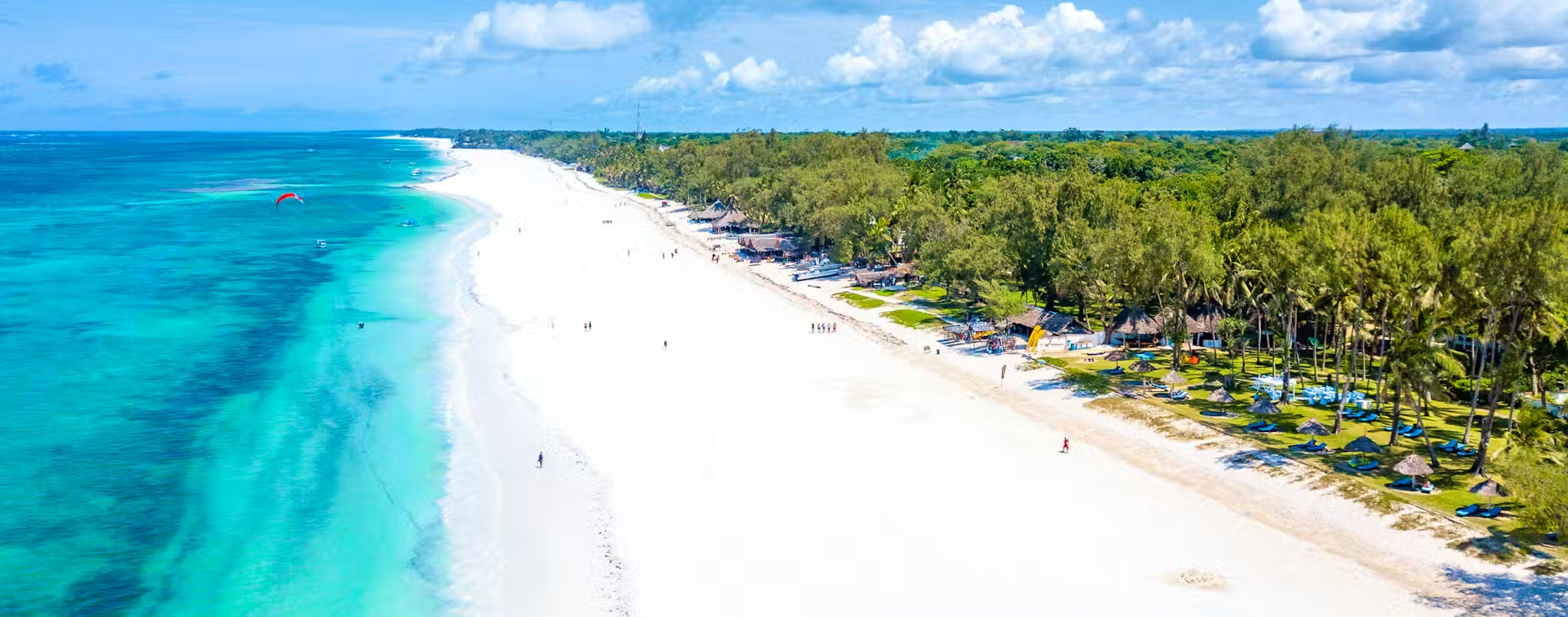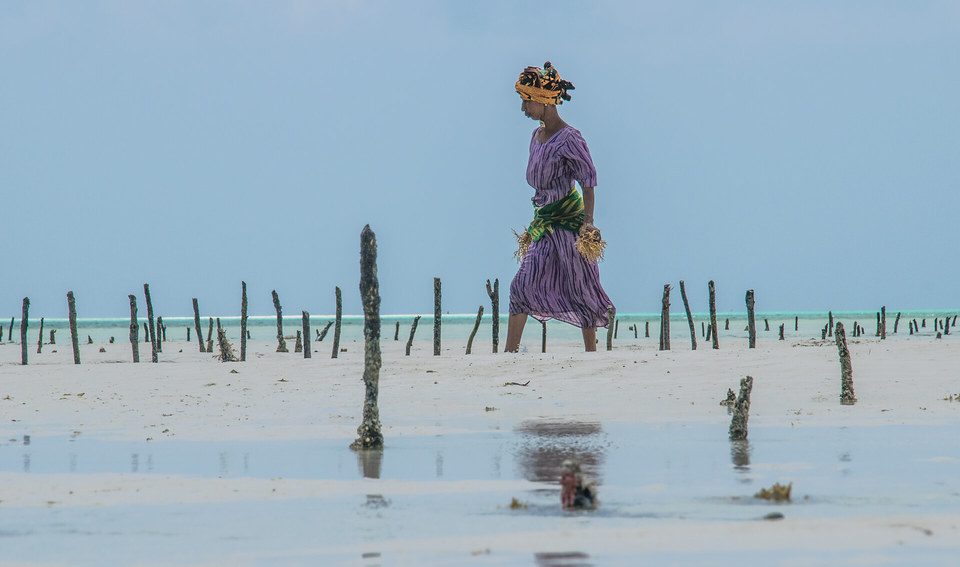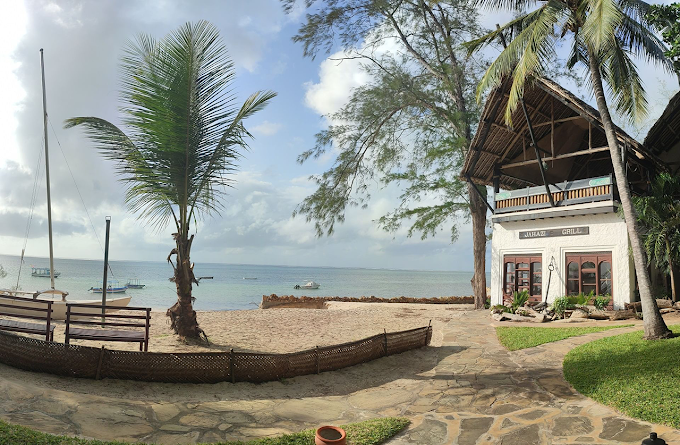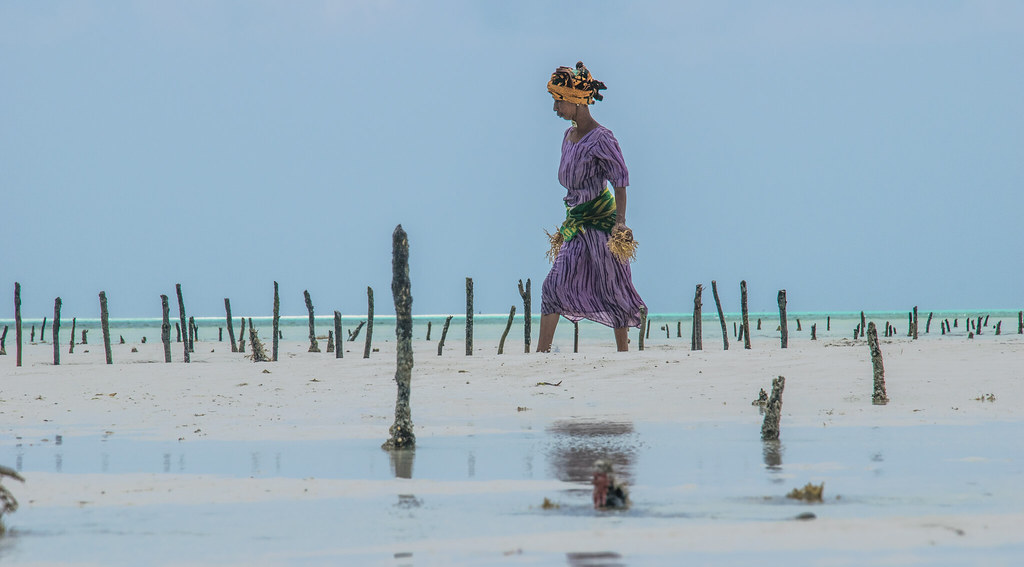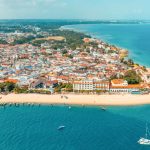

Two of Zanzibar’s most photographed experiences have almost nothing to do with the beaches most visitors picture when they think of the island. One involves a patch of pale sand that exists for only a few hours a day before the tide swallows it whole; the other involves wild dolphins that owe visitors nothing and can vanish beneath the surface the moment a boat gets too close. Sandbank trips and dolphin tours have become two of the most popular excursions on the island precisely because they deliver something a beach holiday alone can’t: a genuine sense of the ocean’s unpredictability, wrapped around a few hours on the water.
Zanzibar’s Disappearing Sandbanks
Scattered in the shallow water off Stone Town and further south along the coast, a handful of sandbanks emerge fully from the ocean only at low tide, forming stretches of pale, powder-fine sand surrounded on all sides by turquoise water, before disappearing again as the tide rises. Nakupenda, whose name translates roughly to “I love you” in Swahili, is the best known of these, sitting a short boat ride from Stone Town and drawing a steady stream of day-trippers who come for the novelty of standing on sand with nothing but ocean in every direction.
Pange Sandbank offers a similar experience slightly further offshore, generally with fewer crowds than Nakupenda given its distance from the main Stone Town departure points. Both sandbanks function on the same basic principle: because they’re only above water for a window of a few hours around low tide, any visit has to be timed carefully around the tide charts, and most tour operators build their sandbank excursions around that window rather than a fixed daily schedule.
What a Sandbank Trip Typically Includes
A standard sandbank excursion departs by boat from Stone Town or a nearby jetty, usually in the mid-morning to align with that day’s low tide, and includes time to walk, swim, and relax on the exposed sand before it disappears back beneath the water. Most operators pair the sandbank stop with snorkelling over a nearby reef, since the same shallow, current-sheltered conditions that expose the sandbank tend to support healthy coral gardens close by. A simple lunch, often grilled seafood prepared right on the boat or on the sandbank itself, frequently rounds out a full-day package, making it easy to spend most of a day on the water without returning to shore.
Dolphin Tours at Kizimkazi
On the island’s southern coast, the small fishing village of Kizimkazi sits within Menai Bay, a marine conservation area known for its resident population of bottlenose and humpback dolphins. Dolphin tourism has become so central to the village’s economy that Kizimkazi’s identity as a destination is now almost inseparable from it, with dozens of small operators running boats out into the bay each morning in search of pods feeding or resting near the surface.
A typical trip departs early, generally before eight in the morning when dolphin activity tends to be highest and the water calmest, heading out into the bay to search for pods before spending time observing, and in many cases swimming near, the dolphins. Excursions often continue afterward with a stop at a nearby reef for snorkelling, giving the morning a natural second half beyond the dolphin encounter itself.
The Ethics Question Behind Dolphin Tourism
Kizimkazi’s dolphin tours carry a genuine ethical complication that responsible travellers should understand before booking. Because guest satisfaction has historically been tied directly to how close a boat gets to a pod, some operators have trained their skippers to chase dolphins down rather than approach them slowly and let the animals decide whether to engage, a practice that causes real stress to wild dolphins and can disrupt their feeding and resting patterns over time. The difference between a good and a poor operator here isn’t cosmetic; it directly affects the wellbeing of the animals the whole industry depends on.
A number of operators have moved deliberately in the other direction, training boat drivers over months in proper approach technique, marine environment awareness, and customer communication that sets realistic expectations rather than promising guaranteed close encounters. These operators generally require staff to pass both written and practical assessments before guiding trips, with recertification on a regular basis, and they tend to be transparent about the fact that dolphins may choose not to approach a boat on a given day, since forcing an encounter isn’t part of how they operate. Choosing one of these more responsible operators, even if it means a slightly less guaranteed close encounter, is the single most meaningful choice a visitor can make to support sustainable dolphin tourism in Kizimkazi rather than contribute to practices that harm the animals over time.
Choosing a Responsible Operator
Before booking either a sandbank trip or a dolphin tour, it’s worth asking a few direct questions of any operator: how they handle situations where dolphins don’t want to be approached, whether swimmers are required to keep a respectful distance rather than actively chasing animals in the water, and how large their boats and groups tend to be. Smaller boats and smaller groups generally mean less disturbance to marine life and a more considered, less rushed experience for guests as well. Operators affiliated with recognised conservation or training programmes, or those clearly advertising an “ethical” or “responsible” approach with specifics to back it up rather than just the label, are usually a safer bet than the cheapest option available on the dock.
The same general principles apply to sandbank trips, where the main environmental concern is reef damage from careless snorkelling or anchoring rather than wildlife disturbance. A good operator will brief guests on reef-safe behaviour, avoid anchoring directly on coral, and generally treat the excursion as a chance to enjoy a fragile environment rather than simply tick off a photo opportunity.
Combining a Sandbank and Dolphin Trip
Because Kizimkazi and the main sandbank departure points sit in different parts of the island, most visitors treat a sandbank trip and a dolphin tour as separate excursions on different days rather than combining both into a single outing. Sandbank trips generally depart from Stone Town or nearby jetties on the west coast, while Kizimkazi sits further south, making the logistics of combining both into one day impractical for most itineraries. Travellers with enough time often pair a dolphin morning in Kizimkazi with an afternoon at one of the island’s southern beaches, while saving the sandbank excursion for a separate day trip out of Stone Town, sometimes alongside a full Blue Safari-style itinerary that bundles several of these water-based experiences into one longer outing.
Practical Tips for Booking
Both excursions are widely available through hotels, independent tour operators, and booking platforms, and prices vary considerably depending on group size, boat quality, and whether the trip includes lunch and snorkelling gear. Booking a day or two ahead is generally sufficient outside peak season, though during the busiest months from July through September and over the December holidays, popular operators can fill up faster, particularly for smaller, more exclusive boats. Sun protection, a reusable water bottle, and a light rash guard for extended time in the water are worth packing for either trip, given how much of the day is spent exposed to direct sun on open water.
Best Time of Year for These Excursions
Both sandbank trips and dolphin tours run year-round, but conditions vary enough by season to matter for anyone with flexibility in their travel dates. The calmer, drier months from June through October and again from December through February generally bring smoother seas and better visibility for snorkelling, making both excursions more comfortable and more rewarding. The long rains between March and May can bring choppier water and lower visibility, and some smaller boat operators scale back trips during the wettest weeks, so it’s worth checking conditions directly with an operator if travelling during that window.
Tide timing matters just as much as season for sandbank trips specifically, since the entire excursion depends on a low tide window that shifts by roughly fifty minutes each day. A reputable operator will always plan the trip around the tide chart rather than a fixed daily departure time, so it’s worth expecting a slightly different pickup time depending on which day of a multi-day stay the excursion falls on.
Two Very Different Ways to See the Ocean
A sandbank trip and a dolphin tour offer distinct rewards: one is about standing somewhere the ocean will reclaim within hours, the other about sharing water, however briefly, with an animal that owes you nothing and might simply choose not to appear. Both are worth doing well rather than cheaply, and choosing operators who treat the environment and the animals with genuine care turns either excursion from a simple checklist activity into one of the more memorable mornings of a Zanzibar trip. Travellers who take the time to research an operator beforehand, rather than booking whichever boat happens to be cheapest on the beach that morning, consistently come away with better stories and a clearer conscience about how their money was spent.