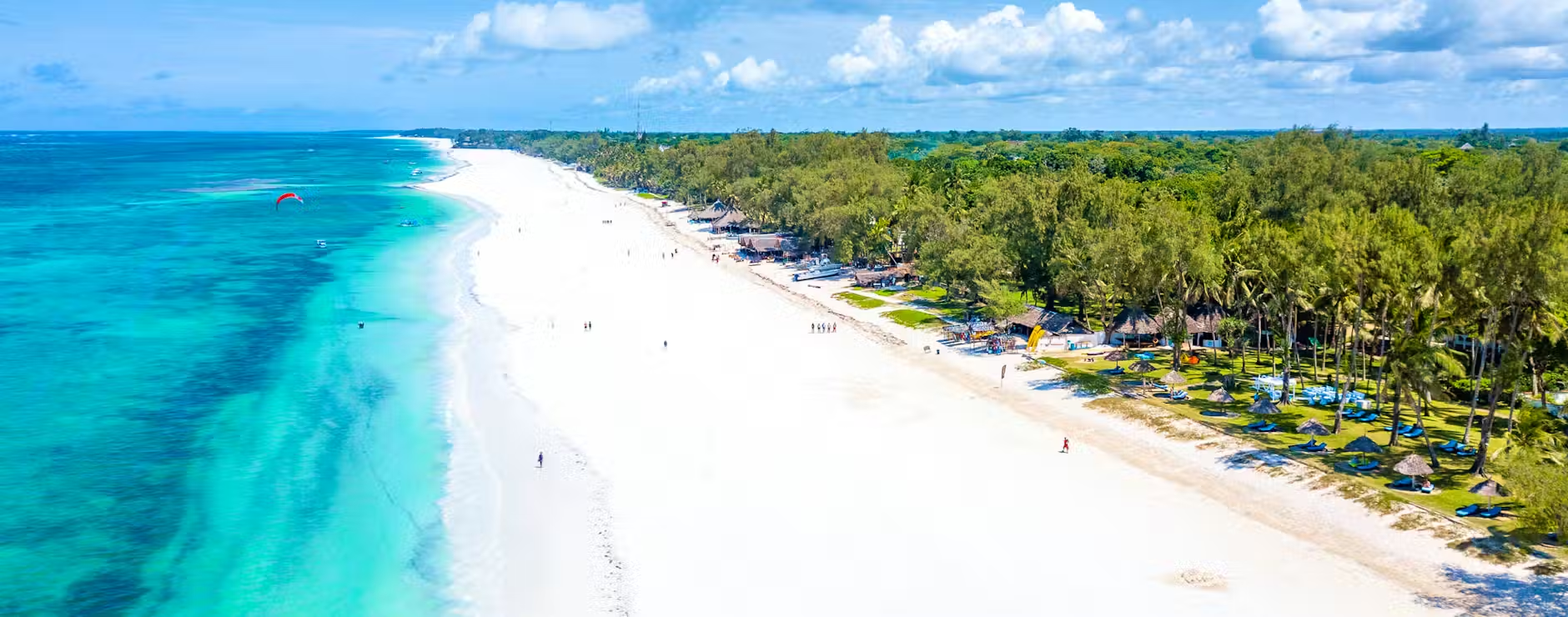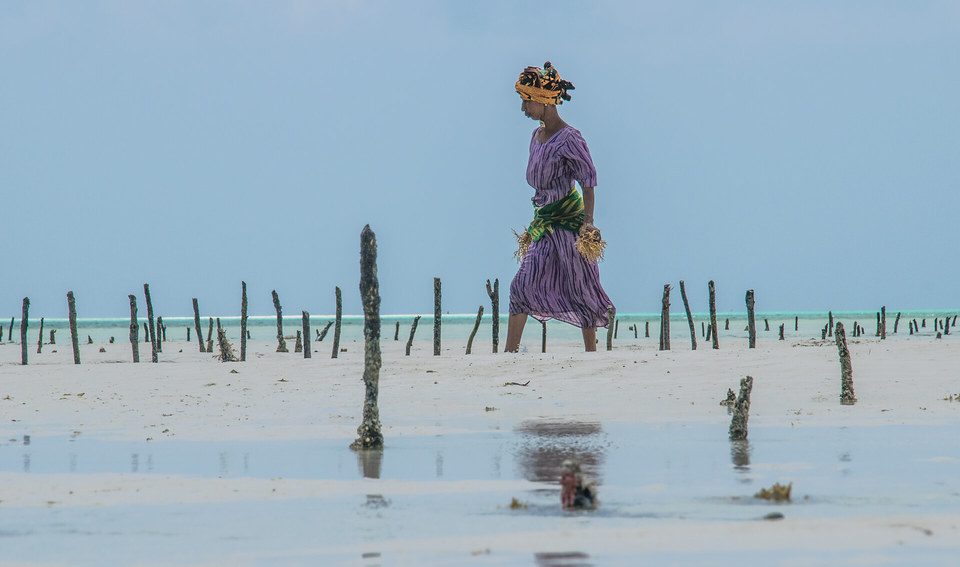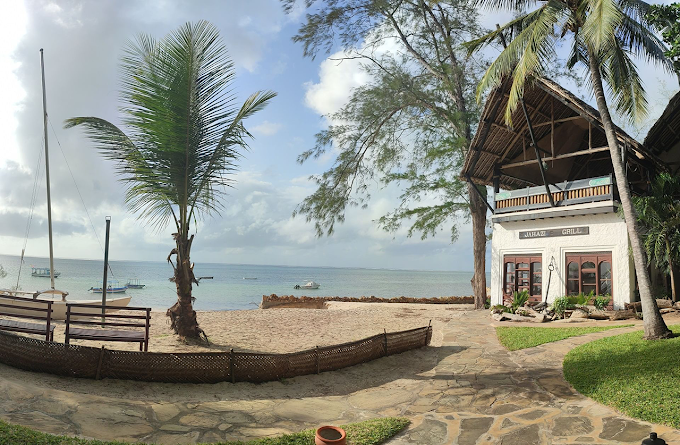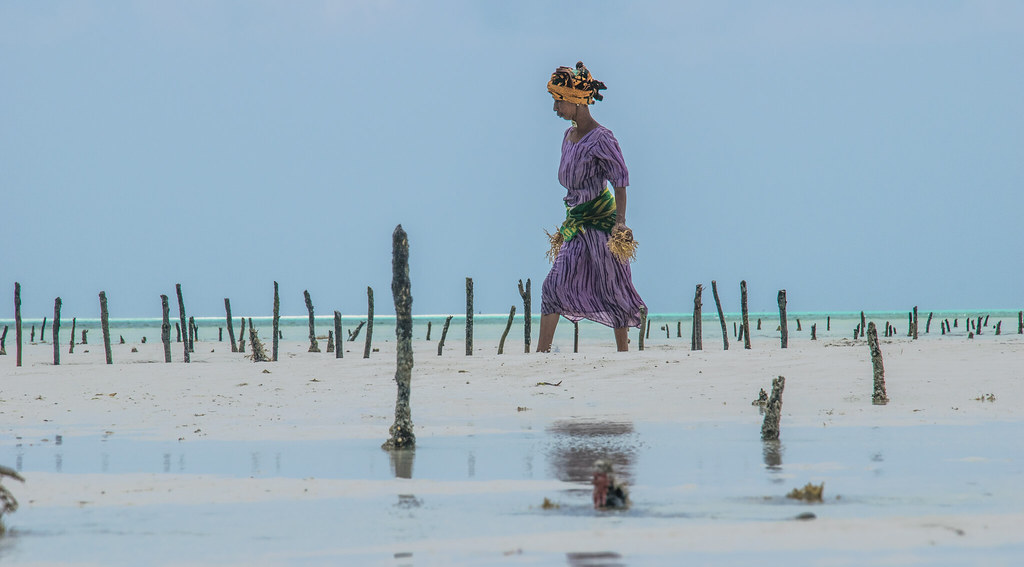
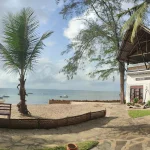
Stretching from Kenya’s Lamu archipelago down through Zanzibar and Mafia Island to the southern Tanzanian coast, the East African seaboard doesn’t run on a single, simple calendar. Two monsoon systems, a pair of rainy seasons, and a scattering of seasonal wildlife events, whale sharks in one month, kitesurfing wind in another, all overlap to create a calendar that rewards a bit of planning rather than picking dates at random. Understanding how these patterns fit together makes the difference between a coastal trip built around ideal conditions and one that happens to land during a rainy, wind-starved week.
The Two Monsoons That Shape the Coast
Weather along this entire stretch of coast is governed by the same two seasonal wind systems that have shaped sailing, fishing, and trade here for centuries. The Kaskazi, a northeasterly monsoon, generally blows from around December through February or March, bringing drier conditions, calmer seas, and steadier, more moderate winds. The Kusi, a southeasterly monsoon, takes over from roughly May through October, bringing stronger, more consistent wind alongside its own dry, sunny stretch of weather once the rains that precede it clear.
Between these two dry monsoon periods sit two rainy interludes that most travellers plan around rather than through. The long rains run from around March through May and represent the wettest, least predictable stretch of the year across the whole coast, with heavier downpours, rougher seas, and reduced visibility for water-based activities. A shorter, generally lighter rainy period follows in November, before the Kaskazi properly sets in, though this second rainy stretch tends to be far less disruptive than the long rains and often passes as little more than brief afternoon showers.
June Through October: The Kusi Season
For most travellers, the Kusi season from June through October represents the most dependable window for a coastal trip, combining dry weather, consistent sunshine, and, for a specific subset of visitors, genuinely excellent wind. This is peak season for kitesurfing at Zanzibar’s Paje Beach, where Kusi winds in the eighteen to twenty-five knot range draw experienced riders looking for more technical, powerful conditions than the gentler Kaskazi season offers; our guide to Paje Beach’s kitesurfing scene covers that seasonal split in more detail for anyone planning a trip specifically around the sport.
Diving and snorkelling conditions across the region also tend to peak during this window, with calmer seas and generally good visibility at sites from Zanzibar’s Mnemba Atoll down to Mafia Island’s reefs. It’s worth noting that this period overlaps with the Northern Hemisphere’s summer holidays, meaning accommodation and popular excursions book up further in advance and prices tend to run higher than during quieter months.
December Through February: The Kaskazi Window
The Kaskazi season offers a gentler alternative to the Kusi months, with lighter, steadier winds and similarly dry, sunny weather, making it an excellent choice for beginners at Paje’s kite schools and for travellers who prefer calmer seas for swimming and general beach relaxation over the more technical conditions further south in the year. This window also coincides with the Northern Hemisphere’s winter holiday season, so late December through early January tends to be one of the busiest and most expensive stretches on the coastal calendar, with demand easing somewhat once the holiday crowds clear in mid-January.
Whale Shark Season and Other Wildlife Timing
Beyond the general weather pattern, a handful of seasonal wildlife events add another layer worth factoring into trip timing. Mafia Island’s whale shark season runs primarily from October through March, with sightings typically peaking around November and December, drawing snorkellers hoping to swim alongside the world’s largest fish species; our dedicated guide to Mafia Island Marine Park covers the practicalities of planning a visit around this specific window.
Further north along the Kenyan coast, sea turtle nesting activity around Watamu follows its own separate calendar, generally concentrated between roughly June and February depending on the species, adding another wildlife-driven reason to plan a coastal itinerary around more than weather alone. Dolphin sightings around Kizimkazi in southern Zanzibar occur year-round, though calmer sea conditions during the dry months generally make for more comfortable, successful excursions than the choppier water typical of the long rains.
Cultural Events Worth Timing a Trip Around
A handful of cultural events on the coastal calendar are worth knowing about even for travellers not otherwise planning around them. Zanzibar’s Sauti za Busara music festival takes place each February at Stone Town’s Old Fort, while the Mwaka Kogwa new year celebration in the southern village of Makunduchi falls in late July; travellers whose visit happens to align with either date get a genuine bonus layer of cultural experience on top of whatever else the trip was built around.
Regional Differences Along the Coast
While the broad Kaskazi and Kusi pattern applies across the whole East African coast, from Lamu in the north to Mafia Island in the south, local conditions do shift somewhat by latitude and specific geography. Zanzibar’s east coast, home to Paje and the island’s kitesurfing scene, experiences dramatic tidal swings that matter as much to trip planning as the seasonal wind pattern itself, since large stretches of the lagoon become unusable at low tide regardless of season. The island’s northern beaches around Nungwi and Kendwa avoid this issue thanks to deeper water close to shore, making them swimmable throughout the tide cycle year-round.
Further north on the Kenyan coast, destinations like Diani, Watamu, and Lamu follow a broadly similar monsoon pattern to Zanzibar but sit slightly further from the equator, which can translate to marginally different rainfall timing and intensity in a given year. Travellers building a combined itinerary across both countries, moving between Kenya’s coast and Zanzibar within a single trip, generally find the timing differences small enough not to require separate seasonal planning for each leg, though it’s worth checking specific conditions for each destination rather than assuming identical weather throughout.
Matching the Season to the Trip
The right time to visit ultimately depends more on what a traveller wants from the coast than on any single universally ideal month. Divers and snorkellers chasing the clearest water and calmest seas should lean toward the drier stretches of either monsoon season, avoiding the long rains between March and May entirely if visibility is a priority. Kitesurfers have a more specific decision to make between the powerful, technical Kusi winds and the gentler, more beginner-friendly Kaskazi season, while wildlife-focused travellers chasing whale sharks or nesting turtles need to work around those species’ specific windows regardless of the general weather pattern.
Budget-conscious travellers willing to accept a higher chance of rain can find real value during the shoulder months just before or after the long rains, when prices ease and crowds thin considerably compared with the peak Kusi and Kaskazi windows, provided they build enough flexibility into the itinerary to work around the occasional wet day.
Planning Around Multiple Priorities
Travellers trying to balance several priorities at once, good diving conditions, reasonable prices, and a chance at seasonal wildlife, generally find the edges of the two main dry seasons, late November into early December, or February into March, offer the best overall compromise, avoiding both the heaviest rains and the most crowded, expensive peak weeks. It’s a narrower window than simply picking any month within the broader Kusi or Kaskazi seasons, but for travellers with the flexibility to target it, this kind of careful timing tends to deliver the most well-rounded coastal experience available anywhere along this stretch of Indian Ocean coastline.
What to Expect Temperature-Wise Year-Round
Unlike destinations with dramatic seasonal temperature swings, the East African coast stays warm throughout the year given its equatorial and near-equatorial position, with daytime air temperatures generally sitting somewhere between the high twenties and low thirties Celsius regardless of season. Water temperature follows a similarly narrow range, typically between twenty-six and twenty-nine degrees Celsius, meaning a light wetsuit or none at all suffices for most diving and snorkelling throughout the year. The real seasonal variation lies not in temperature but in rainfall, wind strength, and sea state, which is exactly why the monsoon and rain patterns matter so much more to trip planning here than they would somewhere with more conventional four-season weather.
Humidity remains consistently high across the coast regardless of season, though it’s noticeably more oppressive during the rainy periods than during the drier Kaskazi and Kusi windows, when steady wind helps cut through the stickiness that can otherwise make the middle of the day feel considerably hotter than the thermometer suggests.
A Coast Worth Planning Around, Not Just Visiting
Unlike a single-purpose beach destination where almost any warm month will do, the East African coast rewards travellers who take its layered calendar seriously, weighing monsoon timing, tidal patterns, and seasonal wildlife against whatever specific experience they’re chasing. Get that timing right, and the difference shows up everywhere from wind conditions on a kiteboard to visibility on a reef dive to whether a whale shark actually turns up on schedule, rewarding the traveller who checked the calendar before booking flights rather than after.