
Most travellers pairing Kenya and Tanzania build their itinerary around a safari on one side and a beach on the other, trading dusty game drives for the Indian Ocean. A smaller but growing number skip the safari entirely and pair two beach destinations instead, spending a stretch of the trip on Kenya’s Diani Beach before crossing to Zanzibar for a second, distinctly different coastal experience. Done well, it’s one of the more relaxed multi-country itineraries available anywhere in East Africa, built entirely around sand, water, and two very different flavours of Swahili coastal culture.
Why Pair Diani and Zanzibar Specifically
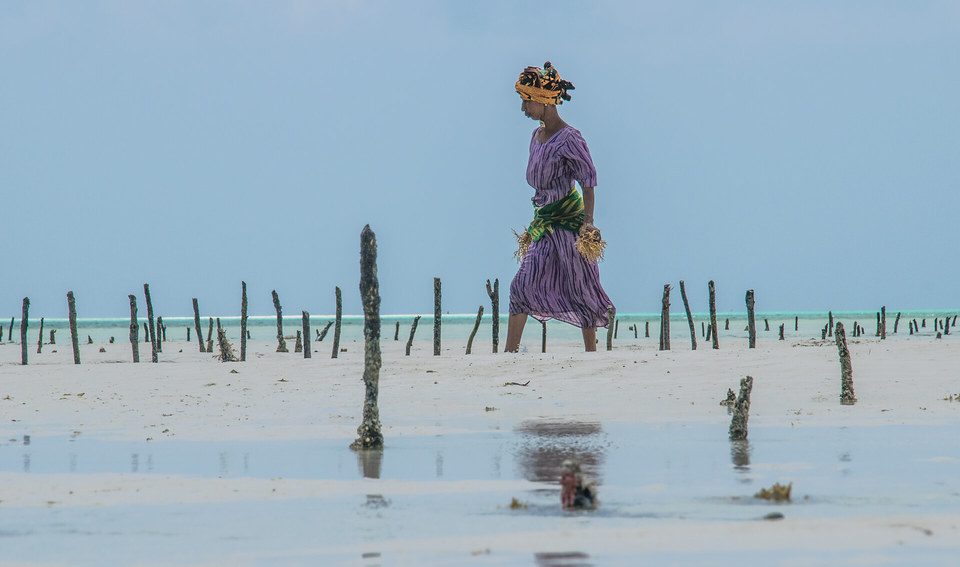
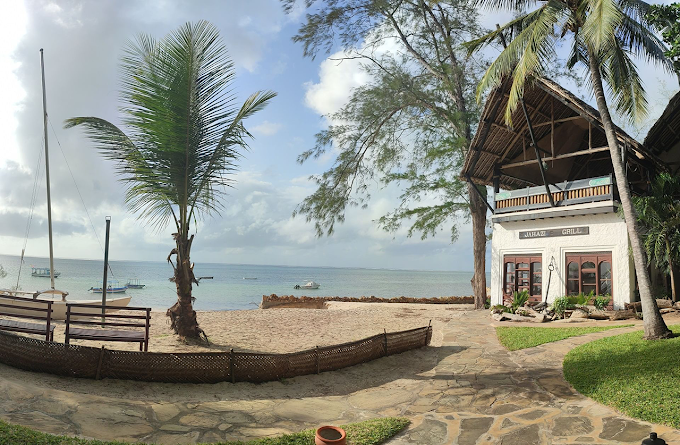
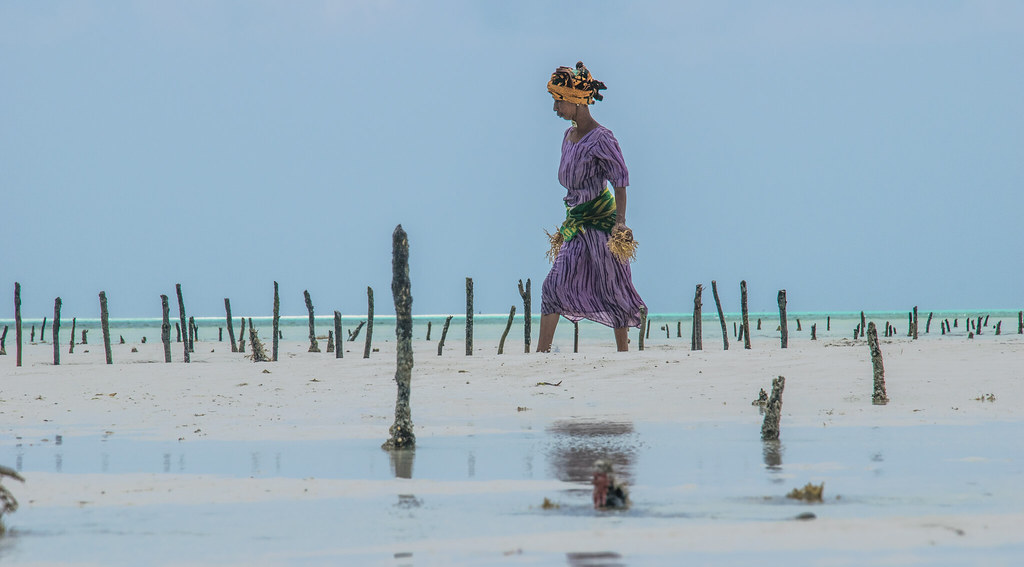
Diani and Zanzibar share the same broad Swahili coastal heritage, warm turquoise water, and reliable tropical climate, yet they deliver noticeably different experiences once you’re actually on the ground. Diani, south of Mombasa, offers a long, palm-backed beach with a well-developed but still relatively low-key resort strip, strong watersports infrastructure, and easy access to the Shimba Hills and Colobus Conservation projects just inland. Zanzibar brings a genuinely different texture: Stone Town’s UNESCO-listed old quarter, a spice-growing interior, and a beach scene spread across several distinct towns, from the kitesurfing hub at Paje to the livelier northern strip around Nungwi and Kendwa.
Rather than repeating the same beach experience twice, splitting a trip between the two gives travellers a genuine sense of contrast: Kenya’s coast feels a touch more laid-back and less built up in places, while Zanzibar carries a deeper concentration of history and culture packed into a smaller geographic footprint. For travellers with roughly ten days to two weeks available, dividing time between the two rarely feels rushed, provided the logistics of moving between them are planned properly from the outset.
Getting From Diani to Zanzibar
The most straightforward route between the two involves a short domestic hop from Mombasa’s airport to Zanzibar, generally requiring a connection since direct scheduled flights between the two cities are limited and route availability shifts from season to season. Most itineraries route through Nairobi or, alternatively, through Dar es Salaam, adding a layover but keeping the overall travel day manageable, typically landing in Zanzibar within a half to full day of departing Diani depending on connection times.
Road and ferry combinations exist as a considerably slower, more budget-conscious alternative, involving travel up to Mombasa, a ferry or flight to Dar es Salaam, and a further ferry crossing to Zanzibar, but this route consumes the better part of a full day or more and suits only travellers with a specific interest in the overland journey itself rather than a straightforward beach-to-beach itinerary. For most visitors prioritising time actually spent on the sand over time in transit, the flight-based route, despite the connection, remains the more sensible choice.
Visa and Border Requirements for Both Countries
Because Kenya and Tanzania are separate countries with independent immigration systems, a Diani-to-Zanzibar trip requires meeting each country’s entry requirements separately rather than relying on any shared regional visa arrangement covering both automatically. Kenya operates an electronic travel authorisation system that most visitors need to apply for in advance of arrival, while Tanzania, which governs Zanzibar’s immigration alongside the mainland, generally issues visas either in advance online or on arrival for many nationalities. Requirements shift periodically, so confirming current visa rules for both countries well ahead of departure, rather than assuming a regional pass covers the whole trip, is an essential planning step that’s easy to overlook when focused mainly on flights and hotels.
Suggested Trip Structure
For a roughly ten to twelve day trip, a reasonably balanced split allocates four to five days to Diani and five to six days to Zanzibar, reflecting the greater range of distinct experiences, Stone Town, the spice farms, and several beach towns worth visiting, packed into the Tanzanian side of the itinerary. Travellers with a strong preference for one destination over the other can easily skew the balance further in that direction; the structure works equally well weighted three-to-one in either direction, provided enough time remains at each stop to properly settle in rather than feeling perpetually mid-transition.
Starting in Diani and finishing in Zanzibar tends to work slightly better than the reverse for travellers flying home afterward, given Zanzibar’s broader network of international connections through Dar es Salaam compared with Mombasa’s more limited direct long-haul options. That said, either sequence works logistically; the choice mostly comes down to personal preference for pacing a trip toward a livelier finish in Zanzibar’s beach towns or a calmer wind-down in Diani.
Avoiding a Rushed Itinerary
The biggest risk with any two-beach itinerary is underestimating how much a single travel day, especially one involving a connection, eats into the overall trip. Building in a buffer day on either side of the Diani-to-Zanzibar transfer, rather than scheduling activities immediately before departure or immediately after arrival, helps absorb any flight delays or connection issues without derailing the rest of the trip. Travellers who try to squeeze a full excursion day in immediately before or after the transfer often find themselves either rushing to the airport or too exhausted from travel to properly enjoy the first day at the new destination.
What Each Leg Adds to the Trip
Diani’s strengths lie in its watersports scene, easy access to nearby conservation areas like Colobus Conservation and Shimba Hills, and a slightly more relaxed, less crowded beach atmosphere than Zanzibar’s most popular strips. It’s an excellent base for travellers who want a straightforward beach holiday without needing to plan around cultural sites or historical attractions, though Mombasa’s Old Town remains an easy day trip for anyone wanting a dose of Swahili heritage while based in Diani.
Zanzibar, by contrast, rewards travellers willing to move around the island rather than settling into a single beach for the entire stay. Stone Town alone justifies at least two full days for its markets, rooftop bars, and historical architecture, while the island’s various beach towns each offer a distinct character, from Paje’s kitesurfing scene to Nungwi’s livelier social atmosphere. Travellers who treat Zanzibar as a single homogeneous beach destination rather than a collection of genuinely different towns tend to miss much of what makes the island worth the extra days in the itinerary.
Combining With a Safari Instead
Travellers reconsidering whether a two-beach trip is the right fit, rather than the more common safari-and-beach pairing, should weigh how much a safari component adds to their specific priorities. Our guide to combining a Kenya safari with a Zanzibar beach extension covers that more traditional pairing in detail for anyone who decides a wildlife-focused first half suits their trip better than a second beach destination.
Money and Practical Cross-Border Details
Crossing between Kenya and Tanzania means adjusting to a new currency partway through the trip, since Kenyan shillings and Tanzanian shillings are entirely separate currencies with different exchange rates, and neither is easily usable in the other country. Withdrawing cash shortly after arrival in each destination, rather than trying to carry leftover currency across the border, avoids the hassle of exchanging small, oddly denominated amounts at an unfavourable rate. US dollars are widely accepted for larger payments like hotel bills and organised excursions in both countries, though everyday purchases, taxis, and small vendors generally expect payment in local currency.
Mobile network coverage also resets at the border, so travellers relying on a local SIM card for data and calls will need a separate Tanzanian SIM once in Zanzibar rather than expecting a Kenyan number to carry over. Picking up a local SIM shortly after arrival in each country, widely available at both airports, keeps navigation apps, ride-hailing services, and basic communication running smoothly throughout the trip without relying on expensive international roaming charges that can add up quickly over a two-week itinerary.
Packing for Two Slightly Different Coastal Settings
While Diani and Zanzibar share a broadly similar tropical climate, packing for both legs of the trip benefits from a bit of tailored thought. Zanzibar’s Stone Town, and to a lesser extent Mombasa’s Old Town near Diani, both call for slightly more modest clothing than a pure beach setting requires, given the Muslim cultural context of both regions’ old towns. Packing at least one or two more covered outfits alongside standard beach and resort wear covers both the cultural sites and the beach days without needing to overpack for either leg specifically.
A Genuinely Relaxed Multi-Country Trip
A Diani-to-Zanzibar itinerary asks less of travellers logistically than a safari-inclusive trip, trading early-morning game drives for two distinct, unhurried stretches of coastline separated by a single, manageable flight connection. For travellers whose ideal holiday leans firmly toward beaches, water, and coastal culture over wildlife viewing, pairing these two destinations delivers real variety without sacrificing the relaxed pace that a beach-focused trip is supposed to provide in the first place. With a bit of care around the border crossing, visas, and currency, the whole trip runs about as smoothly as a single-country beach holiday, just with twice the coastline, twice the culture, and twice the reason to come back for another visit.