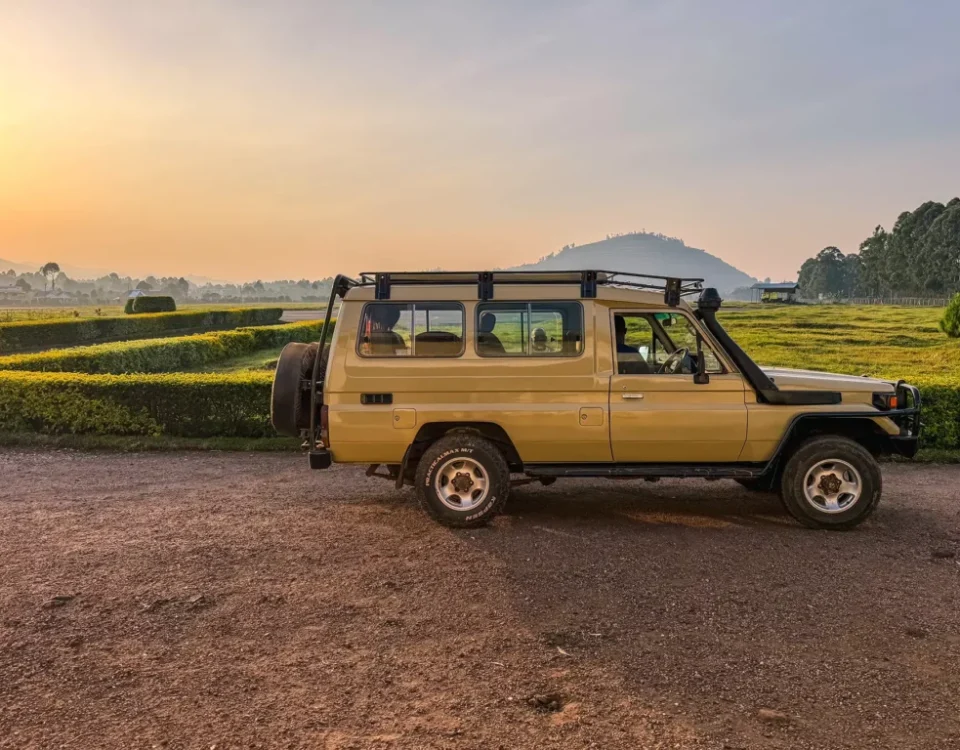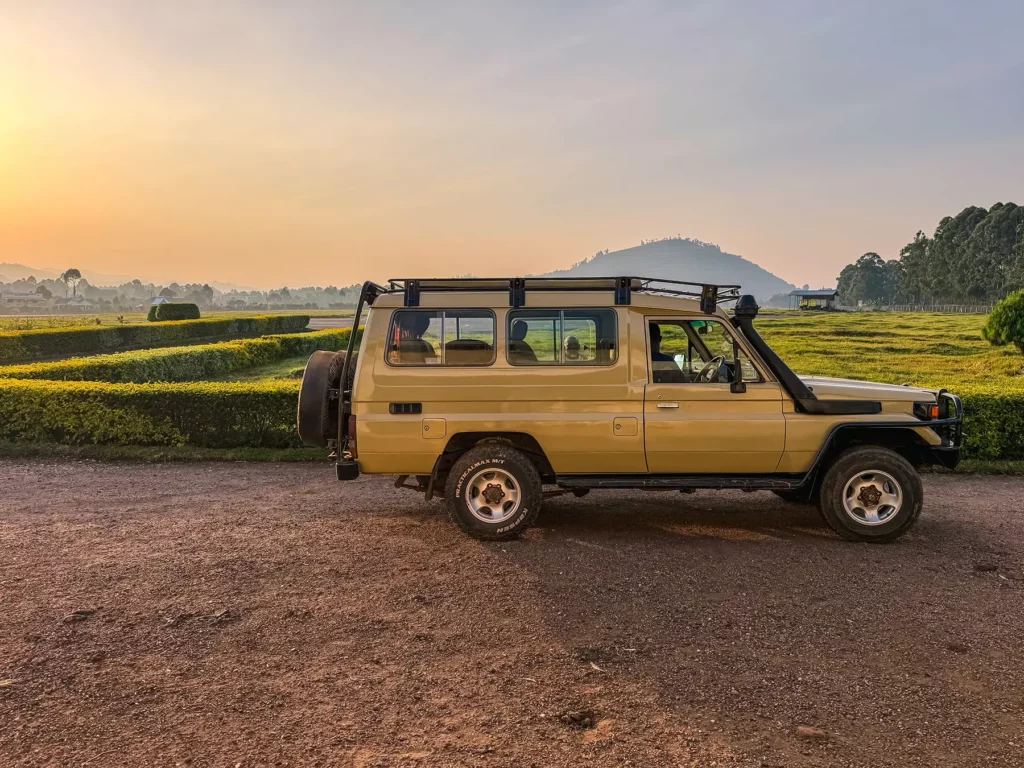
One of the earliest and most consequential decisions in planning an East Africa trip has nothing to do with which country or which park to visit. It is whether to join a group safari alongside other travelers or book a private safari with a vehicle and guide dedicated entirely to one party. The choice affects cost, flexibility, pacing, and the overall feel of the trip more than almost any other planning decision, and it deserves more thought than it usually gets.
What a Group Safari Actually Involves
A group safari means sharing a vehicle, guide, and fixed itinerary with other travelers who booked the same departure, typically strangers rather than people traveling together intentionally, though friends and families can sometimes fill an entire group vehicle themselves. Group sizes vary by operator and price point, ranging from small groups of four to six in a single vehicle up to larger coach-based tours moving twenty or more people between destinations on a bus, with individual game drives split across several safari vehicles. The itinerary, pace, and daily schedule are fixed in advance and shared by everyone in the group, meaning individual preferences about how long to linger at a sighting, which detours to take, or when to start each day are balanced against the group as a whole rather than decided freely.
The primary appeal of a group safari is cost. Splitting the fixed costs of a vehicle, fuel, and a guide’s daily rate across multiple travelers brings the per-person price down substantially compared to a private arrangement covering the same itinerary, sometimes by forty percent or more depending on group size. Group safaris also offer a built-in social dimension that many solo travelers and couples specifically seek out, turning shared meals and long drives into an opportunity to meet other travelers, which for some people is a genuine feature of the trip rather than a compromise.
The Tradeoffs of Traveling in a Group
The most commonly cited drawback of group safaris is reduced flexibility. A group vehicle typically moves on once most passengers seem satisfied with a sighting, which can mean leaving a spectacular scene earlier than a photography-focused traveler would like, or conversely staying longer at a sighting that has already lost interest for some members of the group. Departure dates are fixed to the operator’s schedule rather than a traveler’s ideal dates, and the itinerary itself, while usually well designed, cannot be customized beyond minor requests. Group dynamics also vary unpredictably; most group safaris go smoothly with pleasant, compatible travelers, but the possibility of ending up in a vehicle with a personality clash or very different energy levels is a real, if generally minor, consideration worth accepting as part of the format.
What a Private Safari Offers
A private safari dedicates a vehicle, driver-guide, and itinerary entirely to one traveling party, whether that is a solo traveler, a couple, a family, or a larger group of friends traveling together. Every aspect of the day becomes negotiable in real time: how long to spend at a sighting, whether to detour toward a rumor of a leopard in a nearby tree, what time to start the morning, and how many stops to make along the way. This flexibility is the core value proposition of a private safari, and for travelers with specific interests, whether serious photography, birding, or simply a strong preference for a slower or faster pace than a typical group itinerary allows, it is often the difference between a good trip and a genuinely tailored one.
Private safaris also allow full customization of the itinerary itself before departure, including which parks to visit, how many nights at each stop, which activities to prioritize, and which accommodation tier to book, none of which a fixed group departure typically permits beyond selecting from a pre-built package. Departure dates are entirely flexible, built around the traveler’s schedule rather than an operator’s fixed calendar, which matters considerably for anyone traveling during a narrow window or trying to align a trip with a specific event like a particular wildlife migration phase or a family celebration.
The Cost of Flexibility
All of this flexibility comes at a real price premium, since the full cost of the vehicle, fuel, and guide falls on a single traveling party rather than being split across a full group. Depending on the specific itinerary, group size, and accommodation tier, a private safari can cost anywhere from thirty to over a hundred percent more per person than an equivalent group departure. For solo travelers specifically, this gap is at its widest, since there is no one to share the private vehicle cost with at all, making solo private safaris the most expensive per-person option in the market by a meaningful margin.
How to Decide Between the Two
Budget is usually the first practical filter, and travelers working with a tighter budget who are comfortable with a fixed itinerary and shared vehicle will generally find group safaris deliver excellent value, particularly through well-established operators with good vehicle maintenance and experienced guides even on budget departures. Travelers with more flexible budgets who prioritize a highly personalized pace, specific photography or birding goals, or simply want maximum control over every aspect of the day are usually better served by the private option, even accounting for the higher cost.
Group composition matters too. A family with young children, or a family combining generations with different energy levels and interests, often benefits enormously from a private safari’s ability to adjust pacing, nap schedules, and activity intensity to the specific needs of the group, something a fixed group departure with unrelated travelers simply cannot accommodate. Couples celebrating a honeymoon or anniversary frequently choose private safaris specifically for the more intimate, uninterrupted experience, even when budget would technically allow either option.
A Middle Ground Worth Considering
Between fully shared group departures and fully private safaris sits a middle option that many travelers overlook: joining or forming a small private group of friends or family members who fill an entire vehicle together, splitting the private-vehicle cost among a known group rather than strangers. This approach captures much of the flexibility of a private safari, since the group can collectively decide on pace and priorities, while still dividing the cost across several people rather than one or two. It works particularly well for groups of four to six travelers who already know and travel comfortably with each other, and is worth specifically requesting from an operator rather than assuming the only options are a fully public group departure or a fully private single-party booking.
Questions to Ask Before Choosing
Regardless of which format seems more appealing on paper, it is worth asking an operator directly about actual group size for any specific group departure being considered, since “group safari” can mean anything from four people in one vehicle to twenty spread across several. It is also worth asking how much flexibility exists even within a group format, since some operators build in modest daily choices or optional add-on activities that soften the rigidity of a fixed itinerary. For private safaris, confirming exactly what is and is not included in the quoted price, since private itineraries sometimes carry additional park fees or conservancy charges not obvious from an initial quote, avoids budget surprises later in the planning process.
Neither format is objectively better than the other; they simply suit different travelers, budgets, and trip goals. A traveler who values social connection, cost efficiency, and does not mind a fixed pace tends to thrive on a group safari, while a traveler who values control, customization, and a slower or more specific pace tends to get significantly more value from the private option despite the higher price. Being honest about which of these priorities matters more before booking, rather than choosing based on price alone or assumption alone, is the single most useful step in making the right call.
How Group Size Affects Gorilla Trekking Specifically
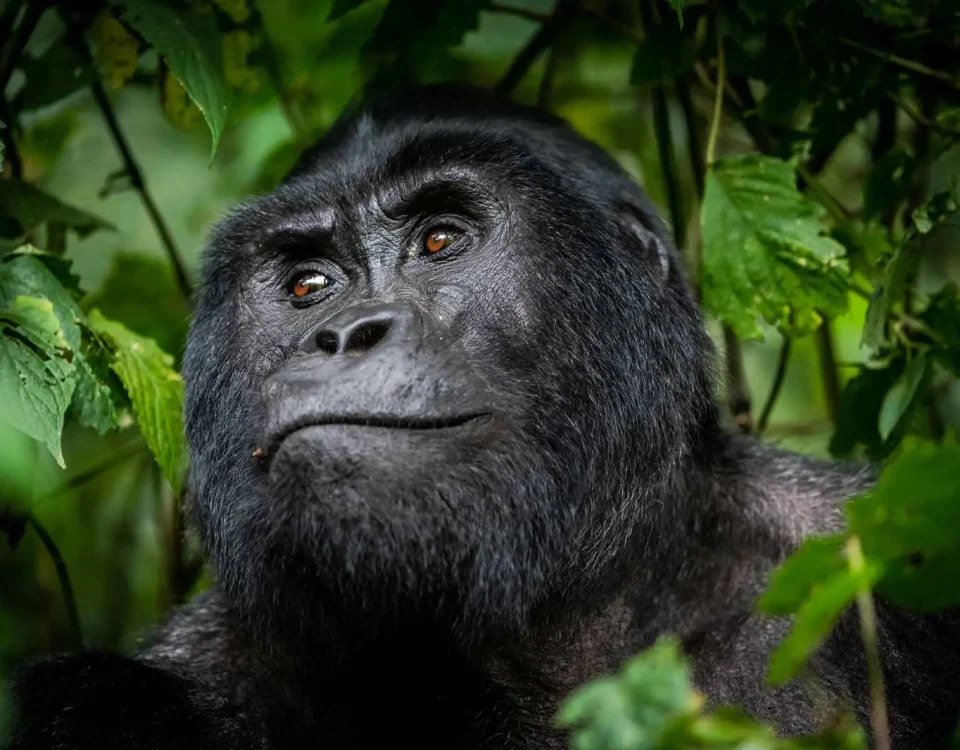
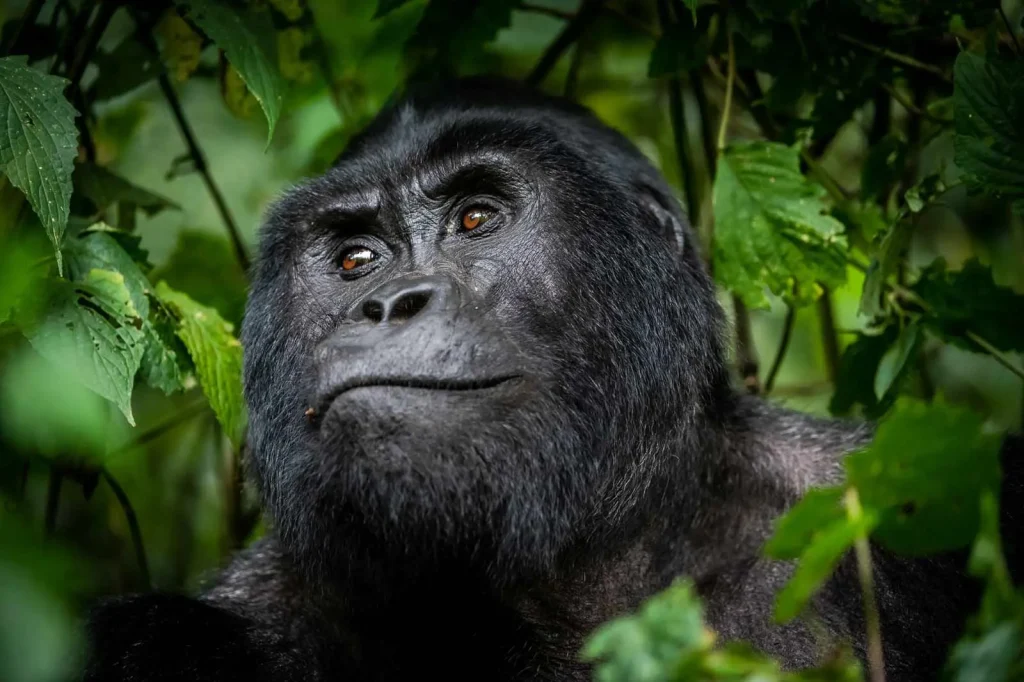
Gorilla trekking sits slightly apart from general game drive safaris in this discussion, since trekking groups are capped by park authorities at a fixed number of visitors per gorilla family per day regardless of whether a traveler booked through a group tour or a private operator. This means the trekking experience itself, once on the trail with rangers, involves a similar-sized group of fellow trekkers either way, and the group-versus-private distinction mainly affects the surrounding logistics: the vehicle and guide getting travelers to and from the park, the pace of the rest of the itinerary, and the flexibility around lodge choices and rest days. Travelers choosing between group and private options primarily for the trekking portion of a trip should weigh the broader itinerary flexibility discussed above rather than expecting a meaningfully different experience once actually on the forest trail.
Mixing Formats Across a Longer Trip
Travelers on longer, multi-country itineraries do not need to commit to one format for the entire trip. It is increasingly common, and entirely workable with the right operator, to combine a private safari for a gorilla trekking segment, where flexibility around early starts and rest days matters more, with a group departure for a lower-stakes game drive portion elsewhere in the itinerary, balancing overall cost against the specific segments of the trip where flexibility genuinely adds the most value. Discussing this kind of hybrid approach directly with a ground operator during the planning stage, rather than assuming an entire trip must be booked as either fully group or fully private, can unlock meaningful savings without sacrificing flexibility where it matters most.