

Good safari photography etiquette matters for reasons that go well beyond politeness: how a photographer behaves in a vehicle around wildlife directly affects animal welfare, the experience of fellow travelers, and a guide’s ability to do their job safely and effectively. This guide covers the practical etiquette that applies to general wildlife photography on game drives; travelers whose trip centers specifically on gorilla trekking should also read the companion guide on gorilla trekking group etiquette rules, which addresses the more specific protocols unique to that particular activity.
Respecting Animal Space and Behavior
The single most important etiquette principle in wildlife photography is prioritizing the animal’s comfort and natural behavior over getting the perfect shot, which in practice means accepting a guide’s judgment about safe and appropriate viewing distance rather than pushing for a closer approach. Signs that an animal is stressed or disturbed by a vehicle’s presence, repeated glancing toward the vehicle, changed posture, moving away, or vocalizing in alarm, should be treated as an immediate signal to back off rather than an opportunity to capture a more dramatic reaction shot. Experienced guides read these signals constantly and adjust vehicle positioning accordingly, and photographers who trust and defer to this judgment consistently get better, more natural images anyway, since relaxed, undisturbed animals produce far more compelling photography than stressed ones.
Flash photography is worth avoiding entirely around wildlife, both because it can startle or distress animals, particularly nocturnal species already more sensitive to sudden light, and because most safari vehicles maintain a reasonable enough distance that flash provides little genuine photographic benefit relative to the disturbance risk. Many parks and reserves across the region explicitly prohibit flash photography for exactly this reason, and following this rule consistently, even in situations where enforcement feels unlikely, reflects the underlying respect for wildlife welfare that good etiquette is built around.
Never Baiting or Manipulating Wildlife for a Shot
Any attempt to bait, call, or otherwise manipulate an animal’s behavior purely to produce a better photograph, imitating a bird call, tossing food, or making noise to provoke a reaction, is both ethically problematic and, in most parks and reserves, explicitly prohibited. This kind of behavior can alter natural animal patterns in ways that affect their survival and behavior well beyond the moment of a single photograph, and reputable guides will not participate in or tolerate it. Photographers should assume that any specific request along these lines will, and should, be declined by a professional guide, and should not pressure a guide who refuses such a request.
Vehicle Etiquette During Photography
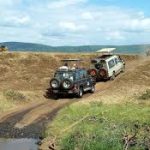
Sharing a safari vehicle with other guests, whether on a group departure or simply traveling as a couple or family, requires basic spatial awareness that some enthusiastic photographers forget in the excitement of a good sighting. Rotating position for the best window or roof-opening access during an extended sighting, rather than one person monopolizing the prime spot for the entire encounter, keeps a shared vehicle experience pleasant for everyone aboard. Standing through a vehicle’s pop-top roof section, a common and generally welcomed practice during stationary sightings, should be done considerately, being mindful of blocking a shorter passenger’s view or accidentally obstructing another photographer’s clear shot with an extended arm or lens.
Noise Discipline Around Wildlife
Loud conversation, camera equipment noise beyond a shutter click, and general excitement expressed vocally can all disturb wildlife and detract from other guests’ experience of a sighting, making a lower voice and general quiet discipline during an active sighting a basic courtesy that experienced safari travelers observe automatically. This matters particularly during sensitive moments, a predator stalking prey, an animal with young nearby, where sudden noise can genuinely alter the outcome of a natural behavior sequence that everyone in the vehicle is there to witness.
Working Respectfully With Guides
A guide’s job extends well beyond simply driving to sightings; they are constantly reading animal behavior, anticipating movement, and making real-time safety and ethical judgment calls that a photographer, however experienced with a camera, generally cannot match without years of specific local experience. Trusting a guide’s positioning and timing decisions, even when a photographer has a specific shot in mind that might require a different angle or distance, respects both the guide’s expertise and the safety considerations that inform many positioning decisions that are not always obvious to a passenger.
Tipping guides appropriately for photography-focused game drives, which often require more patience, repositioning, and specialized knowledge than a standard general-interest game drive, is worth factoring into a trip’s overall tipping budget, a topic covered in more detail in the companion guide on tipping etiquette across the region. Communicating photography priorities and specific interests clearly at the start of a trip, rather than assuming a guide will intuit them, helps a guide tailor their approach and positioning decisions to actually serve a photographer’s goals throughout the trip.
Handling Disagreements About Positioning or Distance
Occasional disagreement between a photographer wanting a closer or different angle and a guide’s judgment about safe or ethical distance is not unusual, and the appropriate response is always to defer to the guide’s professional judgment rather than pressuring for a closer approach or attempting to direct the vehicle independently. A guide who consistently declines to push closer than they judge appropriate is doing their job correctly, and photographers who respect this, even when it means missing a particular shot, build the kind of trust with guides that tends to produce better overall access and positioning decisions across the rest of a trip.
Sharing and Using Wildlife Images Responsibly
When sharing safari photography publicly, providing accurate context about location and circumstances, rather than exaggerating danger or proximity for social media effect, supports honest expectations for future travelers and avoids glamorizing behavior, like unusually close approaches, that responsible guides and operators actively try to prevent. Crediting guides and operators where appropriate when sharing standout images also reflects the collaborative nature of most great wildlife photography, since a guide’s positioning, timing, and local knowledge are frequently as responsible for a compelling shot as the photographer’s own technical skill behind the camera.
Etiquette Around Drone Photography
Drone use is heavily restricted or entirely prohibited within national parks and reserves across Kenya, Uganda, Rwanda, and Tanzania, both for wildlife disturbance reasons, since the noise and unfamiliar aerial presence of a drone can genuinely panic wildlife, and for safety and security reasons specific to each country’s aviation and park regulations. Travelers hoping to capture aerial footage should research each specific park’s current drone policy well in advance, since rules vary by country and even by individual park, and some destinations require special permits arranged far ahead of a trip rather than allowing casual on-the-ground requests. Attempting to fly a drone without proper authorization risks confiscation of the equipment, fines, and in some cases more serious legal consequences, making this an area where checking current, official regulations rather than assuming a blanket policy applies is essential.
Photography Etiquette During Cultural Visits
Many safari itineraries include a visit to a local community, cultural boma, or village, and photography etiquette in these settings deserves the same careful consideration as wildlife photography, if not more. Always asking explicit permission before photographing individuals, respecting a clear “no” without argument, and being mindful that some community members may prefer not to be photographed at all, particularly children, are basic courtesies that responsible travelers extend consistently. Offering a small tip or purchasing a craft item in appreciation for a photography opportunity, where this is the local custom, is generally welcomed and reflects a fair exchange for the time and openness a community member has extended to a visiting photographer.
Preparing to Photograph Efficiently and Considerately
Knowing a camera’s settings well enough to react quickly to a fast-developing sighting, rather than fumbling with menus and controls while a guide patiently holds a difficult vehicle position, respects both the guide’s effort and the other passengers’ shared time at a sighting. Practicing with a camera’s key settings before a trip, rather than learning them for the first time in the field, meaningfully improves both a photographer’s results and the overall pace and flow of shared game drives. Keeping gear organized and easily accessible, rather than causing delays digging through a bag while wildlife activity unfolds, is a small habit that makes a noticeable difference to a shared vehicle’s overall experience during a fast-moving sighting.
Balancing Photography With Simply Experiencing the Moment
Experienced safari photographers often emphasize the value of occasionally lowering the camera entirely and simply watching a sighting unfold without the mediation of a viewfinder, both for personal enjoyment and out of consideration for fellow travelers who may be sharing a vehicle specifically to experience wildlife directly rather than watch someone else’s photography process. Finding this balance, between capturing meaningful images and genuinely being present for a rare, often fleeting wildlife encounter, is ultimately a personal choice, but it is worth considering deliberately rather than defaulting entirely to viewing every sighting exclusively through a camera screen. The photographers who come away from a safari most satisfied are consistently the ones who balanced strong images with genuine, present attention to the wildlife and people who made those images possible in the first place.













