
Safari dress code questions come up constantly during trip planning, and the honest answer is that East Africa’s dress expectations are more relaxed than many travelers assume, while still carrying a handful of genuinely practical and cultural considerations worth understanding. This guide focuses on what is actually appropriate to wear in different settings throughout a trip, complementing rather than repeating the itemized packing list covered in the companion guide, a complete packing list for an East Africa safari, which this piece assumes as a starting point for the practical items themselves.
What Genuinely Matters for Game Drives
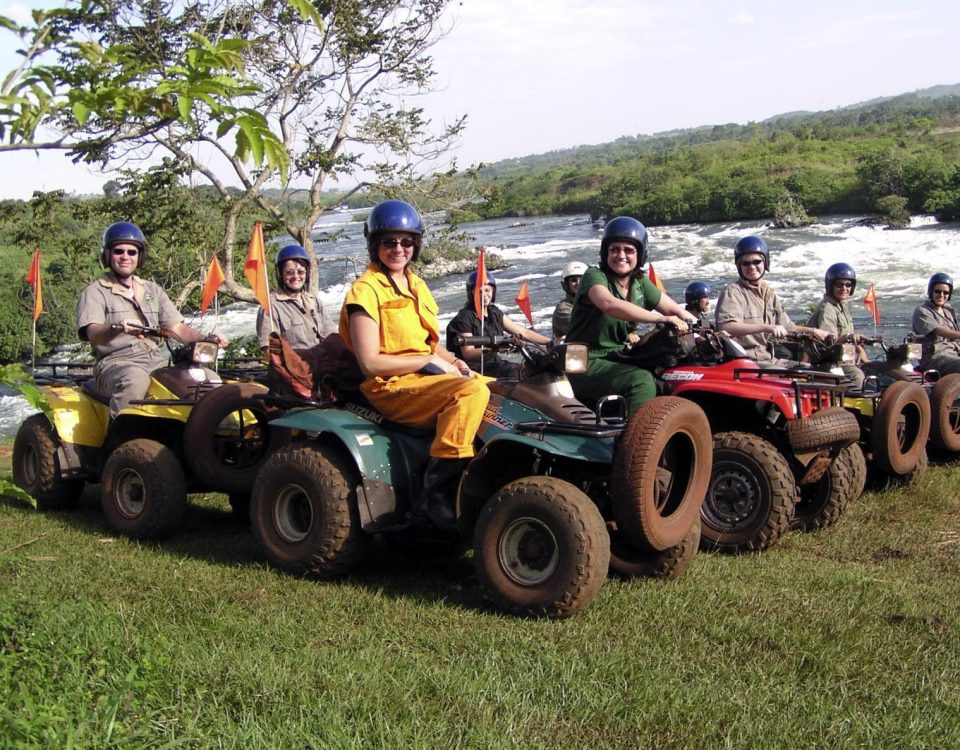
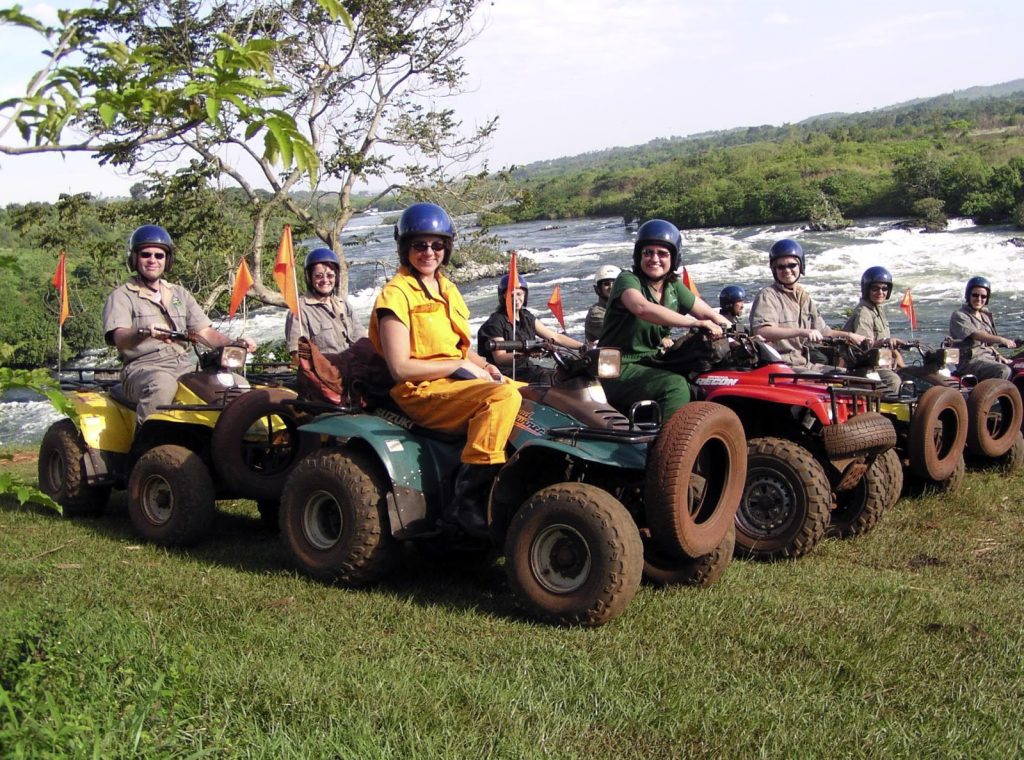
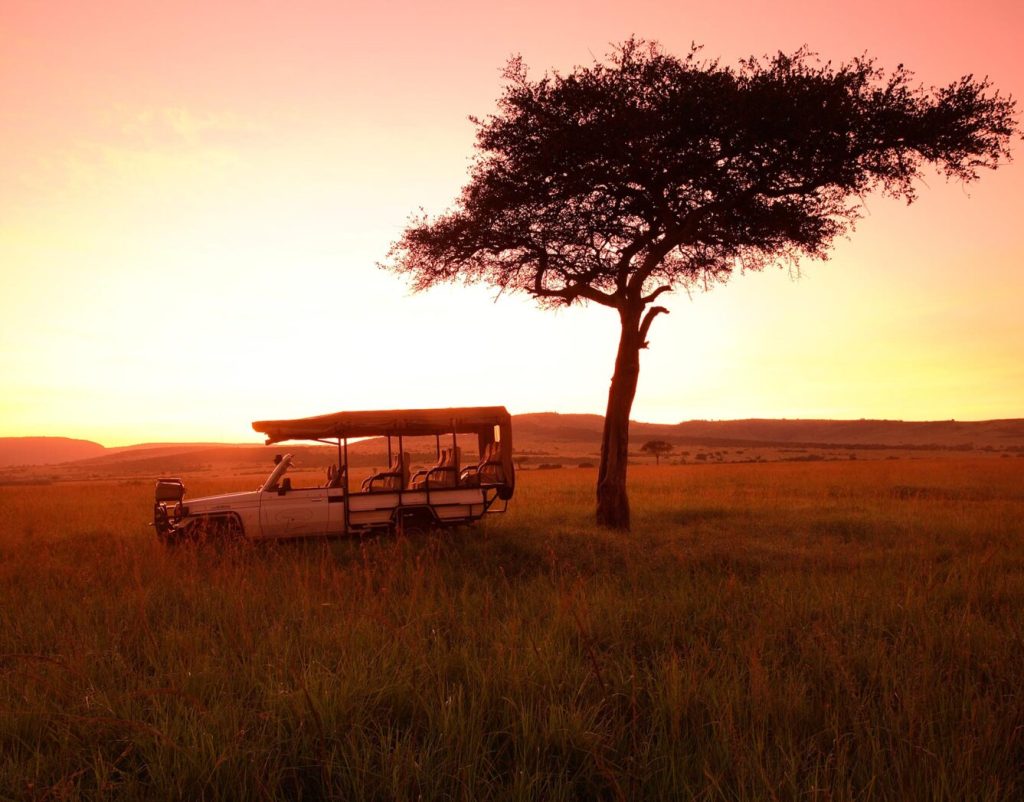
Neutral, muted colors, khaki, olive, tan, and soft greens, remain the practical standard for game drives, not because bright colors are strictly forbidden but because they blend better into the bush, photograph more naturally, and show dust considerably less than brighter alternatives. This is genuinely more about practicality than any enforced rule, and no park ranger will turn away a traveler wearing a brighter color, but the difference becomes noticeable in photographs and in how easily a vehicle blends into the surrounding landscape during a sighting. Blue and black are worth actively avoiding on any itinerary passing through tsetse fly territory specifically, since both colors are known to attract these biting insects more than lighter, neutral tones.
Beyond color, comfort and practicality genuinely matter more than any formal dress expectation for game drives: breathable, layerable clothing suited to the temperature swings between cold mornings and hot afternoons, discussed in more depth in the companion guide to cold-weather morning packing, serves travelers far better than anything chosen primarily for appearance.
Gorilla Trekking Specific Expectations
Gorilla trekking carries its own practical dress requirements beyond general safari norms: long trousers and long-sleeved shirts are genuinely necessary rather than optional here, given dense vegetation, nettles, and biting insects along forest trails, and sturdy, closed-toe footwear is essential for the uneven, often muddy terrain. This is less about formal etiquette and more about practical necessity specific to forest trekking conditions that differ meaningfully from a standard open-vehicle game drive.
Dress Expectations at Lodges and Camps
Most safari lodges and camps maintain a notably relaxed, casual dress standard even for dinner, reflecting the destination’s fundamentally outdoor, adventure-oriented character rather than a formal resort atmosphere. Clean, casual clothing is entirely appropriate for evening meals at the vast majority of properties across the region, and travelers packing formal wear specifically for lodge dinners generally find it goes unused. A small number of more traditional, colonial-style luxury lodges do lean toward a slightly smarter evening dress code, and it is worth checking a specific property’s expectations directly if this matters to a traveler, but this remains the exception rather than the general rule across East Africa’s accommodation landscape.
Swimwear and Pool Areas
Standard swimwear is entirely appropriate at lodge and camp pool areas, which function similarly to pools at any international hotel, though travelers should exercise more modest judgment around swimwear in any setting outside a resort or lodge pool specifically, particularly near local communities or during activities that move beyond the immediate property grounds.
Cultural and Religious Sites
Modest dress, generally meaning covered shoulders and knees, is expected and appreciated when visiting religious sites, mosques, churches, and traditional community locations, across all four core countries, reflecting standard respectful practice for religious and cultural site visits found throughout much of the world rather than anything unusual to East Africa specifically. Carrying a light scarf or shawl that can be added over shoulders or wrapped as a modest covering when visiting these kinds of sites spontaneously, without needing an entirely separate outfit, is a practical habit many experienced travelers maintain throughout a trip.
Community and village visits, increasingly common additions to safari and gorilla trekking itineraries, generally call for similarly modest, respectful clothing choices, and dressing with this in mind from the outset of the day, rather than needing to change specifically for a planned cultural stop, simplifies the practical logistics of a day involving multiple different activity types.
Beach and Coastal Dress Norms
Zanzibar and the Kenyan and Tanzanian coast present a somewhat different dress landscape than the inland safari circuit, reflecting the region’s significant Muslim population and more conservative local cultural norms outside of dedicated resort areas. Standard swimwear is appropriate within resort grounds and on more tourist-oriented beach stretches, but covering up with a sarong, shirt, or light dress when moving through town centers, local markets, or Stone Town specifically shows appropriate cultural respect and avoids the kind of unwanted attention that beachwear worn in a local town setting can invite.
City and Urban Settings
Nairobi, Kampala, Kigali, and Dar es Salaam function as modern African capital cities with correspondingly varied and generally relaxed dress norms, similar to what a traveler might expect in most major international cities, though smart casual dress is appreciated at upscale restaurants, business settings, and certain nightlife venues specifically. General street wear across these cities skews more conservative than, for example, a European or North American city center, and dressing slightly more modestly than instinct might suggest for casual daytime activities generally blends in more comfortably with local norms.
Camouflage-Patterned Clothing: A Genuine Legal Restriction
Unlike most of the general guidance in this article, which reflects practical convention rather than formal rule, camouflage-patterned clothing is a genuine legal restriction worth taking seriously across several East African countries, including Uganda and Tanzania, where camouflage patterns are legally reserved for military use by civilians and can be confiscated at customs or cause complications if worn publicly. This single item is worth checking and avoiding specifically before packing, regardless of how appealing a camouflage jacket or trousers might seem for blending into bush surroundings, since perfectly suitable neutral khaki and olive alternatives achieve the same practical goal without any legal risk.
Building a Dress Code That Works Across an Entire Trip
Packing a versatile core wardrobe of neutral, breathable, layerable clothing suitable for game drives and casual lodge settings, adding one or two slightly smarter but still simple pieces for the rare upscale dinner setting, and carrying a lightweight scarf or cover-up for religious sites and modest coastal town visits covers the practical dress requirements of almost any East Africa itinerary without requiring separate, activity-specific outfits for every different setting a trip might include. This flexible, layered approach to dress mirrors the broader layering strategy already recommended for temperature management throughout this site’s packing guidance, making it a genuinely efficient way to think about wardrobe planning for a trip covering such varied settings and activities.
Footwear Etiquette Across Different Settings
Closed-toe walking shoes or light hiking boots remain the practical standard for game drives and forest walks, while sandals or flip-flops are entirely acceptable and comfortable around lodge grounds and pool areas during downtime. Some lodges and camps, along with certain cultural sites and traditional homes visited on community tours, expect shoes to be removed before entering an interior space, a norm worth watching for and following the lead of guides or hosts on rather than assuming applies universally. Packing footwear that can be slipped on and off easily, rather than requiring laces undone each time, makes navigating this kind of situational expectation considerably more convenient throughout a trip involving several different types of stops in a single day.
Jewelry and Accessories
Minimizing obviously expensive jewelry and flashy accessories, particularly in busy markets, taxi parks, and other crowded urban settings, reduces the kind of petty theft risk that represents the most common safety concern travelers of any background encounter in the region’s cities, a consideration covered in more depth in the companion guide on solo female travel safety tips. This is less about a formal dress code and more a practical safety habit worth adopting regardless of destination, though it applies with particular relevance to the busier urban stops on a typical East Africa itinerary rather than the more controlled environment of a lodge or safari vehicle.
How Weather Realistically Shapes Daily Dress Choices
Because a single day on safari can span a cold pre-dawn game drive, a hot midday lull, and a cool evening, dress choices in practice matter less about any fixed rule and more about building flexibility into each day’s outfit through layers that can be added or removed as conditions shift, a practical reality that shapes East Africa dress norms as much as any cultural or formal consideration discussed throughout this guide. Most experienced regional travelers describe this layering habit as becoming second nature within the first day or two of a trip, adjusting instinctively to temperature rather than consciously thinking through a dress code at each stage of the day.
What Locals Actually Wear and Why It Is Worth Noticing
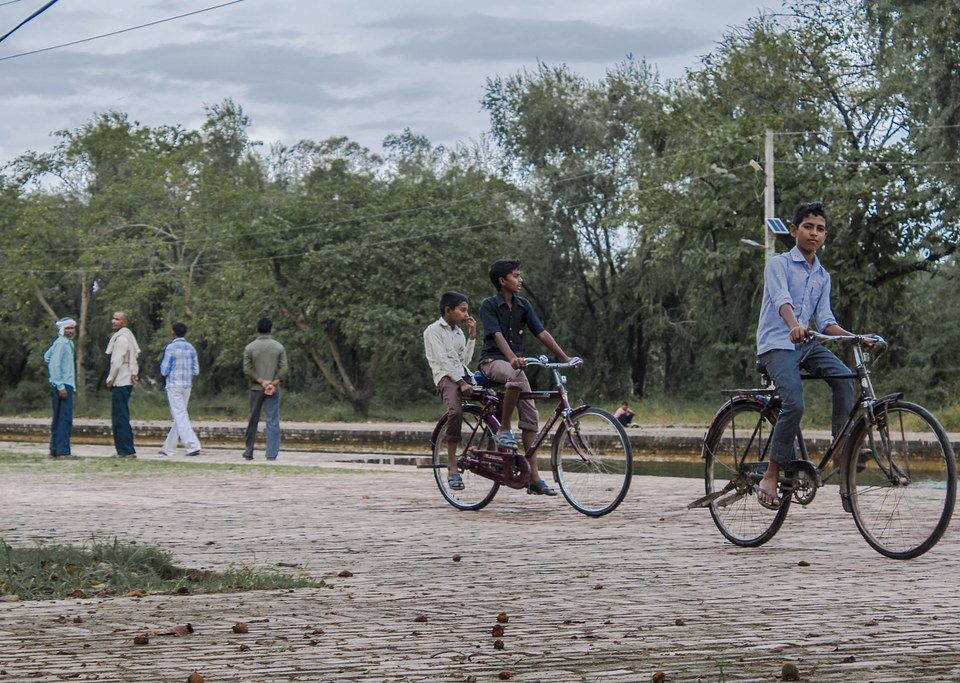
Paying attention to what local guides, drivers, and lodge staff wear day to day offers a genuinely useful practical guide for visiting travelers, since these are people navigating the same climate and cultural context daily and have settled on clothing choices that balance comfort, practicality, and appropriateness effectively. This is a more reliable real-world reference than any single guide, including this one, and travelers who observe and take cues from local dress norms throughout a trip tend to navigate the varied settings covered above with less conscious effort and more natural, comfortable confidence by the end of their journey.