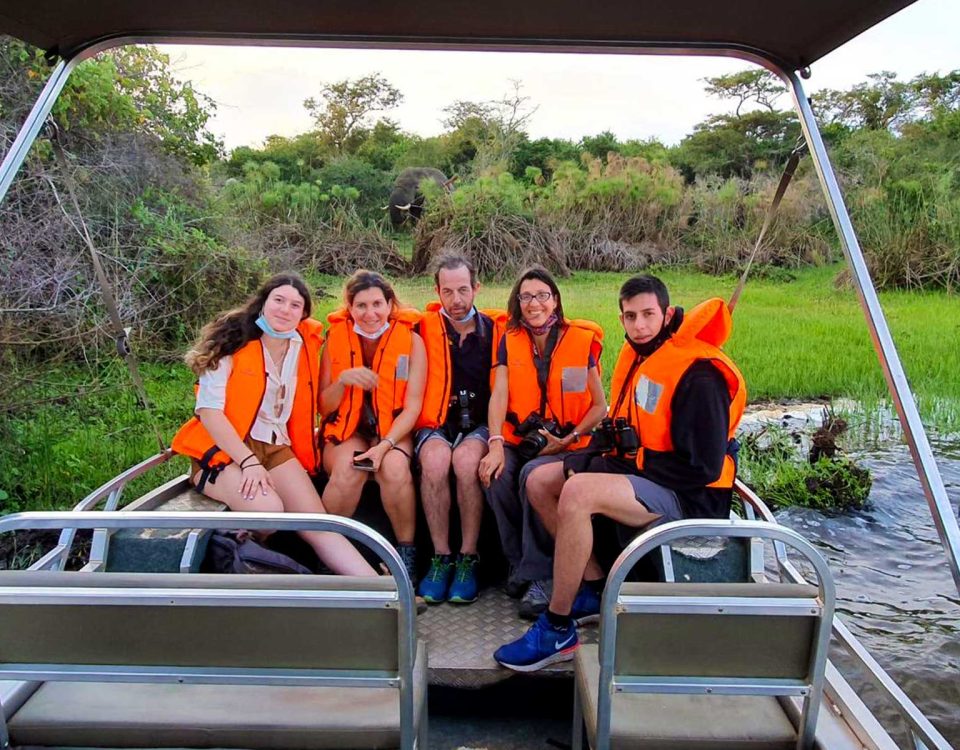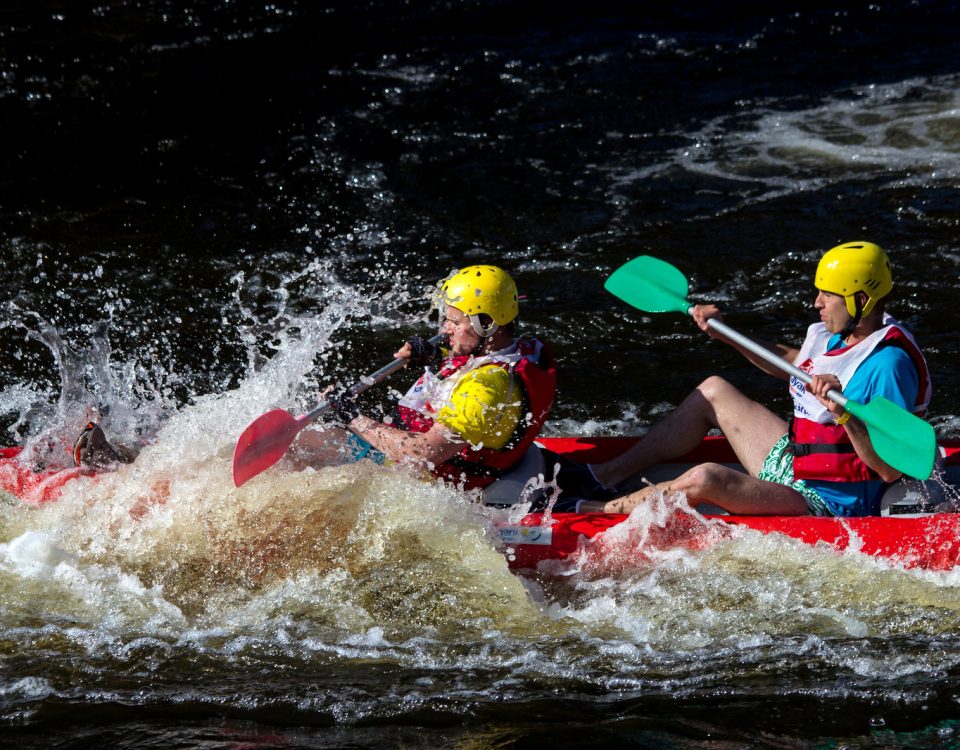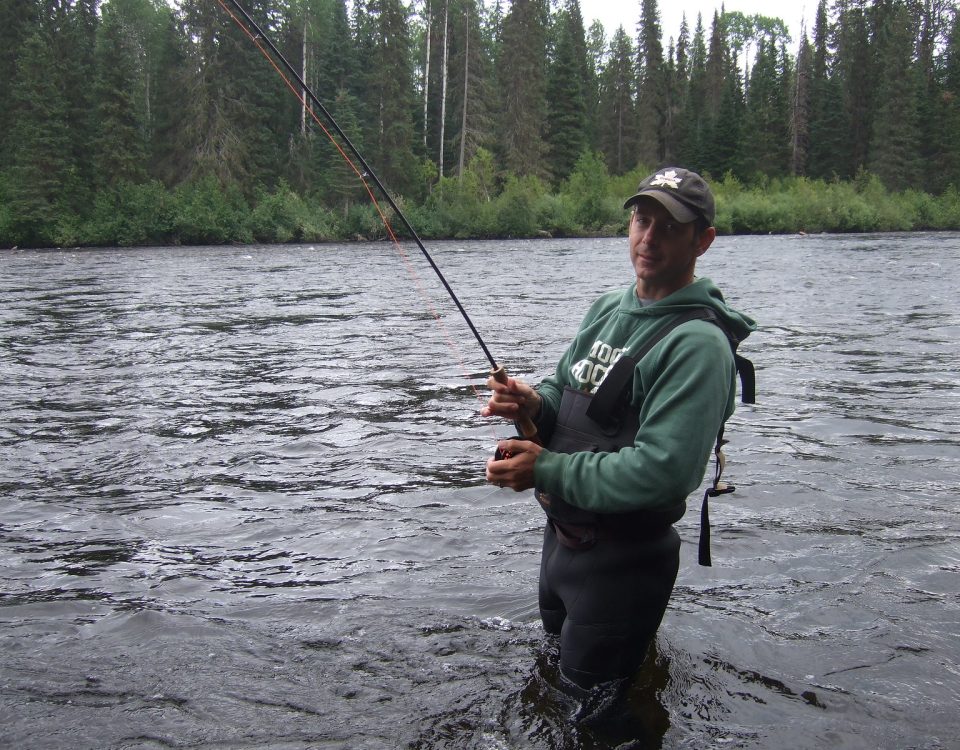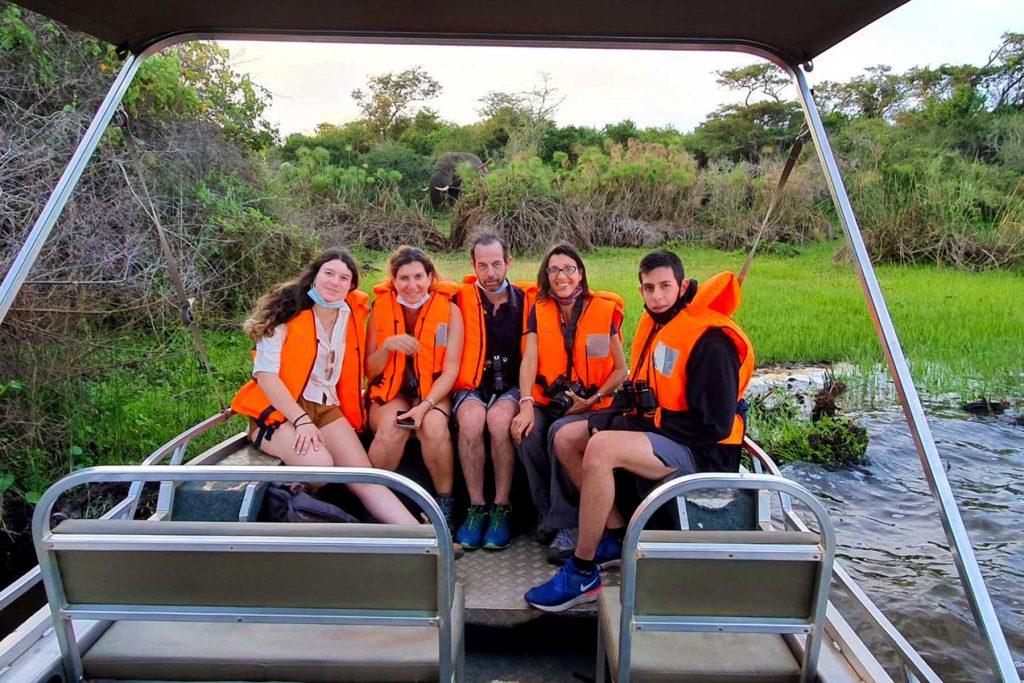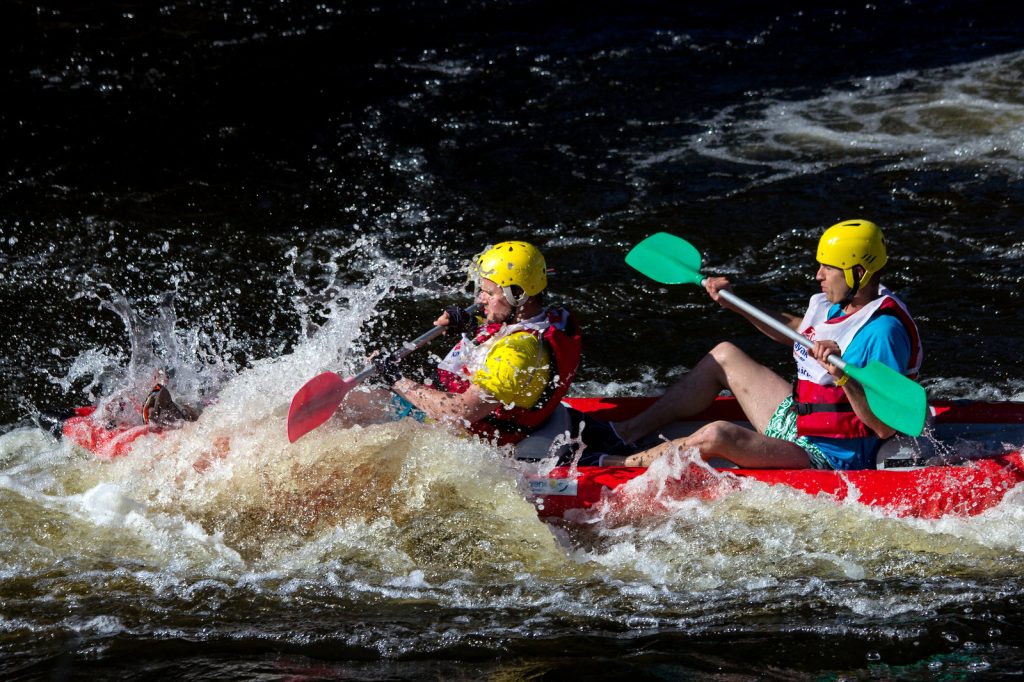
A single afternoon paddling a papyrus-fringed bay is a pleasant way to spend a couple of hours on safari. Committing several days to a canoe, sleeping on shorelines or at lakeside guesthouses, covering real distance under your own paddle power, is a different undertaking entirely, and one that a small number of East African operators have built into genuinely memorable multi-day expeditions. East Africa’s best multi-day canoe safaris trade the comfort of a vehicle for a slower, quieter form of travel, one that puts paddlers eye-level with fishermen, water birds, and, on certain routes, some of the same wildlife more commonly viewed from a Land Cruiser.
What Separates a Multi-Day Canoe Safari From a Day Paddle
The distinction matters because the two experiences demand entirely different levels of commitment, fitness, and planning. A single-day canoe outing, the kind widely available on Uganda’s Lake Bunyonyi or Lake Mburo, requires little more than a couple of hours of moderate paddling and a willingness to get slightly wet. A multi-day expedition asks for sustained paddling across consecutive days, genuine physical conditioning, and comfort with a much rougher standard of overnight accommodation than a typical safari lodge, ranging from basic lakeside campsites to simple guesthouses in small fishing communities along the route. In exchange, multi-day routes cover far more ground and immerse paddlers in landscapes and communities that day-trippers on the same lake never really reach.
Lake Kivu: Rwanda’s Signature Multi-Day Paddling Route
Lake Kivu, the vast rift lake forming much of the border between Rwanda and the Democratic Republic of Congo, offers the region’s most developed multi-day canoeing option, typically run in traditional wooden canoes alongside local fishermen or in more stable modern touring canoes provided by specialist operators. Multi-day itineraries generally follow the lake’s eastern Rwandan shoreline between towns like Rubavu (Gisenyi), Kibuye, and Rusizi (Cyangugu), stopping at fishing villages, small islands, and terraced hillside communities along the way, with nights spent at simple lakeside lodges rather than wild camping given the relatively developed shoreline. The lake’s volcanic depth and the absence of large predatory wildlife in the water make it one of the safer multi-day paddling environments in the region, a genuine advantage for operators building itineraries around several consecutive days on the water.
Combining Lake Kivu Paddling With the Congo Nile Trail
Because Lake Kivu’s shoreline runs roughly parallel to the Congo Nile Trail’s cycling and hiking route, some operators offer combined itineraries that mix days of paddling with days on foot or on a bike, breaking up the physical demands of either activity alone while covering the same general stretch of Rwandan shoreline from multiple angles. This hybrid approach suits travellers who want the immersive, slow-travel appeal of a multi-day expedition without committing every single day to the same repetitive motion.
Uganda’s Lake Bunyonyi: Island-Hopping by Canoe
Lake Bunyonyi’s calm, crocodile-free waters and scattered islands make it well suited to multi-day canoeing in a way few other Ugandan lakes can match, since paddlers can genuinely relax without the vigilance that hippos and crocodiles demand elsewhere. Multi-day itineraries here typically string together several of the lake’s 29 islands, stopping to camp or stay in small guesthouses on islands with their own distinct character and history, including Akampene, the so-called Punishment Island once used to banish unmarried pregnant women under a now-abandoned Bakiga custom. The terraced hills surrounding the lake provide a constant, dramatic backdrop, and the relatively compact size of Bunyonyi compared with Lake Kivu means a multi-day itinerary here can feel more like a thorough, unhurried exploration of a single special place than a point-to-point journey.
Papyrus Wetlands and River Routes in Western Uganda
Away from the region’s larger lakes, a smaller number of operators run multi-day canoe routes through Uganda’s papyrus wetland systems, including sections connected to Lake Mburo National Park, where the birding alone justifies a slower, multi-day pace over a rushed single visit. These routes tend to prioritise wildlife and birdlife observation over distance covered, moving quietly through channels where a powered boat would scatter shy species like the African finfoot or various heron and kingfisher species before paddlers ever got close, building on the same papyrus wetland canoeing that Uganda is already known for, but stretched across several days rather than a single outing. Expect shorter daily paddling distances on these wetland routes than on open lake crossings, with more time built in for simply sitting still and watching.
Physical Demands and Who Should Consider It
Multi-day canoeing suits travellers with reasonable fitness and genuine comfort with sustained, repetitive physical activity across several consecutive days, since even calm water paddling adds up to real fatigue by the third or fourth day of an itinerary. Prior canoeing or kayaking experience helps but isn’t strictly necessary on the calmer lake routes, where guides typically pair less experienced paddlers with a stronger partner or provide a stable, wider touring canoe rather than a narrow, tippy racing design. Anyone with shoulder, back, or wrist issues should discuss the specific demands of a given itinerary with the operator in advance, since the repetitive strain of multi-day paddling differs meaningfully from the shorter, lower-intensity exertion of a single afternoon outing.
What a Typical Day on the Water Looks Like
Most multi-day itineraries start early, taking advantage of calmer morning water before afternoon winds pick up on larger lakes like Kivu, with a mid-morning break for tea or a snack at a fishing village or scenic point along the route. Lunch is typically taken onshore, sometimes at a community-run stop that also gives paddlers a chance to interact with local fishing families, before an afternoon leg that’s generally shorter than the morning session given the accumulated fatigue and the stronger winds that build later in the day on open water. Evenings bring a mix of camping and simple guesthouse stays depending on the specific route and operator, with dinner often featuring fish sourced directly from the lake being paddled, a small but satisfying detail that ties the day’s physical effort back to the place itself.
Best Time of Year for a Multi-Day Paddle
Dry season months, June through September and December through February across Rwanda and Uganda, offer calmer water and more predictable weather for multi-day itineraries, since sustained rain and stronger winds during the long and short rains make both paddling conditions and overnight camping considerably less pleasant. Lake Kivu in particular can develop rough chop during windier periods, and operators generally build flexibility into multi-day schedules to adjust daily distances or wait out a rough morning rather than push through conditions that would be genuinely unsafe for open canoes.
Packing for Several Days on the Water
Dry bags are non-negotiable on any multi-day canoe safari, since even calm-water paddling brings a near-constant risk of splashing, and a sudden squall on open water like Lake Kivu can soak an unprotected pack in minutes. Clothing should prioritise quick-drying fabrics over cotton, which stays wet and uncomfortable for hours once soaked, and a wide-brimmed hat or cap paired with strong sunscreen matters more on the water than almost anywhere else on a safari itinerary, since sun reflects off the lake surface in addition to beating down directly, roughly doubling actual UV exposure compared with an equivalent day on land. A change of dry clothes for evenings, kept sealed and separate from daytime paddling gear, makes a meaningful difference to comfort after a long day of exposure to sun, wind, and water.
Footwear deserves particular thought: sturdy sandals or water shoes that can get wet repeatedly work better across a multi-day itinerary than hiking boots, which take too long to dry out between days and become genuinely unpleasant to wear if soaked early in a trip. A basic first aid kit, any personal medication, and a dry bag specifically for electronics and documents round out the essentials, since resupply options along most of these routes are limited to whatever small fishing villages happen to be along the way rather than anything resembling a proper shop.
Cultural Encounters Along the Way
One of the understated rewards of committing several days to a canoe route, rather than a single afternoon, is the depth of contact it allows with the fishing and farming communities living along these shorelines. Paddlers moving slowly past a village have time to exchange greetings, watch daily fishing routines unfold, and in many cases stop for tea or a meal prepared by families who host paddling groups as a modest but meaningful source of income. This stands in fairly sharp contrast to a rushed day-trip, where a single stop rarely allows for more than a hurried look around before continuing on. Operators who build genuine community partnerships into their multi-day routes, rather than simply passing through, tend to offer both a richer experience for paddlers and a more direct economic benefit to the lakeside communities whose waters and shorelines make the whole activity possible in the first place.
Choosing an Operator for a Multi-Day Expedition
Given the physical and logistical demands involved, a multi-day canoe safari is not the place to economise on operator quality. Worthwhile questions before booking include what safety equipment is provided, life jackets and, ideally, a support boat or vehicle able to reach paddlers at various points along the route, how overnight stops are arranged, and what contingency plan exists for a paddler unable to continue partway through the itinerary. Operators experienced specifically in multi-day paddling, rather than those simply extending a day-trip format across several days without adjusting logistics accordingly, tend to deliver a noticeably better and safer experience across the length of a full itinerary.