Ruaha National Park Guide: Landscapes, Wildlife, and Seasons
Ruaha National Park is one of Tanzania’s most impressive safari destinations, known for its large elephant herds, lions, ancient baobab trees and extensive wilderness landscapes. Located in south-central Tanzania, the park offers rewarding wildlife experiences away from the busiest northern safari routes. Its varied habitats include open savannah, rocky hills, miombo woodlands and river valleys that attract wildlife throughout the year. This Ruaha National Park guide explains the park’s main attractions, animals, safari activities, seasonal conditions and accommodation options. Whether you enjoy wildlife photography, birdwatching or exploring remote landscapes, Ruaha provides an excellent opportunity to experience Tanzania’s natural environment.
Where Is Ruaha National Park Located?
Ruaha National Park is situated in south-central Tanzania, within the country’s southern safari circuit.
The park covers approximately 20,226 square kilometres, making it Tanzania’s second-largest national park.
Its extensive landscapes include grasslands, wooded valleys, rocky hills and seasonal rivers.
Ruaha is less accessible than many northern Tanzania parks, but this contributes to its appeal among visitors seeking quieter wildlife experiences.
How to Reach Ruaha National Park
Travellers can reach Ruaha by road or scheduled and chartered flights.
| Starting Point | Transport | General Travel Information |
|---|---|---|
| Dar es Salaam | Flight | Connections depend on operating schedules |
| Iringa | Road | Approximately 130 km to the park area |
| Dar es Salaam | Road | A long journey, usually requiring substantial travel time |
| Other safari destinations | Flight or road | Connections depend on the itinerary |
Msembe and Jongomero are among the airstrips serving the park.
Domestic flight schedules can change, so confirm connections before booking accommodation.
What Makes Ruaha National Park Special?
Ruaha is particularly attractive because of its size and varied landscapes.
The park supports significant populations of elephants, buffaloes, lions and other wildlife.
Visitors can explore extensive areas where wildlife sightings often take place without large numbers of safari vehicles nearby.
Another important feature is the Great Ruaha River, which provides water for animals during dry periods.
The combination of river habitats, woodland and open savannah creates different wildlife-viewing opportunities.
Landscapes of Ruaha National Park
Ruaha contains several distinctive habitats that contribute to its natural beauty.
Great Ruaha River
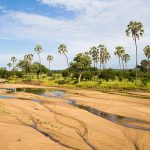
The Great Ruaha River is one of the park’s most important geographical features.
During dry periods, remaining pools and river sections attract animals searching for water.
Elephants, buffaloes and other wildlife may gather around these areas.
Predators may also occur nearby because grazing animals visit the river.
Ancient Baobab Trees
Ruaha is known for its impressive baobab trees.
These large trees stand throughout suitable savannah and woodland habitats.
Their thick trunks and distinctive branches create attractive scenery.
Baobabs also provide food and shelter for different animals.
Miombo Woodlands
Miombo woodland covers substantial areas of Ruaha.
These habitats support a variety of wildlife, including antelopes and birds.
Some animals are difficult to observe because vegetation provides extensive cover.
Rocky Hills and Kopjes
Ruaha contains rocky outcrops and hills that add variety to the landscape.
These formations provide attractive photography opportunities.
Certain wildlife species use rocky areas for shelter and observation.
Wildlife in Ruaha National Park
Ruaha is recognised for its large mammals and predator populations.
Wildlife distribution changes throughout the year according to rainfall, vegetation and water availability.
Common Wildlife in Ruaha
| Animal | General Sighting Expectation | Main Habitat |
|---|---|---|
| African elephants | Frequently encountered | River valleys and woodland |
| African buffaloes | Common in suitable areas | Grassland and river habitats |
| Lions | Possible, but unpredictable | Savannah and riverine areas |
| Giraffes | Regularly encountered | Woodland and open habitats |
| Zebras | Regularly encountered | Grassland |
| Leopards | Difficult to locate | Woodland and rocky areas |
| Cheetahs | Occasional sightings | Open landscapes |
| Spotted hyenas | Possible | Various habitats |
| Greater kudus | Uncommon | Woodland |
| African wild dogs | Difficult to predict | Wide-ranging habitats |
These descriptions are general expectations rather than guarantees.
Elephants in Ruaha National Park
Elephants are among Ruaha’s main wildlife attractions.
The park supports large elephant populations, and visitors may encounter family groups moving through woodlands or approaching water sources.
During the dry season, elephants often visit river habitats.
You may observe feeding, drinking and interactions between adults and younger animals.
Best Places to See Elephants
The Great Ruaha River and surrounding habitats provide good opportunities.
However, elephants move throughout extensive areas of the park.
A professional guide can help locate suitable viewing areas while maintaining safe distances.
Lions and Other Predators
Ruaha is particularly well known for its lions.
The park supports large lion populations, and visitors may encounter individuals or prides resting, travelling or watching prey.
However, lions are not always easy to find.
Leopard Sightings
Leopards inhabit suitable woodland and rocky habitats.
Their solitary behaviour and excellent camouflage make sightings unpredictable.
Cheetahs
Cheetahs may occur in suitable open landscapes.
They are less commonly encountered than many large herbivores.
African Wild Dogs
African wild dogs are among Ruaha’s notable predators.
These endangered animals range across extensive territories.
Sightings are particularly rewarding but cannot be guaranteed.
Antelopes and Other Herbivores
Ruaha supports several antelope species.
Greater kudus are particularly interesting because of the impressive spiral horns carried by mature males.
Sable and roan antelopes also occur in suitable habitats.
Other herbivores include impalas, waterbucks, giraffes, zebras and buffaloes.
Visitors interested in identifying different antelope species may benefit from travelling with a specialist wildlife guide.
Birdwatching in Ruaha National Park
Ruaha is an excellent destination for birdwatching.
More than 570 bird species have been recorded in the park.
Its varied habitats support woodland birds, grassland species, waterbirds and birds of prey.
Birds to Look For
Visitors may encounter:
- Ruaha red-billed hornbills
- Various other hornbill species
- Eagles
- Vultures
- Bee-eaters
- Kingfishers
- Storks
- Herons
- Weavers
- Seasonal migratory birds
The species visible during your visit depend on habitat and season.
Best Time for Birdwatching
Birdwatching is rewarding throughout the year.
The wetter season can provide opportunities to observe seasonal migrants and breeding activity.
Early morning generally offers comfortable temperatures and favourable conditions for photography.
Carry binoculars and consider arranging a specialist guide if birds are your main interest.
Best Time to Visit Ruaha National Park
Ruaha can be visited throughout the year, but conditions vary considerably between seasons.
Ruaha Safari Seasons
| Period | General Conditions | Safari Experience |
|---|---|---|
| January–March | Often wet and green | Birdwatching and dispersed wildlife |
| April–May | Rainfall may continue | Some access routes can be difficult |
| June–August | Increasingly dry | Good wildlife-viewing opportunities |
| September–October | Usually very dry | Wildlife often concentrates near water |
| November–December | Seasonal rains may begin | Changing vegetation and animal movements |
Seasonal patterns vary between years.
Dry Season: June to October
The dry season is generally the preferred period for wildlife viewing.
As water becomes scarce, animals often gather around the Great Ruaha River and other remaining water sources.
Vegetation may become thinner, improving visibility in some areas.
However, the later dry-season months can be hot and dusty.
Carry sufficient drinking water and appropriate sun protection.
Green Season: November to May
Rainfall transforms much of Ruaha into greener landscapes.
Birdwatching can be particularly rewarding.
Wildlife may become more widely dispersed because water is available in additional locations.
Heavy rainfall can also affect road access.
Some accommodation properties may operate seasonally, so confirm availability before booking.
Safari Activities in Ruaha National Park
Wildlife Game Drives
Game drives are the main activity in Ruaha.
Visitors explore designated roads using suitable safari vehicles.
Morning and afternoon drives offer opportunities to observe different animals.
An experienced guide can help identify wildlife and explain behaviour.
Full-Day Game Drives
Full-day excursions allow visitors to explore more of the park.
Your guide may arrange a packed lunch and select routes through different habitats.
This option is particularly suitable for photographers and dedicated wildlife enthusiasts.
Guided Walking Safaris
Authorised walking safaris may be available through approved operators.
These activities focus on smaller details, including tracks, plants and animal behaviour.
Walking safaris require suitable safety arrangements and professional guiding.
Birdwatching Excursions
Visitors interested in birds can arrange specialist excursions where available.
A knowledgeable guide may help identify species and select appropriate habitats.
How Many Days Should You Spend in Ruaha?
Because Ruaha is extensive and relatively remote, spending several days is recommended.
A short visit may allow you to observe common wildlife, but additional days provide more opportunities to explore different habitats.
| Duration | Recommended Experience |
|---|---|
| 2 days | Introduction to the park |
| 3 days | Comfortable wildlife safari |
| 4 days | More varied game drives |
| 5 days or more | Wildlife photography and specialist interests |
Three or four days is a practical choice for many first-time visitors.
Suggested 3-Day Ruaha Safari
Day 1: Arrival and Afternoon Game Drive
Arrive in Ruaha by road or domestic flight.
Meet your guide and transfer to your accommodation.
Depending on arrival time, enjoy an afternoon game drive.
Explore suitable river or woodland habitats while looking for elephants, giraffes and other animals.
Return to your lodge for dinner.
Day 2: Full-Day Wildlife Safari
Begin with an early breakfast or packed morning meal.
Explore the Great Ruaha River and surrounding landscapes.
Look for elephants, buffaloes, lions and birds.
Enjoy lunch at a designated location before continuing your game drive.
Return to your accommodation in the evening.
Day 3: Morning Game Drive and Departure
Enjoy a final morning wildlife excursion if your schedule allows.
After breakfast, prepare for your road transfer or domestic flight.
Allow sufficient time for your onward connections.
Where to Stay in Ruaha National Park
Accommodation includes safari lodges, tented camps and designated camping areas.
Some properties are located inside the park, while others operate near its boundaries.
Accommodation Options
| Accommodation Type | Suitable For | Main Advantage |
|---|---|---|
| Luxury safari lodges | Luxury travellers | Comfortable facilities |
| Tented safari camps | Wildlife enthusiasts | Nature-focused accommodation |
| Mid-range safari camps | Couples and small groups | Balanced comfort and cost |
| Campsites | Budget travellers | Basic outdoor accommodation |
Staying Inside the Park
Accommodation inside Ruaha can reduce travel time between your room and wildlife-viewing areas.
Some camps are positioned near rivers or attractive landscapes.
However, prices and operating seasons vary.
Choosing the Right Location
Ruaha is a large park, so accommodation location matters.
Ask how far your chosen property is from the areas you want to explore.
A lodge may be inside the park but still require long drives to reach particular wildlife habitats.
Ruaha National Park Entrance Fees
Entrance fees depend on nationality or residency category, age and the applicable Tanzania National Parks tariff.
Additional charges may apply for vehicles, accommodation, camping or specialist activities.
Confirm current official rates before travelling.
If you book through a safari operator, request a detailed quotation.
What to Pack for Ruaha
Ruaha can be hot and dry during certain months.
You should pack practical clothing and essential safari equipment.
Recommended items include:
- Lightweight shirts and trousers
- Comfortable walking shoes
- Warm jacket for cool mornings
- Sun hat
- Sunglasses
- Sunscreen
- Insect repellent
- Binoculars
- Camera
- Drinking water
- Personal medication
Neutral-coloured clothing is practical for wildlife activities.
Practical Ruaha Safari Tips
Plan Transport Carefully
Ruaha is more remote than many northern Tanzania destinations.
Confirm flight connections or road arrangements before finalising accommodation.
Allow Enough Safari Time
Avoid rushing your visit.
Several game drives provide more opportunities to explore different habitats.
Respect Wildlife
Remain inside your vehicle unless your guide confirms that stopping or exiting is permitted.
Never approach elephants or predators for photographs.
Book Accommodation Early
Some camps have limited capacity, particularly during popular dry-season months.
Confirm availability well before travelling.
Combining Ruaha With Other Tanzania Destinations
Ruaha forms part of Tanzania’s southern safari circuit.
It can be combined with Mikumi National Park for additional wildlife viewing.
Nyerere National Park offers different landscapes and opportunities for safari activities.
Travellers interested in hiking and forest environments may also consider Udzungwa Mountains National Park.
Because distances can be substantial, plan a realistic itinerary and allow sufficient travel time.
Frequently Asked Questions About Ruaha National Park
Is Ruaha National Park Worth Visiting?
Yes. Ruaha is particularly suitable for visitors interested in large wilderness landscapes, elephants, predators and quieter safari experiences.
What Animals Can You See in Ruaha?
Visitors may see elephants, lions, buffaloes, giraffes, zebras, antelopes, hyenas and numerous bird species.
Can You See African Wild Dogs?
African wild dogs occur in Ruaha, but sightings are unpredictable because they move across extensive areas.
What Is the Best Month to Visit Ruaha?
The main dry season, particularly July to October, often provides strong wildlife-viewing opportunities.
How Many Days Are Enough for Ruaha?
Three or four days is a comfortable duration for many visitors.
Is Ruaha Better Than Serengeti?
Both parks offer different experiences. Ruaha suits travellers seeking extensive wilderness and relatively quiet game drives, while Serengeti is famous for its open plains and major wildlife populations.
Ruaha National Park is an excellent safari destination for travellers who want to experience Tanzania’s extensive wilderness landscapes and varied wildlife.
Its rivers, ancient baobab trees, rocky hills and miombo woodlands support elephants, lions, antelopes and numerous bird species.
The dry season often provides strong wildlife-viewing opportunities, while wetter months bring greener scenery and rewarding birdwatching.
For a comfortable safari, spend at least three days exploring Ruaha and choose accommodation that suits your preferred activities and travel arrangements.