Safari Blue in Zanzibar: What the Day Trip Includes
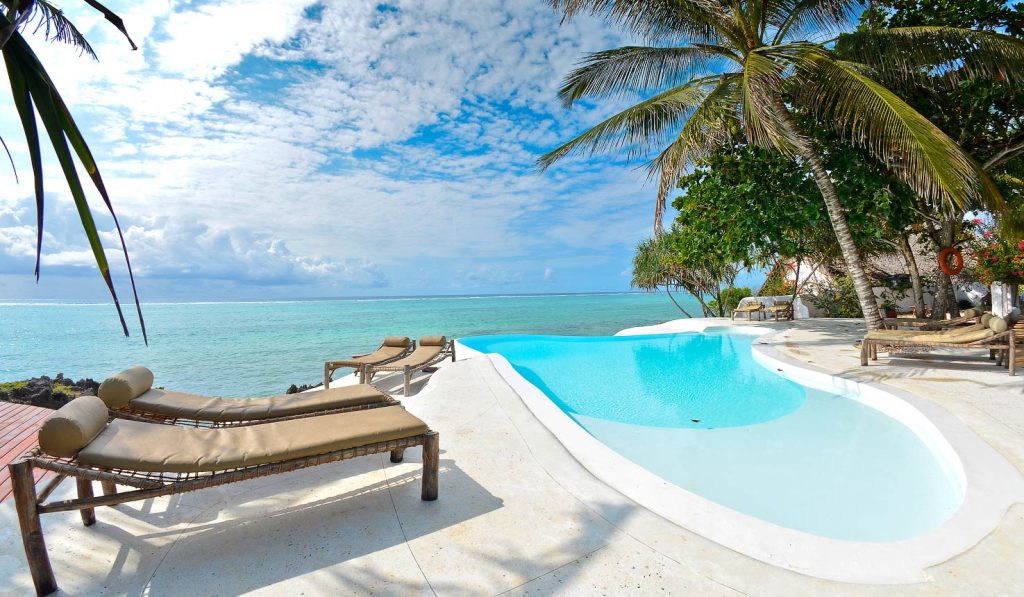
Safari Blue is one of Zanzibar’s most popular full-day marine excursions. The experience combines traditional dhow sailing, snorkelling, swimming, sandy islands and freshly prepared seafood in the beautiful waters of Menai Bay.
A Safari Blue Zanzibar day trip is suitable for travellers who want to explore the Indian Ocean beyond Zanzibar’s beaches.
Most excursions begin at Fumba, a coastal village southwest of Stone Town. Visitors travel aboard traditional wooden boats before stopping at selected snorkelling areas, sandbanks and Kwale Island.
The day generally includes opportunities to swim, observe tropical marine life and enjoy a relaxed lunch beside the ocean.
However, tour programmes vary between providers. The original Safari Blue operator offers a specific organised experience, while other companies advertise similar Menai Bay excursions.
This guide explains what is usually included, how the itinerary works and what to check before booking.
What Is Safari Blue?
Safari Blue is a traditional sailing and marine excursion operating around Zanzibar’s Menai Bay Conservation Area.
The original Safari Blue experience began operating in 1995 and uses traditional wooden dhows to explore the protected coastal environment.
The company holds the rights to the Safari Blue name.
However, many local tour operators advertise similar sailing trips under descriptions such as Safari Blue tours.
These excursions may differ in price, food quality, equipment, passenger numbers and included services.
Before booking, confirm which operator will actually provide your trip.
Where Does Safari Blue Take Place?
Safari Blue excursions generally depart from Fumba village on Zanzibar’s southwestern coast.
Fumba is located approximately 30 to 40 minutes by road from Stone Town, depending on traffic and your departure point.
The boat journey explores parts of Menai Bay, a marine conservation area containing coral reefs, mangroves, sandbanks and islands.
The region supports tropical fish and other marine species.
Its sheltered coastal environment provides attractive settings for swimming, snorkelling and sailing.
Kwale Island is among the best-known stops on the excursion.
What Does a Safari Blue Zanzibar Day Trip Include?
A typical full-day excursion combines several activities.
1. Traditional Dhow Sailing
The experience usually begins aboard a traditional wooden dhow.
These boats have long been associated with transport, fishing and trade along the East African coast.
Modern tourism dhows may use sails alongside engines when necessary.
As you travel through Menai Bay, you can enjoy views of the coastline, small islands and open water.
The crew normally provides information about the excursion and basic safety procedures.
2. Snorkelling Around Coral Reefs
Snorkelling is one of the main Safari Blue activities.
The boat stops near suitable reef areas where guests can enter the water and observe marine life.
You may encounter colourful tropical fish and different coral formations.
However, visibility and wildlife activity depend on weather, tides and sea conditions.
Guides usually explain where to swim and how to use snorkelling equipment safely.
3. Visiting a Sandbank
Many Safari Blue excursions include a stop at a temporary sandbank.
These sandy areas become visible during suitable tidal conditions.
Visitors may relax, take photographs or swim nearby when conditions permit.
Because sandbanks change with the tides, their appearance and accessibility vary.
Your captain should decide whether stopping is appropriate.
4. Swimming in a Lagoon
Some itineraries include swimming in a sheltered lagoon near Kwale Island.
The water may be relatively calm, depending on weather and tidal conditions.
This provides another opportunity to enjoy the coastal scenery.
However, not every operator includes the same lagoon stop.
Confirm the programme before booking.
5. Seafood Lunch on Kwale Island
Lunch is a major part of the traditional Safari Blue experience.
Many excursions serve freshly prepared seafood on Kwale Island.
Depending on the operator and available ingredients, meals may include:
- Grilled fish
- Prawns
- Calamari
- Rice
- Vegetable dishes
- Fresh tropical fruit
Some providers also offer chicken or vegetarian alternatives.
If you have allergies or dietary restrictions, notify your operator before travelling.
Do not assume that every seafood item advertised will be available on your departure date.
6. Drinks and Refreshments
Many full-day packages include drinking water, soft drinks and tropical fruit.
Some operators also provide selected alcoholic beverages.
However, included drinks differ between companies.
Ask whether beverages are complimentary throughout the excursion or limited to particular stops.
Typical Safari Blue Day Trip Itinerary
The following programme shows how a full-day excursion may operate.
| Time | Activity |
|---|---|
| 8:00 am | Hotel pickup, depending on location |
| 9:00 am | Arrival at Fumba and safety briefing |
| 9:30 am | Dhow departure into Menai Bay |
| 10:30 am | Snorkelling and marine exploration |
| 11:30 am | Sandbank visit and relaxation |
| 1:00 pm | Seafood lunch on Kwale Island |
| 2:30 pm | Swimming or additional island activities |
| 3:30 pm | Return boat journey |
| 4:30 pm | Arrival at Fumba and onward transfer |
These times are illustrative.
Actual departure times and activities depend on tides, weather and operator arrangements.
Marine Life You May Encounter
Menai Bay supports different tropical marine species.
During snorkelling, visitors may observe reef fish such as parrotfish, butterflyfish and other small species.
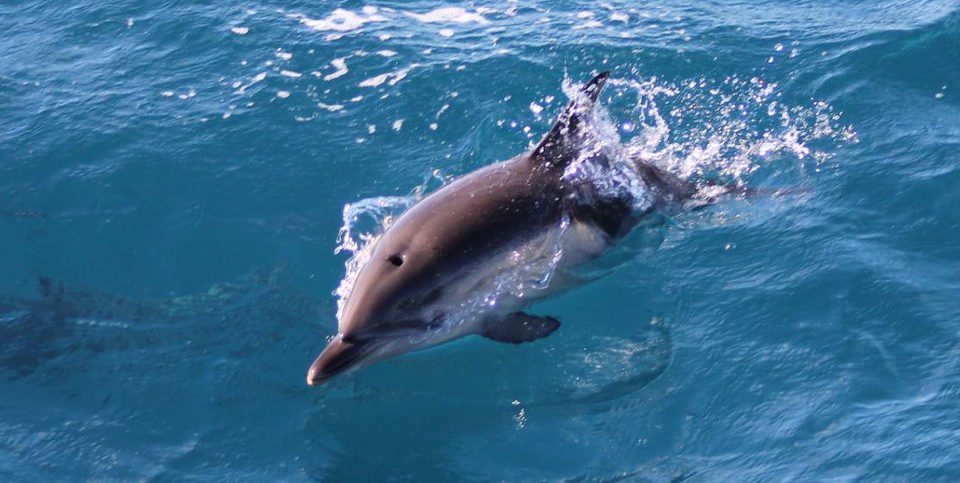
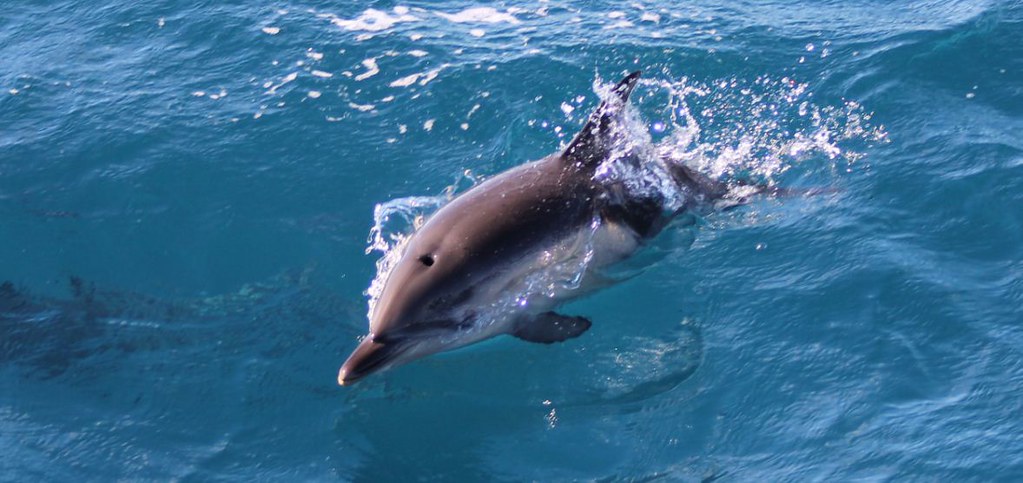
Dolphins are sometimes seen in the wider bay.
However, sightings are never guaranteed.
Responsible operators should avoid chasing dolphins or disturbing their natural activities.
Coral reefs are also sensitive environments.
Never stand on coral, remove marine organisms or feed fish.
How Much Does Safari Blue Cost?
Prices vary depending on the operator, group size and included services.
The original Safari Blue experience may cost more than some independently operated excursions.
As a broad planning estimate, full-day shared excursions may range from approximately USD 40 to 100 per adult.
Private boat arrangements generally cost more.
These are indicative figures rather than confirmed quotations.
Before paying, ask whether the advertised price includes:
- Hotel transfers
- Return dhow transport
- Snorkelling equipment
- Professional guides
- Lunch
- Drinking water
- Marine conservation charges
- Applicable taxes
A cheaper excursion may exclude services provided in a higher-priced package.
Compare the complete offer before choosing.
Shared Tours vs Private Safari Blue Trips
Shared excursions allow several travellers to use the same dhow.
They are usually more affordable and provide opportunities to meet other visitors.
However, the programme follows a fixed schedule.
Private trips offer greater privacy and may provide more flexible arrangements.
They are suitable for families, couples and small groups.
Nevertheless, even private excursions must follow marine regulations and weather-related safety decisions.
Is Safari Blue Suitable for Families?
Safari Blue can be enjoyable for families, particularly those with older children who are comfortable travelling by boat.
However, suitability depends on children’s ages, swimming abilities and sea conditions.
Before booking, ask whether the operator supplies correctly sized life jackets.
Children should remain under adult supervision throughout the excursion.
Families with very young children may prefer a shorter private trip.
What Should You Bring?
Pack lightly because boat space may be limited.
Useful items include:
- Swimwear
- Towel
- Sun hat
- Sunglasses
- Sun-protective clothing
- Waterproof bag
- Personal medication
- Small amount of cash
- Camera
Avoid taking valuable items that could be damaged by water.
Use appropriate sun protection and drink enough water throughout the day.
Safety During Safari Blue Excursions
Your safety depends on the operator, boat condition and weather.
Before departure, confirm that suitable life jackets are available.
Listen carefully to the crew’s instructions.
Avoid swimming alone or entering unfamiliar water without guidance.
Inform your guide if you cannot swim confidently.
Do not stand on the boat’s edges or move suddenly while travelling.
Responsible operators should adjust or cancel excursions when sea conditions become unsafe.
Best Time for Safari Blue in Zanzibar
Safari Blue excursions operate during much of the year, weather permitting.
The June to October period is generally popular because Zanzibar often experiences lower rainfall.
December to February can also provide enjoyable beach weather.
However, wind, tides and rainfall affect individual departure days.
The main rainy season usually occurs around March to May.
Your operator should confirm whether conditions are suitable before the trip.
Frequently Asked Questions
Is Safari Blue a full-day excursion?
Yes. Most traditional programmes occupy much of the day, although actual durations vary between operators.
Does Safari Blue include snorkelling equipment?
The original experience and many comparable tours include equipment. Confirm what your particular booking provides.
Can non-swimmers join Safari Blue?
Yes, depending on the operator and conditions. Non-swimmers can enjoy sailing and island activities but should avoid entering deep water.
Are dolphins guaranteed?
No. Dolphins are wild animals, and sightings depend on their movements.
Is lunch included?
Lunch is generally included in full-day packages, but menus and dietary arrangements vary.
Safari Blue offers an enjoyable way to explore Zanzibar’s southwestern marine environment.
The excursion usually combines traditional dhow sailing, snorkelling, sandbank visits, swimming and a seafood lunch on Kwale Island.
Before booking, compare operators carefully and confirm all inclusions.
Choose a provider that follows appropriate marine safety and wildlife protection practices.
With suitable weather and clear arrangements, Safari Blue can become a memorable part of your Zanzibar holiday.