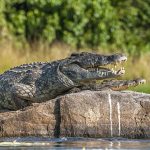
Hippos on Safari: Behavior, Danger, and Best Viewing Spots
Watching hippos on safari is one of the most fascinating wildlife experiences in East Africa. These enormous mammals spend much of their time resting in rivers, lakes and freshwater pools, often gathering in groups while making loud grunting sounds. Despite their seemingly relaxed appearance, hippos are powerful, unpredictable animals that require considerable caution.
The common hippopotamus (Hippopotamus amphibius) is one of Africa’s largest land mammals. Adult males commonly weigh between 1,500 and 1,800 kilograms, while exceptionally large individuals can weigh considerably more. Their enormous mouths, powerful jaws and territorial behaviour make them potentially dangerous when disturbed.
Hippos are widespread across suitable freshwater habitats in Uganda, Kenya, Tanzania and Rwanda. Popular viewing destinations include the Kazinga Channel, Murchison Falls National Park, Lake Naivasha and Serengeti National Park.
Understanding hippo behaviour helps travellers recognise warning signs, appreciate their social interactions and observe them responsibly.
Understanding Hippo Behavior in the Wild
Hippos are semi-aquatic mammals that depend on freshwater habitats for much of their daily activities.
They generally spend daylight hours resting in water or mud, which helps protect their sensitive skin from excessive heat and drying.
During cooler periods, particularly at night, many hippos leave the water to graze on surrounding grasslands.
However, their daily routines vary with temperature, habitat and human disturbance.
Common Hippo Behaviours
| Behaviour | What You May Observe | Possible Explanation |
|---|---|---|
| Resting in water | Groups partly submerged | Cooling and resting |
| Yawning | Mouth opened widely | Social display or natural movement |
| Grunting | Loud calls between individuals | Communication |
| Dung spreading | Tail scattering dung | Territorial signalling |
| Grazing | Walking through grassland | Feeding |
| Chasing | One hippo pursuing another | Competition or aggression |
| Diving | Disappearing beneath water | Movement or avoiding disturbance |
Observing these behaviours from a safe distance can reveal important aspects of hippo social life.
1. Why Do Hippos Spend So Much Time in Water?
Hippos depend heavily on water because their skin is vulnerable to prolonged exposure to heat and direct sunlight.
Although they produce specialised skin secretions that offer some protection, they still require access to suitable aquatic habitats.
Water supports their enormous body weight and helps regulate temperature.
Can Hippos Swim?
Hippos are well adapted to moving through water, but they generally propel themselves along the bottom rather than swimming continuously like many aquatic mammals.
They can move through shallow water with surprising speed.
Their eyes, ears and nostrils are positioned high on the head, allowing them to remain mostly submerged while monitoring their surroundings.
Hippos can also close their nostrils when underwater.
How Long Can Hippos Stay Underwater?
Adult hippos can typically remain submerged for several minutes before surfacing to breathe.
They may rise briefly, breathe and submerge again without moving far.
During a boat safari, watch for ripples and bubbles that may indicate an animal approaching the surface.
Never assume that apparently empty water is free of hippos.
2. Hippo Social Structure and Group Behaviour
Hippos often gather in groups commonly called pods or schools.
Group sizes vary considerably depending on habitat, water availability and population density.
A group may include females, calves, subordinate males and a dominant breeding male.
How Hippo Groups Are Organised
Dominant males defend suitable sections of aquatic habitat against competing bulls.
Other males may remain nearby if they behave submissively.
However, conflicts sometimes develop when individuals challenge established dominance.
During dry periods, shrinking water sources can bring more animals into close contact, increasing competition.
How Hippos Communicate
Hippos produce loud grunts, wheezes, honks and other vocalisations.
Their distinctive wheeze-honk calls can travel across water and help individuals communicate.
You may hear several animals responding to one another from different parts of a river.
Hippos also use physical displays and scent-related signals during social interactions.
3. Why Are Hippos Considered Dangerous?
Hippos can be extremely dangerous when people approach too closely or interfere with their movements.
Their substantial size, powerful jaws and ability to move quickly over short distances make unexpected encounters particularly hazardous.
Aggression may occur when a hippo feels threatened, protects its calf or defends an aquatic territory.
Common Causes of Dangerous Encounters
Potentially dangerous situations include:
-
Approaching hippos too closely on foot.
-
Positioning a boat near a submerged animal.
-
Blocking a hippo’s route between water and grazing areas.
-
Approaching a mother with a young calf.
-
Disturbing territorial males.
-
Encountering grazing hippos after dark.
Hippos may react quickly when surprised.
Never rely on their apparently calm behaviour as proof that approaching them is safe.
Warning Signs of Hippo Aggression
A disturbed hippo may display several behaviours.
These include opening its mouth widely, making forceful vocalisations, lunging or moving directly towards a perceived threat.
However, mouth opening alone does not establish aggressive intent.
The safest response is to maintain distance and follow instructions from an experienced guide.
4. Understanding Hippo Yawning and Territorial Displays
One of the most impressive sights during a safari is a hippo opening its enormous mouth.
Its jaws expose large canine teeth that can cause severe injuries during confrontations.
Although visitors commonly describe this behaviour as yawning, wide mouth opening can serve different purposes.
Why Do Hippos Open Their Mouths?
A wide gape may occur during:
-
Territorial displays.
-
Confrontations between males.
-
Social interactions.
-
Ordinary stretching or yawning.
-
Responses to nearby disturbances.
A dominant bull may display its teeth while confronting another male.
However, observers should consider the complete situation before interpreting the behaviour.
Do Hippos Fight Each Other?
Yes. Adult males sometimes engage in serious confrontations over access to breeding territories.
Their fights may involve biting, pushing and forceful movements.
These encounters can cause severe injuries.
Visitors should never encourage confrontations or approach fighting animals.
5. Hippo Feeding Habits and Night-Time Activity
Despite their intimidating teeth, hippos primarily feed on vegetation.
Their main food consists of grasses growing around rivers, lakes and floodplains.
They generally leave water during cooler hours to search for suitable grazing areas.
How Much Do Hippos Eat?
An adult hippo may consume approximately 30–40 kilograms of vegetation during a night, although intake varies with body size and environmental conditions.
Hippos use their broad lips to gather grass.
Their large canine teeth are mainly associated with fighting rather than cutting vegetation.
Why Are Night Encounters Dangerous?
Hippos sometimes travel several kilometres between water and feeding grounds.
Travellers staying near rivers or lakes should exercise particular caution after sunset.
Never walk between accommodation facilities and nearby water without following local safety guidance.
Where lodges provide escorts, always use them.
6. Hippo Mothers and Calves
Female hippos develop close relationships with their calves.
Young hippos depend on their mothers for nourishment, protection and guidance.
Calves can enter the water shortly after birth and remain near their mothers during early development.
How Mothers Protect Their Young
Female hippos may position themselves close to calves and respond aggressively when they perceive danger.
Young animals often rest near adults in shallow water.
Calves may also accompany their mothers during feeding movements.
What Should Safari Visitors Avoid?
Never attempt to approach a calf for photographs.
A mother may react defensively even when the calf appears relaxed.
Maintain a generous distance and allow the animals to move naturally.
7. Best Places to See Hippos on Safari in East Africa
Several East African destinations offer excellent opportunities to observe hippos in suitable freshwater habitats.
| Destination | Country | Main Viewing Experience |
|---|---|---|
| Kazinga Channel | Uganda | Boat safaris and large hippo groups |
| Murchison Falls National Park | Uganda | Nile boat cruises |
| Lake Mburo National Park | Uganda | Lake-based wildlife viewing |
| Lake Naivasha | Kenya | Guided boat excursions |
| Maasai Mara National Reserve | Kenya | Riverbank game viewing |
| Serengeti National Park | Tanzania | Hippo pools and river habitats |
| Akagera National Park | Rwanda | Lake Ihema boat safaris |
Each destination offers different landscapes and opportunities to observe natural behaviour.
8. Kazinga Channel, Queen Elizabeth National Park, Uganda
The Kazinga Channel is among Uganda’s leading destinations for observing hippos.
This natural waterway connects Lake Edward and Lake George within Queen Elizabeth National Park.
Large groups of hippos occupy sections of the channel, making boat cruises particularly rewarding.
What Can You See?
During a guided boat safari, visitors may observe:
-
Hippos resting in shallow water.
-
Groups communicating through loud calls.
-
Young calves staying near adults.
-
Hippos emerging along riverbanks.
-
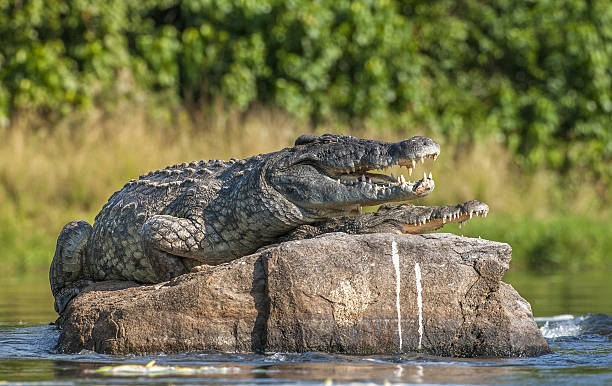
Crocodiles and numerous waterbirds.
Elephants and buffaloes may also approach the channel to drink.
The Kazinga Channel is particularly attractive for wildlife photography because visitors can observe several species during one boat excursion.
9. Murchison Falls National Park, Uganda
Murchison Falls National Park offers another memorable hippo-viewing experience.
The Victoria Nile flows through the park, providing extensive aquatic habitat.
Boat trips towards Murchison Falls frequently pass groups of hippos resting near riverbanks.
Best Viewing Experiences
Guided Nile cruises allow visitors to observe hippos while enjoying sightings of crocodiles, elephants and waterbirds.
The surrounding savannah also supports giraffes, lions, buffaloes and numerous antelope species.
Hippo encounters are generally best enjoyed from professionally operated boats that maintain appropriate distances.
Visitors can combine boat excursions with morning game drives and visits to the waterfall viewpoints.
10. Lake Naivasha, Kenya
Lake Naivasha is a freshwater lake within Kenya’s Great Rift Valley.
It supports hippos, waterbirds and numerous other wildlife species.
Guided boat excursions provide opportunities to observe hippos in their natural environment.
Important Safety Considerations
Hippos may emerge onto surrounding land after sunset.
Visitors staying near the shoreline should avoid walking close to water at night.
Always use authorised guides and follow local restrictions.
Water levels can also influence hippo movements and the locations where people encounter them.
Lake Naivasha is particularly suitable for travellers combining wildlife viewing with other attractions in Kenya’s Rift Valley.
11. Serengeti National Park, Tanzania
Serengeti National Park contains rivers and pools that support resident hippo populations.
One particularly well-known viewing location is the Retima Hippo Pool in central Serengeti.
What Makes Retima Special?
The pool lies near the meeting of the Seronera and Orangi rivers and can contain substantial numbers of hippos.
Visitors may observe crowded groups, social interactions and occasional territorial disputes.
The surrounding area also provides opportunities to see other Serengeti wildlife.
Always remain within designated visitor areas and follow park instructions.
The central Serengeti is a convenient destination for travellers interested in combining hippo viewing with big cat safaris.
12. Akagera National Park, Rwanda
Akagera National Park contains an extensive network of lakes, wetlands and savannah habitats.
Lake Ihema is particularly suitable for viewing hippos during organised boat excursions.
Wildlife Around Lake Ihema
Visitors may encounter hippos, crocodiles, fish eagles and other waterbirds.
Elephants and buffaloes sometimes appear along suitable shorelines.
Akagera is an excellent addition to a Rwanda safari, particularly for travellers combining savannah wildlife viewing with mountain gorilla trekking.
The park’s lakes and wetlands also provide rewarding birdwatching opportunities throughout the year.
Best Time to See Hippos on Safari
Hippos can be observed throughout the year wherever suitable water remains available.
However, weather conditions can influence their movements and visibility.
| Time or Season | Typical Activity | Viewing Advice |
|---|---|---|
| Early morning | Returning from grazing or resting | Watch shorelines |
| Midday | Resting in water | Choose a guided boat safari |
| Late afternoon | Increased movement in some areas | Observe from safe viewpoints |
| Night | Grazing on land | Avoid unguided walking |
| Dry season | Concentration around permanent water | Explore established water sources |
Daytime boat cruises generally provide convenient opportunities to observe groups resting in water.
Practical Safety Tips for Hippo Viewing
Hippo viewing should always prioritise safety.
Follow these precautions:
-
Maintain a safe distance from hippos on land and in water.
-
Never position yourself between a hippo and its water source.
-
Avoid approaching mothers with calves.
-
Use experienced guides for boat activities.
-
Never swim in water inhabited by hippos.
-
Avoid walking along unfamiliar shorelines after dark.
-
Do not feed, provoke or disturb wildlife.
-
Follow park regulations and lodge safety instructions.
If you encounter a hippo unexpectedly, avoid approaching or blocking its movement. Follow your guide’s directions and retreat carefully when safe.
Frequently Asked Questions About Hippos on Safari
Are hippos more dangerous than lions?
Both animals can be extremely dangerous. Their behaviour and the circumstances of an encounter determine the risks.
Can hippos run fast?
Yes. Despite their enormous size, hippos can move surprisingly quickly over short distances.
Do hippos eat meat?
Hippos primarily eat vegetation, although occasional consumption of animal material has been documented.
Can hippos attack boats?
Yes. Hippos may attack boats when disturbed or threatened. Guided excursions should maintain appropriate distances.
Where can you see the most hippos in Uganda?
Queen Elizabeth National Park’s Kazinga Channel and the Victoria Nile in Murchison Falls National Park are particularly rewarding destinations.
Do hippos sleep underwater?
Hippos can rest while submerged and surface periodically to breathe. Their resting behaviour is adapted to aquatic environments.
Are hippos active during the day?
Yes. Hippos may move, communicate and interact throughout the day, although they generally spend considerable time resting in water.
What is the best way to photograph hippos?
A guided boat safari or designated observation point provides opportunities to photograph hippos while maintaining an appropriate distance.
Watching hippos on safari offers an opportunity to understand one of Africa’s most powerful and fascinating mammals.
Their social interactions, territorial displays, feeding movements and close relationships with calves make them rewarding animals to observe.
The Kazinga Channel, Murchison Falls, Lake Naivasha, Serengeti and Akagera are among East Africa’s leading viewing destinations.
However, hippos remain potentially dangerous wild animals.
By choosing experienced guides, maintaining appropriate distances and following wildlife safety regulations, travellers can enjoy memorable hippo encounters while respecting the animals and their habitats.