
Best East Africa Safari Itinerary for Families With Young Children
For most families with young children, the best East Africa safari itinerary is a seven-day Kenya trip with Nairobi, two nights at Lake Naivasha, two nights near Lake Nakuru and a final night in Nairobi. It gives you short game drives, a lakeside rest day and a chance to see rhinos, without making your children sit through a long transfer every morning.
This itinerary is designed for families with toddlers and primary-school children. It deliberately leaves out the Maasai Mara. The Mara is worth visiting, but the longer road journey changes the pace of a one-week family trip. If the Mara is the place you most want to see, replace one of the lakes or add nights. Don’t squeeze it into the final two days.
The most important booking decision is the vehicle. A family lodge won’t solve much if the vehicle can’t take your child’s car seat or if your shared drive has a fixed return time. Confirm how your children will travel and whether you can end a drive early before you pay a deposit.
Best East Africa safari itinerary for young children at a glance
| Day | Destination | Main plan | Overnight |
|---|---|---|---|
| 1 | Nairobi | Arrive, eat and settle in | Nairobi |
| 2 | Nairobi to Lake Naivasha | Optional short Nairobi National Park drive if everyone is rested, then transfer | Lake Naivasha |
| 3 | Lake Naivasha | One optional outing and a free afternoon | Lake Naivasha |
| 4 | Lake Naivasha to Lake Nakuru | Transfer after breakfast and settle in | Nakuru area |
| 5 | Lake Nakuru National Park | Short rhino-focused game drive, with a second outing only if it suits the family | Nakuru area |
| 6 | Lake Nakuru to Nairobi | Return in daylight and stay near your departure airport | Nairobi |
| 7 | Nairobi | Breakfast and airport transfer | Onward travel |
This is a seven-day, six-night trip that includes your arrival and departure days. It works without the optional Nairobi drive or Naivasha outing. That’s useful with young children. A poor night’s sleep or a cancelled boat trip shouldn’t mean you’ve missed the only wildlife activity on the itinerary.
Day 1 — Arrive in Nairobi and do very little
Book a transfer that can take your luggage and each child’s restraint. Ask the driver to allow enough time for you to install and check the seat before leaving the airport. If the operator is supplying a seat, confirm the type, size range and installation method in advance. Also confirm what happens if a different vehicle turns up.
Once you reach the hotel, keep the afternoon simple. A meal, a chance to move around and an early night are enough. Find out when breakfast starts, whether the hotel can serve something earlier if needed and where you can get drinking water for the next day. Don’t promise a game drive on arrival day. If your flight is delayed or the children are tired, you’ll be glad there’s nothing left to get to.
Day 2 — Choose a short Nairobi game drive or go straight to Naivasha
If everyone slept well and the timing suits you, try a short morning drive in Nairobi National Park. Agree on when you’ll leave before you enter. With younger children, an outing of roughly one to two hours can be a useful starting point, provided the route allows it. You can end the drive while they’re still interested rather than waiting until they’ve had enough.
If Day 1 was tiring, drive straight to Lake Naivasha. Give your driver a preferred time for a rest stop, and ask where it’s possible to stop safely if someone needs the toilet sooner. Keep a spare change of clothes, wipes, water and familiar snacks in the vehicle rather than at the bottom of a packed case.
At the lodge, walk the route between your room and the dining area with staff. Ask whether children need an escort after dark and what rules apply around the shoreline. Don’t let children approach the lake or wander outdoors on their own. Pick a place to play that staff identify as suitable, and keep children under close supervision around water.
Day 3 — Spend a slow day at Lake Naivasha
Today is for whatever your family has the energy to do. A short guided boat trip can be enjoyable if the operator accepts your children’s ages, conditions are suitable and everyone has a correctly fitted life jacket. Ask about those points before paying. If a jacket doesn’t fit your child, or if the operator can’t confirm one in advance, plan a shore-based activity instead. An adult should supervise children closely throughout the outing.
If you skip the boat, spend time watching birds from a safe viewing area at the lodge. Give children something specific to look for, such as two birds with different beaks or a bird carrying food. You don’t need to identify every species. The point is to give them time to notice what’s happening without having to stay still in a vehicle.
Keep the afternoon free for a nap, lunch or supervised play. If you have an older child who wants to visit Hell’s Gate, check the activity rules, route and equipment before making it a family outing. You don’t need to add cycling or a walk to justify the Naivasha stop. A day with no packing and no long drive is part of what makes the week work.
Day 4 — Transfer to Lake Nakuru without rushing
Have breakfast at your usual time and then drive to your lodge in the Lake Nakuru area. Ask for a lodge-to-lodge estimate. The drive between towns is only part of the journey if your accommodation is beyond a park gate or along a slower access road.
Choose accommodation for convenience as well as price. A family room that’s an easy walk from meals may be more useful than a bigger room farther away. If you’re staying outside the park, ask how long it takes to get from the lodge to the viewing tracks. A short game drive is harder to arrange if you spend much of the morning getting to the gate and back.
Leave the afternoon free. If everyone is keen and your park entry arrangements make sense, you can consider a short outing. Otherwise, use the time to settle in and tell your guide how the first few days have gone. If your youngest usually needs lunch by noon or gets restless after an hour, say so. That helps the guide choose a route with an easy return.
Day 5 — Look for rhinos at Lake Nakuru
Lake Nakuru National Park is a good place for a first substantial game drive. It’s a sanctuary for black and white rhinos, though a sighting is never guaranteed. The park also gives you other things to look for if rhinos are distant or out of view. Children can watch birds at the lake or see what turns up as you move between open grassland and woodland.
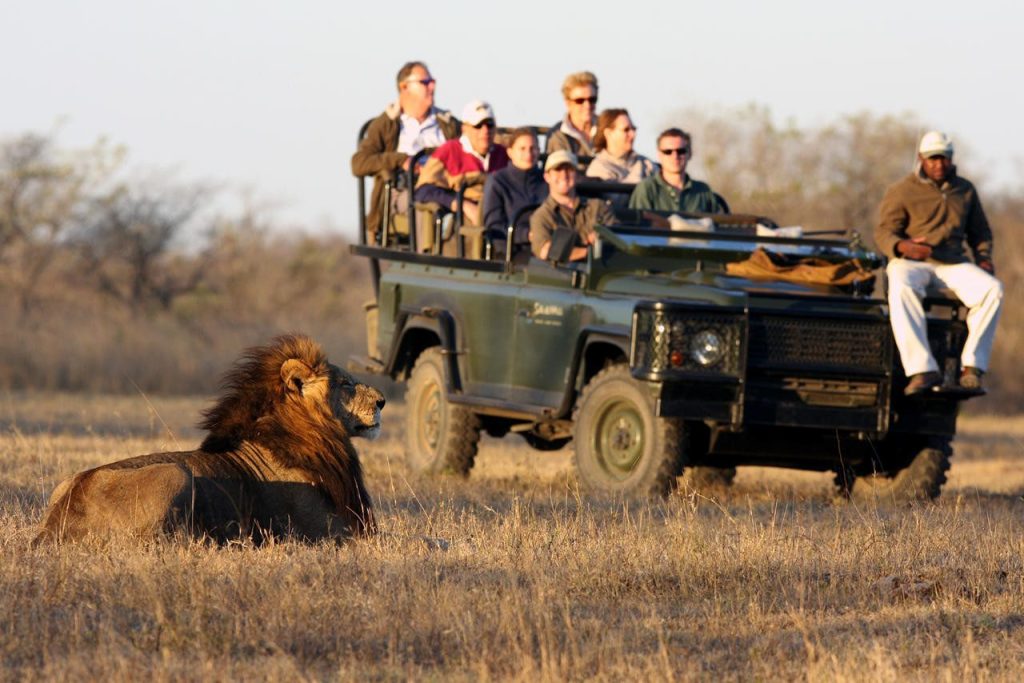
For this itinerary, I’d start with a two-hour morning drive and keep longer outings optional. Tell your guide you’d prefer a route that allows an early return. If you’re using a pop-top vehicle, ask how the roof will be used and when children must stay seated. Children should ride in an appropriate restraint or seat belt for their size and age. A better view is never a reason to hold a child on your lap while the vehicle is moving.
After lunch, decide whether a second drive is worth it. If the children are engaged and the extra outing fits your entry arrangements, go back out. If they’re tired, stop. One good morning watching a rhino feed or a group of birds at the water’s edge is enough. You don’t have to fill the afternoon simply because the vehicle is available.
Days 6 and 7 — Return to Nairobi before your flight
Use Day 6 for the drive back to Nairobi. If you want one last outing, keep it short and only do it if there’s ample time to reach the hotel. An overnight near the airport gives you room for traffic, a slower lunch stop or a delayed departure from Nakuru.
On Day 7, keep snacks, water, essential medication and a change of clothes accessible for the airport. Confirm the terminal and check-in deadline with your airline. If the driver or vehicle changes for this last transfer, reconfirm the child restraint arrangements. It’s easy to check the main safari vehicle and overlook the two short airport journeys.
What to confirm before booking a family safari
Check the vehicle and age rules in writing
Give the operator each child’s age, height and weight where needed to confirm a suitable restraint. Ask for photos or details of the actual vehicle’s seating and the seat belts or anchor points needed for installation. Do this for airport transfers and lodge vehicles as well as the main safari vehicle. If you’re taking a domestic flight, check whether the airline can carry your child seat and how it counts towards baggage.
Ask separately about lodge admission, shared game drives and optional activities. A property may welcome young children while restricting them on shared drives, walks or boat trips. If your budget allows, a private vehicle can make it easier to start later, shorten outings and return for meals. It doesn’t remove park rules or replace a properly fitted restraint.
Choose a lodge that suits your ordinary routine
Ask whether everyone can sleep in one room or in connecting rooms, when dinner is served and whether staff can prepare a simple meal earlier. Confirm cot availability if you need one. If there’s a pool, ask how it’s separated from guest areas. If it’s an unfenced camp, ask about escorts and where children can play. Don’t assume that a family room means the whole property is set up for toddlers.
Arrange a pre-travel appointment with your child’s clinician or a travel health clinic. Share your exact itinerary, including any beach extension or overnight stop, so they can advise on vaccines, malaria prevention and what to carry. Ask your operator which clinic they would use from each lodge and how they would arrange transport if your child needed care. Have that discussion before choosing accommodation, particularly for a child with a condition that may need prompt attention.
When to adjust the route for your family
| If your family wants… | Make this change |
|---|---|
| The Maasai Mara is a must | Replace one lake with the Mara and give the reserve at least three nights if you can. Add a day if the new route leaves too little time for transfers. |
| Less time in the car | Choose one lake as your main base and keep the Nairobi park outing optional. |
| Uganda instead of Kenya | Build the trip around Lake Mburo or Murchison Falls. If adults want to trek, arrange an age-appropriate activity and confirmed supervision for younger children. |
| Tanzania instead of Kenya | Compare a shorter Tarangire and Ngorongoro route with a longer Serengeti circuit. Ask the operator to show actual driving time, not just the number of parks. |
Frequently asked questions
Is a safari suitable for toddlers?
It can be, if the transport and accommodation suit their needs and the drives are short. Start with an adaptable itinerary rather than a shared trip that requires everyone to stay out most of the day. Check age rules before booking and choose a few activities you’d be happy to skip if needed.
Can young children go gorilla trekking?
In Uganda, the published minimum age is 15 for gorilla trekking and 12 for chimpanzee tracking. If the children are younger, don’t make the trek the main family activity. If adults still want to go, decide in advance who will stay with the children and what they’ll do that day.
Is a family safari better with one country or two?
For a week with young children, one country is usually the better choice. A border crossing or regional flight can use time you could spend resting or watching wildlife. If you have longer, add a second country only if it offers something your family wants and you can keep some afternoons free.