
Omo Valley Cultural Tours: Ethical Questions to Ask Before You Go
The most useful question to ask before booking Omo Valley cultural tours is “What happens if the hosts decide they don’t want visitors that day?” A good operator can explain who decides, how that decision is respected and what you would do instead. If the answer is simply that the visit is guaranteed, ask how much control the hosts actually have.
Ethiopia’s Lower Omo Valley is home to many distinct communities, including the Ari, Hamar, Mursi, Karo and Dassanech. There is no single Omo Valley culture or one set of rules for visiting. Choose a tour that gives people time to speak for themselves, explains where your money goes and makes photography optional. One well-arranged visit can teach you more than several brief stops built around taking pictures.
Omo Valley Cultural Tours: Six Questions to Ask Before Booking
| Ask the operator | What a useful answer includes |
|---|---|
| Who invited us, and who can cancel the visit? | Who agreed to host, how they set the terms and what happens if they change their minds |
| Who receives the fee? | A clear breakdown of what goes to hosts, guides, transport providers or a local fund |
| How does photography work? | Individual permission, any agreed fees and separate permission for sharing images |
| How large is the group? | A maximum agreed with the hosts and a plan if another group arrives |
| Is the performance or ceremony open to visitors? | A clear distinction between a visitor demonstration and a private occasion |
| What will we learn if nobody wants to be photographed? | Time for conversation, interpretation or another activity chosen by the hosts |
Ask these questions before paying a deposit. The answers are more useful than words such as “responsible” or “community-based” on a sales page. Look for an operator who can describe how a particular visit works rather than offering the same broad assurance for every stop.
Who Decides How the Visit Works?
Ask who has agreed to welcome your group
Permission to enter a settlement does not automatically give you permission to enter a home, watch a ceremony or take someone’s photograph. Those choices belong to the people involved. A guide may organise the visit and translate your request, but cannot consent on behalf of everyone you meet.
Ask whether residents set the size, timing and purpose of the visit. For example, can hosts suggest a conversation in a shared space rather than taking visitors into a family compound? Can they ask your group to put cameras away? If a visit needs to move because of work or a family occasion, the operator should be willing to change the itinerary without pressing anyone to participate.
Choose time to talk over a long list of stops
A schedule that includes three settlements in an afternoon leaves little time to get beyond introductions. Ask how much time you spend with the hosts, separate from driving, parking and negotiating entry. A longer booking is useful only if the hosts want to spend that time with visitors.
Ask who will interpret and what language the conversation will use. Instead of asking people to explain their entire culture, start with something specific they have chosen to share. If a host shows you a woven item or a household tool, ask how they use it or how they learned to make it. Leave space for them to ask you questions as well.
Where Does Your Tour Money Go?
Ask the operator to separate the host fee, local guide or interpreter fee, transport and any community contribution. An individual host may be paid directly, while another visit may have a locally managed fund. Neither arrangement is automatically better. What matters is whether people agreed to it, know what they will receive and can decide how to use it.
Be wary of vague claims that “a portion goes back to the community”. Ask how much, who receives it and who decides how it is spent. You do not need access to anyone’s private accounts, but the company should be able to explain how your visit is paid for. If it describes a donation as optional, ask whether the hosts are still paid an agreed amount for their time.
Buying directly from a maker can be a straightforward way to pay for work you value. Ask who made the item, agree on the price and accept that you may leave without buying anything. Avoid handing out sweets, cash or school supplies to children as part of a visit. If you want to make a contribution, first ask local organisers what they want and how they prefer to receive it.
How Should You Handle Photography?
Ask before you raise the camera
Start with a greeting and a conversation. If you still want a portrait, ask the person directly, using an interpreter where needed. A refusal, hesitation or lack of a clear answer means you put the camera down. Do not use a longer lens to take the same photograph from farther away. At markets, ask before making someone the main subject of a picture, even if they are standing in a public place.
Research on tourism among the Mursi has documented how short visits centred on paid portraits can leave little room for conversation. That does not mean a person cannot choose to earn money from a portrait. If someone sets a price and you both agree, respect it. Just keep the two decisions separate. Payment does not replace permission, and permission to take a picture does not automatically cover sharing it.
Be clear about where the image will appear
If you plan to post the image publicly, explain that before taking it. A photo kept in a private album is different from a public social media post, a tour company advertisement or a commercial video. If you cannot explain the intended use in a way the person understands, leave the image unpublished. If someone asks you to delete it, do so.
As a practical rule, avoid photographing identifiable children. If there is a good reason to take a picture, ask for the permission of a parent or guardian and make sure the child is comfortable too. Never ask someone to pose in clothing or body decoration they had not chosen for the occasion. A useful test is whether you would still want to make the visit if you came home without a single portrait.
Are Ceremonies and Performances Open to Visitors?
Ask whether the itinerary offers a demonstration arranged for guests or attendance at an event that matters to the hosts independently of tourism. A demonstration can be a fair exchange if the people involved choose what to share, agree on payment and can set limits. It should be described honestly. You do not need access to a private ceremony to learn something valuable.
If you are invited to observe an event, ask where you may stand, whether anyone can film and when visitors should leave. Do not ask people to repeat a moment for a photograph. Avoid any operator that treats restricted access as something you can buy by paying extra, or that advertises people as “untouched” or “unchanged”. Those descriptions tell you more about the sales pitch than the people you will meet.
How to Plan a More Respectful Omo Valley Itinerary
If access and travel advice allow, consider starting at the South Omo Museum and Research Centre in Jinka. Confirm opening hours first. The museum offers context on regional history, clothing and household objects, which means your first questions to a host do not have to begin with whatever looks unfamiliar. After that, choose one locally arranged visit with enough time for introductions and interpretation.
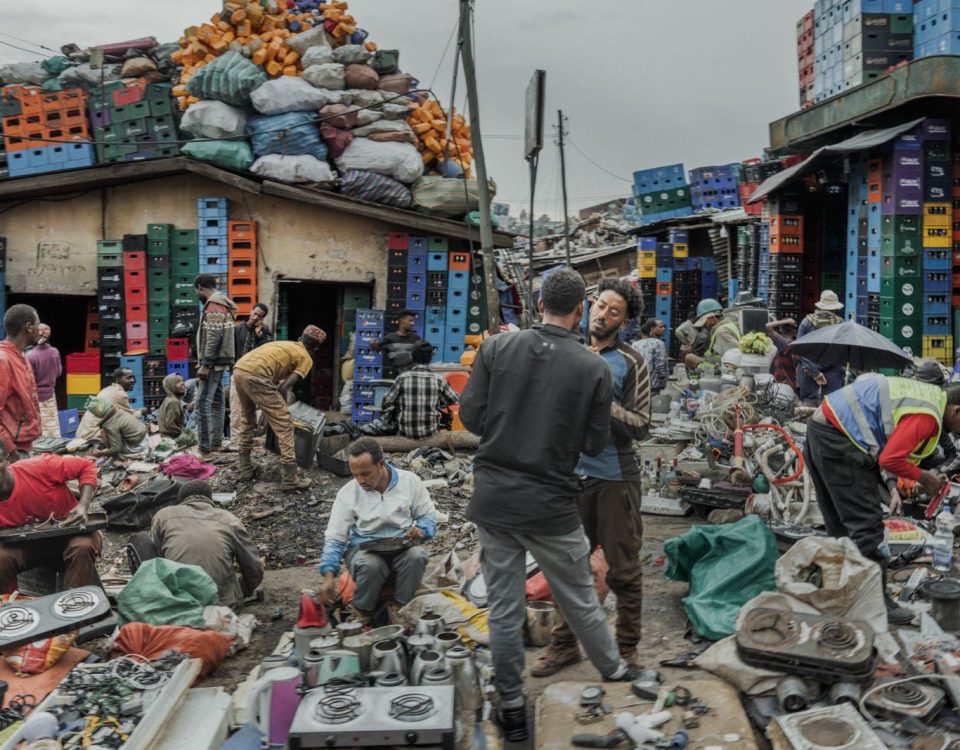
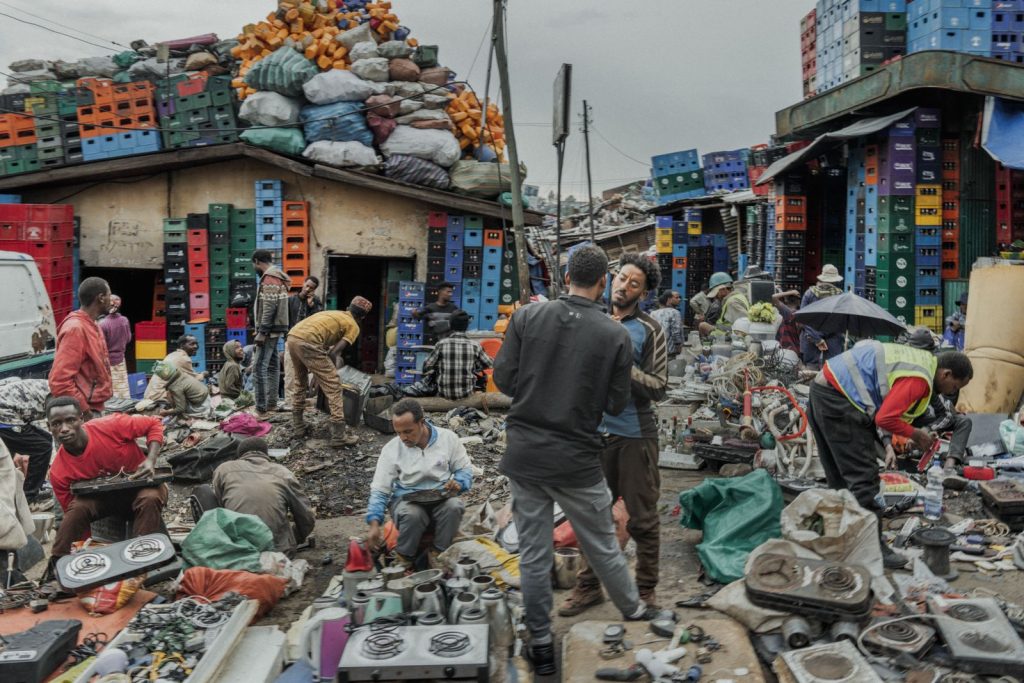
A market can be another option, but remember that people are there to work and shop. Give traders room, do not block stalls and make purchases because you want something, not because you expect a photograph in return. If a host cancels a visit, a museum stop, a meal or an unplanned afternoon is a reasonable alternative. You do not need to find another household willing to take the group at short notice.
Check travel advice for the whole route
As of November 2026, Australia advises travellers to reconsider their need to travel to South Ethiopia, and Canada advises against non-essential travel to most of Ethiopia outside Addis Ababa. UK advice also warns against all travel in specified areas near the Kenya and South Sudan borders, including the shores of Lake Turkana. Ask for your exact route and overnight stops in writing, then check the guidance that applies to you and confirm insurance coverage. Postpone if your government’s advice rules out your itinerary.
Frequently Asked Questions
Is it ethical to visit communities in the Omo Valley?
It can be when residents choose to host, control what they share and are paid on agreed terms. If an operator cannot tell you who arranged the visit or how people can decline, choose another experience or skip the stop.
Should you pay for photos?
Follow the terms set by the person you want to photograph. Agree on any payment and intended use in advance. If you feel uncomfortable with the arrangement, put the camera away and continue the conversation without taking a picture.
What is the biggest warning sign when booking?
Be cautious if the operator guarantees access to homes, ceremonies or portraits without explaining who gives permission. A visit that depends on consent should be able to change when the people hosting it say no.