How Gorilla Permit Fees Fund Conservation and Local Communities
Gorilla permit fees play an important role in protecting endangered mountain gorillas and supporting communities living around their forest habitats. When you purchase a gorilla trekking permit in Uganda or Rwanda, the money helps finance wildlife protection, ranger operations, conservation management and community development programmes.
For travellers planning a gorilla safari in 2027, understanding how permit revenue is used can help explain why gorilla trekking is considerably more expensive than many other wildlife activities.
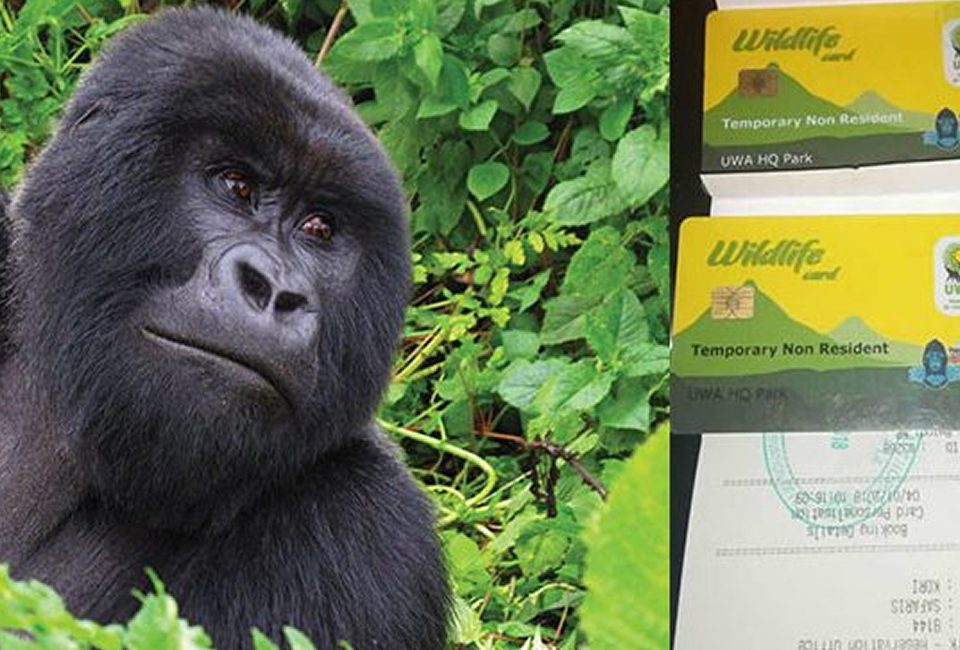
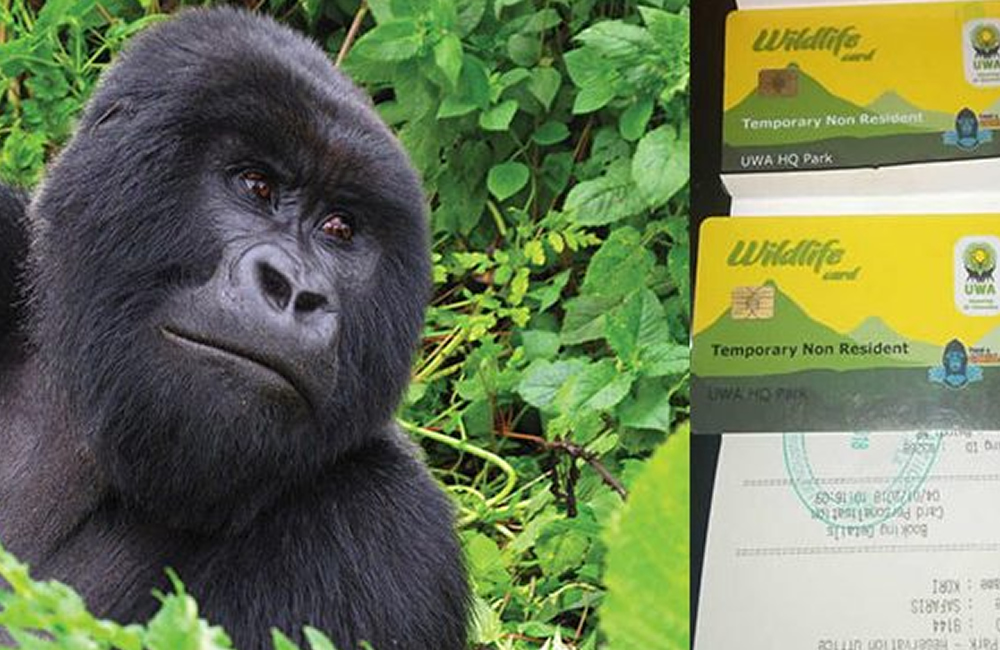
Uganda’s standard foreign non-resident gorilla trekking permit costs US$800, while Rwanda’s standard international visitor permit costs US$1,500. Both countries limit daily visitor numbers and regulate encounters with mountain gorillas.
However, the entire permit payment does not go directly to a gorilla family or a nearby village. Wildlife authorities use revenue to manage protected areas, while designated portions support community development.
Local residents may also benefit indirectly through tourism employment, accommodation services, agricultural supplies, transport and small businesses.
This guide explains how gorilla permit fees fund conservation, how Uganda and Rwanda share tourism revenue, and how your safari decisions can contribute to responsible tourism.
Why Are Gorilla Permit Fees Important for Conservation?
Mountain gorillas live in protected forest habitats across Uganda, Rwanda and the Democratic Republic of Congo.
These forests require continuous management because gorillas face threats including habitat pressure, infectious diseases, snares and human-wildlife conflict.
Conservation programmes need trained personnel, equipment, transport, monitoring and long-term financial support.
Gorilla trekking provides an important source of revenue that helps maintain these activities.
What Gorilla Permit Revenue Supports
| Conservation activity | How funding helps |
|---|---|
| Ranger patrols | Supports personnel protecting national parks |
| Wildlife monitoring | Helps conservation teams observe gorilla families |
| Veterinary conservation | Supports disease monitoring and specialist interventions |
| Habitat protection | Contributes to managing forests and wildlife habitats |
| Visitor management | Helps organise safe, regulated trekking |
| Community development | Supports projects benefiting neighbouring communities |
| Conservation education | Helps residents understand wildlife protection |
These activities require continuing investment, even during periods when tourism numbers decline.
Gorilla tourism revenue forms part of the wider funding available to wildlife authorities. Government allocations, conservation organisations, grants and other sources may also contribute.
How Gorilla Permit Fees Fund Conservation in Uganda
Uganda Wildlife Authority manages gorilla trekking in Bwindi Impenetrable National Park and Mgahinga Gorilla National Park.
The authority collects permit fees and uses tourism revenue to support protected-area management and conservation programmes.
The published gorilla trekking tariff includes official guide services, park entry for the trekking day and a community development contribution.
Uganda’s Community Revenue-Sharing Programme
Uganda’s wildlife legislation provides for 20% of park entry fees to be shared with local governments surrounding protected areas through a regulated revenue-sharing arrangement.
This percentage applies to the defined park entry fee revenue, rather than automatically meaning 20% of every gorilla permit payment.
Uganda Wildlife Authority also identifies a separate contribution of US$10 from each Bwindi gorilla tracking permit for community development.
These distinctions are important because some safari descriptions incorrectly suggest that 20% of the entire gorilla permit price goes directly to neighbouring villages.
Community funds are distributed through established procedures and support qualifying development initiatives.
How Communities Around Bwindi Benefit
Communities around Bwindi and Mgahinga may benefit from projects that improve livelihoods and reduce conflict between residents and wildlife.
Supported activities can include water access, agricultural projects, community infrastructure and income-generating initiatives.
For example, improved water facilities can reduce the distances residents travel to collect clean water.
Agricultural support may help households improve production and develop alternative income opportunities.
The aim is to make conservation economically meaningful to people living near protected forests.
Uganda Revenue Sharing: A Practical Example
In June 2025, Uganda Wildlife Authority announced approximately UGX 2.19 billion in revenue-sharing funds for communities surrounding the Bwindi-Mgahinga Conservation Area.
The allocation came from park entry fees and the gorilla permit levy.
This demonstrates that tourism revenue can support community projects beyond the immediate gorilla trekking experience.
However, the amount allocated does not mean every resident receives a direct cash payment.
Funds are generally managed through local government and approved project arrangements.
The effectiveness of these programmes depends on transparent administration, appropriate project selection and community participation.
Travellers interested in conservation should understand that collecting revenue is only one part of achieving meaningful benefits.
How Rwanda Gorilla Permit Fees Support Conservation
Rwanda Development Board manages gorilla tourism in Volcanoes National Park.
The country’s standard international gorilla permit costs US$1,500.
Rwanda follows a premium tourism strategy that generates revenue through regulated wildlife encounters and other tourism activities.
Part of this income supports protected-area conservation and community development.
Rwanda’s 10% Tourism Revenue-Sharing Programme
Rwanda allocates 10% of national park tourism revenue to community development initiatives around protected areas.
The programme is not limited exclusively to gorilla permit income.
It includes tourism revenue generated through the national park system.
Funds support projects intended to improve living conditions and create economic opportunities for neighbouring communities.
These may include schools, healthcare facilities, water infrastructure and livelihood programmes.
In 2026, Rwanda Development Board reaffirmed the 10% allocation through its tourism revenue-sharing programme.
Why Community Benefits Are Important
Residents living close to national parks sometimes face challenges associated with wildlife protection.
Agricultural land may border protected habitats, while restrictions on forest resource use can affect traditional livelihoods.
Community revenue sharing helps provide benefits associated with protecting wildlife.
When residents receive employment opportunities and public services supported by tourism, conservation can become more valuable to local households.
However, community benefits must be distributed fairly to achieve their intended purpose.
Uganda vs Rwanda: Conservation Revenue Compared
Uganda and Rwanda both use tourism revenue to support wildlife protection and neighbouring communities.
However, their revenue-sharing mechanisms differ.
| Conservation factor | Uganda | Rwanda |
|---|---|---|
| Standard international permit | US$800 | US$1,500 |
| Managing authority | Uganda Wildlife Authority | Rwanda Development Board |
| Community revenue sharing | 20% of park entry fees | 10% of park tourism revenue |
| Additional gorilla permit contribution | US$10 per Bwindi permit under published UWA arrangements | Covered through broader tourism revenue-sharing arrangements |
| Main gorilla trekking parks | Bwindi and Mgahinga | Volcanoes National Park |
| Main conservation focus | Mountain gorillas and protected habitats | Mountain gorillas and protected habitats |
These percentages have different calculation bases and should not be interpreted as a direct comparison of which country contributes more money to communities.
Similarly, a higher permit price does not automatically prove that one country’s conservation programme performs better.
Both countries require effective financial management, scientific monitoring and cooperation with local residents.
How Gorilla Tourism Creates Local Employment
The benefits of gorilla tourism extend beyond official revenue-sharing programmes.
Lodges, safari operators and community tourism businesses create employment opportunities around Bwindi, Mgahinga and Volcanoes National Park.
These include jobs for guides, porters, drivers, cooks, cleaners, receptionists and maintenance workers.
Local farmers may also supply vegetables, fruits, eggs and other food products to safari lodges.
For example, when a lodge purchases fresh produce from nearby households, tourism spending can support agricultural livelihoods.
However, the economic benefits depend on how businesses operate. A lodge employing local residents and purchasing local products may contribute more to the surrounding economy than one importing most supplies.
Travellers can ask safari operators how they recruit staff and support neighbouring communities.
The Role of Porters in Community Conservation
Porters provide valuable assistance during gorilla trekking.
They carry backpacks, help visitors along difficult sections and offer practical support on steep forest trails.
Many porters come from communities surrounding the national parks.
Hiring a porter creates a direct income opportunity for a local resident.
A porter fee is separate from the official gorilla permit and normally goes through local porter arrangements.
Some community initiatives also support former poachers who have moved into conservation-related livelihoods.
Providing alternative employment can reduce financial pressure to engage in activities that threaten wildlife.
However, employment programmes need ongoing support and fair working conditions to deliver lasting benefits.
How Gorilla Conservation Helps Protect Forest Habitats
Protecting mountain gorillas also helps conserve the forests where they live.
Bwindi and the Virunga mountains contain numerous plant and animal species.
These include birds, butterflies, forest mammals and a wide range of vegetation.
Forest conservation supports biodiversity and helps maintain important environmental functions.
Trees and vegetation protect soil, contribute to water regulation and provide habitat for wildlife.
Tourism income helps authorities maintain these protected environments.
Nevertheless, gorilla permit fees alone cannot address every environmental challenge.
Successful conservation also requires land-use planning, community cooperation, scientific research and responsible government policies.
Challenges Facing Gorilla Conservation Funding
Although tourism generates valuable conservation income, depending heavily on visitor spending creates financial risks.
International travel restrictions, disease outbreaks and political instability can reduce tourism activity.
When fewer travellers purchase permits, wildlife authorities and neighbouring businesses may experience financial pressure.
Community projects can also face delays when revenue falls.
Another challenge involves ensuring that tourism benefits reach the households most affected by conservation restrictions.
Residents living near park boundaries may experience crop damage or limited access to traditional forest resources.
Revenue-sharing programmes should therefore consider both community needs and effective project management.
Independent monitoring, public reporting and local participation can help improve accountability.
How Travellers Can Support Gorilla Conservation
Your decisions before and during a gorilla safari can influence how tourism benefits wildlife and communities.
Choose a properly licensed safari operator that uses official permits.
Consider accommodation that employs local residents and purchases local supplies.
Hire a porter when appropriate and pay the agreed fee.
Support genuine community-led cultural experiences when they interest you.
During trekking, follow the ranger’s instructions, maintain the required distance and avoid visiting gorillas when you have symptoms of an infectious illness.
These precautions help protect the animals and maintain responsible tourism practices.
You can also ask your operator which community projects it supports and how contributions are managed.
Responsible tourism involves understanding where your money goes and choosing services that treat people and wildlife fairly.
Frequently Asked Questions
1. Do gorilla permit fees support conservation?
Yes. Official permit revenue helps finance protected-area operations, wildlife management and conservation activities in Uganda and Rwanda.
2. How much does Uganda share with local communities?
Uganda’s revenue-sharing framework provides 20% of qualifying park entry fees to neighbouring communities. UWA also identifies a separate US$10 contribution from each Bwindi gorilla tracking permit.
3. What percentage does Rwanda share?
Rwanda allocates 10% of national park tourism revenue to community development initiatives around protected areas.
4. Does every villager receive money directly?
No. Revenue-sharing programmes generally support approved community and livelihood projects rather than distributing equal cash payments to every resident.
5. Does hiring a porter support local communities?
Yes. Porter services create direct income opportunities for residents around gorilla trekking destinations.
6. Does a higher permit price mean better conservation?
Not necessarily. Conservation outcomes depend on how funds are managed, monitoring programmes, habitat protection and community participation.
7. Can budget travellers support conservation?
Yes. Purchasing genuine permits, using responsible operators and supporting local businesses can contribute to conservation regardless of accommodation category.
Gorilla permit fees fund conservation and local communities through several important mechanisms, including protected-area management, wildlife monitoring, ranger operations and official revenue-sharing programmes.
In Uganda, community benefits include a share of park entry fees and a specific contribution from Bwindi gorilla trekking permits.
Rwanda reinvests a portion of national park tourism revenue into development projects surrounding protected areas.
Beyond these arrangements, gorilla tourism supports employment, local businesses and community-based activities.
However, sustainable conservation requires transparent financial management and meaningful participation by neighbouring residents.
For travellers planning a gorilla safari in 2027, understanding these programmes provides a clearer picture of the value behind the permit price.
Choosing authorised permits, responsible accommodation and locally beneficial services helps support the long-term protection of mountain gorillas and their forest habitats.