
Souvenirs From Bwindi and Kisoro: Authentic Crafts Worth Buying
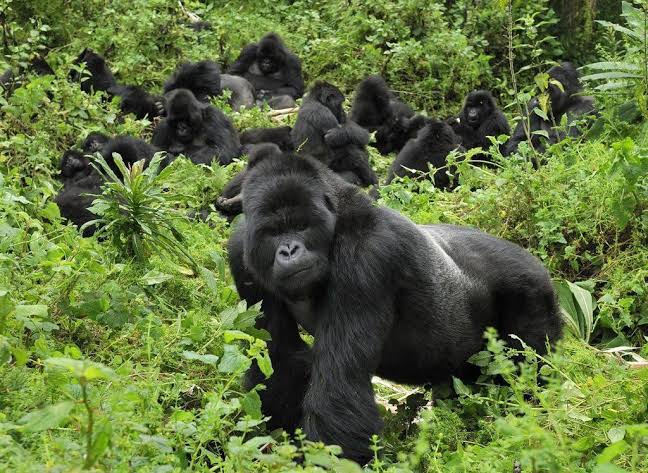
Buying souvenirs from Bwindi and Kisoro is a wonderful way to remember your Uganda gorilla trekking safari while supporting local artisans and communities. Beyond the famous mountain gorillas, south-western Uganda is home to talented craftspeople who produce beautiful handmade baskets, jewellery, wooden carvings, textiles and traditional household items.
Around Bwindi Impenetrable National Park, visitors can explore community craft centres, women’s cooperatives and small village shops where artisans sell products made using skills passed down through generations.
Kisoro, located near Mgahinga Gorilla National Park and the southern sectors of Bwindi, also offers opportunities to discover traditional crafts associated with the Bakiga, Bafumbira and Batwa communities.
Many items are made using locally available materials, including grasses, banana fibres, bamboo and responsibly sourced wood.
However, not every souvenir displayed in a tourist shop is necessarily handmade in the surrounding community. Some products may come from other parts of Uganda or neighbouring countries.
Understanding what to buy, where to shop and how to recognise genuine craftsmanship helps you spend your money responsibly.
Why Buy Souvenirs From Bwindi and Kisoro?
Tourism around Bwindi and Kisoro provides economic opportunities for communities living near protected forests.
Although gorilla trekking attracts international visitors, local residents also earn income through farming, handicrafts, guiding, hospitality and cultural tourism.
Craft production is particularly important for some women’s groups and community enterprises.
When you purchase directly from an artisan, your payment can contribute to household expenses, education and daily living costs.
Buying locally also encourages the continuation of traditional skills.
Basket weaving, woodcarving and other crafts require patience, practical knowledge and careful workmanship.
Instead of purchasing mass-produced souvenirs, you can choose objects with a clear connection to the person who made them.
Best Souvenirs From Bwindi and Kisoro
Several handmade products are worth considering during your visit.
| Souvenir | Common materials | Best use |
|---|---|---|
| Handwoven baskets | Grass, raffia or banana fibre | Decoration and storage |
| Traditional mats | Plant fibres | Home decoration |
| Wooden gorilla carvings | Responsibly sourced wood | Display and gifts |
| Beaded jewellery | Glass, plastic or paper beads | Personal accessories |
| Handmade fabric bags | Cotton and printed textiles | Shopping and travel |
| Bamboo baskets | Bamboo strips | Storage and decoration |
| Small paintings | Canvas, fabric or paper | Wall decoration |
| Pottery | Locally sourced clay | Decorative household items |
Availability varies between communities and craft centres.
Ask sellers which items are made locally rather than assuming everything displayed comes from Bwindi or Kisoro.
1. Handwoven Baskets: A Traditional Favourite
Handwoven baskets are among the most recognisable crafts produced in south-western Uganda.
Artisans create baskets using grasses and other plant fibres, carefully arranging the materials into circular or oval shapes.
Some baskets feature natural colours, while others include geometric patterns created using dyed fibres.
These products can serve practical purposes such as storing household items, carrying produce or decorating homes.
What Makes Handmade Baskets Special?
A well-made basket requires considerable time and skill.
Artisans must prepare the fibres, arrange the weaving materials and maintain a consistent pattern.
Look closely at the stitching and overall shape.
A quality basket should feel reasonably firm, with secure weaving and few loose ends.
Small variations are normal in handmade products and can distinguish them from factory-produced items.
Where to Buy Baskets
Community craft centres around Buhoma offer opportunities to purchase handmade baskets.
The women’s organisation Ride 4 a Woman is particularly known for basket weaving and textile production.
Kisoro and surrounding communities also have artisans producing traditional baskets, including bamboo varieties.
If you have enough time, consider joining a weaving demonstration to understand how much work goes into each product.
2. Wooden Gorilla Carvings
Wooden gorilla carvings are popular souvenirs because they represent the wildlife experience that attracts visitors to Bwindi.
Artisans produce carved figures showing silverbacks, mothers with infants and gorilla families.
Some carvings are small enough to fit inside hand luggage, while others are larger decorative pieces.
How to Choose a Good Carving
Inspect the wood for cracks, loose sections or poorly finished surfaces.
Look at the detail around the face, hands and body.
A handmade carving may show slight variations in shape or finishing.
Ask which type of wood was used and where it was obtained.
Responsible woodcarvers should avoid cutting protected trees inside Bwindi Impenetrable National Park.
The Bwindi Local Wood Carvers Association is an example of an artisan initiative that promotes carving while recognising the need to protect gorilla habitats.
Avoid purchasing products made from protected wildlife materials.
3. Handmade Beaded Jewellery
Beaded jewellery is another attractive option for travellers who want lightweight souvenirs.
Common products include necklaces, bracelets, earrings and decorative accessories.
Artisans may use colourful glass beads, paper beads or other suitable materials.
Some designs reflect local preferences, while others are made specifically for visitors.
Why Beaded Jewellery Is Practical
Jewellery takes up little luggage space and is usually easier to transport than pottery or large carvings.
You can purchase several small items as gifts for friends and family.
Before buying, check the quality of the thread, clasps and attachments.
Ask whether the jewellery is handmade by the seller or produced by another community group.
4. Traditional Mats and Woven Household Items
Traditional weaving is an important skill in many communities around south-western Uganda.
Artisans produce mats, trays, table decorations and other household products using plant fibres.
Some items have simple patterns, while others feature detailed designs.
These crafts are suitable for travellers who prefer souvenirs with practical uses.
A woven table mat can become part of your everyday home furnishings rather than remaining unused on a shelf.
What to Check Before Buying
Examine the edges to ensure the weaving is secure.
Check whether the item can be folded or rolled without damage.
Larger mats may be difficult to pack, so ask the seller about suitable transport arrangements.
Avoid buying products made using illegally harvested protected plants.
5. Batwa Handmade Crafts and Cultural Products
The Batwa are an Indigenous community with historical connections to the forests of south-western Uganda.
Their traditional knowledge includes forest resources, hunting practices, plant use and craft-making.
Many Batwa families were displaced from their ancestral forest areas following the establishment of protected national parks.
Today, Batwa community initiatives use cultural tourism, handicrafts and other activities to create livelihood opportunities.
What Can You Buy From Batwa Artisans?
Depending on the community and available products, visitors may find woven baskets, decorative items, jewellery and other handmade crafts.
Some community-led experiences also include demonstrations of traditional skills.
When purchasing Batwa crafts, try to buy directly from artisans or community-managed enterprises.
Ask how the income is distributed and whether the craftspeople determine their own prices.
Respect personal boundaries and request permission before photographing anyone.
Cultural knowledge should never be treated as something visitors are automatically entitled to record or reproduce.
6. Handmade Fabric Bags and Clothing
Fabric products are popular around Bwindi, particularly in community sewing projects.
Artisans produce handbags, shopping bags, aprons, clothing and household accessories using colourful printed fabrics.
These products combine practical design with local craftsmanship.
Ride 4 a Woman in Buhoma
Ride 4 a Woman is a community organisation in the Buhoma area that supports women’s livelihoods through activities including sewing and basket weaving.
Visitors can purchase handmade products and learn about the skills involved.
Fabric bags are particularly suitable for travellers because they are lightweight and easy to carry.
Before buying, check the stitching, handles, zips and lining.
Choose a product that you will genuinely use.
7. Bamboo Baskets From Kisoro
Bamboo craft production is associated with parts of south-western Uganda, including Kisoro and Kabale.
Artisans split bamboo into thin strips before weaving them into baskets and other household products.
Bamboo baskets may be used for carrying agricultural produce, storage and decoration.
The craft requires careful preparation because bamboo strips must be flexible enough for weaving.
What Makes Kisoro Bamboo Crafts Interesting?
Bamboo baskets often have a different structure from tightly coiled grass baskets.
They may feature wider openings, stronger frames and practical carrying shapes.
Ask the seller how the bamboo was obtained and prepared.
Choose legally sourced products made without damaging protected habitats.
8. Local Paintings and Wildlife Artwork
Some craft stalls and community shops sell paintings featuring mountain gorillas, forest landscapes and village scenes.
These can be attractive souvenirs for visitors who want something suitable for wall decoration.
Artwork may depict silverbacks, traditional homes, Lake Mutanda or the Virunga Mountains.
How to Choose Authentic Artwork
Ask whether the painting is an original or a printed reproduction.
Check whether the artist signs their work.
If you are purchasing an original painting, ask about the artist and the materials used.
A small painting on paper or canvas may be easier to transport than a framed piece.
Avoid assuming that every wildlife painting sold near Bwindi was created by a local artist.
Where to Buy Authentic Crafts Around Bwindi
Bwindi has several communities surrounding its four principal trekking sectors.
The best shopping opportunities depend on where you are staying.
Buhoma
Buhoma is one of the most established tourism areas around Bwindi.
Visitors can explore community shops, craft stalls and women’s projects.
Basket weaving, fabric products and wooden carvings are among the items available.
Ruhija
Ruhija offers smaller community shopping opportunities.
Travellers may encounter locally produced baskets, jewellery and decorative crafts.
Product selection may be more limited than in larger tourism centres.
Rushaga and Nkuringo
These southern Bwindi sectors provide access to community activities and craft sellers.
Visitors can ask lodge staff about nearby artisan groups and organised community visits.
Choose activities that are led or supported by the communities involved.
Where to Buy Souvenirs in Kisoro
Kisoro town is an important trading centre for communities near Mgahinga Gorilla National Park, Lake Mutanda and southern Bwindi.
Markets and small shops may sell baskets, textiles and handmade household products.
Batwa organisations have also operated craft initiatives in the Kisoro area.
However, individual shops and projects can change locations or operating arrangements.
Ask locally for current recommendations rather than relying on outdated shop addresses.
If you want to meet artisans, arrange a community visit through a reputable local guide.
How Much Do Souvenirs Cost?
Prices depend on the materials, size, craftsmanship and location.
The following figures are broad shopping allowances rather than verified current retail prices.
| Souvenir | Illustrative budget |
|---|---|
| Small woven basket | UGX 15,000–40,000 |
| Medium decorative basket | UGX 40,000–100,000 |
| Beaded bracelet | UGX 5,000–20,000 |
| Handmade fabric bag | UGX 25,000–80,000 |
| Small wooden carving | UGX 20,000–70,000 |
| Small painting | UGX 30,000–100,000 |
Detailed products or larger handmade items may cost considerably more.
Ask the seller for the price before purchasing.
If bargaining is acceptable, negotiate politely.
Remember that handmade crafts require time and skill. Paying a fair amount is often more valuable than obtaining the lowest possible price.
How to Identify Genuine Handmade Crafts
Authentic craft shopping begins with asking questions.
Find out who made the item, where it was produced and which materials were used.
Some artisans demonstrate their skills, allowing visitors to see the production process.
Look for natural variations, careful finishing and evidence of manual workmanship.
However, small imperfections alone do not prove authenticity.
A well-made handmade product can have a very consistent finish.
Similarly, a poorly finished object is not automatically a genuine traditional craft.
Buying directly from a craftsperson or a transparent cooperative is often the clearest way to understand a product’s origin.
Can You Take Bwindi Souvenirs Home?
Most ordinary contemporary handicrafts can be transported as personal souvenirs, subject to customs requirements.
However, products made from protected wildlife, restricted timber or certain plant materials may require permits or may be prohibited.
Avoid ivory, animal teeth, protected animal skins and objects containing endangered species.
Historical cultural artefacts may also be subject to export controls.
Check the customs rules of both Uganda and your destination country before purchasing questionable materials.
Clean woven products and wooden items before packing them, and ask whether untreated plant materials could present import problems.
Keep receipts for valuable purchases.
Frequently Asked Questions
What are the best souvenirs from Bwindi?
Handwoven baskets, fabric bags, wooden gorilla carvings, jewellery and locally produced artwork are popular choices.
Can you buy authentic Batwa crafts?
Yes. Batwa community initiatives produce and sell crafts. Choose community-managed outlets where artisans benefit directly.
Are souvenirs cheaper in Kisoro?
Some items may be less expensive than similar products sold in luxury lodge shops, but prices vary by quality and seller.
Can you visit a basket-weaving workshop?
Yes. Some community projects around Bwindi offer organised demonstrations and practical weaving experiences.
Should you bargain at community craft centres?
Ask whether prices are fixed. If bargaining is welcome, remain respectful and consider the time required to make the item.
Can you take wooden carvings internationally?
Many ordinary wooden souvenirs can be transported, but restrictions may apply to protected wood species and untreated natural materials. Check customs requirements before travelling.
Souvenirs from Bwindi and Kisoro offer opportunities to appreciate local craftsmanship while supporting communities around Uganda’s mountain gorilla habitats.
Handwoven baskets, bamboo products, beaded jewellery, fabric bags and wooden carvings are among the most practical purchases.
For a meaningful shopping experience, choose products made by identifiable local artisans and community organisations.
Ask about the materials, respect the maker’s work and pay a fair price.
Avoid souvenirs containing protected wildlife products or illegally harvested natural materials.
Whether you purchase a small basket in Buhoma or a handmade fabric bag near Kisoro, choosing carefully allows you to bring home something useful while contributing to local livelihoods.