Mgahinga Gorilla National Park: The Quiet Alternative to Bwindi
Mgahinga Gorilla National Park is one of Uganda’s most beautiful yet less-visited wildlife destinations. Located in the far south-western corner of the country, the park offers mountain gorilla trekking, golden monkey tracking, volcano hiking, birdwatching and cultural experiences in a peaceful mountain environment.
While Bwindi Impenetrable National Park attracts much of the attention from travellers planning gorilla safaris, Mgahinga provides an excellent alternative for visitors who prefer quieter surroundings and spectacular volcanic scenery.
Covering approximately 33.7 square kilometres, Mgahinga is Uganda’s smallest national park. Despite its size, it protects important mountain gorilla habitat and forms part of the larger Virunga volcanic landscape shared by Uganda, Rwanda and the Democratic Republic of Congo.
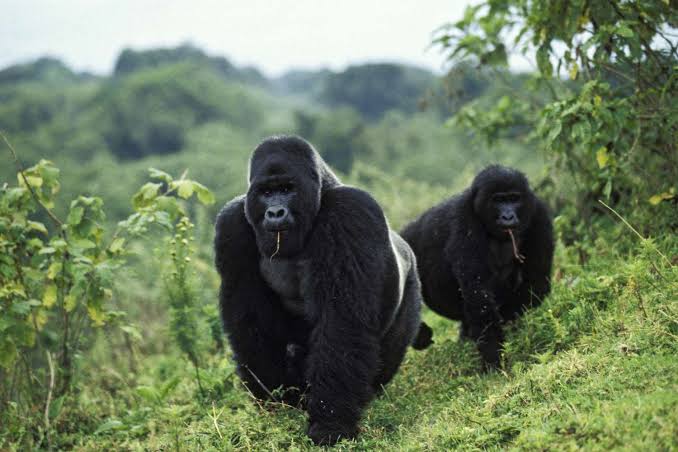
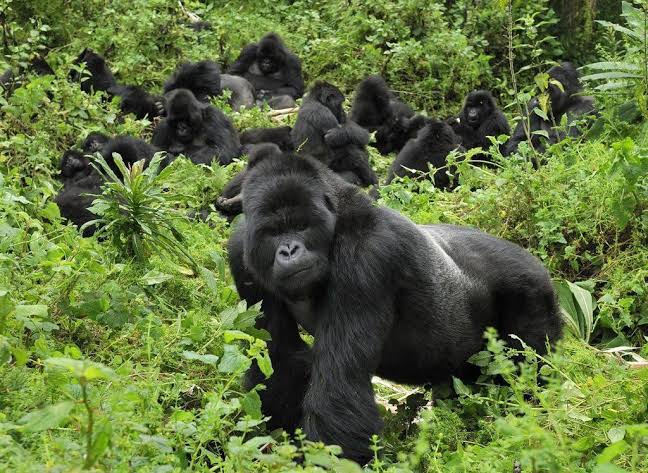
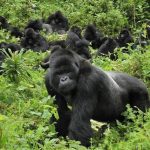
The park is home to the Nyakagezi gorilla family, the habituated mountain gorilla group available for tourist trekking in Mgahinga.
Visitors can also observe endangered golden monkeys in bamboo forests, climb volcanic mountains and participate in community-led Batwa cultural experiences.
For travellers planning a visit in 2027, Uganda’s standard foreign non-resident gorilla permit costs US$800, while eligible visitors can obtain discounted permits during April, May and November.
This complete guide explains what makes Mgahinga Gorilla National Park special, how it compares with Bwindi, the cost of visiting, accommodation options and the best activities to include in your safari.
Where Is Mgahinga Gorilla National Park Located?
Mgahinga Gorilla National Park is located in Kisoro District, south-western Uganda, near the borders with Rwanda and the Democratic Republic of Congo.
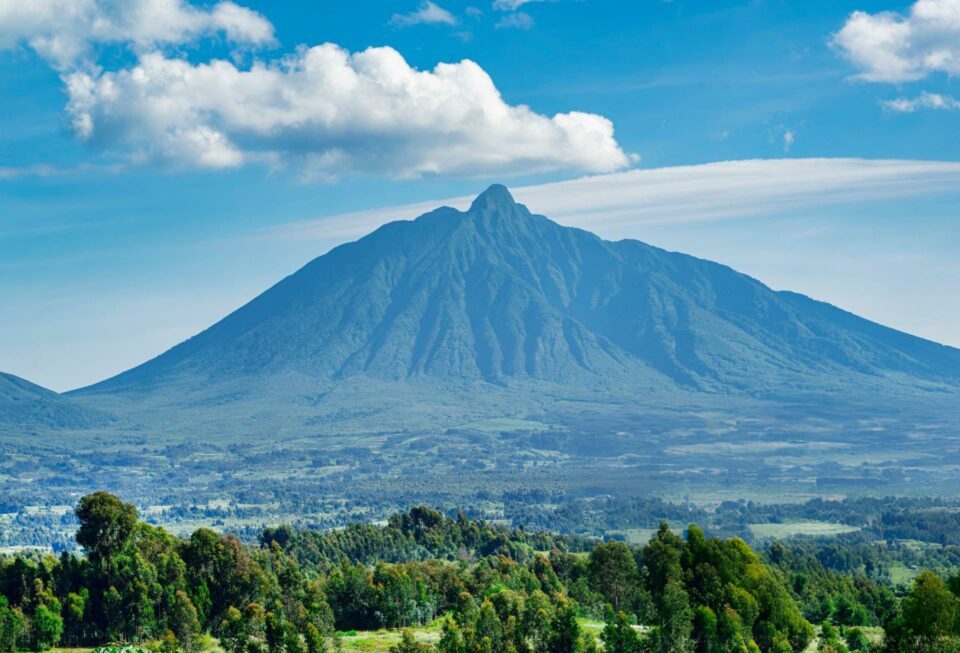
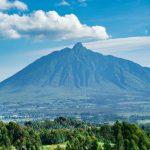
The park lies within the Virunga Mountains, a volcanic region famous for its dramatic landscapes and mountain gorilla habitats.
It was established as a national park in 1991 to protect wildlife and important mountain ecosystems.
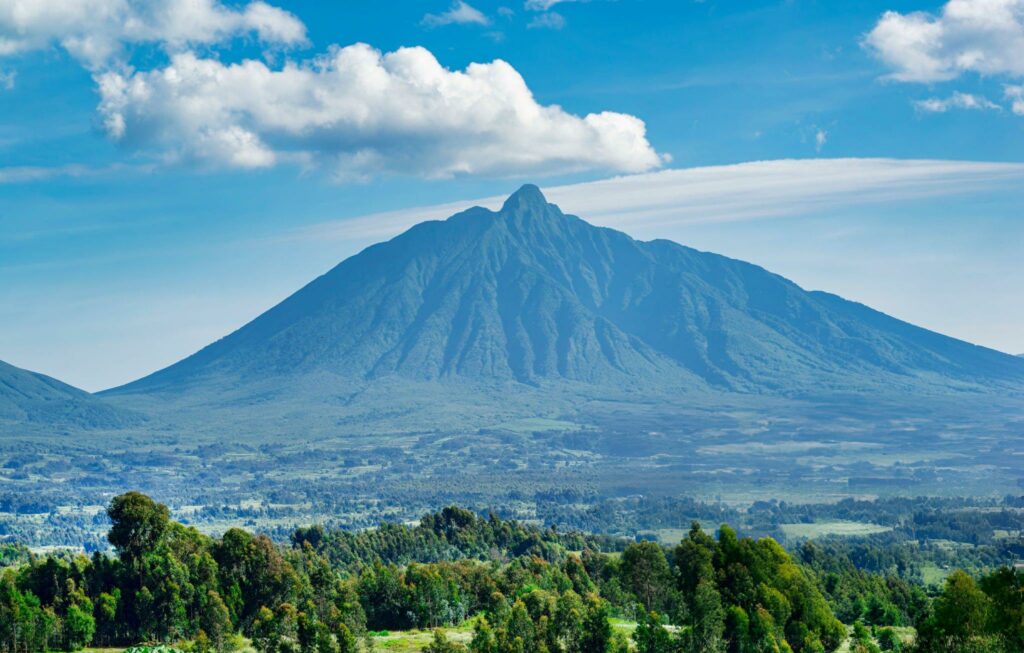
Three volcanic mountains dominate its landscape: Mount Muhabura, Mount Gahinga and Mount Sabyinyo.
The park’s altitude ranges from approximately 2,227 to 4,127 metres above sea level.
These elevations create different vegetation zones, including bamboo forest, montane woodland and high-altitude vegetation.
Quick Facts About Mgahinga Gorilla National Park
|
Feature |
Details |
|---|---|
|
Country |
Uganda |
|
District |
Kisoro |
|
Park size |
Approximately 33.7 km² |
|
Established |
1991 |
|
Main attraction |
Mountain gorilla trekking |
|
Habituated gorilla family |
Nyakagezi |
|
Other famous primates |
Golden monkeys |
|
Mountains |
Muhabura, Gahinga and Sabyinyo |
|
Standard gorilla viewing time |
Up to 1 hour |
|
Minimum gorilla trekking age |
15 years |
|
Managing authority |
Uganda Wildlife Authority |
Why Choose Mgahinga Instead of Bwindi?
Both Mgahinga and Bwindi provide opportunities to observe endangered mountain gorillas in their natural habitats.
However, they offer different environments and visitor experiences.
Bwindi is a large rainforest with four main gorilla trekking sectors and numerous habituated gorilla families.
Mgahinga is much smaller, with a distinctive landscape of volcanic mountains, bamboo forests and open highland scenery.
The park generally receives fewer visitors than Bwindi, making it attractive for travellers who appreciate less crowded tourism destinations.
Mgahinga vs Bwindi Gorilla Trekking
|
Feature |
Mgahinga |
Bwindi |
|---|---|---|
|
Landscape |
Volcanoes and bamboo forest |
Dense tropical rainforest |
|
Park size |
33.7 km² |
Approximately 321 km² |
|
Habituated gorilla groups |
One established tourist group |
Multiple groups |
|
Visitor activity |
Generally quieter |
More established trekking tourism |
|
Golden monkey tracking |
Available |
Not a standard Bwindi activity |
|
Volcano climbing |
Available |
Not available within the park |
|
Gorilla permit price |
Same UWA standard tariff |
Same UWA standard tariff |
|
Accommodation choices |
Fewer options nearby |
Wider selection |
The biggest advantage of Mgahinga is its combination of gorilla trekking, golden monkeys and volcano hiking.
However, Bwindi offers more gorilla permit availability because it has several habituated families across four trekking sectors.
If your travel dates are fixed, Bwindi may offer more booking flexibility.
Mountain Gorilla Trekking in Mgahinga
Gorilla trekking is Mgahinga’s most famous wildlife activity.
Visitors join authorised Uganda Wildlife Authority ranger-guides and trackers to locate the Nyakagezi gorilla family.
The experience begins with a morning briefing at the park’s designated meeting point.
Rangers explain trekking regulations, visitor safety and appropriate behaviour around mountain gorillas.
After the briefing, the group enters the forest.
The route depends on where the gorillas have moved, so walking distances vary.
Some visitors may experience a relatively manageable walk, while others encounter steep slopes, muddy sections and higher-altitude terrain.
Once the gorillas are located, visitors can spend up to one hour observing them.
During this time, you may see silverbacks resting, females caring for infants or younger gorillas playing.
The Nyakagezi Gorilla Family
Nyakagezi is Mgahinga’s established habituated gorilla family available for tourism.
The family has historically moved within the wider transboundary Virunga habitat, including occasional movement across international boundaries.
Its movements have become more settled in recent years, but gorillas remain wild animals.
Visitors should therefore confirm current trekking arrangements and permit availability with Uganda Wildlife Authority or an authorised operator.
A maximum of eight tourists may visit a habituated gorilla family during a standard trekking session.
Because Mgahinga has only one established tourist family, permit availability is more limited than at Bwindi.
Mgahinga Gorilla Permit Prices for 2027
Uganda Wildlife Authority’s published conservation tariff for January 2027 to June 2028 provides the following standard rates for gorilla trekking in Mgahinga and Bwindi.
|
Visitor category |
Standard permit |
|---|---|
|
Foreign non-resident |
US$800 |
|
Foreign resident |
US$700 |
|
Rest of Africa |
US$500 |
|
East African citizen |
UGX 300,000 |
The permit covers official guiding, park entry for the trekking day and a community development contribution.
Private transport, accommodation, meals and porter services are not included.
Discounted Gorilla Permits
Uganda offers discounted standard gorilla permits during April, May and November.
Eligible foreign non-residents pay US$600, while foreign residents pay US$500.
These discounts can make Mgahinga more affordable for travellers with flexible dates.
However, lower-season months may experience heavier rainfall, making forest trails slippery.
Confirm the applicable permit conditions before booking.
Golden Monkey Tracking in Mgahinga
One of Mgahinga’s most distinctive attractions is golden monkey tracking.
Golden monkeys are attractive primates recognised by their golden-orange colouring, dark facial features and lively movements.
They inhabit bamboo forests within the Virunga Mountains.
Unlike mountain gorillas, which often spend considerable time resting and feeding, golden monkeys can be highly active.
Visitors may observe them jumping between bamboo stems, searching for food and interacting within their groups.
How Golden Monkey Tracking Works
Visitors begin with a briefing before entering the forest with an authorised guide.
The trek involves searching for habituated golden monkeys in their natural habitat.
Once the monkeys are located, visitors generally spend up to one hour observing them during a standard tracking experience.
Golden monkey tracking can be especially rewarding for wildlife photographers.
However, the animals move quickly, so patience is important.
Golden Monkey Permit Prices for 2027
|
Activity |
Foreign non-resident |
Foreign resident |
|---|---|---|
|
Golden monkey tracking |
US$60 |
US$50 |
|
Golden monkey habituation |
US$100 |
US$80 |
These published activity fees exclude park entrance charges. Advance booking is required.
Golden monkey tracking is a separate activity from gorilla trekking.
A gorilla permit does not automatically include golden monkey tracking.
Volcano Hiking in Mgahinga Gorilla National Park
Mgahinga is one of Uganda’s most rewarding destinations for volcanic mountain hiking.
Three extinct volcanoes provide different routes and physical challenges.
1. Mount Muhabura
Mount Muhabura, also called Muhavura, rises to approximately 4,127 metres.
It is the highest of Mgahinga’s three volcanoes.
The hike is physically demanding because of the elevation gain and steep terrain.
On clear days, hikers can enjoy extensive mountain views.
The summit area includes a small crater lake.
This hike is best suited to reasonably fit travellers who are comfortable with long ascents.
2. Mount Gahinga
Mount Gahinga rises to approximately 3,474 metres.
Its slopes contain bamboo vegetation and other mountain habitats.
The hike is generally less demanding than the highest volcano routes, although it still requires physical effort.
The mountain’s summit includes a swampy crater area with distinctive vegetation.
Mount Gahinga is suitable for visitors interested in combining mountain scenery with a full-day nature experience.
3. Mount Sabyinyo
Mount Sabyinyo is famous for its rugged summit and steep climbing sections.
The mountain lies along the meeting area of Uganda, Rwanda and the Democratic Republic of Congo.
Hiking routes include difficult sections, and ladders are used on parts of the ascent.
The summit offers remarkable views when weather conditions permit.
This trek is best suited to physically prepared travellers who are comfortable with heights and challenging terrain.
Volcano Climbing Fees
Under the published 2027–2028 Uganda Wildlife Authority tariff, Mgahinga volcano climbing costs US$100 for foreign non-residents and US$80 for foreign residents.
Fees for other visitor categories differ. Confirm additional porter and equipment arrangements before travelling.
Batwa Cultural Experiences
The Batwa are an Indigenous community with longstanding cultural connections to the forests of the Virunga region.
Before the creation of protected areas, Batwa communities depended on forest resources for aspects of their livelihoods.
Today, community-led cultural tourism offers opportunities for visitors to learn about traditional knowledge, forest practices and local history.
The Batwa Trail is among Mgahinga’s recognised cultural experiences.
Depending on the programme, visitors may learn about medicinal plants, traditional hunting techniques, storytelling and historical forest life.
Why Choose Community-Led Experiences?
Cultural tourism can provide employment and income opportunities for Batwa participants.
However, travellers should choose experiences that respect community members and provide fair compensation.
Ask whether the activity is operated with meaningful Batwa participation.
Always request permission before photographing individuals.
Birdwatching in Mgahinga
Mgahinga offers rewarding birdwatching opportunities, particularly for visitors interested in mountain and Albertine Rift species.
The park’s vegetation includes bamboo forest, woodland and montane habitats.
Birdwatchers may encounter the Rwenzori turaco, handsome francolin, olive pigeon and other mountain birds.
The Sabyinyo Gorge area is particularly interesting for forest birdwatching.
A specialist bird guide can improve your chances of locating species that are difficult to identify without local knowledge.
Birdwatching can be arranged as a separate activity and does not require a gorilla trekking permit.
Best Time to Visit Mgahinga Gorilla National Park
Mgahinga can be visited throughout the year, although seasonal rainfall influences hiking conditions.
|
Months |
General conditions |
|---|---|
|
December–February |
Often relatively dry |
|
March–May |
Generally wetter |
|
June–September |
Popular relatively dry period |
|
October–November |
Rainfall often increases |
The relatively dry months are popular for gorilla trekking and volcano hiking.
Trails may be easier to navigate, although rainfall remains possible at any time.
April, May and November may be attractive for eligible travellers seeking discounted gorilla permits.
The best month depends on whether your main interest is gorilla trekking, golden monkey tracking or mountain hiking.
How to Get to Mgahinga Gorilla National Park
Travelling From Kampala or Entebbe
The journey to Kisoro from Kampala or Entebbe usually requires a full day of driving.
Depending on traffic, stops and road conditions, travellers should allow approximately nine to eleven hours or longer.
Private four-wheel-drive transport is convenient, particularly for visitors carrying safari luggage.
Travelling by Domestic Flight
Domestic flights operate between Entebbe and Kisoro, subject to schedules and operating conditions.
From Kisoro Airstrip, visitors continue by road to their accommodation or the park.
Flying can save considerable travel time compared with driving from Kampala.
Travelling From Kigali
Mgahinga can also be accessed from Kigali through the Cyanika border crossing.
The journey involves immigration procedures and onward travel into Uganda.
Travellers should confirm passport, visa and border requirements before departure.
Allow additional time for border formalities.
Accommodation Near Mgahinga
Mgahinga has fewer accommodation options than Bwindi, but visitors can find comfortable lodges and guesthouses in the surrounding area.
Mount Gahinga Lodge is a premium property near the park, known for its mountain setting and convenient access to activities.
Travellers can also find accommodation around Kisoro town and Lake Mutanda.
Lake Mutanda offers attractive lake and mountain scenery, making it suitable for visitors who want to relax after trekking.
Accommodation prices vary considerably according to the property and season.
Confirm the travel time between your lodge and the park briefing point before booking.
Example Three-Day Mgahinga Gorilla Safari
Day 1: Transfer to Kisoro
Travel from Entebbe or Kampala towards Kisoro.
Enjoy scenic views of south-western Uganda along the journey.
Arrive at your lodge, have dinner and prepare for gorilla trekking.
Day 2: Gorilla Trekking in Mgahinga
After breakfast, travel to the park briefing point.
Join your ranger-guided trekking group and enter the forest to search for the Nyakagezi gorilla family.
Spend up to one hour observing the gorillas once they are located.
Return to your lodge for relaxation.
Day 3: Return to Entebbe
Enjoy breakfast before beginning your return journey.
Travellers with more time can extend their safari to include golden monkey tracking, volcano hiking or Lake Mutanda.
A four- or five-day itinerary provides greater flexibility for additional activities.
What to Pack for Mgahinga
Mgahinga’s high-altitude conditions can feel colder than other Ugandan safari destinations.
Pack suitable clothing for changing temperatures and rainfall.
Important items include:
-
Waterproof hiking boots with reliable grip.
-
Long trousers and long-sleeved shirts.
-
Warm fleece or jacket.
-
Waterproof raincoat.
-
Gardening-style gloves.
-
Comfortable daypack.
-
Drinking water and packed lunch.
-
Insect repellent and sunscreen.
-
Camera without flash.
-
Personal medication and basic first-aid supplies.
For volcano hiking, additional warm clothing and walking equipment may be necessary.
Consult your guide about the requirements for your chosen mountain route.
Gorilla Trekking Rules in Mgahinga
Uganda Wildlife Authority applies regulations designed to protect mountain gorillas and visitors.
The minimum trekking age is 15 years.
Visitors must maintain the required distance from gorillas, currently at least 10 metres under Uganda Wildlife Authority guidelines.
Flash photography is prohibited.
Do not touch gorillas, feed wildlife or leave litter in the forest.
If you develop symptoms of an infectious illness, inform park officials before trekking.
Mountain gorillas can contract human respiratory infections, making disease prevention particularly important.
Frequently Asked Questions
Is Mgahinga better than Bwindi for gorilla trekking?
Both parks provide excellent mountain gorilla trekking opportunities. Mgahinga suits travellers who prefer volcanic landscapes and quieter surroundings, while Bwindi offers more habituated gorilla groups and accommodation choices.
How many gorilla families are in Mgahinga?
Mgahinga has one established habituated gorilla family available for tourist trekking, known as Nyakagezi.
Is gorilla trekking cheaper in Mgahinga?
No. The official Uganda Wildlife Authority gorilla permit price is the same for Mgahinga and Bwindi.
Can you see golden monkeys in Mgahinga?
Yes. Mgahinga is Uganda’s main destination for organised golden monkey tracking.
How many days should you spend in Mgahinga?
Three days are sufficient for a basic gorilla trekking safari. Four or five days allow more time for golden monkeys, cultural experiences and volcano hiking.
Can you visit Mgahinga without trekking gorillas?
Yes. Visitors can enjoy golden monkey tracking, volcano hiking, birdwatching and authorised cultural activities.
Is Mgahinga suitable for children?
Families can enjoy suitable activities around the park, but gorilla trekking participants must be at least 15 years old.
Mgahinga Gorilla National Park offers a quieter alternative to Bwindi for travellers seeking mountain gorilla trekking, volcanic scenery and diverse outdoor activities.
Although it is Uganda’s smallest national park, Mgahinga protects important mountain habitats and provides opportunities to observe the Nyakagezi gorilla family and endangered golden monkeys.
Its three volcanoes, Mount Muhabura, Mount Gahinga and Mount Sabyinyo, also make it attractive for hiking enthusiasts.
Bwindi remains the more flexible choice for travellers who need a wider selection of gorilla permits and accommodation.
However, Mgahinga is particularly rewarding for visitors who want to combine gorilla trekking with golden monkey tracking and mountain adventures.
For your 2027 Uganda safari, confirm permit availability, accommodation, transport and activity fees before travelling.
A carefully planned visit to Mgahinga provides an opportunity to experience Uganda’s Virunga Mountains while supporting conservation and communities surrounding the park.