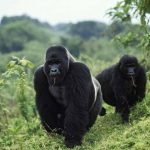
Volcanoes National Park, Rwanda: Everything Before You Go
Volcanoes National Park in Rwanda is one of Africa’s most remarkable wildlife destinations, famous for endangered mountain gorillas, golden monkeys, volcanic mountains and breathtaking highland scenery. Located in north-western Rwanda, the park protects part of the Virunga Mountains, a volcanic landscape shared by Rwanda, Uganda and the Democratic Republic of Congo.
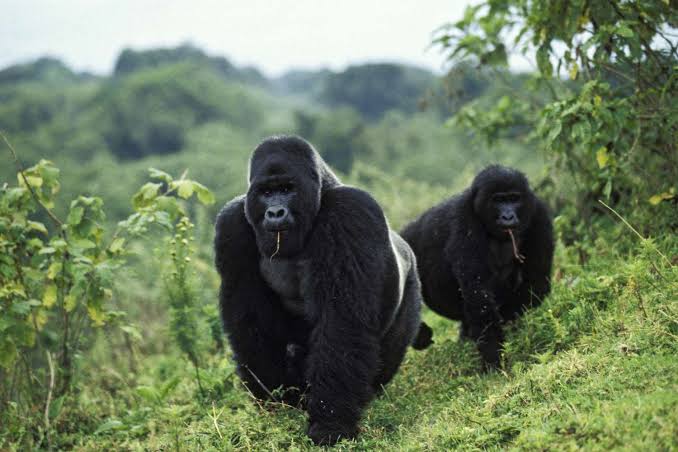
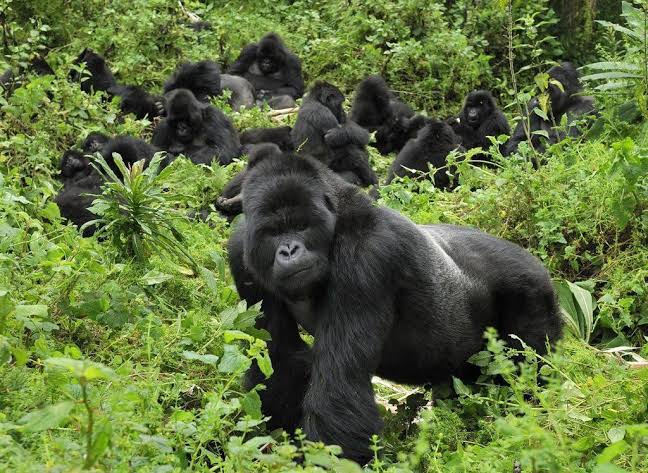
For many visitors, the main attraction is mountain gorilla trekking. This experience allows travellers to walk through natural forest habitats with professional ranger-guides and observe a habituated mountain gorilla family for up to one hour.
However, Volcanoes National Park offers much more than gorilla trekking. Visitors can track golden monkeys, climb Mount Bisoke, explore the legacy of gorilla researcher Dian Fossey, enjoy birdwatching and visit surrounding communities.
The park is also convenient for international travellers because it is approximately two to three hours by road from Kigali, Rwanda’s capital.
The standard international gorilla trekking permit currently costs US$1,500 per person. Travellers planning a visit in 2027 should confirm the applicable rates and any promotional conditions before booking.
This complete Volcanoes National Park visitor guide explains the park’s location, gorilla trekking experiences, permit prices, wildlife, accommodation, activities and practical information you need before visiting Rwanda.
Where Is Volcanoes National Park Located?
Volcanoes National Park is situated in Musanze District in north-western Rwanda, close to the borders with Uganda and the Democratic Republic of Congo.
The park covers approximately 160 square kilometres and protects the Rwandan slopes of the Virunga Mountains.
Its landscape includes bamboo forests, montane vegetation, volcanic slopes and high-altitude habitats.
Five of the eight Virunga volcanoes are associated with the Rwandan section of the mountain range: Karisimbi, Bisoke, Sabyinyo, Gahinga and Muhabura.
Mount Karisimbi is the highest, reaching approximately 4,507 metres above sea level.
Volcanoes National Park was first established in 1925 and is recognised as one of Africa’s earliest protected areas.
Quick Facts About Volcanoes National Park
| Feature | Details |
|---|---|
| Country | Rwanda |
| Location | Musanze District, north-western Rwanda |
| Park size | Approximately 160 km² |
| First established | 1925 |
| Main attraction | Mountain gorilla trekking |
| Other famous primates | Golden monkeys |
| Standard international gorilla permit | US$1,500 |
| Gorilla viewing time | Up to one hour |
| Minimum gorilla trekking age | 15 years |
| Distance from Kigali | Approximately 105–120 km by road |
| Managing authority | Rwanda Development Board |
Mountain Gorilla Trekking in Volcanoes National Park
Mountain gorilla trekking is the park’s most popular activity.
Visitors join trained ranger-guides and trackers who help locate habituated gorilla families within the forest.
Gorillas move freely throughout their habitat, so trekking routes and walking times vary.
Some groups may encounter gorillas after a relatively short hike, while others spend several hours walking through muddy trails and steep mountain vegetation.
The experience begins with a morning briefing at the designated park headquarters area.
Rangers explain the rules, visitor safety and appropriate behaviour around gorillas.
Visitors are then allocated to trekking groups.
A maximum of eight tourists can visit one habituated gorilla family during a standard trek.
What Happens When You Find the Gorillas?
Once your trekking group reaches the assigned gorilla family, the ranger guides you to an appropriate viewing position.
You may observe silverbacks resting, mothers caring for infants or young gorillas playing.
Mountain gorillas spend much of their day feeding, resting and interacting with family members.
Visitors receive a maximum of one hour of observation.
The exact behaviour you witness depends on the animals.
Gorilla sightings are highly likely during organised trekking, but wildlife encounters cannot be guaranteed.
Rwanda Gorilla Trekking Permit Prices
The Rwanda Development Board manages gorilla trekking permits for Volcanoes National Park.
The standard international visitor permit costs US$1,500 per person.
Rwanda also provides separate rates and selected promotional arrangements for qualifying visitor categories.
Gorilla Permit Price Information
| Permit category | Published standard or eligible rate |
|---|---|
| Standard international visitor | US$1,500 |
| Rwandan and qualifying East African Community citizens | US$200 |
| Other eligible categories | Subject to official classification |
| Conditional promotional permits | Subject to published terms |
Some promotional rates have applied during specific periods or to travellers combining gorilla trekking with other qualifying Rwanda tourism experiences.
However, discounts are not automatically available to every visitor or every date.
Confirm the applicable rate directly through the official booking arrangements before making payment.
What Does the Gorilla Permit Include?
The permit covers the authorised gorilla trekking activity, including official ranger guiding and the standard one-hour viewing period.
Accommodation, private transport, meals, travel insurance and personal porter services are normally separate expenses.
The minimum gorilla trekking age is 15 years.
How to Book a Gorilla Trekking Permit in Rwanda
Gorilla permits should be arranged through Rwanda Development Board’s official reservation arrangements or a verified safari operator.
For popular travel periods, booking several months ahead is advisable.
Travellers planning June, July, August or major holiday departures should consider making reservations six to twelve months in advance.
Booking Process
-
Choose your preferred trekking date.
-
Confirm the number of travellers.
-
Check permit availability.
-
Provide the required personal information.
-
Confirm the applicable permit price.
-
Make payment through verified instructions.
-
Obtain official booking confirmation.
-
Arrange accommodation and transport.
Your passport details should match the information recorded for the permit.
Do not purchase permits from unverified sellers advertising unrealistic discounts.
Golden Monkey Tracking in Volcanoes National Park
Golden monkey tracking is another popular wildlife experience in Volcanoes National Park.
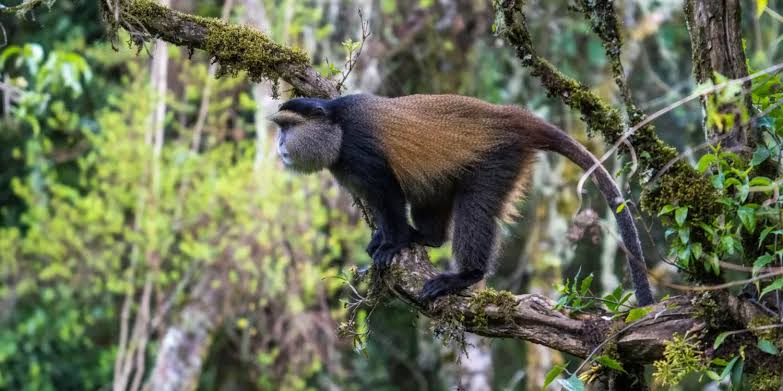
These endangered primates are recognised by their golden-orange fur, dark facial markings and energetic movements.
Golden monkeys live in forest and bamboo habitats along the Virunga slopes.
Unlike gorillas, which often spend considerable time resting, golden monkeys frequently move between bamboo stems while feeding.
This makes the experience interesting for wildlife enthusiasts and photographers.
What to Expect
Golden monkey tracking generally begins with a morning briefing.
Visitors follow professional guides into the forest to locate a habituated monkey group.
Once the monkeys are found, the standard viewing period is approximately one hour.
The activity is often less physically demanding than a difficult gorilla trek, although walking conditions vary.
The standard international golden monkey tracking permit is approximately US$100 per person under published rates.
This activity requires a separate permit.
Volcano Hiking in Rwanda
Volcanoes National Park offers some of Rwanda’s most rewarding mountain hiking experiences.
Several volcanoes provide opportunities to explore high-altitude landscapes, volcanic vegetation and impressive viewpoints.
1. Mount Bisoke
Mount Bisoke rises to approximately 3,711 metres above sea level.
The mountain is famous for its crater lake near the summit.
Hiking Mount Bisoke generally requires a full day.
The route passes through changing vegetation and can become slippery after rainfall.
Visitors should be reasonably fit and prepared for steep climbing.
2. Mount Karisimbi
Mount Karisimbi is Rwanda’s highest volcano, reaching approximately 4,507 metres.
Climbing Karisimbi is a demanding adventure usually arranged over two days.
The hike involves high-altitude conditions, cold temperatures and significant physical effort.
It is most suitable for experienced or well-prepared hikers.
3. Mount Muhabura
Mount Muhabura, also called Muhavura, rises to approximately 4,127 metres.
Its steep slopes make the climb physically demanding.
On clear days, hikers may enjoy views of the surrounding volcanoes and landscapes.
4. Mount Gahinga
Mount Gahinga is another volcanic mountain within the Virunga range.
The slopes contain bamboo vegetation and other mountain habitats.
Its summit reaches approximately 3,474 metres.
5. Mount Sabyinyo
Mount Sabyinyo is known for its rugged peaks and its position near the meeting point of Rwanda, Uganda and the Democratic Republic of Congo.
Visitor routes and permitted access vary by country and park arrangements.
The well-known summit ladder trek is normally approached through Uganda’s Mgahinga Gorilla National Park, so travellers should not assume the same route is available from Rwanda.
Dian Fossey Tomb and Karisoke Research Site
Dian Fossey played an important role in mountain gorilla research and conservation.
She began studying mountain gorillas in the Virunga Mountains during the 1960s.
Her research helped increase international awareness of gorilla behaviour and the threats facing the species.
Today, visitors can arrange a guided hike associated with her former Karisoke Research Centre and burial site.
The experience combines forest walking, conservation history and mountain scenery.
The route can be physically demanding, particularly in wet conditions.
It is an additional paid activity rather than part of the standard gorilla permit.
Wildlife and Birdwatching in Volcanoes National Park
Although mountain gorillas are the park’s most famous residents, Volcanoes National Park protects several other species.
Golden monkeys are particularly important because they are associated with the Virunga region.
Other wildlife includes forest mammals, smaller primates and various bird species.
Birdwatchers may search for Albertine Rift species such as the Rwenzori turaco, handsome francolin and other mountain forest birds.
The park’s different vegetation zones create varied habitats.
However, wildlife sightings outside organised gorilla and golden monkey tracking are not guaranteed.
Birdwatching is best arranged with a guide who understands the forest’s species and habitats.
Best Time to Visit Volcanoes National Park
Volcanoes National Park is open for tourism throughout the year, although rainfall affects trekking conditions.
Rwanda generally experiences relatively dry periods from June to September and December to February.
Rainfall is often heavier from March to May and during October and November.
However, mountain weather can change quickly, and rain is possible in every month.
Seasonal Visiting Guide
| Period | General conditions | Suitable activities |
|---|---|---|
| December–February | Relatively drier conditions | Gorilla trekking, golden monkeys and hiking |
| March–May | Frequent rainfall and muddy trails | Gorilla trekking and forest experiences |
| June–September | Popular relatively dry period | Gorilla trekking, photography and volcano hiking |
| October–November | Generally wetter conditions | Gorilla trekking and cultural experiences |
The dry season is especially popular with visitors who want easier walking conditions.
However, a dry-season visit does not guarantee clear weather or shorter treks.
If you are interested in promotional permits, check the conditions for your specific travel dates before making reservations.
How to Get to Volcanoes National Park From Kigali
Volcanoes National Park is relatively easy to reach from Kigali International Airport.
Most visitors travel by road through Rwanda’s scenic countryside towards Musanze.
The journey usually takes approximately two to three hours, depending on traffic, weather and your accommodation location.
Private safari vehicles are convenient because they provide direct transfers between the airport, hotel and park.
Travellers can also use public transport to Musanze before arranging local transport to their accommodation.
However, public transport does not normally provide the complete early morning transfer required for gorilla trekking.
Can You Visit Volcanoes National Park in One Day?
A one-day gorilla trekking trip from Kigali is possible with careful planning.
However, it requires a very early departure, a confirmed permit and reliable private transport.
Most travellers will find it more comfortable to spend at least one night near the park before trekking.
Two or three days provide a better opportunity to enjoy the surrounding area without rushing.
Where to Stay Near Volcanoes National Park
Accommodation around Volcanoes National Park ranges from affordable guesthouses to internationally recognised luxury lodges.
Musanze provides a range of practical accommodation options, while premium lodges are located in the surrounding countryside.
Budget Accommodation
Budget accommodation generally provides basic rooms, private or shared facilities and simple meals.
These properties suit travellers who want to spend most of their budget on the gorilla permit.
Mid-Range Accommodation
Mid-range lodges offer comfortable rooms, private bathrooms, attractive surroundings and restaurant facilities.
Examples of established accommodation in the wider area include Five Volcanoes Boutique Hotel and Le Bambou Gorilla Lodge.
Check the current room categories and services before booking.
Luxury Accommodation
Rwanda is known for several premium properties near Volcanoes National Park.
These include Singita Kwitonda Lodge, Wilderness Bisate and One&Only Gorilla’s Nest.
Luxury properties may offer spacious accommodation, wellness facilities, personalised hospitality and excellent views.
However, staying in an expensive lodge does not guarantee a particular gorilla family or additional viewing time.
Example Three-Day Volcanoes National Park Safari
Day 1: Kigali to Volcanoes National Park
Arrive in Kigali and meet your safari driver-guide.
Travel towards Musanze, enjoying views of Rwanda’s green hills and agricultural landscapes.
Check into your accommodation near the park.
Spend the afternoon relaxing before dinner.
Day 2: Gorilla Trekking
After an early breakfast, travel to the designated gorilla trekking briefing point.
Meet the park ranger-guides and receive instructions.
Enter the forest to search for your assigned gorilla family.
Spend up to one hour observing the gorillas once they are located.
Return to your lodge for lunch or relaxation.
Day 3: Golden Monkey Tracking and Return to Kigali
Begin the morning with a separate golden monkey tracking activity, if booked.
After trekking, return to your accommodation, collect your luggage and travel back to Kigali.
If you have an international flight, leave sufficient time for the return journey and airport procedures.
How Much Does a Volcanoes National Park Safari Cost?
A complete gorilla safari costs more than the permit alone.
Accommodation, transport, meals and personal expenses increase the total.
The following is an illustrative three-day budget for one international visitor sharing transport and accommodation.
| Expense | Estimated cost |
|---|---|
| Gorilla trekking permit | US$1,500 |
| Two nights’ mid-range accommodation | US$300 |
| Shared private transport | US$250 |
| Meals and drinking water | US$80 |
| Additional personal expenses | US$70 |
| Estimated total | US$2,200 |
These are planning estimates, not confirmed accommodation or operator quotations.
The budget excludes international flights, travel insurance, visas where applicable and optional activities.
A solo traveller using a private vehicle may pay considerably more.
What to Pack for Volcanoes National Park
The park’s mountainous environment can be cool and wet, even during relatively dry months.
Suitable clothing and equipment will improve your trekking experience.
Bring waterproof hiking boots with reliable grip, long trousers, long-sleeved shirts and a lightweight waterproof jacket.
Gardening-style gloves can help protect your hands when using vegetation for support along muddy trails.
Carry a small daypack with drinking water, packed food, prescribed medication and other essentials.
Photographers should bring a suitable camera and protect equipment from rain.
Flash photography is prohibited during gorilla encounters.
For volcano hiking, pack additional warm clothing and confirm any specialist equipment requirements with your guide.
Gorilla Trekking Rules in Volcanoes National Park
Rwanda Development Board applies regulations designed to protect both visitors and mountain gorillas.
The minimum trekking age is 15 years.
A maximum of eight tourists can visit one habituated gorilla family during a standard trek.
Visitors are required to follow the ranger’s distance instructions. Rwanda’s published gorilla tracking rules specify a minimum distance of seven metres, although guides may direct visitors to remain farther away.
Do not touch, feed or approach gorillas without instructions.
Flash photography is prohibited.
Eating and drinking are not permitted during the close gorilla encounter.
Visitors experiencing symptoms of a contagious illness should report them before trekking.
Mountain gorillas can contract human diseases, particularly respiratory infections.
Health and Safety Before Visiting
Volcanoes National Park lies at a relatively high elevation.
Some visitors may experience tiredness, breathlessness or difficulty walking on steep terrain.
If you have a medical condition that may affect trekking, obtain appropriate advice before travelling.
Rwanda is also a malaria-risk destination, although risk varies by location and altitude.
Consult a qualified healthcare professional about malaria prevention and recommended travel vaccinations.
Travel insurance should cover mountain activities, emergency medical treatment and evacuation where appropriate.
Before leaving your lodge, confirm the contact information for your driver-guide and accommodation.
During trekking, inform your ranger immediately if you feel unwell or become injured.
Frequently Asked Questions
1. Is Volcanoes National Park worth visiting?
Yes. The park offers mountain gorilla trekking, golden monkey tracking, volcano hiking, birdwatching and conservation-related experiences in a beautiful mountain landscape.
2. How much is a Rwanda gorilla trekking permit?
The currently published standard international visitor price is US$1,500. Travellers planning for 2027 should confirm the rate applicable to their booking date.
3. How many days do you need in Volcanoes National Park?
Two nights and three days are suitable for gorilla trekking and one additional activity. Visitors interested in volcano hiking may need more time.
4. How far is Volcanoes National Park from Kigali?
The park area is approximately two to three hours from Kigali by road, depending on traffic and accommodation location.
5. Can children go gorilla trekking in Rwanda?
Children must be at least 15 years old to participate in mountain gorilla trekking.
6. Can you see golden monkeys in Volcanoes National Park?
Yes. Golden monkey tracking is a separate authorised activity available in the park.
7. Is gorilla trekking difficult?
Difficulty varies depending on the gorillas’ location, terrain and weather. Some hikes are manageable, while others are physically demanding.
8. Can you visit Volcanoes National Park without trekking gorillas?
Yes. Visitors can arrange golden monkey tracking, authorised hikes, birdwatching and cultural activities in the surrounding area.
Volcanoes National Park in Rwanda is one of Africa’s leading mountain gorilla trekking destinations, offering close wildlife encounters, remarkable volcanic scenery and a variety of outdoor activities.
Its location near Kigali makes it particularly suitable for short gorilla safaris, while surrounding lodges provide accommodation for different budgets.
The standard international gorilla trekking permit costs US$1,500 under the currently published tariff, and each standard encounter allows up to one hour with a habituated gorilla family.
Visitors can also explore golden monkey habitats, hike Mount Bisoke, learn about Dian Fossey’s conservation work and experience communities around Musanze.
Before travelling, confirm permit availability, accommodation, transport and the latest visitor regulations.
Whether you are planning a short gorilla trekking holiday or a longer Rwanda safari, careful preparation will help you enjoy the park safely and responsibly.