Virunga National Park: Gorilla Trekking in the Democratic Republic of Congo
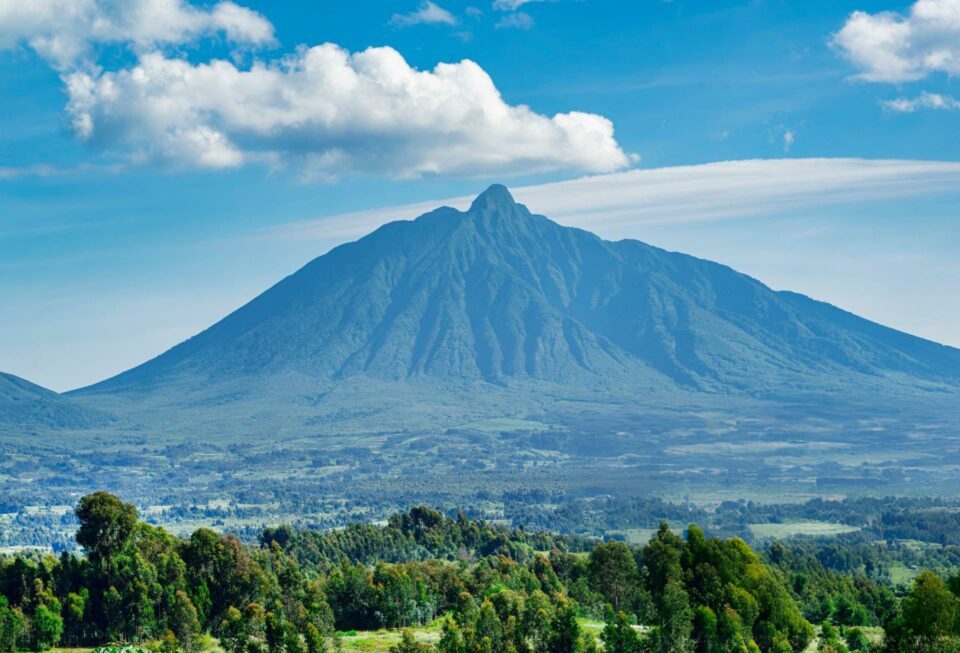
Virunga National Park is one of Africa’s most important conservation areas, famous for endangered mountain gorillas, volcanic mountains, tropical forests and remarkable wildlife diversity. Located in the eastern Democratic Republic of Congo (DR Congo), the park protects part of the Virunga Mountains, a region shared with Uganda and Rwanda.
Established in 1925, Virunga is Africa’s oldest national park and a UNESCO World Heritage Site. It covers approximately 7,800 square kilometres, making it considerably larger than Uganda’s Bwindi Impenetrable National Park and Rwanda’s Volcanoes National Park.
Mountain gorilla trekking has historically been one of Virunga’s most popular tourism activities. Visitors travelled into the park with authorised ranger-guides to observe habituated gorilla families in their natural environment.
However, as of 23 November 2026, gorilla trekking and Mount Nyiragongo trekking in Virunga National Park remain closed until further notice. The park has not announced a confirmed reopening date or an official bookable gorilla permit price for 2027.
The closure is particularly important because security conditions in eastern DR Congo remain unstable, with armed conflict affecting parts of North Kivu. Travellers should not treat older gorilla trekking advertisements as evidence that tours are currently operating.
Where Is Virunga National Park Located?
Virunga National Park is situated in eastern DR Congo, primarily within North Kivu and Ituri provinces.
The park extends through a diverse landscape that includes the Virunga volcanoes, Lake Edward, tropical forests, savannah and the Rwenzori mountain region.
Its southern section lies near Goma and the borders with Rwanda and Uganda.
The park’s varied elevation supports several distinct wildlife habitats. These range from lowland environments to mountain forests and high-altitude vegetation.
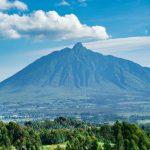
Virunga also contains active volcanoes, including Mount Nyiragongo and Mount Nyamuragira.
Quick Facts About Virunga National Park
| Feature | Details |
|---|---|
| Country | Democratic Republic of Congo |
| Location | Eastern DR Congo |
| Established | 1925 |
| Park size | Approximately 7,800 km² |
| UNESCO status | World Heritage Site since 1979 |
| Main primate attraction | Mountain gorillas |
| Other wildlife | Chimpanzees, elephants, hippos and numerous bird species |
| Famous volcanoes | Nyiragongo and Nyamuragira |
| Managing organisation | Institut Congolais pour la Conservation de la Nature, working with Virunga conservation partners |
| Gorilla trekking status | Closed until further notice as of November 2026 |
| Confirmed reopening date | Not announced |
Is Gorilla Trekking in Virunga National Park Open?
As of November 2026, the park’s official visitor information states that gorilla trekking remains suspended.
Mount Nyiragongo trekking is also closed.
The suspension means tourists should not book a Virunga gorilla trekking departure for a specific date unless the park has formally announced that the activity has reopened.
Some older safari websites continue to advertise three-day Congo gorilla safaris or historical permit prices.
These descriptions may reflect arrangements that operated before the closure.
They should not be interpreted as confirmation of current availability.
Why Is Virunga Gorilla Trekking Closed?
Eastern DR Congo has experienced prolonged insecurity involving armed groups, military operations and displacement of local communities.
Parts of North Kivu, including areas around Virunga, have been affected by conflict.
These conditions can threaten local residents, park personnel and visitors.
The park’s ability to reopen tourism depends on security, operational capacity and official management decisions.
Several foreign governments currently advise against travel to North Kivu.
Travellers should not attempt to enter closed trekking areas independently or arrange unofficial visits through unverified guides.
Mountain Gorillas in Virunga National Park
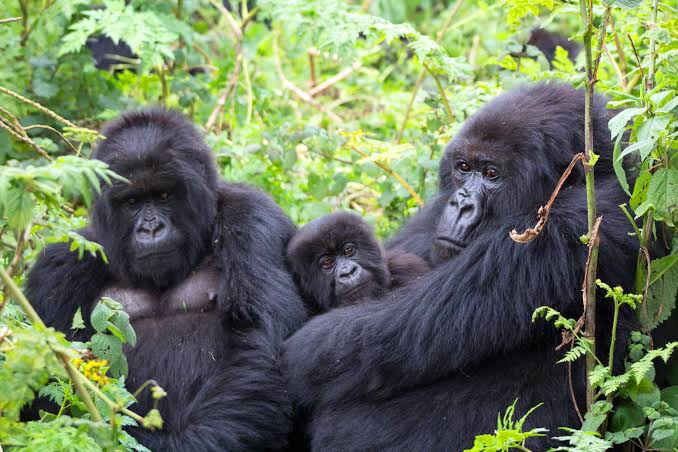
Virunga protects an important part of the mountain gorilla population found in the Virunga Massif.
Mountain gorillas live in the highland forests spanning DR Congo, Rwanda and Uganda.
They are a subspecies of the eastern gorilla and are recognised by their thick fur, powerful bodies and complex social behaviour.
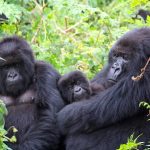
Gorilla families generally include a dominant silverback, adult females, juveniles and infants.
The silverback helps protect the group and influences its movements.
Gorillas spend much of their time feeding on vegetation, resting and interacting with other family members.
Why Are Virunga’s Gorillas Important?
The mountain gorilla population is limited to two geographical areas: the Virunga Massif and Uganda’s Bwindi region.
Conservation efforts across these landscapes have helped protect the species from extinction.
However, mountain gorillas remain endangered and vulnerable to habitat pressure, infectious diseases and conflict-related threats.
Virunga’s gorilla families therefore require continued protection even when tourism is suspended.
What Was Gorilla Trekking in Virunga Like?
Before the current suspension, visitors could participate in guided gorilla trekking within designated parts of the park.
The activity involved travelling to the authorised starting location and receiving a briefing from park personnel.
Ranger-guides then accompanied participants into the forest to locate a habituated gorilla family.
Walking times varied depending on where the gorillas had moved.
Some treks involved relatively manageable forest paths, while others required longer walks across steep and muddy terrain.
Once the gorillas were located, visitors were normally allowed up to one hour of observation.
What Could Visitors See?
During a successful trek, visitors might observe gorillas feeding, grooming, playing or resting.
Young gorillas sometimes interacted with one another while adults remained nearby.
The silverback could often be seen watching over the family.
However, gorillas are wild animals, and their movements and behaviour cannot be controlled.
These descriptions explain historical trekking experiences. They do not mean that tourist gorilla trekking is currently available in Virunga.
Virunga Gorilla Permit Prices
Before the closure, Virunga was known for offering gorilla trekking permits at prices considerably lower than Rwanda’s standard international permit.
Historical travel guides frequently quoted approximately US$400 per person for a standard Virunga gorilla permit.
However, US$400 is a historical reference, not a confirmed or currently bookable permit price for 2027.
No reliable current tariff can be provided while official tourist gorilla trekking remains closed.
Gorilla Permit Comparison
| Destination | International visitor permit | Current tourism status |
|---|---|---|
| Virunga National Park, DR Congo | No confirmed bookable 2027 rate | Closed |
| Bwindi, Uganda | US$800 standard foreign non-resident rate | Trekking available |
| Mgahinga, Uganda | US$800 standard foreign non-resident rate | Trekking available |
| Volcanoes National Park, Rwanda | US$1,500 standard international rate | Trekking available |
Uganda also publishes qualifying low-season permit rates during April, May and November.
These prices are useful for travellers comparing alternatives while Virunga remains closed.
Mount Nyiragongo: Virunga’s Famous Volcano
Mount Nyiragongo is one of the most recognised volcanoes in Africa.
Located near Goma, the volcano reaches approximately 3,470 metres above sea level.
It has historically attracted visitors interested in volcanic landscapes and the activity within its crater.
Nyiragongo is particularly famous for its history of lava lakes.
Before tourism was suspended, guided overnight climbs allowed visitors to hike towards the crater area.
These experiences required physical preparation because of steep slopes, changing weather and high-altitude conditions.
However, Nyiragongo tourist treks remain closed until further notice.
The volcano is active, and volcanic activity creates hazards independent of the region’s security situation.
Travellers should not attempt unofficial climbs or access routes.
Other Wildlife in Virunga National Park
Virunga’s exceptional biodiversity extends beyond mountain gorillas.
The park supports different ecosystems, each providing habitats for a variety of wildlife species.
These include tropical forest mammals, savannah animals, wetland species and numerous birds.
Chimpanzees
Chimpanzees inhabit some of Virunga’s forest environments.
They live in social communities and display complex communication and feeding behaviour.
Conservation teams have historically monitored chimpanzee populations within the park.
However, tourist chimpanzee tracking should not be assumed available during the current restrictions.
African Elephants
Virunga supports elephant populations in parts of its wider protected landscape.
Elephants play an important ecological role by influencing vegetation and dispersing seeds.
Their conservation requires habitat protection and measures to reduce poaching and conflict.
Hippopotamuses
The Lake Edward region has historically supported important hippopotamus populations.
Hippos depend on suitable water habitats and nearby grazing areas.
Their numbers have been affected by past poaching and insecurity.
Birdlife
Virunga contains many bird habitats, including forests, wetlands and high-altitude environments.
Its bird diversity is one reason the park is internationally important for conservation.
However, birdwatching tourism remains subject to official access restrictions and security conditions.
Virunga National Park and Conservation Challenges
Virunga’s conservation work has continued through periods of serious insecurity.
Protecting a national park of approximately 7,800 square kilometres requires considerable financial resources, trained personnel and cooperation with neighbouring communities.
Park rangers monitor wildlife, protect habitats and respond to threats where access and conditions permit.
However, conservation work in eastern DR Congo can be extremely dangerous.
Armed conflict, illegal resource extraction, poaching and displacement have created major challenges for wildlife protection.
Some rangers have lost their lives while carrying out conservation duties.
How Virunga Supports Local Communities
Conservation organisations working in the Virunga region have supported projects intended to improve local livelihoods.
These have included investment in electricity, agricultural enterprises and employment opportunities.
One example is Virunga’s work involving hydroelectric power and economic development.
Access to reliable electricity can help businesses operate and create jobs.
The wider conservation approach recognises that communities living near protected areas need economic opportunities.
However, project delivery and public access can be affected by conflict.
Tourism revenue has historically helped finance conservation, but wildlife protection must continue even when visitor activities are suspended.
Accommodation in and Around Virunga
Before tourism closures, several accommodation properties were associated with Virunga National Park.
These included Mikeno Lodge, Kibumba Tented Camp and Tchegera Island Camp.
Mikeno Lodge
Mikeno Lodge is known for its forest environment and comfortable accommodation.
It historically served travellers visiting Virunga’s wildlife attractions.
The surrounding area has also been associated with conservation activities and forest wildlife.
Kibumba Tented Camp
Kibumba Tented Camp was developed as accommodation for gorilla trekking visitors.
Its location historically provided convenient access to trekking arrangements.
Tchegera Island Camp
Tchegera Island Camp is associated with an island setting on Lake Kivu.
The property has offered accommodation in a distinctive lakeside environment.
These descriptions are historical and do not confirm that any property is currently open, accessible or suitable for tourist travel.
Visitors should not assume that accommodation advertisements establish safe access to Virunga.
How Travellers Historically Reached Virunga National Park
Before the present restrictions, many international travellers approached the Virunga region through Goma.
Some visitors arrived through Rwanda and crossed into DR Congo using authorised immigration arrangements.
Others travelled within DR Congo before reaching park facilities.
However, current security conditions have substantially changed the practical travel situation.
Border operations, movement restrictions and security arrangements may change without notice.
Can You Travel From Kigali to Virunga?
The geographical distance between Kigali and Goma is relatively short compared with many East African safari routes.
However, geographical proximity does not mean that the journey is currently safe or suitable for tourism.
Travellers should not attempt to cross into North Kivu for a closed gorilla trekking activity.
Do not rely on older itineraries showing routine transfers between Kigali, Goma and Virunga.
Any future reopening would require updated information covering border procedures, park access, immigration rules and official security arrangements.
Is Virunga National Park Safe to Visit?
Safety is the most important consideration when discussing tourism in Virunga.
As of November 2026, armed conflict and instability continue to affect parts of eastern DR Congo.
Travel advisories from several governments warn against visiting North Kivu, including Virunga National Park.
The park’s official suspension of gorilla trekking remains in force.
Consequently, Virunga should not currently be promoted as an operational gorilla trekking destination.
Why Unofficial Gorilla Trekking Is Dangerous
A person advertising private access to Virunga’s gorillas may be offering a service without official authorisation.
Such arrangements can expose travellers to serious security risks.
They may also bypass wildlife protection procedures and legitimate park management.
Furthermore, travel insurance may exclude claims arising from journeys to destinations subject to official warnings against travel.
For these reasons, visitors should avoid making non-refundable travel commitments based on promises of unofficial park access.
Best Time to Visit Virunga National Park
Virunga’s climate varies considerably because of its large geographical area and elevation differences.
The Virunga mountain region generally experiences relatively drier periods around June to September and December to February.
Rainfall can occur throughout the year.
Historically, drier periods were popular for gorilla trekking and volcanic hiking because forest paths could be easier to navigate.
However, there is no recommended gorilla trekking travel season while the activity remains closed.
The priority is an official reopening supported by safe, authorised tourism operations.
Seasonal weather should only become part of your travel decision after those conditions are met.
Virunga vs Bwindi vs Volcanoes National Park
Travellers interested in mountain gorillas have traditionally compared DR Congo, Uganda and Rwanda.
Although these destinations protect the same mountain gorilla subspecies, their landscapes and visitor arrangements differ.
| Feature | Virunga, DR Congo | Bwindi, Uganda | Volcanoes, Rwanda |
|---|---|---|---|
| Gorilla trekking | Currently closed | Available | Available |
| Landscape | Volcanic mountain forest | Dense mountain rainforest | Volcanic mountain forest |
| International permit | No current bookable tariff | US$800 | US$1,500 |
| Standard viewing period | Historically up to 1 hour | Up to 1 hour | Up to 1 hour |
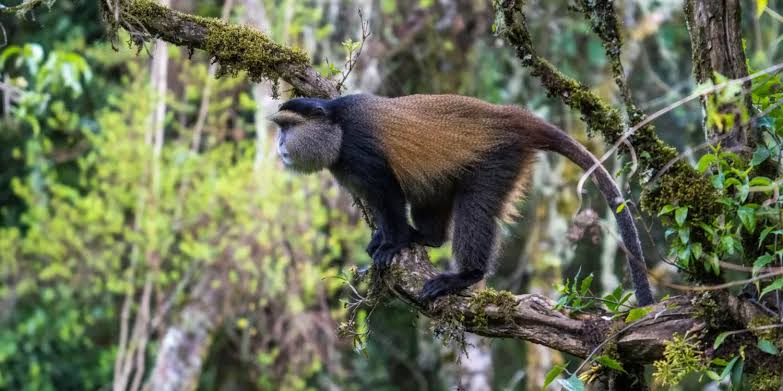
| Other attractions | Volcanoes, forests and lakes | Birdwatching, nature walks, community experiences | Golden monkeys and volcano hikes |
| Current planning suitability | Not suitable for booking | Suitable with confirmed permits | Suitable with confirmed permits |
Uganda and Rwanda are the practical alternatives for travellers who want to book mountain gorilla trekking while Virunga remains closed.
Alternative Gorilla Trekking Destinations
Bwindi Impenetrable National Park, Uganda
Bwindi is one of Africa’s most established mountain gorilla trekking destinations.
The park has four main trekking sectors: Buhoma, Ruhija, Rushaga and Nkuringo.
Its forest habitat offers opportunities to observe habituated gorilla families while exploring one of Uganda’s most biodiverse protected areas.
For 2027, the published standard foreign non-resident permit costs US$800.
Bwindi also offers a separate gorilla habituation experience for travellers interested in a longer observation period.
Mgahinga Gorilla National Park, Uganda
Mgahinga is located in south-western Uganda near the borders with Rwanda and DR Congo.
It protects part of the Virunga volcanic landscape and provides mountain gorilla trekking through authorised Uganda Wildlife Authority arrangements.
The park is also famous for golden monkey tracking and volcano hiking.
Mgahinga may particularly appeal to travellers interested in the Virunga environment without entering DR Congo.
Volcanoes National Park, Rwanda
Rwanda’s Volcanoes National Park offers gorilla trekking within the Virunga Mountains.
It is relatively easy to reach from Kigali, with road transfers normally taking approximately two to three hours.
The standard international gorilla trekking permit costs US$1,500.
Visitors can also arrange golden monkey tracking, selected volcano hikes and conservation-related experiences.
Frequently Asked Questions
1. Is Virunga National Park open for gorilla trekking?
No. As of 23 November 2026, official gorilla trekking remains closed until further notice.
2. How much is a Virunga gorilla permit in 2027?
No confirmed bookable 2027 permit price has been announced. Older prices of approximately US$400 refer to historical arrangements.
3. Why is Virunga National Park closed?
The park’s tourism activities have been suspended amid serious security and operational challenges affecting eastern DR Congo.
4. Are there mountain gorillas in Virunga?
Yes. Virunga protects mountain gorillas within the Virunga Massif, which extends across DR Congo, Rwanda and Uganda.
5. Can you climb Mount Nyiragongo?
Official tourist trekking on Mount Nyiragongo is currently closed until further notice.
6. Is Virunga a UNESCO World Heritage Site?
Yes. Virunga National Park became a UNESCO World Heritage Site in 1979.
7. Can I book a three-day Congo gorilla safari?
You should not book a Virunga gorilla trekking package while the official activity remains suspended. Confirm any future reopening directly through the park’s authorised tourism arrangements.
8. Where can I see mountain gorillas instead?
Uganda’s Bwindi and Mgahinga national parks and Rwanda’s Volcanoes National Park offer established gorilla trekking experiences.
9. Is Virunga worth visiting in the future?
Virunga has exceptional wildlife and landscapes. A future visit could be rewarding if authorised tourism resumes and the security situation allows safe travel.
10. Does the closure mean conservation work has stopped?
No. Virunga conservation personnel and partner organisations continue various conservation and community initiatives where conditions allow, despite serious operational challenges.
Virunga National Park is one of Africa’s most important protected areas, combining mountain gorilla habitat, active volcanoes, tropical forests, lakes and remarkable biodiversity.
Its conservation history makes it particularly significant for the protection of mountain gorillas and other endangered wildlife.
However, tourism conditions have changed considerably.
As of November 2026, official gorilla trekking and Mount Nyiragongo hiking remain closed until further notice, with no confirmed reopening date.
Travellers should therefore avoid purchasing advertised Virunga trekking permits or arranging unofficial park visits.
For those planning a mountain gorilla safari in 2027, Uganda’s Bwindi and Mgahinga national parks or Rwanda’s Volcanoes National Park provide established alternatives.
Virunga remains an important conservation destination, and any future return of responsible tourism should depend on official authorisation, operational readiness and improved security.
Understanding the park’s present circumstances helps travellers make informed decisions while respecting the conservation teams and communities facing difficult conditions in eastern DR Congo.