Gorilla Safari for Photographers: Gear, Light and Technique
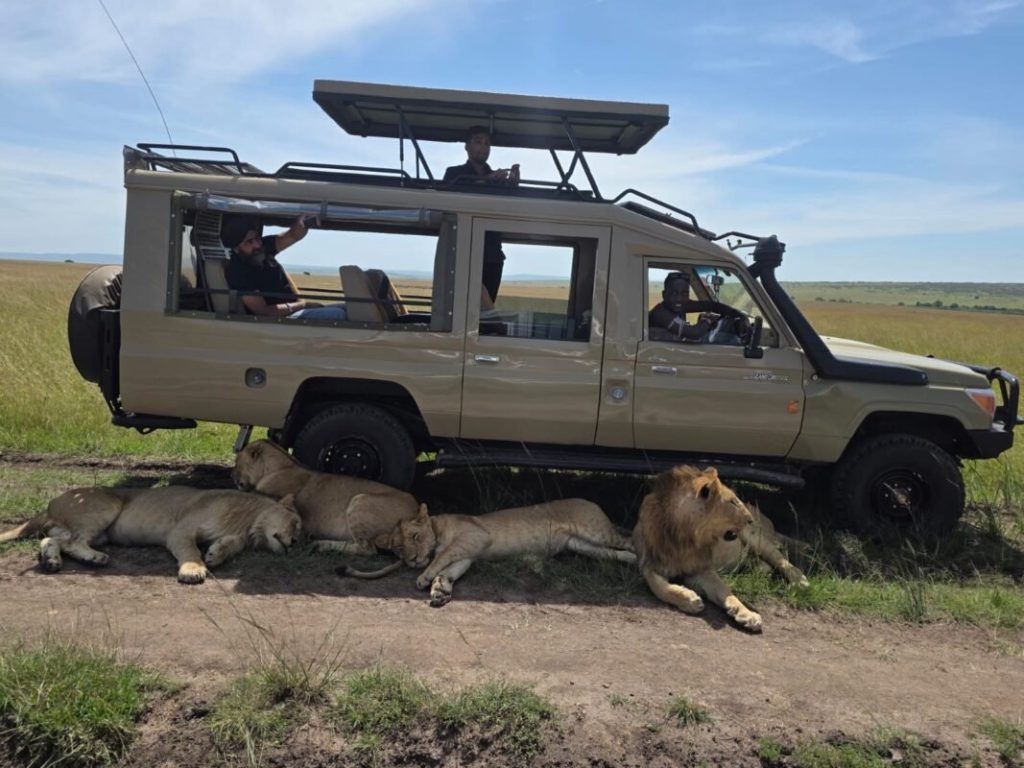
A gorilla safari for photographers offers a remarkable opportunity to capture mountain gorillas in their natural forest habitat. Uganda and Rwanda provide excellent photographic opportunities, allowing visitors to document gorilla behaviour, family relationships, facial expressions and the surrounding tropical vegetation.
However, photographing mountain gorillas presents several challenges. Dense forest canopies reduce available light, unpredictable weather affects visibility, and moving animals require quick camera adjustments. Carrying unsuitable equipment can also make trekking unnecessarily difficult.
Successful gorilla photography requires careful preparation, appropriate camera settings and patience. Whether you use a professional mirrorless camera, a DSLR or a smartphone, understanding forest conditions can improve your results.
This guide explains the equipment, lighting techniques, camera settings and practical preparation needed to capture memorable mountain gorilla photographs while respecting wildlife conservation regulations.
Best Destinations for a Gorilla Safari for Photographers
Choosing the right destination influences your photographic opportunities, although no national park guarantees perfect lighting or unobstructed gorilla encounters.
Bwindi Impenetrable National Park, Uganda
Bwindi offers photographers a dramatic forest environment characterised by dense vegetation, towering trees and mountainous terrain.
Its four trekking sectors provide opportunities to photograph gorillas surrounded by different natural backgrounds. Photographers can capture intimate portraits, feeding behaviour and interactions between family members.
However, thick vegetation and limited natural light require careful exposure adjustments.
Mgahinga Gorilla National Park, Uganda
Mgahinga offers attractive volcanic landscapes, bamboo vegetation and mountain forest environments.
Photographers interested in combining gorilla portraits with distinctive natural surroundings may find this destination particularly rewarding.
Permit availability is limited, making advance reservations important.
Volcanoes National Park, Rwanda
Volcanoes National Park features bamboo forests, mountainous vegetation and beautiful volcanic scenery.
Some forest openings provide better lighting opportunities, although weather and gorilla movements determine actual photographic conditions.
| Destination | Photographic characteristics |
|---|---|
| Bwindi | Dense vegetation and intimate forest portraits |
| Mgahinga | Bamboo vegetation and volcanic landscapes |
| Volcanoes National Park | Mountain scenery and varied forest backgrounds |
Best Camera Equipment for Gorilla Photography
Selecting appropriate photography equipment requires balancing image quality, flexibility and carrying weight.
DSLR and Mirrorless Cameras
Modern mirrorless and DSLR cameras offer excellent image quality and control over exposure settings.
Full-frame cameras generally perform well in low-light conditions. However, many crop-sensor cameras also produce excellent wildlife photographs.
Choose equipment you understand thoroughly rather than purchasing an unfamiliar camera immediately before travelling.
Practise adjusting shutter speed, aperture and ISO without looking through complicated menus.
Choosing the Right Camera Lens
Gorilla photography rarely requires extremely long telephoto lenses because visitors observe animals within forest environments rather than across open grasslands.
A versatile zoom lens allows you to capture portraits, behavioural details and wider environmental photographs while maintaining the required distance.
| Camera lens | Recommended use |
|---|---|
| 24–70mm | Forest landscapes and wider compositions |
| 24–105mm | Flexible environmental photography |
| 70–200mm | Gorilla portraits and family interactions |
| 100–400mm | Distant subjects and detailed expressions |
| 50mm prime lens | Low-light photography when composition permits |
A 70–200mm f/2.8 lens is particularly useful because its wide aperture allows more light to reach the camera sensor.
Avoid carrying excessive equipment. Heavy camera bags become uncomfortable during lengthy forest treks.
Recommended Camera Settings for Gorilla Photography
Forest lighting can change quickly. Photographers must adjust camera settings according to animal movements, vegetation and available light.
| Camera setting | Recommended starting point |
|---|---|
| Shooting mode | Manual with Auto ISO |
| Aperture | f/2.8–f/5.6 |
| Shutter speed | 1/250–1/500 second |
| Active gorillas | 1/1000 second or faster |
| ISO | 800–6400, depending on light |
| Focus mode | Continuous autofocus |
| Image format | RAW |
| White balance | Auto |
| Flash | Disabled |
| Drive mode | Continuous shooting |
These settings provide a useful starting point rather than fixed rules. Adjust them according to your camera’s performance and shooting conditions.
Aperture Settings
A wide aperture, such as f/2.8 or f/4, helps photographers work in darker forest environments while separating gorillas from distracting backgrounds.
When photographing several gorillas together, consider using f/5.6 or f/8 to increase depth of field, provided sufficient light is available.
Shutter Speed
Gorillas sometimes remain relatively still while feeding or resting. A shutter speed of 1/250 second may produce sharp photographs under suitable conditions.
Increase your shutter speed when photographing playful infants, climbing gorillas or sudden movements.
ISO Settings
Higher ISO settings allow faster shutter speeds in poorly illuminated forests. Modern cameras can produce usable photographs at ISO 3200 or 6400, depending on sensor performance.
A slightly noisy photograph is often preferable to an image ruined by motion blur.
Understanding Natural Light in Gorilla Photography
Natural lighting presents one of the biggest challenges during a gorilla safari for photographers.
Working Under Dense Forest Canopies
Tall trees and thick vegetation prevent much sunlight from reaching the forest floor. Dark gorilla fur can make obtaining accurate exposure particularly challenging.
Check your camera’s histogram occasionally to ensure important facial details remain visible.
Adjust exposure compensation when necessary, especially when bright leaves appear behind your subject.
Photographing Gorillas on Cloudy Days
Overcast conditions often provide soft, evenly distributed light. This reduces harsh shadows and helps reveal facial expressions and fur texture.
Although cloudy conditions may require higher ISO settings, they can produce attractive wildlife portraits.
Managing Bright Sunlight
Direct sunlight passing through forest vegetation creates bright patches and dark shadows.
Where your ranger permits, adjust your shooting position slightly to avoid distracting highlights. Wait patiently for gorillas to move naturally into more favourable light.
Never attempt to reposition an animal.
Techniques for Capturing Better Gorilla Photographs
Focus on the Eyes
Sharp eyes are particularly important when photographing mountain gorilla portraits. Select an appropriate autofocus point or use animal eye detection when your camera supports it.
Check that vegetation between you and the gorilla does not interfere with autofocus.
Capture Natural Behaviour
Some of the most interesting photographs document everyday gorilla activities. Look for feeding, grooming, resting, climbing and interactions between family members.
Rather than taking hundreds of identical portraits, observe the animals and anticipate interesting moments.
Include the Forest Environment
Wider photographs help communicate the relationship between mountain gorillas and their habitat.
Include bamboo, surrounding vegetation or natural forest openings when composing your photographs.
Environmental images provide useful variety when preparing travel albums, photography portfolios or wildlife publications.
Protecting Camera Equipment During Gorilla Trekking
Tropical forest conditions can expose cameras to rainfall, humidity, mud and accidental impacts.
Carry a waterproof camera backpack, protective lens covers, cleaning cloths and a camera rain cover.
Avoid changing lenses during heavy rainfall or in particularly dusty conditions.
When moving between air-conditioned rooms and humid outdoor environments, allow your equipment to adjust gradually to reduce condensation.
Hire a local porter if you are carrying several lenses or camera bodies.
Recommended Photography Packing List
| Equipment | Purpose |
|---|---|
| Primary camera | Main wildlife photography |
| Backup camera | Protection against equipment failure |
| Telephoto zoom lens | Portraits and behavioural photographs |
| Wide-angle lens | Forest environments |
| Spare batteries | Extended shooting time |
| Additional memory cards | Photograph storage |
| Waterproof backpack | Equipment protection |
| Microfibre cloth | Cleaning lenses |
| Camera rain cover | Protection during rainfall |
| Portable storage drive | Photograph backups |
Gorilla Photography Rules and Responsible Behaviour
Photographers must respect national park regulations throughout their encounter.
Disable flash photography before entering the forest. Follow the ranger’s instructions regarding viewing distances, permitted movements and protective face masks.
Standard gorilla encounters normally provide one hour of observation time.
Do not call gorillas, imitate their sounds, touch vegetation to attract their attention or obstruct other visitors while composing photographs.
Animal welfare takes priority over obtaining a particular photograph.
Frequently Asked Questions
Can I photograph mountain gorillas with a smartphone?
Yes. Modern smartphones can produce attractive photographs, particularly when natural light is sufficient. Avoid excessive digital zoom and disable the flash.
Should I bring a tripod?
Tripods can be cumbersome in dense forests and restricted viewing areas. Handheld photography is generally more practical. Confirm whether additional support equipment is permitted.
Is a 70–200mm lens sufficient for gorilla photography?
Yes. This focal range provides excellent flexibility for portraits, behavioural photographs and medium-distance compositions.
Can photographers book additional gorilla trekking days?
Yes. Booking two separate trekking permits provides more photographic opportunities and potentially different lighting conditions.
Is RAW photography better for gorilla trekking?
RAW files retain more editing flexibility, particularly when correcting exposure, adjusting white balance and recovering shadow details.
A gorilla safari for photographers requires practical equipment, careful exposure adjustments and patience. Choosing versatile lenses, understanding natural forest light and respecting gorilla behaviour will improve your photographic results. Above all, responsible photography allows you to document these remarkable animals while protecting their natural environment.